

 |
 |
Streamlining the organizational structure of the political system is an issue that has been addressed in many Party Congresses. Eight years ago, at the Sixth Plenum, the Central Committee of the 12th Party Congress issued Resolution No. 18-NQ/TW, dated October 25, 2017, "Some issues on continuing to innovate and reorganize the organizational structure of the political system to be streamlined, effective, and efficient."
To date, initial results have been achieved in the implementation process; however, the reform and reorganization of the political system's apparatus have not been synchronized or comprehensive. The political system's organizational structure remains cumbersome, with many layers and multiple points of contact; there is still overlap and duplication... Therefore, reforming and reorganizing the political system's apparatus to be streamlined, efficient, and effective is an urgent requirement of the current practical situation.
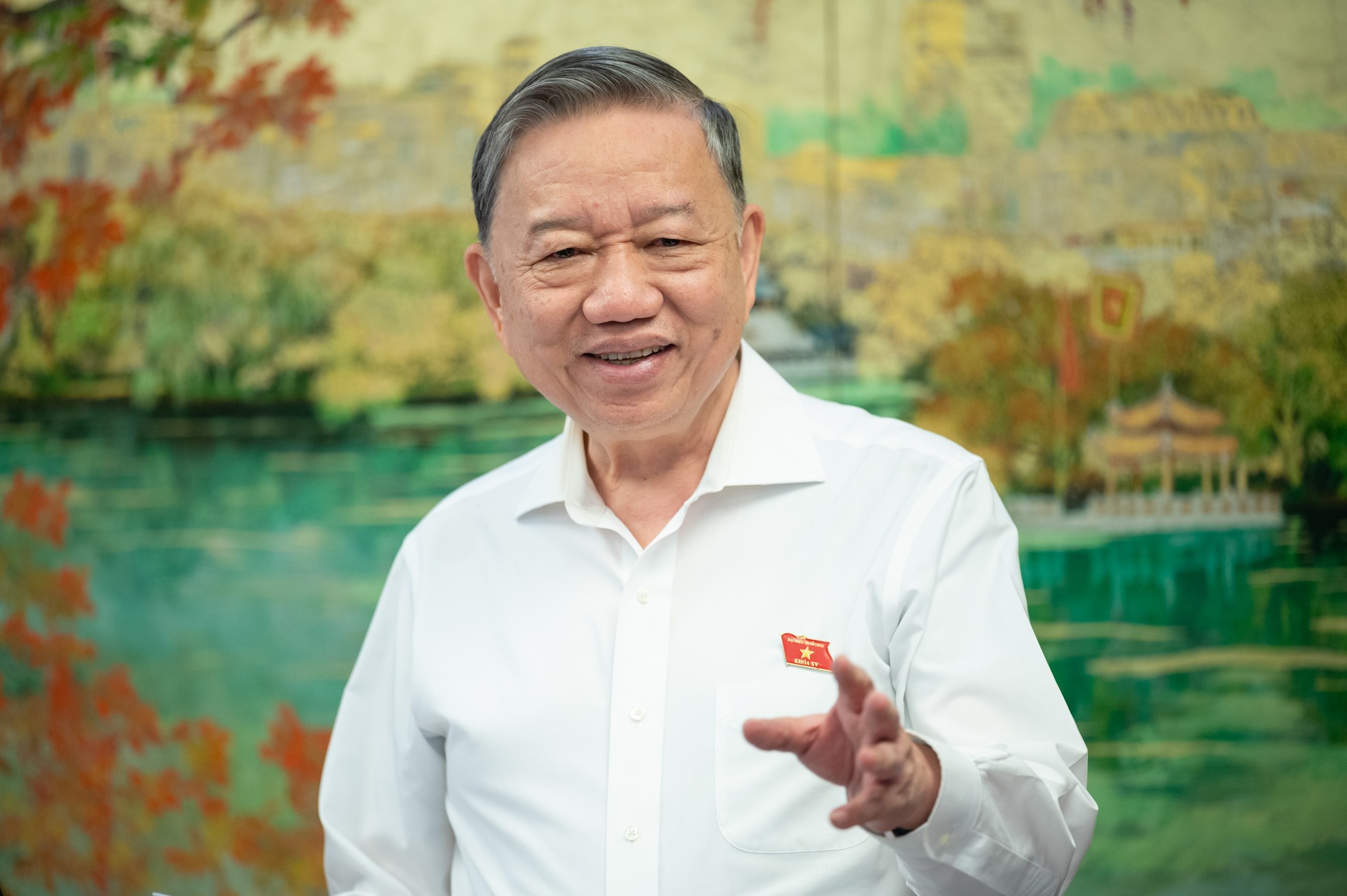 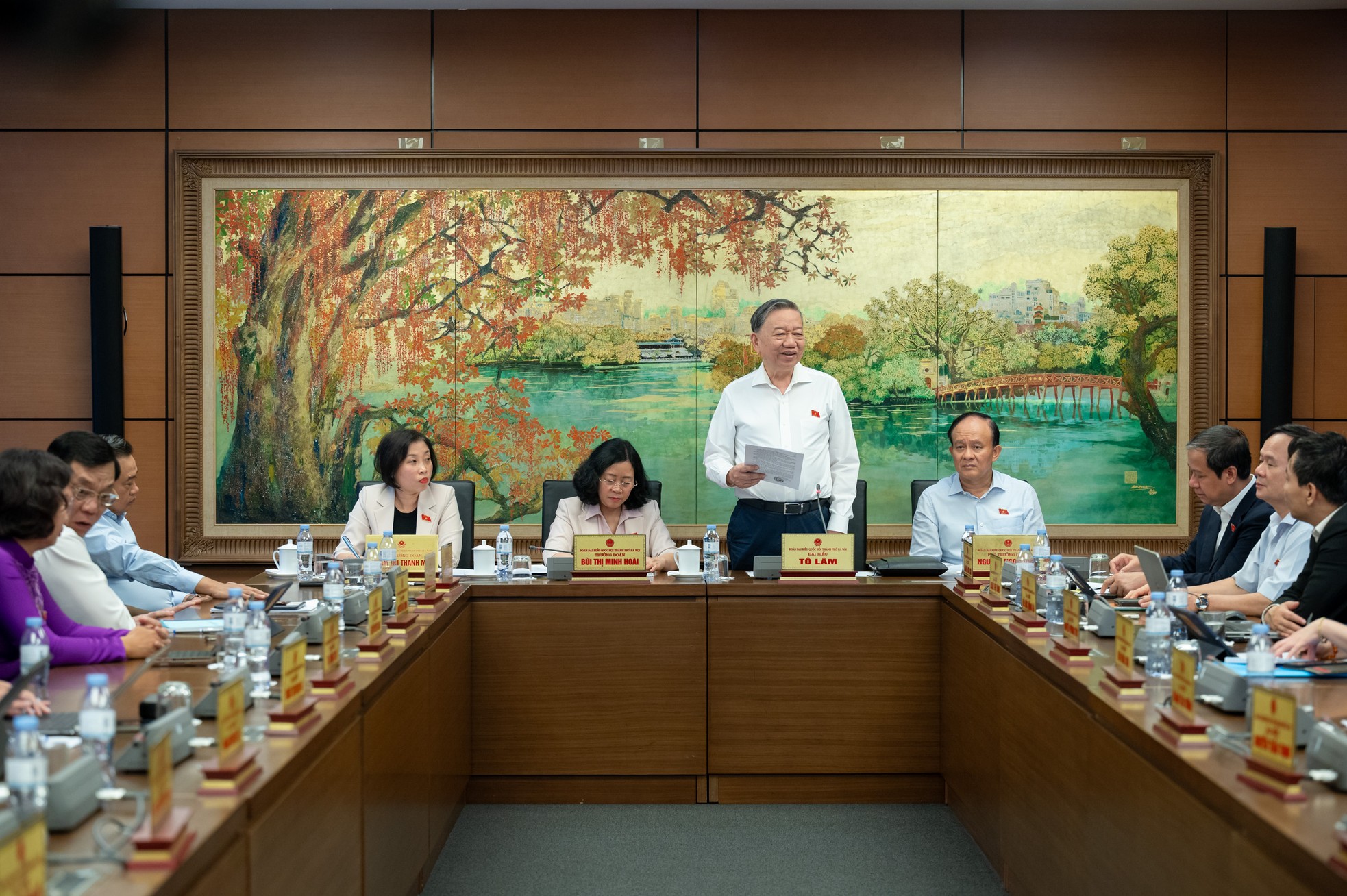 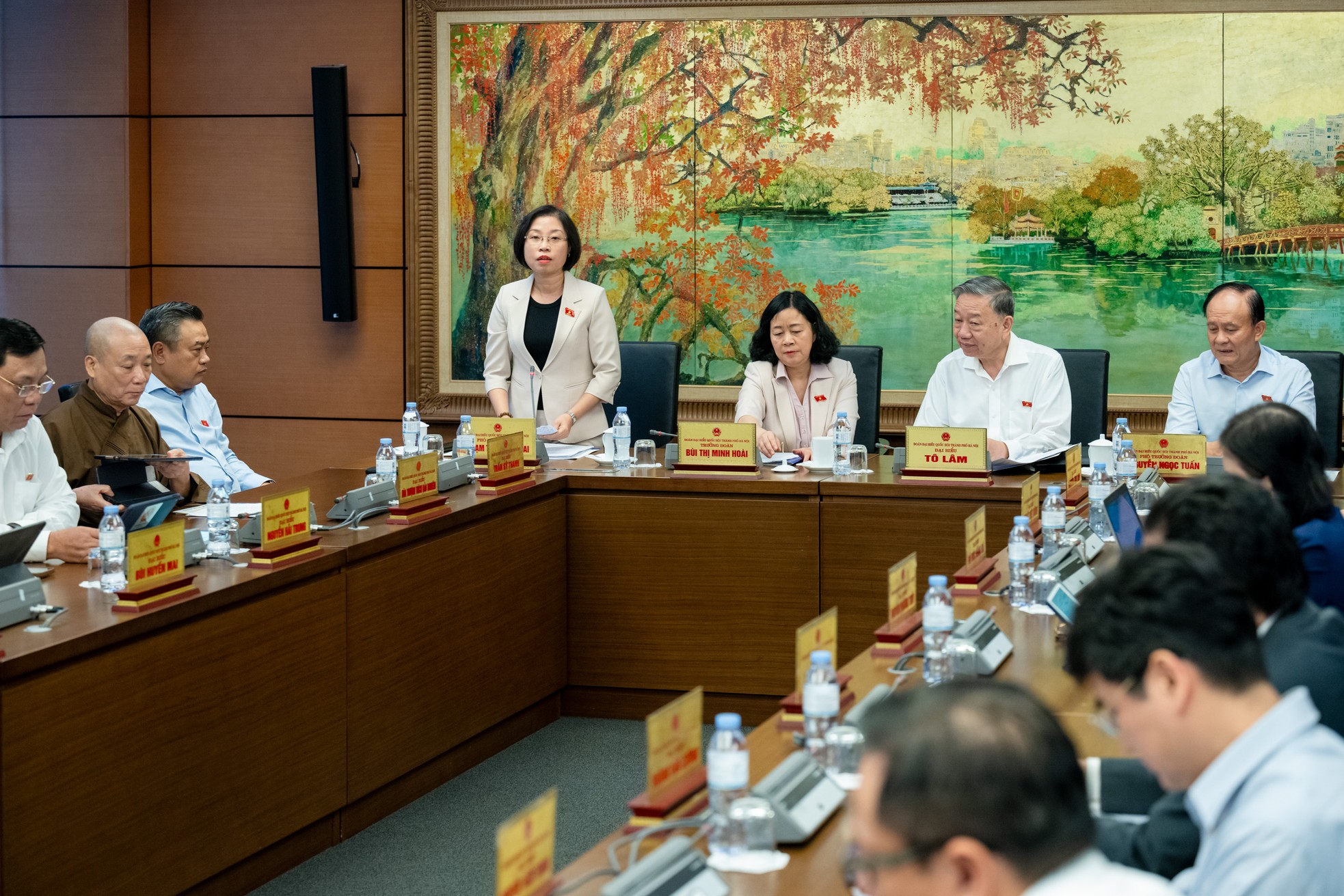 |
| General Secretary To Lam speaks at the group discussion session at the 8th Session of the 15th National Assembly . |
Addressing this issue at the 8th session of the National Assembly, General Secretary To Lam affirmed that "without streamlining the apparatus, development is impossible." The General Secretary cited the fact that nearly 70% of the budget is currently spent on salaries, regular expenses, and operational support, leaving only 30%—where are the resources for development investment? This situation highlights the urgent need to streamline the apparatus, reduce staffing levels, and cut regular expenditures. If the central government is streamlined, the provinces will be streamlined; without ministries at the central level, provinces will lack departments, and districts will lack offices. To achieve this, the General Secretary emphasized that the central government must set an example, the Party committees must set an example, and the National Assembly and the Government must set an example.
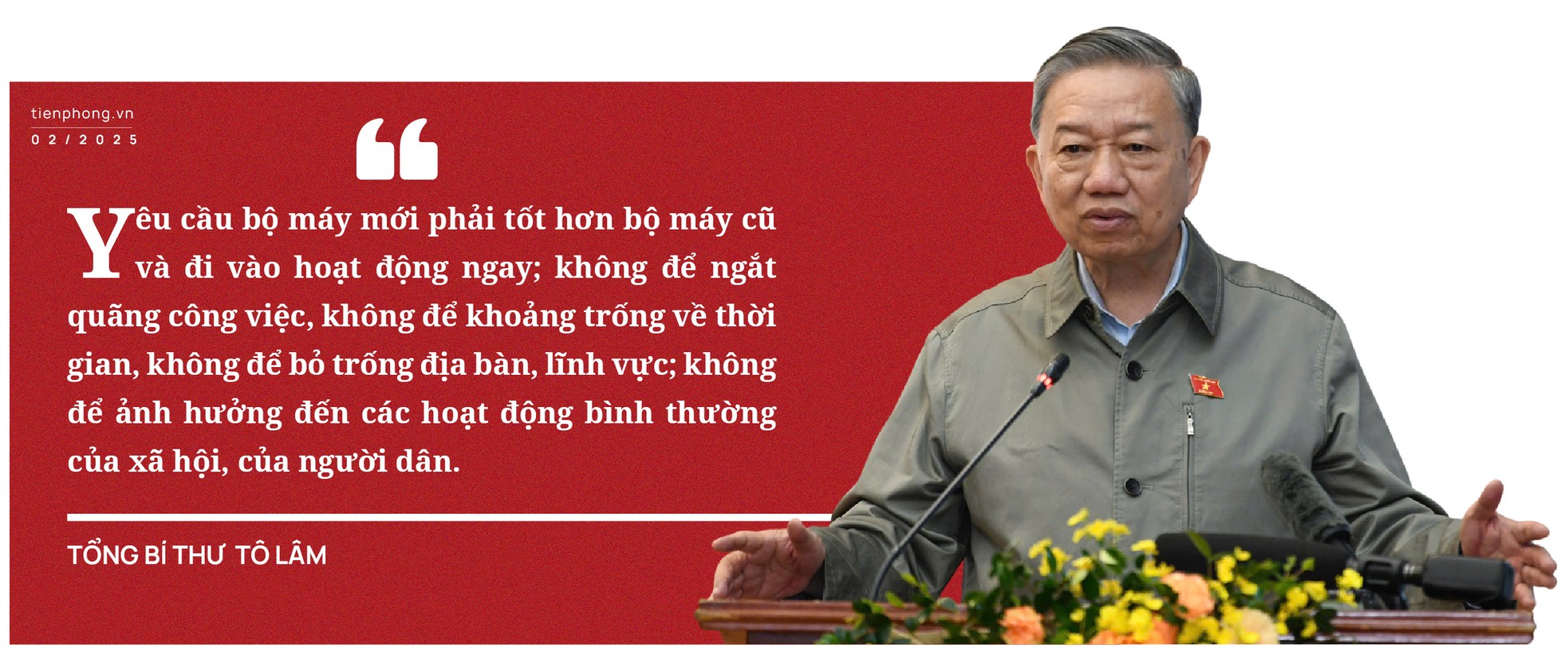 |
Continuing to address the issue of organizational structure in a subsequent article, the General Secretary stated that the 100th anniversary of the country's leadership under the Party and the 100th anniversary of the nation's founding are not far off. Achieving strategic goals requires not only extraordinary efforts and outstanding endeavors, but also cannot tolerate delays, laxity, lack of coordination, or disharmony at every step. To achieve this, it is necessary to urgently implement a "revolution in streamlining the organizational structure" of the political system. This must be coupled with restructuring the cadre to ensure they possess the necessary qualities and capabilities commensurate with their tasks, maintaining a rational staffing level, and standardizing job titles.
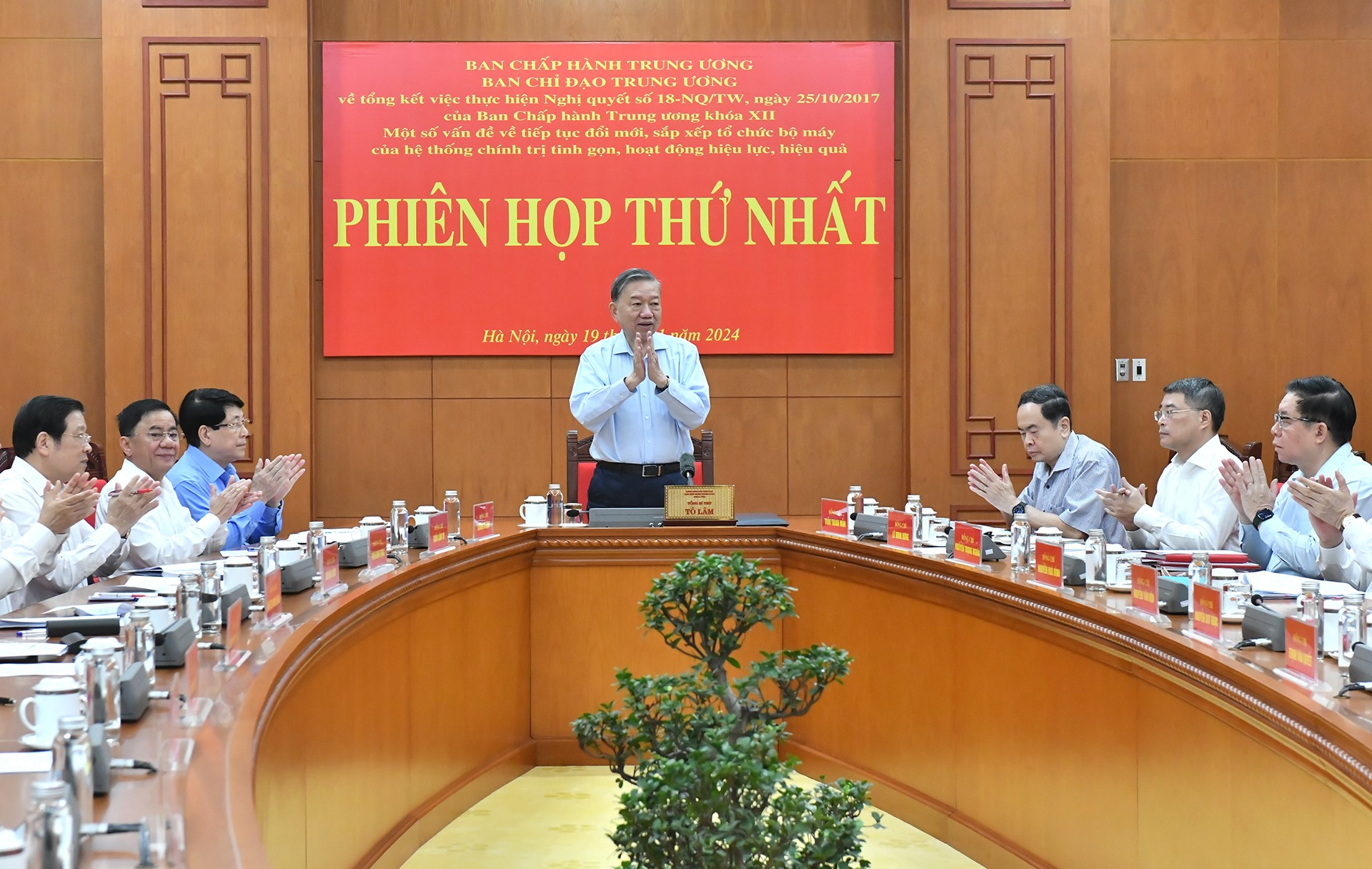 |
General Secretary To Lam delivered a speech at the meeting summarizing the implementation of Resolution No. 18-NQ/TW. |
To successfully implement this "revolution," central agencies, the National Assembly, the Government, and local authorities quickly established steering committees to summarize the implementation of Resolution No. 18-NQ/TW. At the first meeting, in his capacity as Head of the Steering Committee, General Secretary To Lam emphasized that summarizing Resolution No. 18-NQ/TW was an exceptionally important task, requiring the highest level of determination. This was also a difficult, sensitive, and complex task, requiring unity, strong determination, courage, and even the sacrifice of personal interests for the common good.
 |
In his closing remarks at the 13th Central Committee Conference on November 25, 2024, General Secretary To Lam once again emphasized that Central Committee members need to demonstrate high political determination, great effort, and exemplary leadership in decisively and vigorously implementing the restructuring and streamlining of the apparatus. This is a particularly important task, requiring a very high level of consensus in understanding and action throughout the Party and the entire political system.
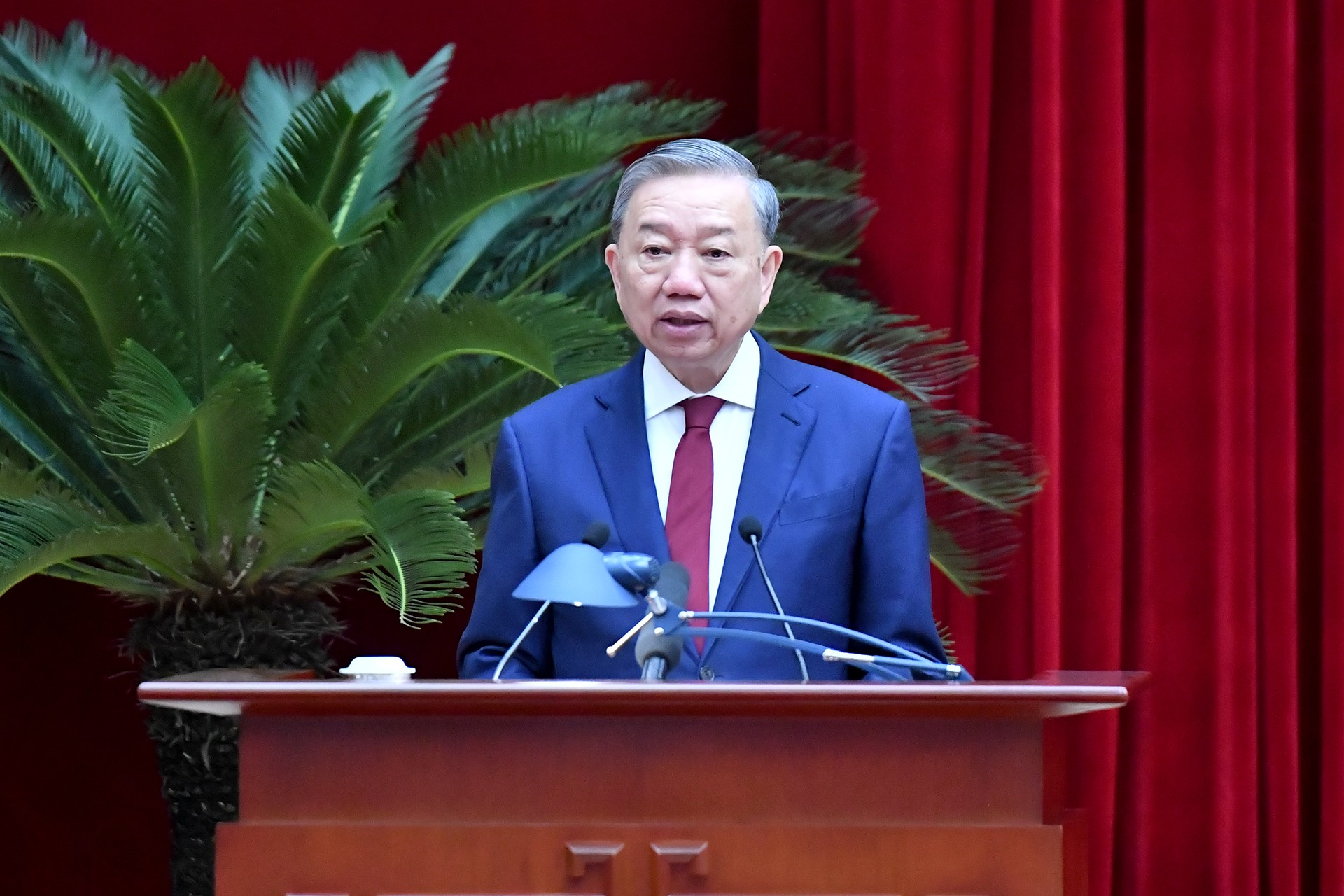 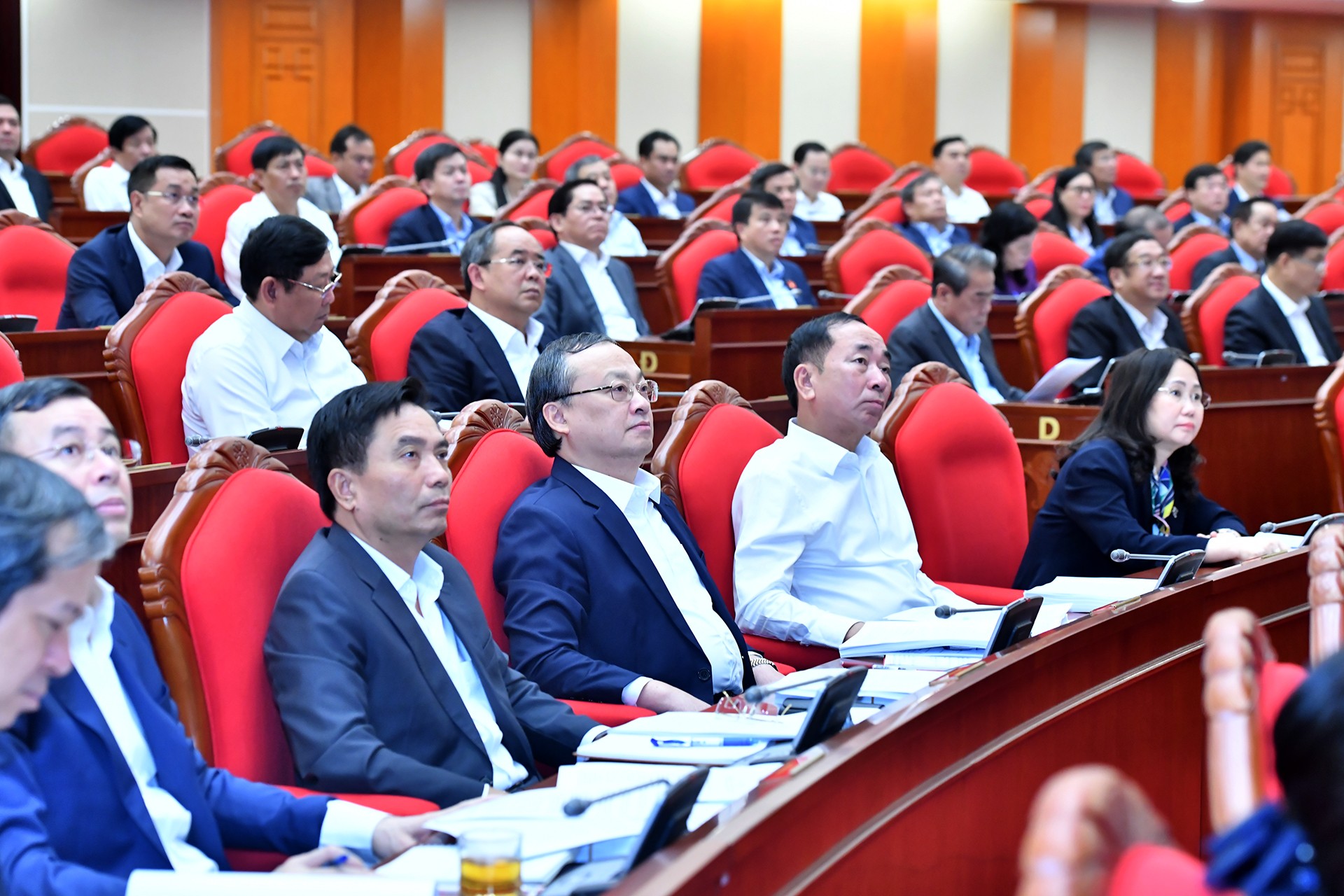 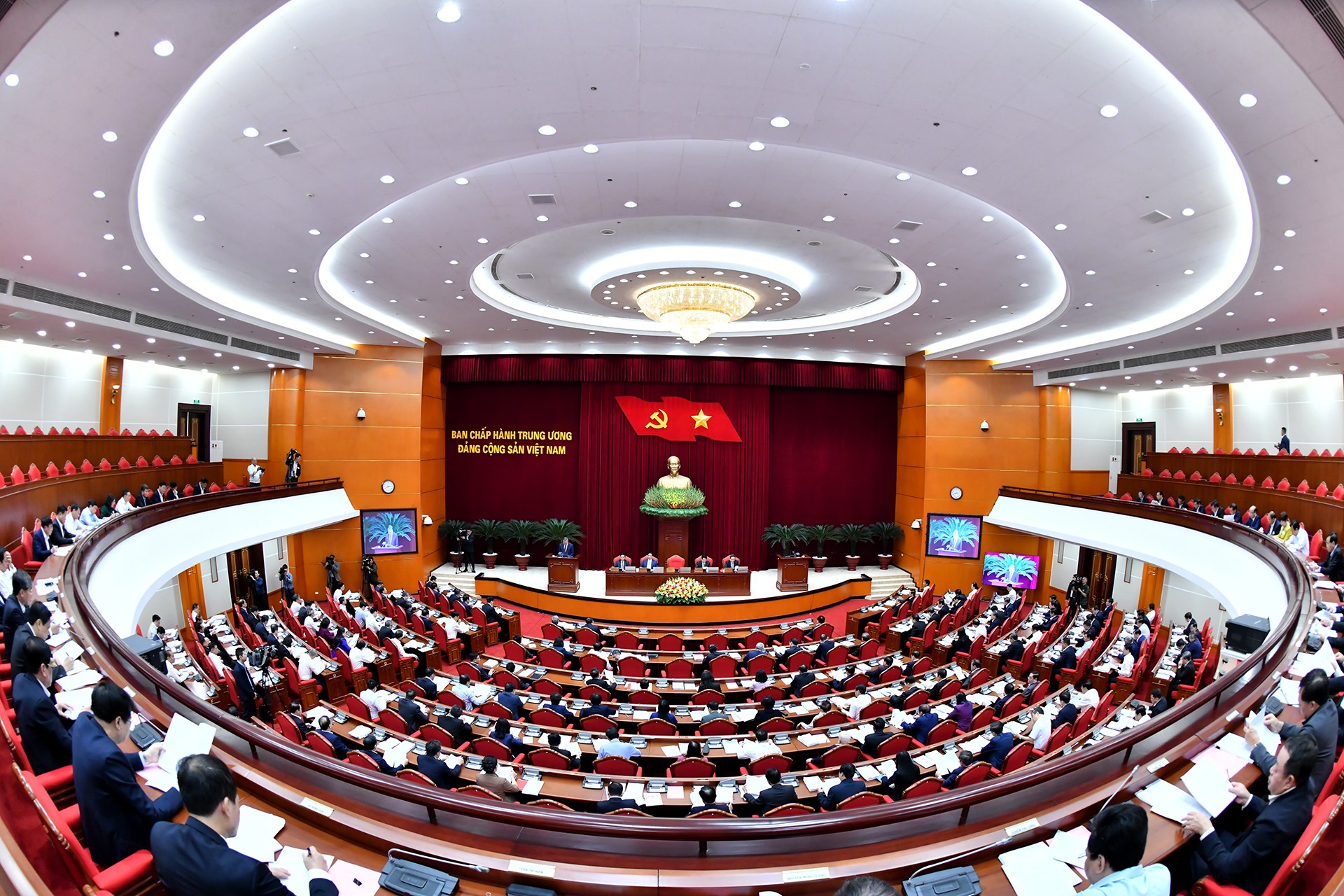 |
| General Secretary To Lam delivered a speech at the 13th Central Committee Meeting. |
The Central Committee noted that Party committees and organizations at all levels, especially leading cadres and heads of organizations, need to be exemplary, proactive, and decisive in carrying out assigned tasks in the spirit of "running while queuing." The Central Committee will not wait for the provincial level, the provincial level will not wait for the district level, and the district level will not wait for the grassroots. In particular, the Central Committee requires ensuring the smooth and effective operation of the overall mechanism of "Party leadership, State management, and People's ownership."
A few days after the closing of the Central Committee meeting, while speaking at the national conference to review and implement Resolution No. 18, General Secretary To Lam expressed that streamlining the apparatus is a difficult, even very difficult, issue, as it will involve the thoughts, feelings, aspirations, and interests of some individuals and organizations. However, we still have to proceed, because to have a healthy body, sometimes we have to "take bitter medicine," endure pain to "operate on the tumor."
“We need to unify our understanding and actions regarding the urgency of continuing economic reforms. Without reform, we cannot achieve double-digit growth. If we achieve that goal in 2025, we can continue to achieve it in subsequent years and terms. In particular, we must prioritize streamlining the administrative apparatus so that we can take off, soar high and far,” General Secretary To Lam shared at a meeting with former Party and State leaders and exemplary veteran officials from the South, on the occasion of the Lunar New Year 2025.
Responding to the urgent demands of the Central Committee, the Politburo, and the General Secretary, the Party, National Assembly, and Government agencies have taken the lead, setting an example, working day and night, and rapidly implementing the "revolution" to streamline the apparatus, rushing and consolidating efforts to complete it according to the set roadmap.
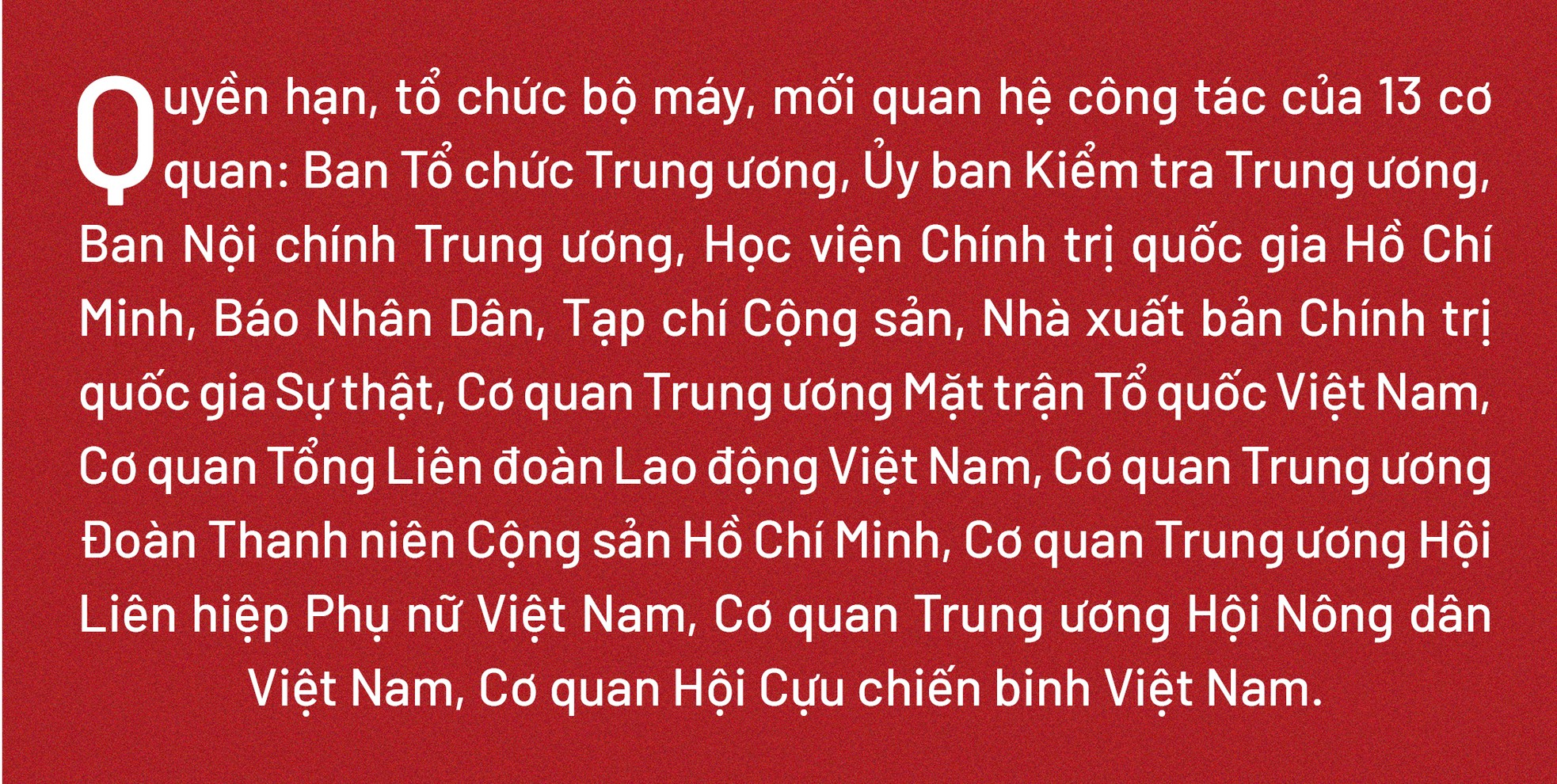
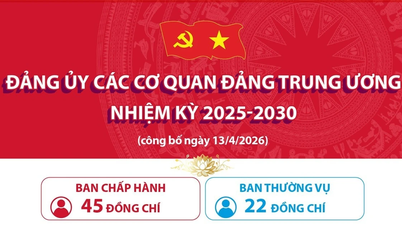
With a pioneering and exemplary spirit, after a period of urgent preparation, at the end of December 2024, the Politburo and the Secretariat announced the Decision on the functions, tasks, powers, organizational structure, and working relationships of 13 Party committees, Party-affiliated organizations, the Central Committee of the Vietnam Fatherland Front, and political and social organizations at the central level.
Speaking at the event, General Secretary To Lam assessed that the completion of organizational restructuring and streamlining by 13 central Party and mass organization agencies was a tremendous effort, demonstrating exemplary, decisive, urgent, and serious spirit in the restructuring and streamlining of the organizational apparatus of each agency. This result is also due to the close coordination and responsibility of the Party's advisory and support agencies at the central level.
Noting that this is only the "beginning" and there is still much work to be done, the General Secretary requested that each agency ensure that its work continues to operate normally, without interruption, stagnation, or omission.
 |
 |
In his capacity as Head of the Government's Steering Committee for summarizing the implementation of Central Resolution No. 18, Prime Minister Pham Minh Chinh chaired numerous meetings and finalized plans for restructuring and streamlining the government apparatus.
Emphasizing that this is a difficult task, the Prime Minister consistently urged members of the Steering Committee to demonstrate a sense of responsibility, listen to opinions, focus on implementation, and ensure progress and quality meet the requirements. At the same time, during the implementation process, it is crucial to effectively manage public opinion and prevent interruptions that could negatively impact citizens and businesses.
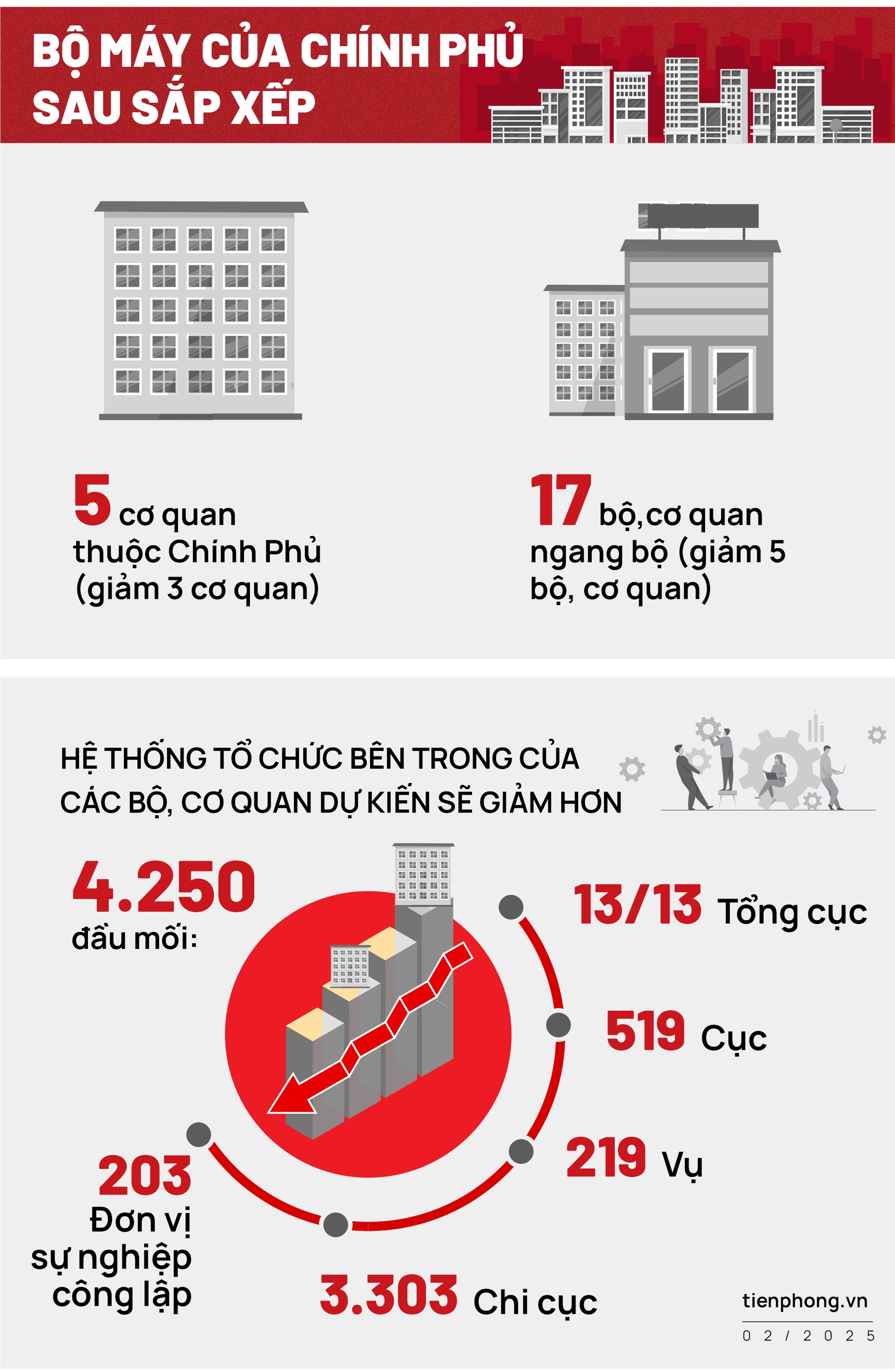
According to the finalized plans submitted to the Politburo and the Central Steering Committee, the restructured government apparatus is expected to comprise 22 ministries and agencies, including 17 ministries and ministerial-level agencies (a reduction of 5) and 5 government-affiliated agencies (a reduction of 3). Along with this, the internal organizational structure of ministries and agencies is expected to reduce more than 4,250 units. This includes the planned reduction of 13/13 general departments, 519 departments, 219 divisions, 3,303 sub-departments, and 203 public service units.
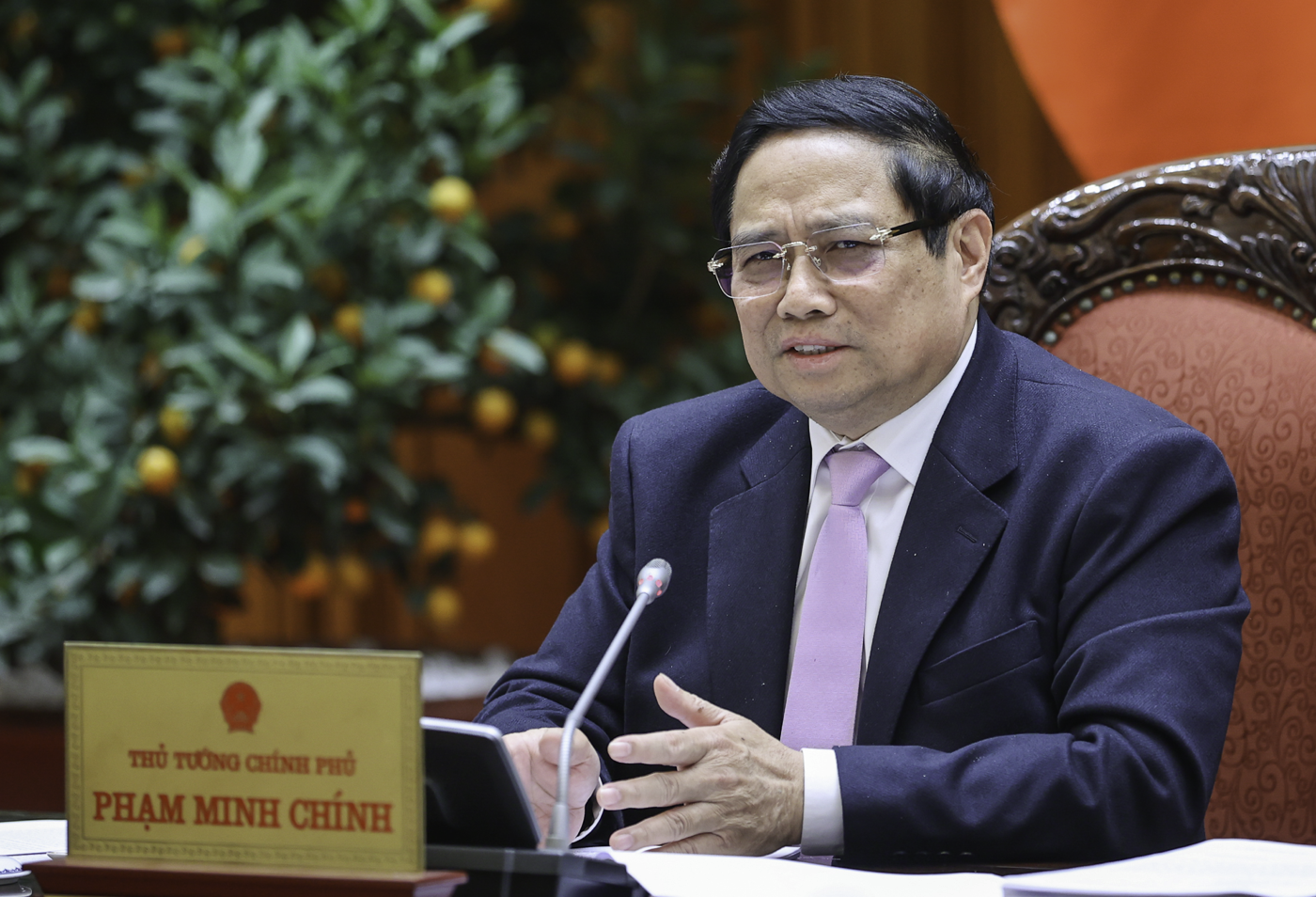   |
| Prime Minister Pham Minh Chinh and members of the Government at a meeting on streamlining and reorganizing the government apparatus. |
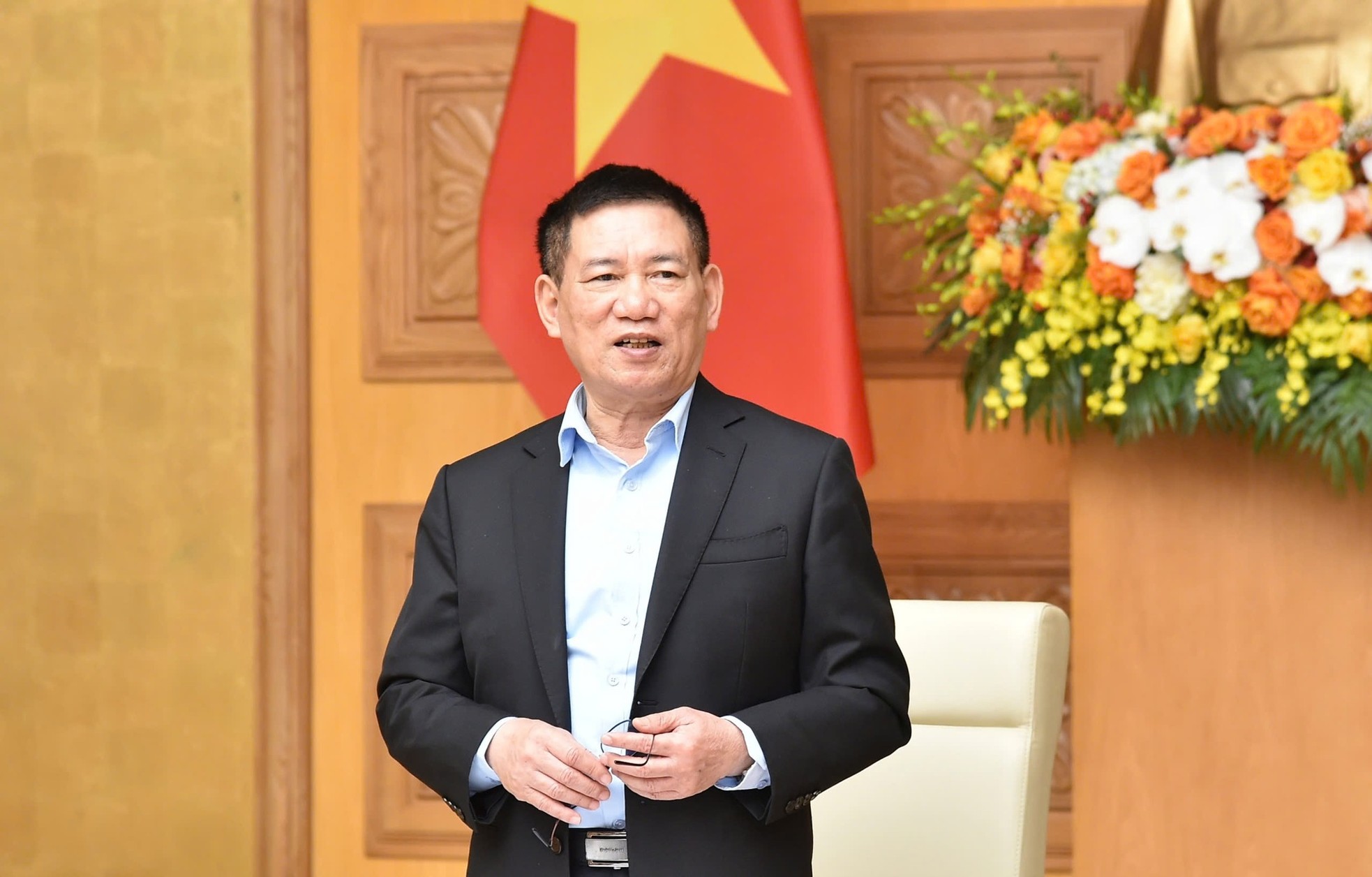
Speaking to Tien Phong newspaper , Deputy Prime Minister Ho Duc Phoc emphasized that streamlining the organizational structure within the political system is a major policy, implementing Resolution No. 18 of the Central Committee, aiming to simplify the apparatus for efficient operation and reduce recurrent expenditures. In particular, a crucial requirement in the restructuring process is that it must be implemented decisively, quickly, and effectively, ensuring the set deadlines are met while maintaining normal operations and not affecting assigned tasks.
“I believe that what we do today will lay a solid foundation for the country to confidently enter a new era. The General Secretary has repeatedly emphasized that streamlining the organizational structure of the political system is a very difficult and urgent task that cannot be delayed any longer. Now is the opportunity for the country to enter an era of development; to develop, the apparatus must be streamlined in order to ‘soar high’,” Deputy Prime Minister Ho Duc Phoc stated.
 |
As a permanent agency, the Ministry of Interior is considered by the Government to be a pioneering and exemplary unit, having completed a large volume of work under pressure requiring high professional quality and deadlines.
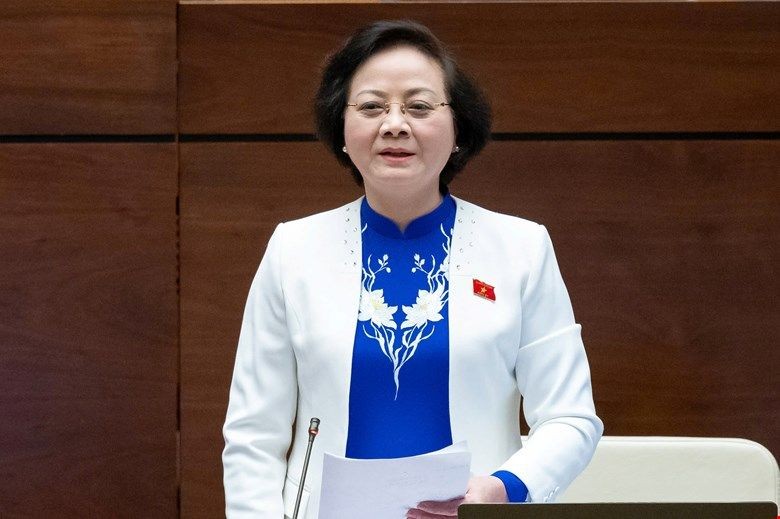
Speaking with nearly 400 officials and civil servants in the sector, Minister of Home Affairs Pham Thi Thanh Tra said that this was the result of days of working "without regard for time," sharing hardships, and determined to overcome all difficulties and challenges. "There were very difficult tasks, seemingly impossible to complete, but the Ministry overcame them brilliantly, achieving very proud accomplishments, which can be described as spectacular and miraculous," the Minister of Home Affairs expressed.
In keeping with his pioneering and exemplary spirit, within the National Assembly, Chairman Tran Thanh Man also presided over numerous meetings of the Steering Committee for summarizing the implementation of Resolution No. 18 at the National Assembly's agencies. In these meetings, the National Assembly leadership consistently emphasized that this streamlining of the organizational structure must truly be a "revolution," ensuring a truly "lean, efficient, effective, and efficient" apparatus, avoiding mechanical arrangements and adhering to the principle of "the Central Government setting an example and localities responding."
In that spirit, on January 7th, the Standing Committee of the National Assembly announced two resolutions on the closure of the Vietnam National Assembly's Institute of Legislative Research and Television, effective January 15th. Its functions and responsibilities will be transferred to the National Ethnic Council, the Committees, the National Assembly Office, and Vietnam Television (VTV). At this meeting, Vice Chairwoman of the National Assembly Nguyen Thi Thanh stated that the National Assembly Party Caucus and the Standing Committee of the National Assembly consider it one of the leading exemplary agencies, and the results of its implementation have been recognized and highly appreciated by the Politburo.
Speaking to Tien Phong newspaper , Associate Professor Bui Hoai Son, Standing Member of the National Assembly's Committee on Culture and Education, observed that in a major reform like streamlining the administrative apparatus, exemplary leadership from the highest levels will create a powerful ripple effect, not only within the Party but also throughout the entire political and social system. "I believe that with strategic vision and wise leadership, Vietnam can absolutely turn this 'revolution' into reality, opening a new chapter for national governance," Professor Bui Hoai Son stated.
 |
Source: https://tienphong.vn/dang-tien-phong-tinh-gon-bo-may-post1711361.tpo





































































Comment (0)