 |
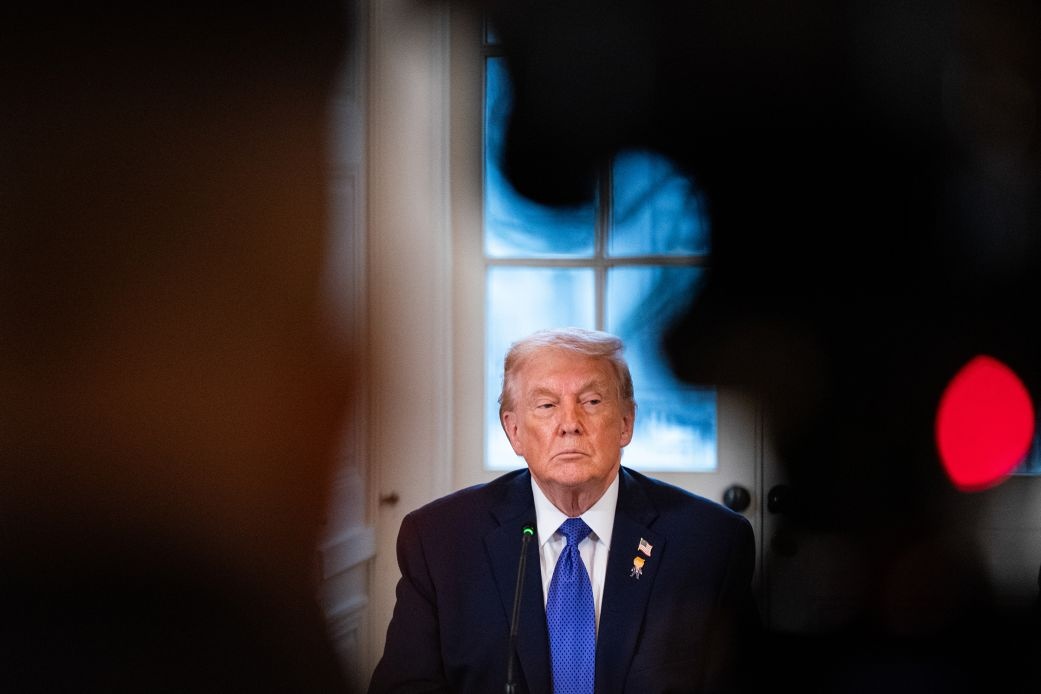
The crisis with Iran is presenting US President Donald Trump with a difficult paradox: the more military pressure Washington increases, the further it seems to be from its goal of forcing Tehran to make concessions.
On June 11 (local time), the US launched a series of new airstrikes targeting Iranian military targets. According to the US Central Command (CENTCOM), the attacks used precision weapons to strike Tehran's surveillance, communications, and air defense systems.
While the White House continues to launch new airstrikes, many observers believe that Trump is falling into the same trap that caused former President Jimmy Carter to lose control of his term nearly half a century ago.
Driver or hostage of the crisis?
In terms of personality and leadership style, Donald Trump and former President Jimmy Carter have almost nothing in common. However, both are being linked by the same name: Iran, according to the Financial Times.
If Carter's presidency was overshadowed by the 1979 hostage crisis at the U.S. Embassy in Tehran, the current confrontation with Iran is becoming the biggest test for Trump yet.
A notable similarity is that both presidents were particularly sensitive to casualties among the American military. Carter was deeply shocked after a failed hostage rescue operation resulted in the deaths of eight American soldiers.
For Trump, the clashes in the Gulf region have resulted in the deaths of at least 13 American soldiers, increasing domestic political pressure.
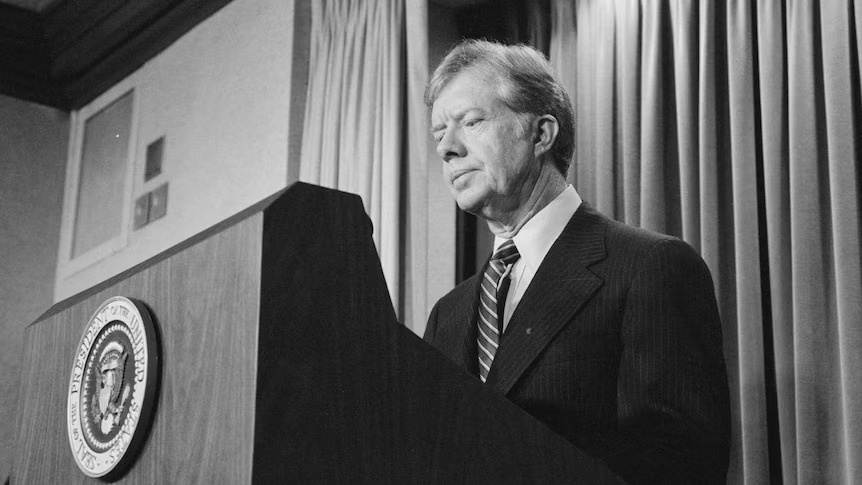 |
President Jimmy Carter announced the imposition of sanctions on Iran in 1980. Photo: Library of Congress. |
Therefore, analysts believe that the fear of being drawn into a protracted war is significantly impacting the White House's strategic calculations.
Despite President Trump's repeated assertions that he has "all the say," the reality on the battlefield shows that Washington is struggling to control the course of the conflict.
The ongoing attacks and retaliations between Iran, Israel, and their allies in the region continue despite diplomatic efforts from the United States. This has led to the view that Tehran and Tel Aviv are the ones shaping the pace and direction of the crisis.
In particular, the recent wave of attacks by the US over the past two days reflects three key factors dominating the conflict.
First, Trump has increasingly publicly expressed his frustration with Tehran's refusal to accept Washington's conditions regarding the reopening of the Strait of Hormuz and the cessation of its nuclear program.
Secondly, these recent military moves show that the US President still believes that confrontation and pressure are the most effective tools for forcing an opponent to accept an agreement.
Third, this campaign continues to reflect Trump's tendency to use force even at times when diplomacy is at a sensitive stage.
The airstrikes were launched just hours after a Qatari mediating delegation arrived in Tehran to bridge the final differences in a memorandum of understanding between the US and Iran.
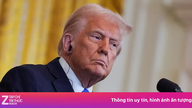

This is not the first time Trump has chosen military action over waiting for diplomatic progress to be completed. A similar scenario unfolded before the airstrikes on Iranian nuclear facilities last year, as well as when he lost patience with the Geneva negotiations in late February, leading to the US and Israel launching a large-scale military operation.
The June 11 attack also came shortly after the US launched airstrikes on Iranian military assets in retaliation for Tehran shooting down a US Apache helicopter.
In reality, the White House has very few options. If Washington doesn't react, it could be interpreted as the U.S. accepting Iran's control over the Strait of Hormuz.
Does Iran become more defiant the more it is attacked?
Amid stalled negotiations, the Trump administration continues to bet on military force to compel Iran to make concessions. Previously, President Trump accused Iran of deliberately prolonging negotiations and showing no willingness to reach an agreement.
"We've been outsmarted by them too many times," Trump declared.
War Secretary Pete Hegseth delivered an even tougher message, asserting that Washington was prepared to “negotiate with bombs and bullets” if necessary.
According to the US administration, the goal of the airstrikes was to increase pressure to improve Washington's negotiating position, and to force Tehran to reopen the Strait of Hormuz and return to the negotiating table on its nuclear program.
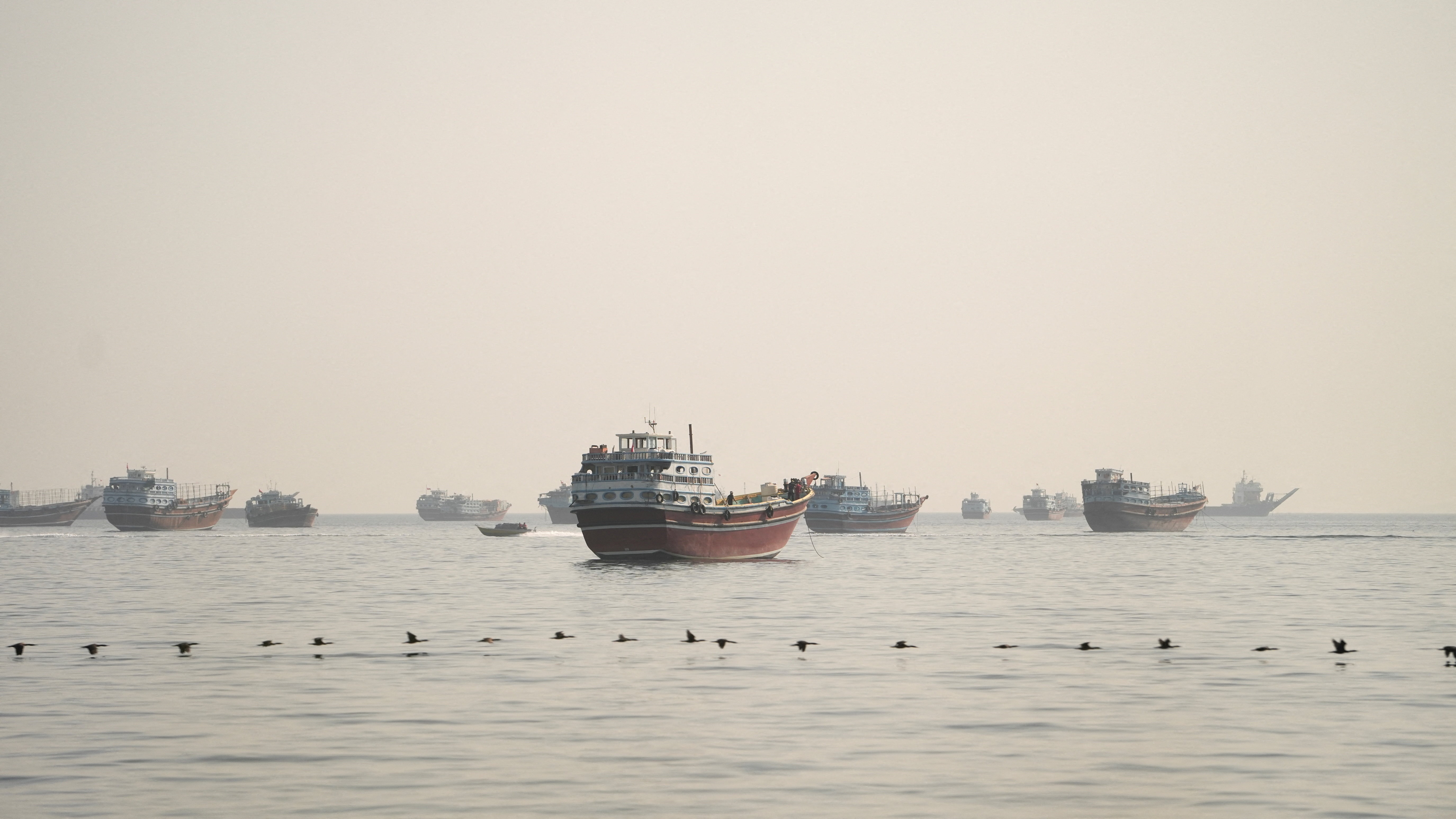 |
Iran announced the closure of the Strait of Hormuz on June 11 following the US attack. Photo: Reuters. |
However, the actual effectiveness of this strategy remains a big question mark. Developments over the past few months have shown a reality contrary to the White House's expectations.
Each time the U.S. increases military pressure, Iranian leaders seem to adopt a tougher stance rather than making concessions.
Iran's ambassador to the United Nations, Amir Saeid Iravani, asserted that no lasting agreement can be reached through threats or the use of force.
Many experts believe that Iran's leadership now holds crucial strategic leverage, particularly the ability to exert pressure on energy shipments through the Strait of Hormuz – a vital shipping lane for the global oil market.
In addition, the fact that the Iranian government has remained strong after months of military pressure and sanctions from the US is also seen by Tehran as a significant political victory.
Trump's own trap
One of the biggest challenges for Trump is that each time he uses force, the risk of conflict spiraling out of control increases. President Trump's sudden return to military action has also fueled skepticism among many American voters.
US lawmakers warn Iran still has many options for retaliation, ranging from attacking the energy infrastructure of Washington's allies in the Gulf to using Houthi forces in Yemen to threaten oil shipping lanes on the Red Sea.
If these scenarios unfold, they would have serious economic consequences for the United States and its allies.
"They still have a lot of cards up their sleeve, and all of them lead to one consequence: gasoline prices in the U.S. will skyrocket," warned Congressman Jim Himes, the senior Democratic member of the House Intelligence Committee.
Meanwhile, recent opinion polls show that a majority of American voters do not support a prolonged confrontation with Iran, increasing political pressure on the White House.



Just one day earlier, he had declared that he was in the "final stages" of reaching an agreement with Iran and that the Strait of Hormuz could be reopened within "two or three days".
Last week, Trump confirmed he had called Israeli Prime Minister Benjamin Netanyahu "crazy" for suggesting that Israel's military actions in Lebanon risked destroying the chances for peace. He also warned the Israeli leader that new attacks on Iran could leave Tel Aviv isolated.
But just a few days later, Trump himself once again deployed American military power against Iran.
These conflicting messages show that the US President is trapped in a trap of his own making.
To truly shift the strategic balance, Trump might have to accept a more significant and prolonged military escalation. But that would almost certainly trigger a reaction from Iran, drag America's Gulf allies back into the conflict, and exacerbate the global energy crisis – factors already eroding his approval ratings.
Meanwhile, even if Iran agrees to reopen the Strait of Hormuz, Washington will still have to engage in weeks, even months, of complex negotiations concerning Tehran's nuclear program, its enriched uranium stockpiles, and its demands for the lifting of sanctions.
If the new airstrikes continue to yield no results, public pressure will inevitably return to the White House.
Part of the answer lies in a philosophy that has guided Trump for decades. In any confrontation, there are always winners and losers. The belief that increasing pressure will force the opponent to yield is a familiar mindset of the president who comes from the real estate business, CNN commented.
However, if Tehran continues to refuse to compromise, Trump will once again face the difficult question: why is he still sticking with a strategy that has so far failed to prove effective?
Source: https://znews.vn/danh-iran-kho-cho-ong-trump-post1658832.html




![[Photo] Strengthening character and expertise: Intense training for artillery soldiers.](https://vphoto.vietnam.vn/thumb/1200x675/vietnam/resource/IMAGE/2026/06/30/1782815602541_lu-368-1875-4571-jpg.webp)