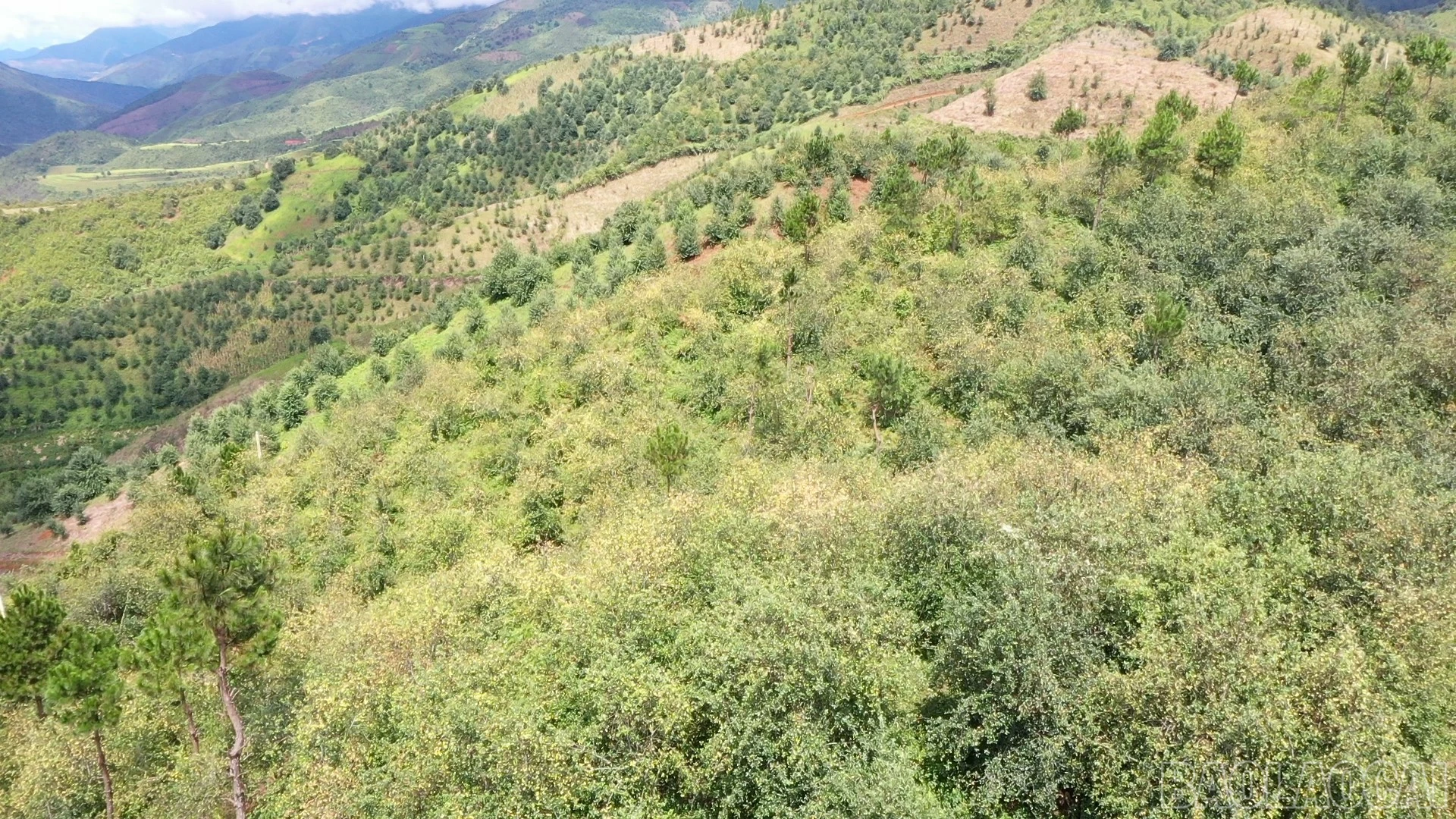
In many mountainous regions, Codonopsis pilosula is a plant that grows naturally in the forest. Its medicinal value has long been known, but this resource mainly exists in the wild, and stable production areas have not yet been established. This also means that its economic potential has not been exploited to its full potential.
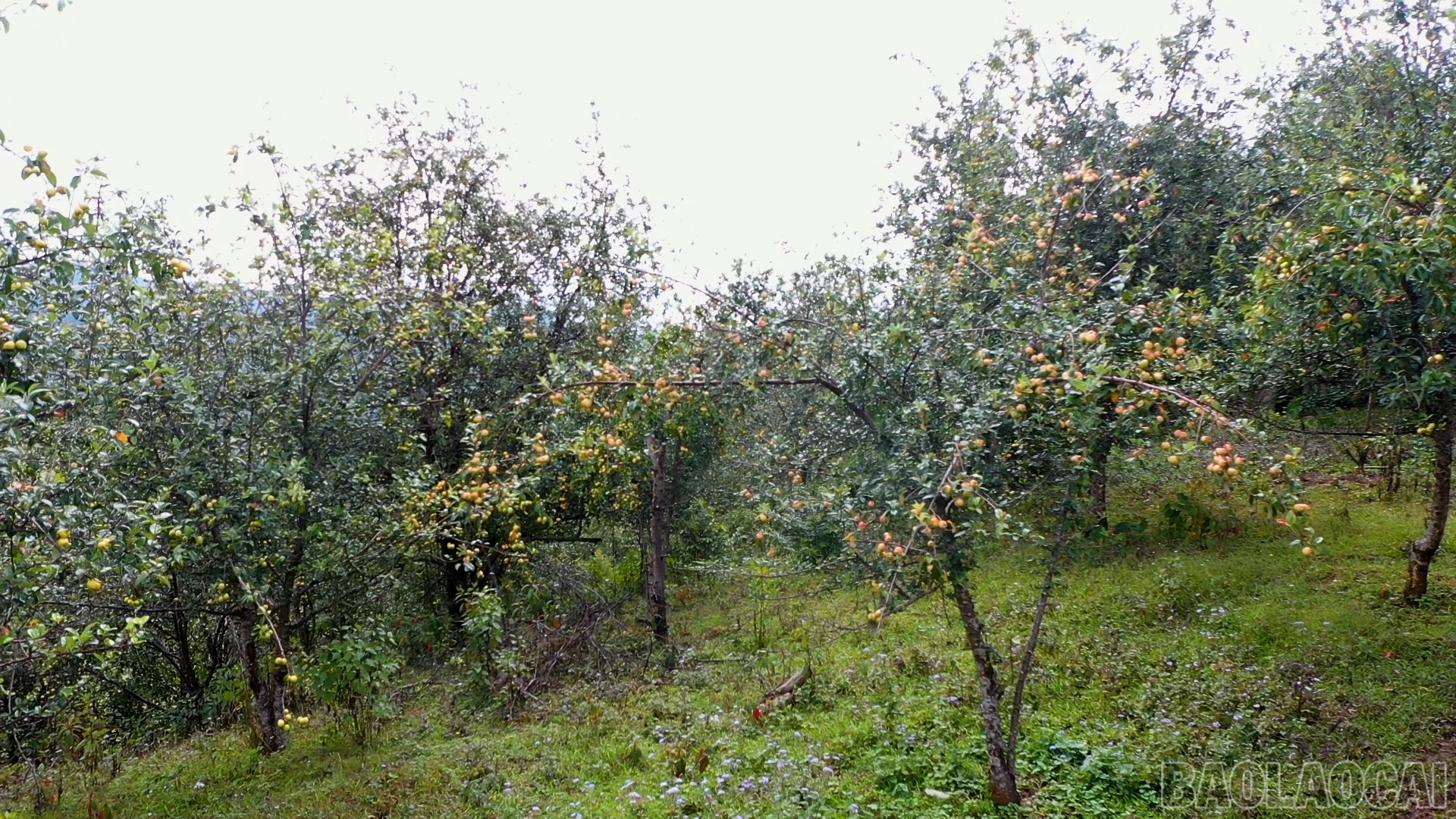
In Lao Chai commune, instead of introducing new plant varieties, the local authorities have opted to utilize native medicinal plants to develop a model of cultivation under the canopy of hawthorn forests. This is not only an effective solution for land utilization but also contributes to increasing the value of the forest ecosystem.
The model was implemented with the goal of developing Codonopsis pilosula into a commercial medicinal plant, while simultaneously preserving native varieties and naturally growing species. This is also a concrete step towards implementing local resolutions and the province's medicinal plant development plan, creating a practical basis for gradually expanding the model.
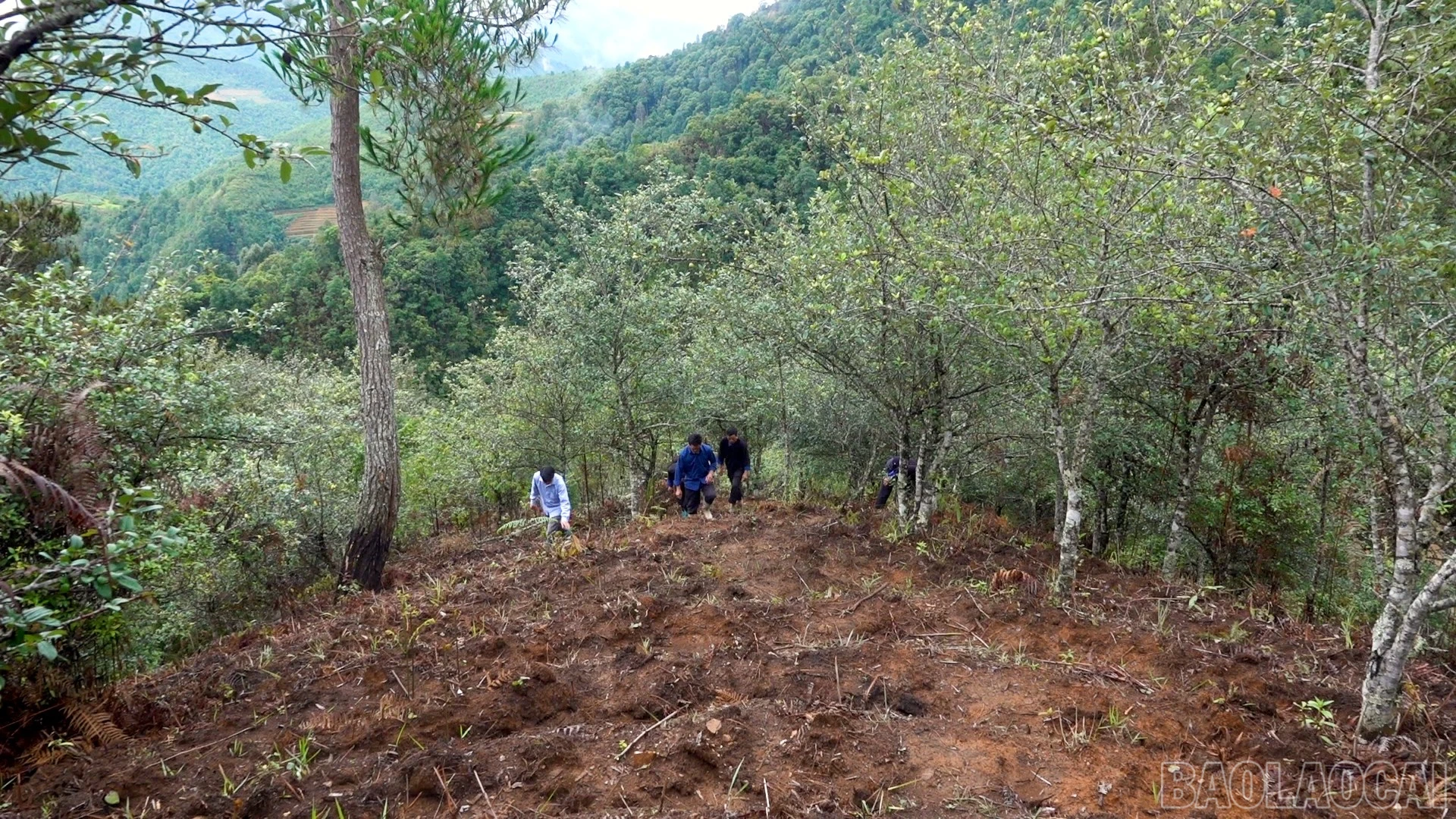
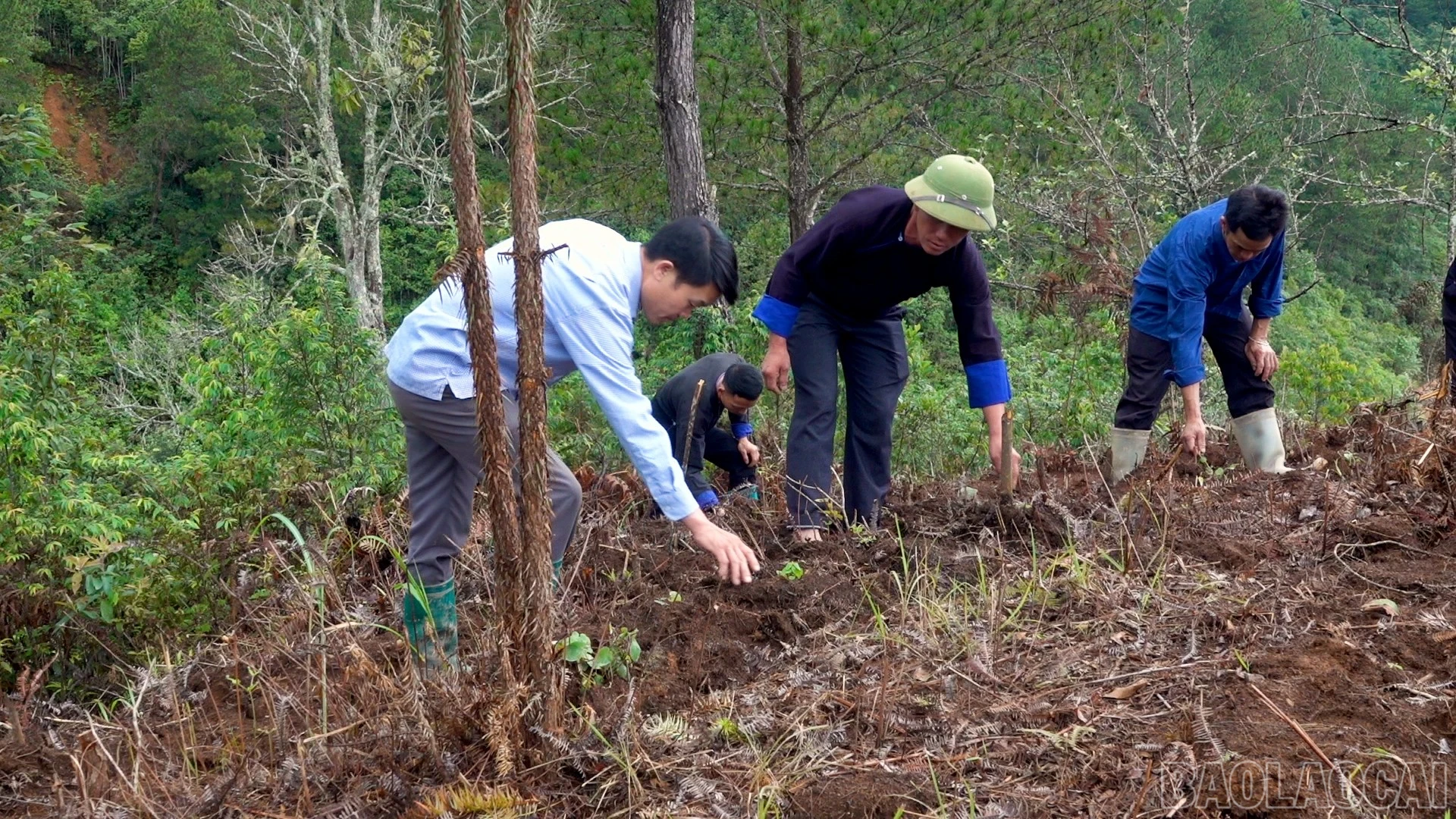
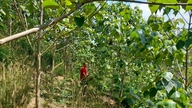
Notably, the model does not alter the land use structure. The upper canopy layer remains hawthorn, while the understory is supplemented with Codonopsis pilosula. Both plant species grow together in the same area, opening up the possibility of increasing production value while maintaining forest cover.
This development direction is also suitable for the conditions of the highlands, leveraging existing advantages instead of sacrificing resources for short-term growth.
According to Mr. Sung A Lu, Vice Chairman of the People's Committee of Lao Chai commune, developing medicinal plants is not just about adding another type of medicinal plant, but also about creating sustainable livelihoods for the people. When forests provide income, awareness of forest protection is also raised, contributing to limiting the risk of encroachment and deforestation.
As a native plant, Codonopsis pilosula is able to adapt to local natural conditions and is suitable for the production practices of the local people, thereby reducing the risks commonly encountered when introducing new plant varieties into production.

More importantly, cultivation also contributes to the conservation of valuable genetic resources of medicinal plants in the area. In the context of many natural plant species declining, developing cultivation areas is also a way to preserve indigenous resources for the future.
The initial model shows a connection between three objectives: forest protection, economic development, and biodiversity conservation. This is also the direction many mountainous localities are pursuing as they shift from resource exploitation to enhancing the value of resources.
If the right policies provide the foundation for the model, then the consensus and participation of the people are the decisive factors for its success.
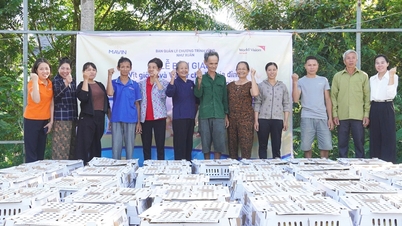
In Dao Cu Nha village, the model of cultivating Codonopsis pilosula was implemented right from the first year with a positive response from the people. According to Mr. Lo A Thenh - Head of Dao Cu Nha village, this is a model that the locality has chosen to build as a pilot project for people to learn from and replicate in the future.
The villagers collectively participated in planting approximately 3 hectares of Codonopsis pilosula under the canopy of the hawthorn forest. This consensus shows that the people not only contributed their labor but also placed their hopes in a new direction for livelihood development.
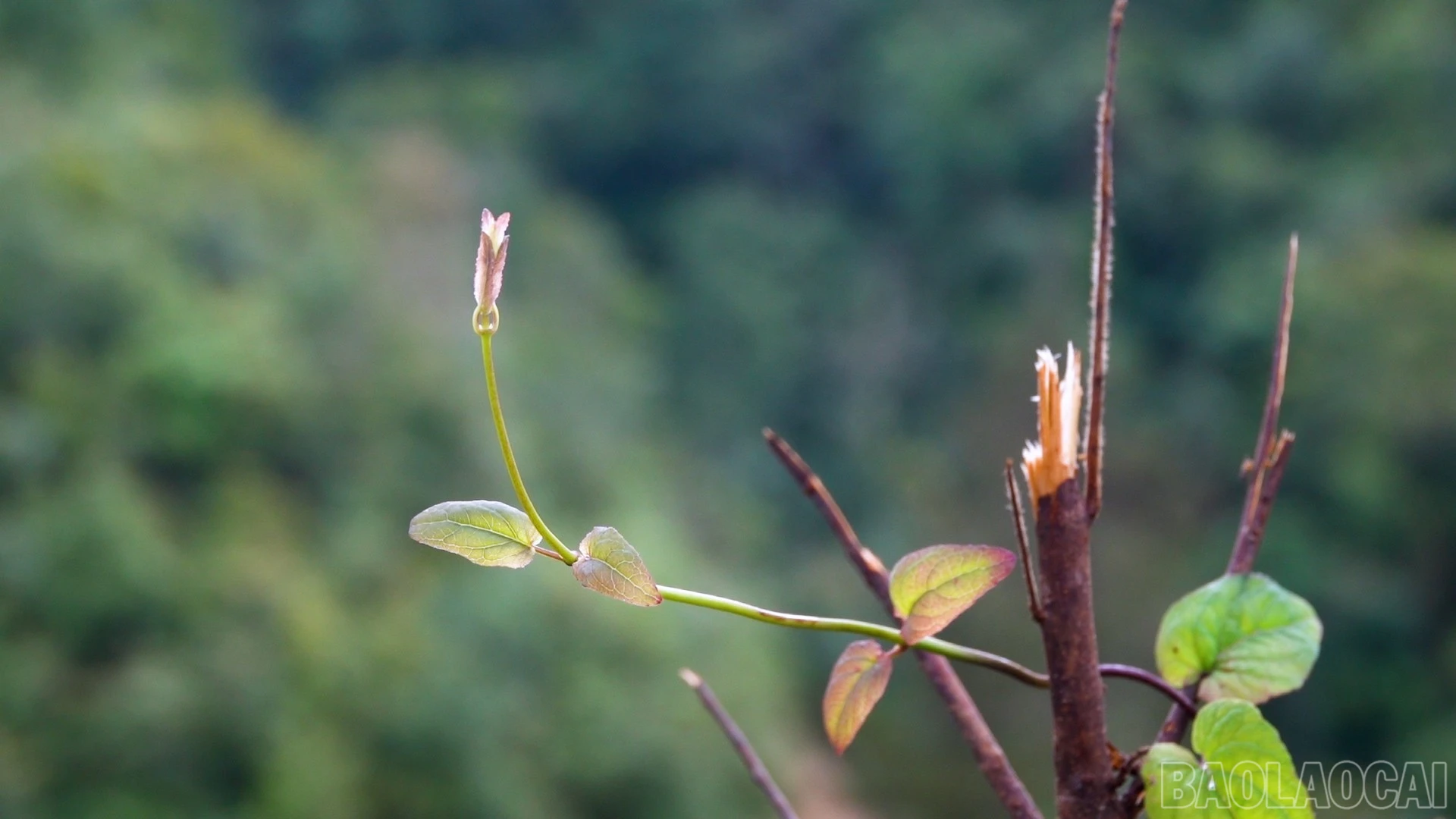
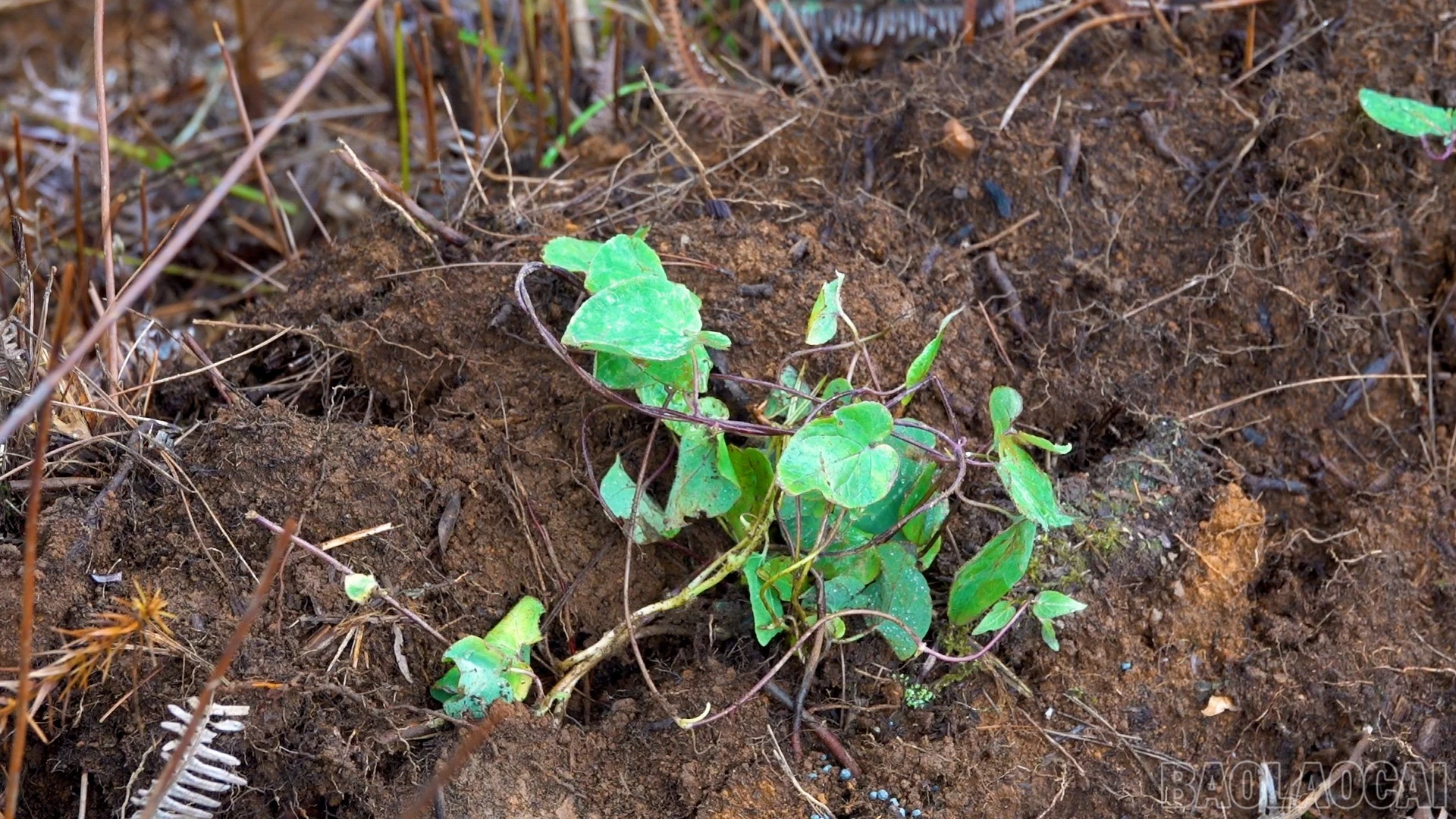
After about a month, many areas of Codonopsis pilosula had taken root and were growing well. The young plants thrived under the hawthorn canopy, initially confirming their adaptability and further boosting people's confidence in the model's prospects.
According to Mr. Lờ A Thềnh, head of Dào Cu Nha village, Lao Chải commune, the model is effective because on the same plot of land, people can earn income from hawthorn trees while also hoping to earn additional income from Codonopsis pilosula. The two types of trees grow together, complementing each other's value while preserving the forest ecosystem.
That is also why many households were willing to participate right from the start of the project.
To gradually establish a commodity production area as a pilot model, the Farmers' Association of Dao Cu Nha village actively mobilized its members to contribute seeds and participate in planting and caring for Codonopsis pilosula under the canopy of hawthorn forests. Initially, the goal is to help people become familiar with the process of caring for medicinal plants and gradually form a concentrated cultivation area.
In reality, the value of the model lies not only in the 3 hectares of ginseng planted in the first year. More noteworthy is the way the local community is changing its mindset regarding production development. Instead of exploiting forest resources, people are creating additional livelihoods right under the forest canopy; instead of expanding cultivated land, the locality is choosing to increase the value per unit of land.


This development direction is also consistent with the requirements of green development in mountainous areas, where natural resources are both an advantage and need to be preserved in the long term.
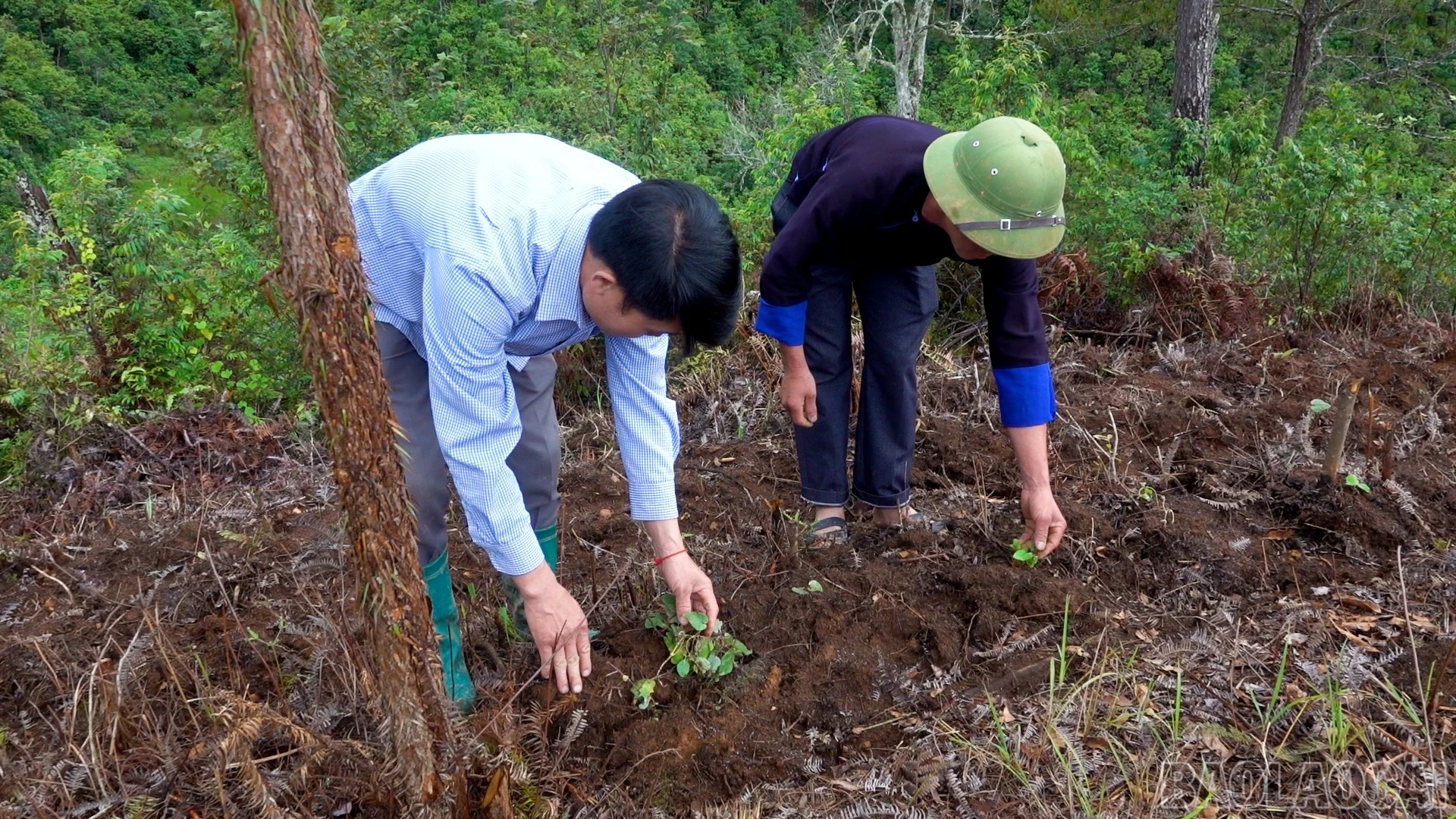
The cultivation of Codonopsis pilosula under the canopy of hawthorn trees today is just the beginning of a pilot model. But behind these young plants lies a new approach to highland agricultural development: rationally exploiting local advantages, preserving the green of the forest, and creating more livelihood opportunities for the people.
When forests are protected not only by regulations but also preserved through economic benefits, the development of medicinal plants will not stop at a production model. It is a path that connects conservation and development, economics and ecology, creating a foundation for Lao Chai to gradually develop a distinctive medicinal plant region, increase income for the people, and preserve the natural values of the highlands.
Source: https://baolaocai.vn/danh-thuc-gia-tri-dang-sam-duoi-tan-rung-post903021.html