

These historical sites are currently undergoing preservation and value promotion efforts, aiming to become attractive and creative cultural spaces within the ward, contributing to the effective implementation of Resolution 80-NQ/TW of the Politburo on the development of Vietnamese culture.
The imprint of the ancient city
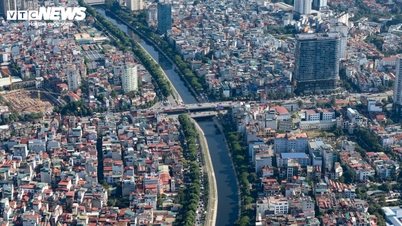
Following the implementation of a two-tiered local government system from July 1, 2025, Van Mieu - Quoc Tu Giam ward, located in the historical inner city area, is situated at the intersection and bordering wards such as Dong Da, Cua Nam, Kim Lien, and O Cho Dua. The ward lies on numerous transportation routes connecting the central area with roads such as Giai Phong, Xa Dan, Ton Duc Thang, and Nguyen Thai Hoc.
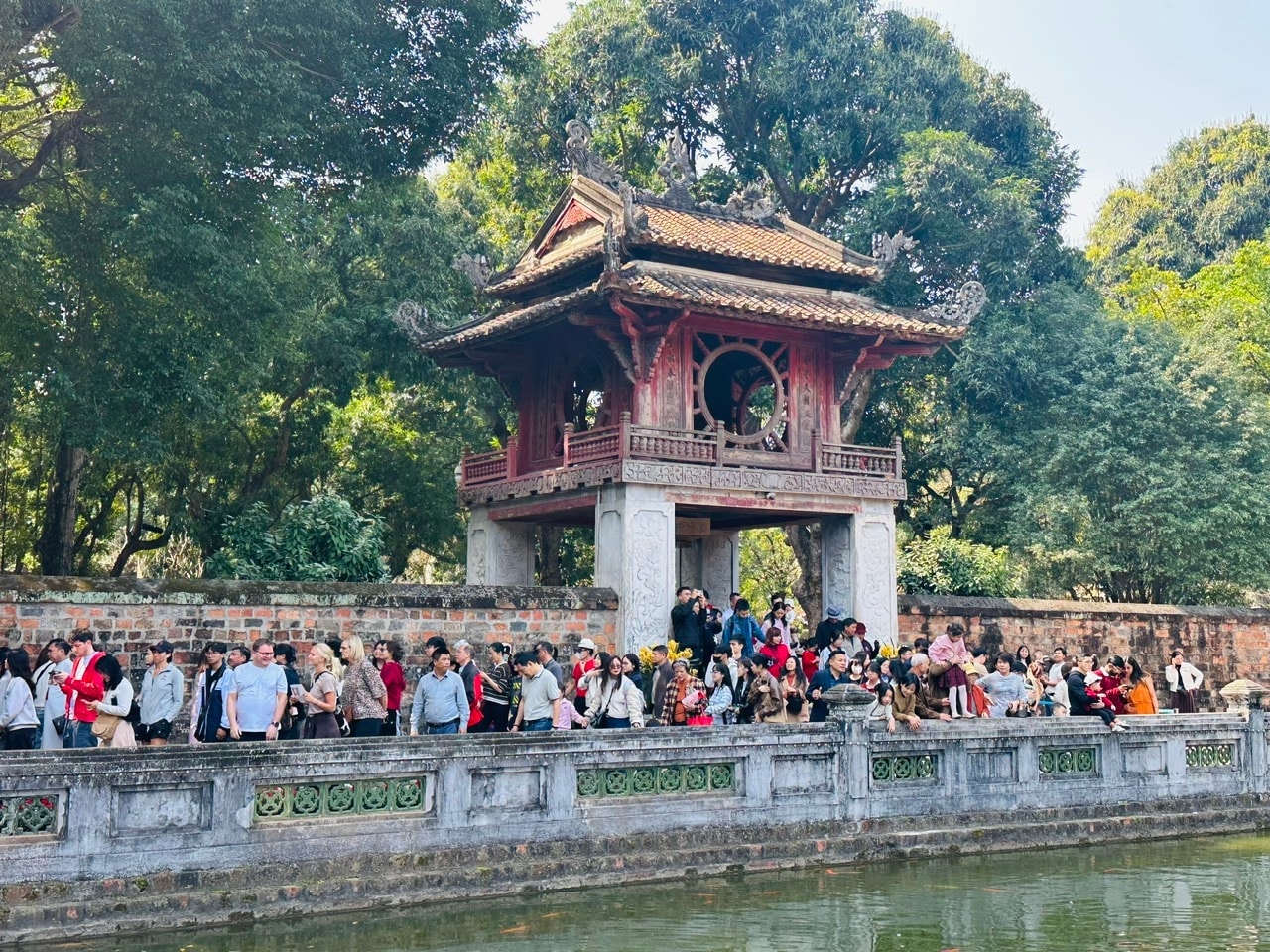
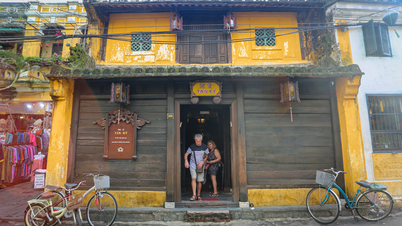
The Van Mieu - Quoc Tu Giam ward is home to several residential areas that originated during the French colonial period. After 1954, it became a densely populated area of the city, with many old apartment complexes possessing cultural, historical, and urban memory value, particularly the long-established residential areas.
Speaking to reporters, Do Trong Nam, Secretary of the Party Committee of Van Mieu - Quoc Tu Giam ward, said that the ward has a natural area of 1.92 km² and a population of 105,604 people. The ward has one of the highest population densities in the city, with many long-standing residential areas, formerly ancient villages within the urban area, characterized by deep, crowded alleys where residents have lived for generations, such as Kham Thien and Tho Quan...
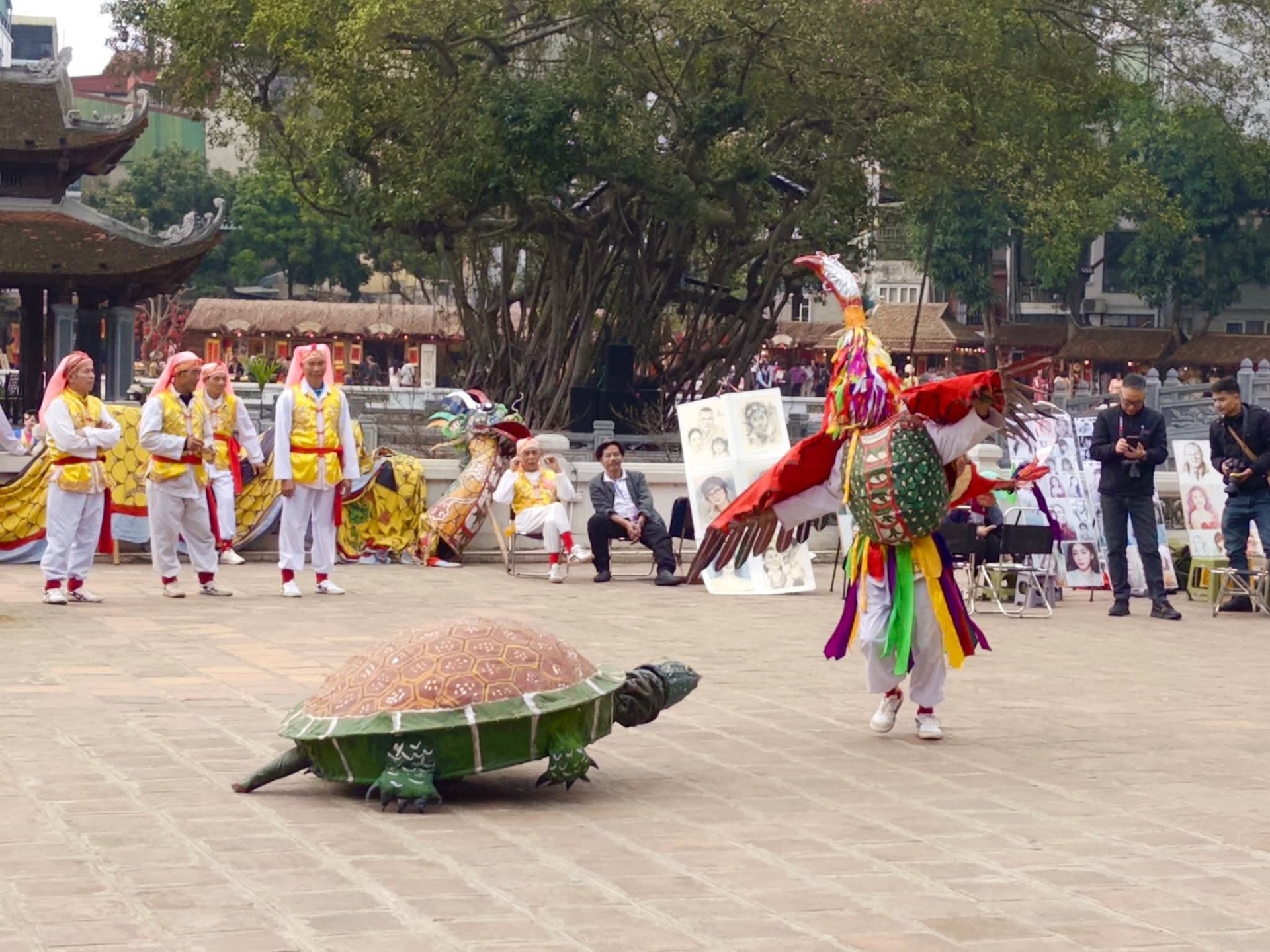
"As a densely populated area located on old, long-standing streets, it still preserves many traces of historical relics and long-standing cultural traditions. The lifestyle and daily activities of the residents have also been clearly defined for many generations," said Mr. Do Trong Nam.
Currently, the ward has 37 classified relics, including many valuable historical and cultural sites such as: the National Special Monument of Van Mieu - Quoc Tu Giam – Vietnam's first university; the National Special Monument of Kim Lien Temple – one of the "Four Guardian Temples of Thang Long". Other historical relics classified as national-level relics include: Bich Cau Dao Quan (1990), associated with legendary stories deeply rooted in Taoism; Huy Van Pagoda, Temple and Shrine (1996); Thang Long Medical Temple (1980); Ba Nanh Pagoda (1986); Pho Giac Pagoda (1991); Ngoc Ho Pagoda (1993); Quang Minh Pagoda (1993)...
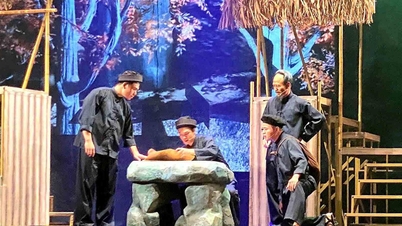
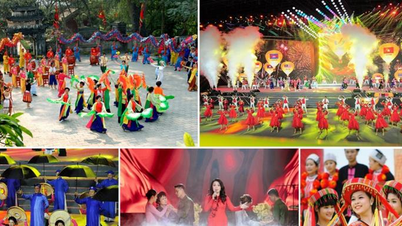
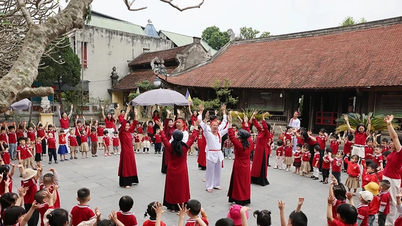
As an ancient inner-city area, Hanoi still preserves many typical traditional festivals such as: the Spring Calligraphy Festival at the National Special Monument of Van Mieu - Quoc Tu Giam (organized by the Hanoi Department of Culture and Sports ), lasting from the 15th day of the 12th lunar month until the end of the Lunar New Year with many activities such as calligraphy writing, couplet exhibitions, and experiencing traditional Tet culture; the Tho Quan communal house festival (held on the 11th and 12th days of the 2nd lunar month) with rituals, traditional art performances, sword and saber dances simulating the battle of the Trung Sisters' army; the Kim Lien temple festival (held on the 15th and 16th days of the 3rd lunar month)...
Promoting the value of historical relics and monuments.
Implementing major resolutions of the Central Committee and Hanoi City, especially the Resolution of the 14th National Party Congress, Resolution No. 02-NQ/TW of the Politburo on building and developing Hanoi in the new era, Resolution 80-NQ/TW on the development of Vietnamese culture, and Action Program No. 08-CTr/TU of the Standing Committee of the Hanoi City Party Committee, Van Mieu - Quoc Tu Giam ward is implementing many socio-cultural development plans, considering culture as an important resource in the local development strategy.
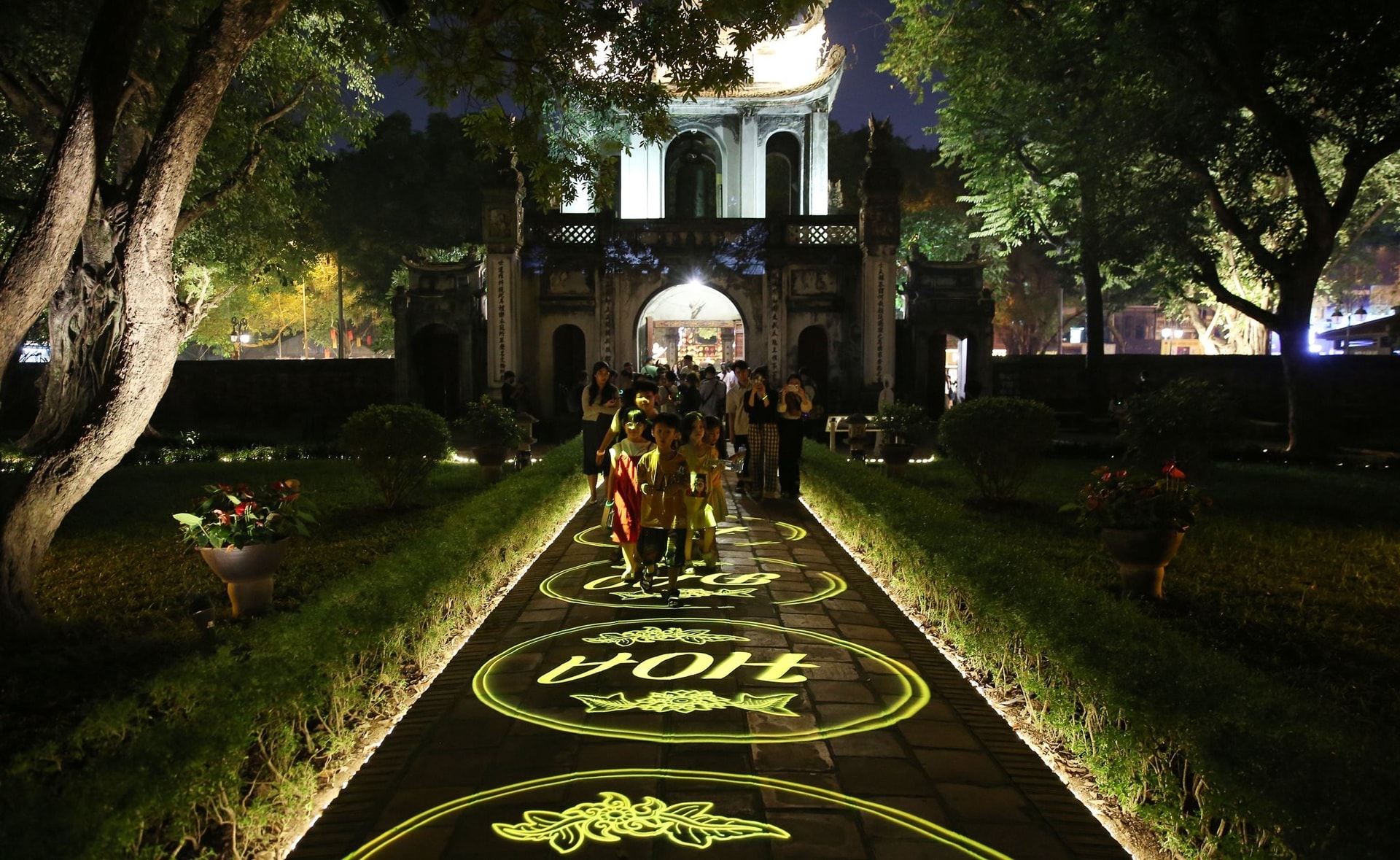
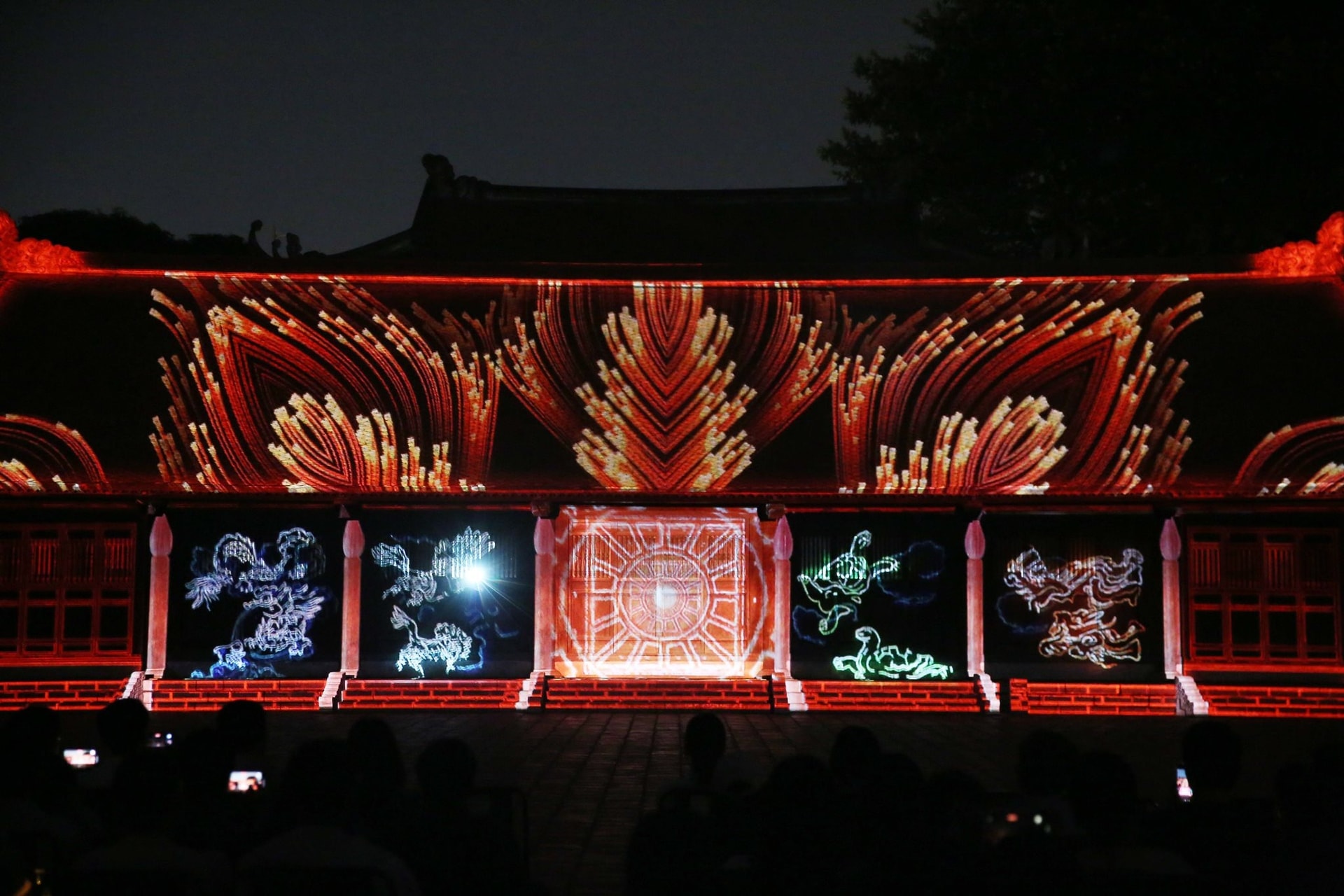
Some historical sites have proactively innovated and become attractive destinations, drawing millions of visitors each year. A prime example is the Temple of Literature - National Special Monument, which has applied digital technology in experiential activities, expanded its cultural space, and is gradually becoming a creative cultural center with its own unique characteristics of the capital city.
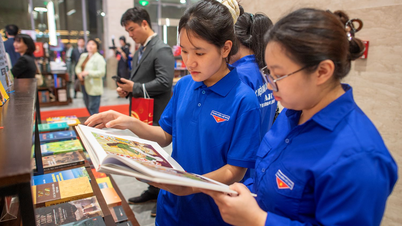
According to Le Xuan Kieu, Director of the Cultural and Scientific Activities Center of Van Mieu - Quoc Tu Giám, the center is constantly innovating its exhibition and visitor experience activities. Van Mieu - Quoc Tu Giám is the first historical site in Hanoi to develop a night tour called "The Quintessence of Philosophy," applying 3D mapping projection technology to expand the digital experience space.
In 2025, the Ho Van area will be renovated and restored, creating a connection with the inner temple area and becoming a new creative cultural space. The Ho Van space will become a hub for showcasing culture and art, with many events regularly organized such as: the Spring Calligraphy Festival, performances of traditional and contemporary art, introductions to Hanoi cuisine, art exhibitions, and workshops for young people.
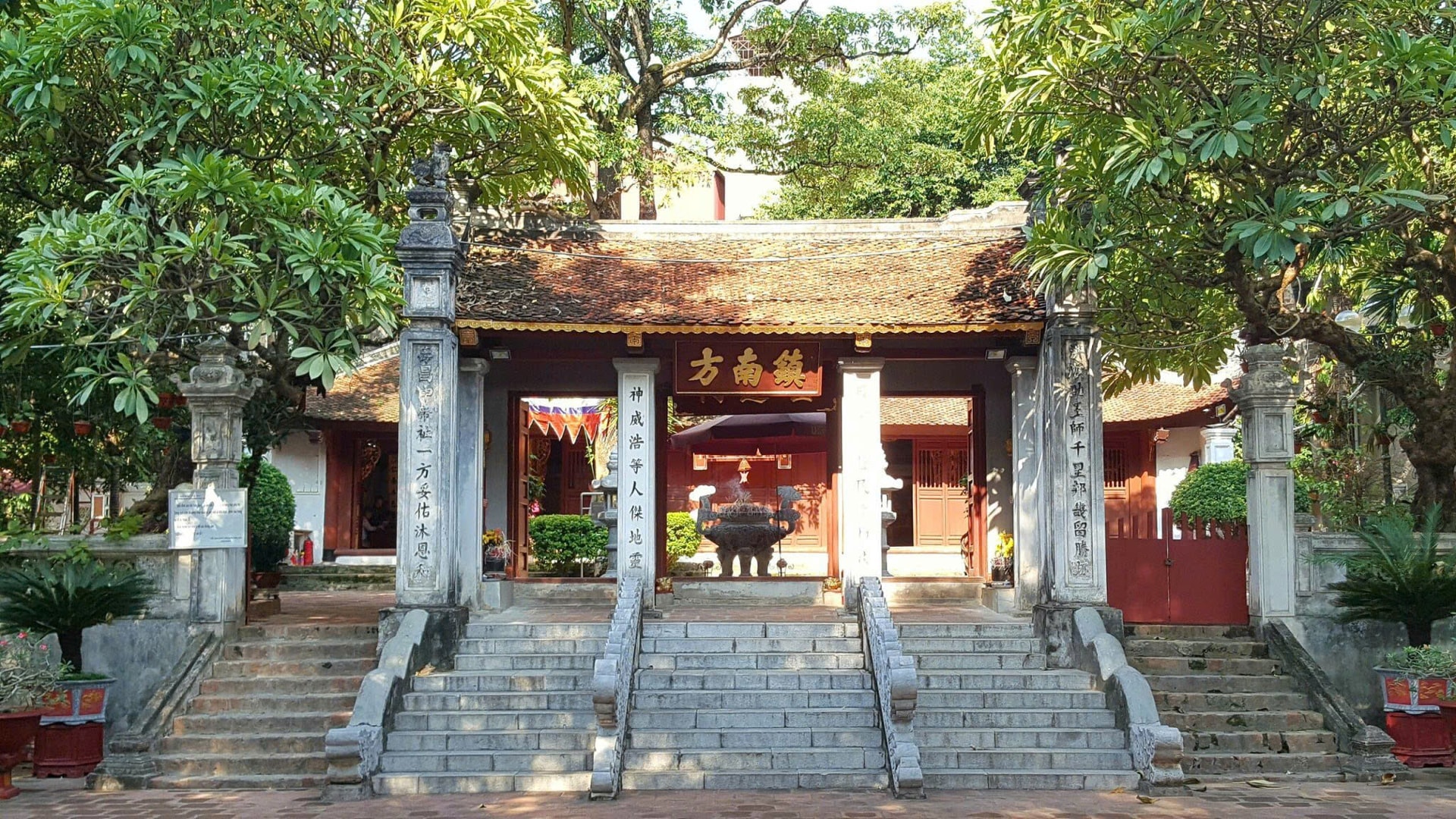
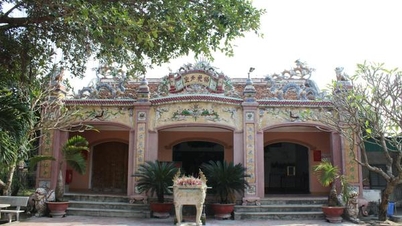
Along with the Temple of Literature - National University, the Kim Lien Temple (or communal house), a special national historical site, is also an attractive cultural and spiritual tourism destination in the capital. As one of the "Four Guardian Temples of Thang Long," Kim Lien Temple not only maintains religious activities but also serves as an important heritage education destination in the capital.
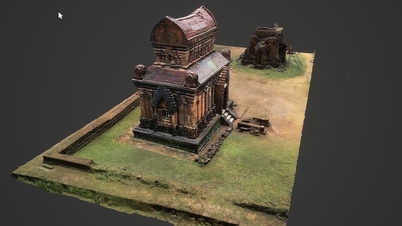
According to Do Trong Nam, Secretary of the Party Committee of Van Mieu - Quoc Tu Giam ward, in the coming time, implementing the resolutions of the Central Government and the city, especially Resolution 80-NQ/TW, the ward will develop a plan to promote the value of historical and cultural relics; build tours and routes connecting historical sites; and create a digital map of relics so that people and tourists can easily experience and explore the unique cultural features of Hanoi's historical inner city.
Source: https://hanoimoi.vn/danh-thuc-gia-tri-do-thi-co-cua-thu-do-742475.html































































Comment (0)