The mountain is associated with Jrai legends.
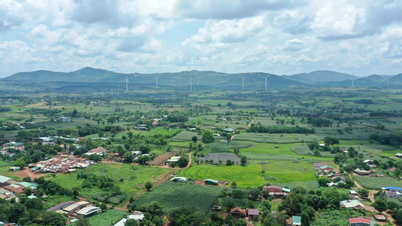
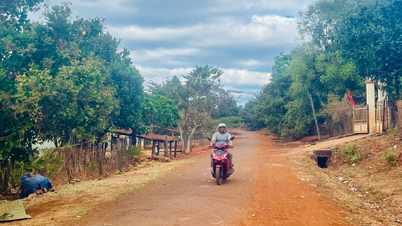
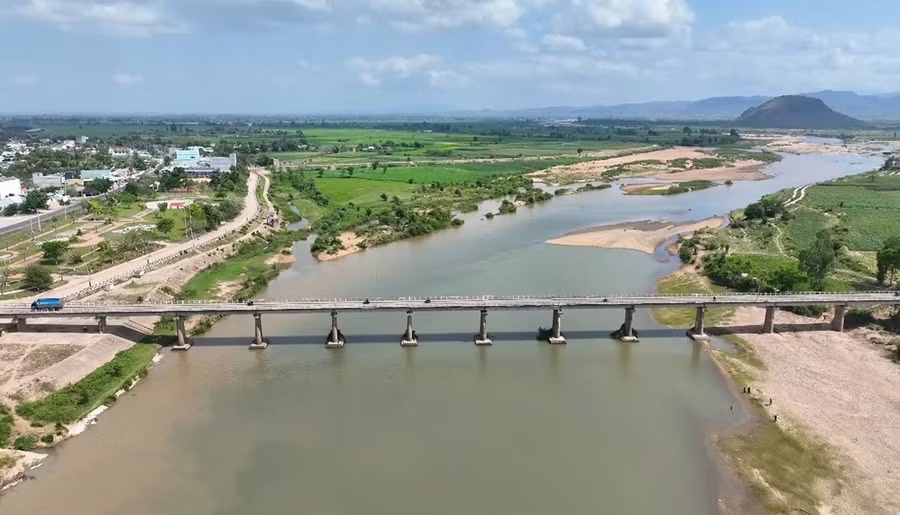
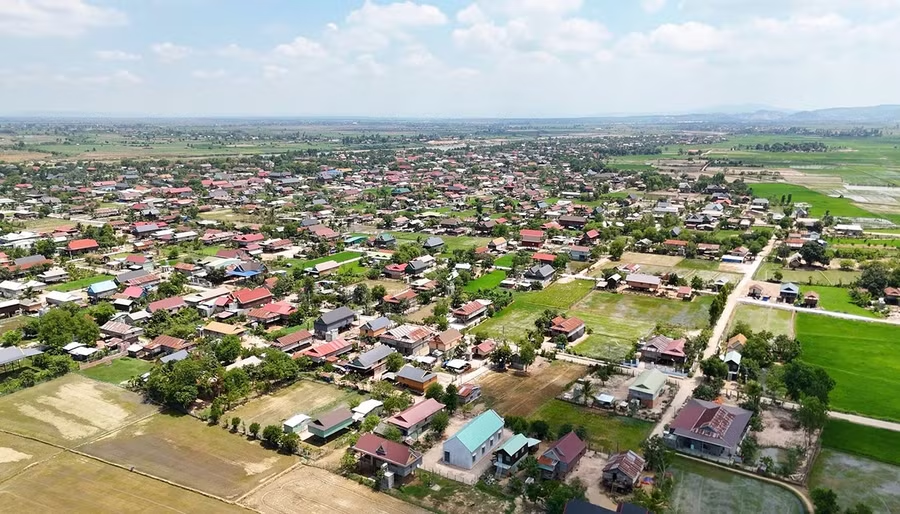
From the center of Ia Tul commune, looking into the distance, Chu Mo mountain stands out, isolated in the plain, creating a landscape that is both familiar and majestic. At the foot of the mountain lies the winding Ba River, sprawling fields, and peaceful Jrai villages.
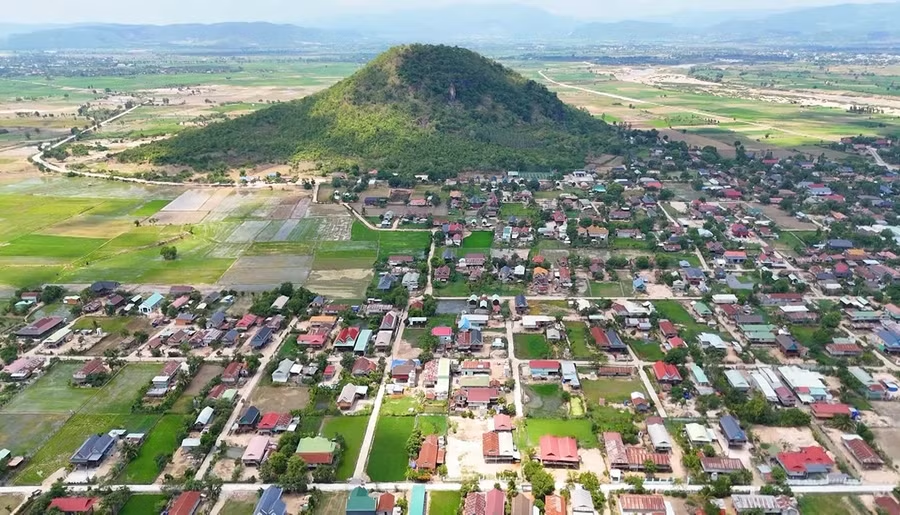
Besides its unique landscape, Chu Mo is also captivating due to the folk tales passed down through generations by the Jrai people. Mr. Ksor That (from H'Briu village) explains: "'Chu' means mountain, 'Mo' means girl. Chu Mo means 'Girl Mountain'. Previously, the full name of this mountain was 'Chu Mo H'Bia Cho Nang', where H'Bia means princess."
According to legend, long ago, in the Ayun Pa valley, there lived a close-knit and loving tribe. The women were skilled weavers of brocade, while the men were adept at farming, carving, and hunting. Their peaceful life meant they rarely considered preparing for lurking dangers.
The tragedy occurred when a powerful tribe from the setting sun, traveling down the Ayun River, raided and abducted many strong men, including Dam Doa, the newlywed husband of H'Bia Chơ Năng. Grieving for her husband, she gazed towards the setting sun day and night. Her tears flowed like a stream. She called upon people to carry stones and earth to build a higher vantage point to see her husband. From then on, Chư Mố Mountain appeared beside the Ba River.
Standing atop the mountain but still unable to see her husband, H'Bia Chơ Năng transformed her grief into a determination to protect her village. She advised her descendants to protect their land, their village, and their water source; at the same time, she formed a strong army, organized military training, stockpiled food, and prepared weapons.
Years later, when distant tribes continued their raids, her valiant army proactively fought back and defeated the invaders. This victory has been passed down through generations as a reminder of the importance of protecting one's ancestral land.
Today, Mount Chu Mo stands alone beside the Ba River, approximately 200 meters high, surrounded by ponds, lakes, and streams of varying sizes. According to legend, these are the tears of H'Bia Cho Nang as she wept for her husband. For the Jrai community here, the characters in the legends are not just folk tales but are also intimately connected to the spiritual life of the village.



Every year, during ancestral worship ceremonies, the villagers invite the spirits to come and eat and drink with them, praying for their protection so that the village may have peace, favorable weather, and a bountiful harvest. It is this layer of cultural heritage that makes Chu Mo not only a natural scenic spot but also a sacred space in the spiritual life of the Jrai people.
Opening up avenues for community-based tourism development.
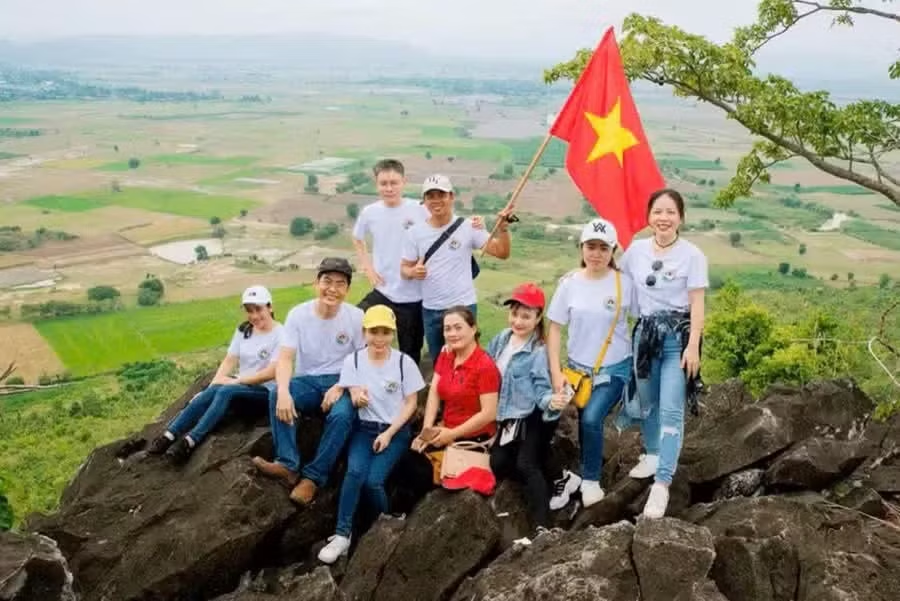
In recent years, Chu Mo Mountain has gradually become known as a new destination for trekking, sightseeing, and learning about traditional culture. From the mountaintop, visitors can overlook the land along the Ba River, feel the peacefulness of the villages, and experience the expansive beauty of the Central Highlands mountains and forests. This is an advantage for the locality to develop eco-tourism and experiential tourism products linked to community culture.
Recognizing the potential of Chu Mo, Ia Tul commune is gradually developing a tourism development plan that integrates with the natural landscape, ethnic cultural identity, and the lives of local people. This tourism development aims not only to promote the image of Chu Mo to tourists from near and far but also to create opportunities for livelihoods and increase income for the local population.
Mr. Rmah Khương (Ơi H'Trông hamlet, Ia Tul commune) shared: "If Chư Mố receives investment for tourism development, the people will prepare traditional dishes such as grilled chicken, grilled pork, cassava leaves, and traditional rice wine to serve tourists. In addition, the people will also have woven products and brocade fabrics to showcase and sell to visitors, thereby contributing to improving their livelihoods."
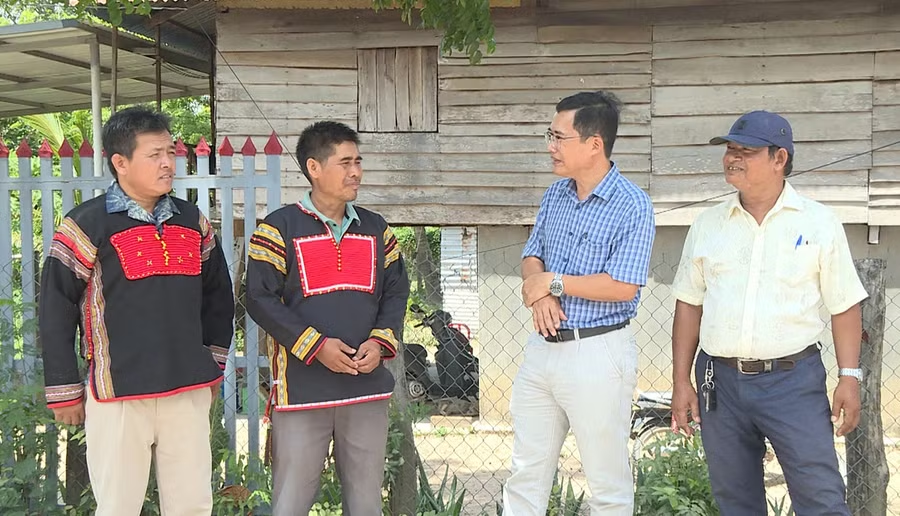
Sharing the same hope, Mr. Rmah Buong, head of A Ma Lim village (Ia Tul commune), said: "Local people are very hopeful that Chu Mo will receive investment to become a community tourism destination. If tourism develops, people will not only have more income but also more motivation to preserve the gong culture, weaving, brocade making, and traditional customs of their ethnic group."
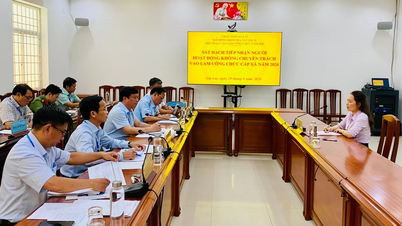
According to Mr. Phan Van Duc , Chairman of the People's Committee of Ia Tul commune, the local government has planned the area around Chu Mo mountain to become a key tourist destination of the commune. This is a sacred mountain, associated with legends and the cultural life of the local people. The people in the surrounding area are always conscious of preserving and protecting the mountain, considering it a place of refuge and closely connected to their community life.



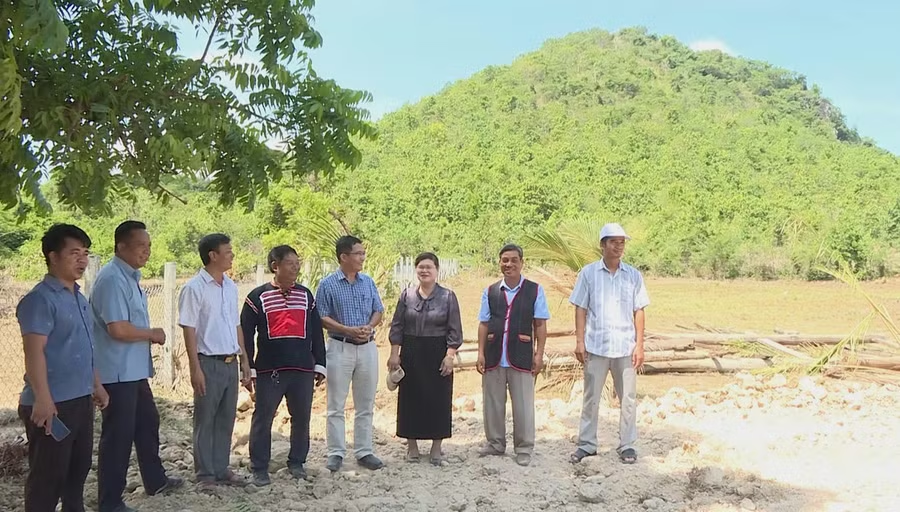
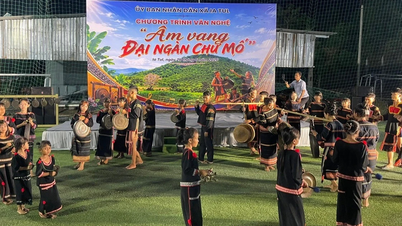
“In the coming time, Ia Tul commune plans to organize cultural activities, exhibitions of ancient artifacts, gong performances, and mountain climbing experiences to promote the image of Chu Mo. Through these activities, tourists can enjoy the sounds of gongs, learn about the ancient artifacts of the Jrai people, and participate in a journey to explore the natural landscape,” - the Chairman of the People's Committee of Ia Tul commune expressed his expectations.
The tourism potential of Chu Mo is gradually being awakened. However, for that potential to become an attractive tourism product, the locality needs appropriate investment in infrastructure and services, as well as training in tourism skills and environmental protection for the local people.
If developed sustainably, Chu Mo will not only become an attractive destination in Gia Lai but also contribute to preserving traditional cultural values, creating livelihoods for the people, and promoting local socio-economic development.
Source: https://baogialai.com.vn/danh-thuc-tiem-nang-du-lich-chu-mo-post590730.html