Experiment with coffee "ink".
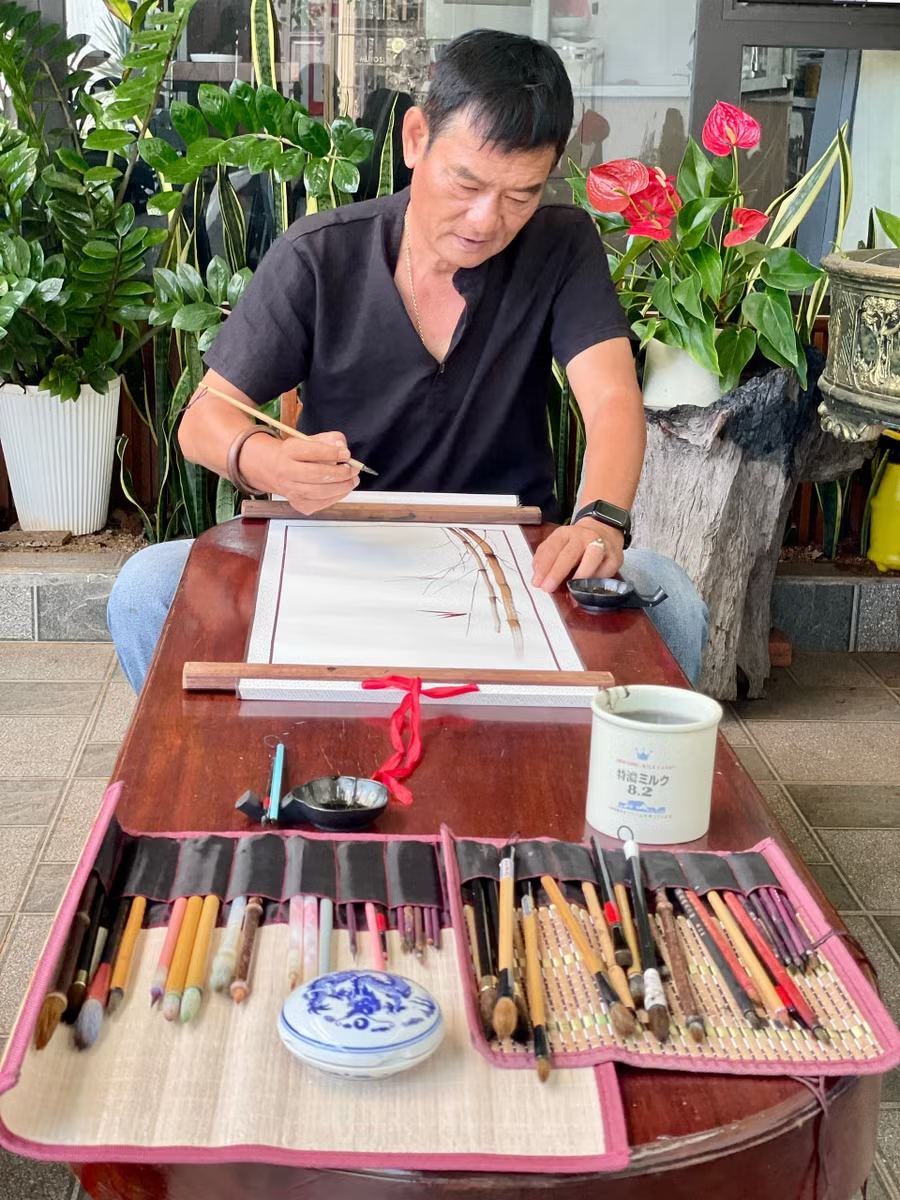
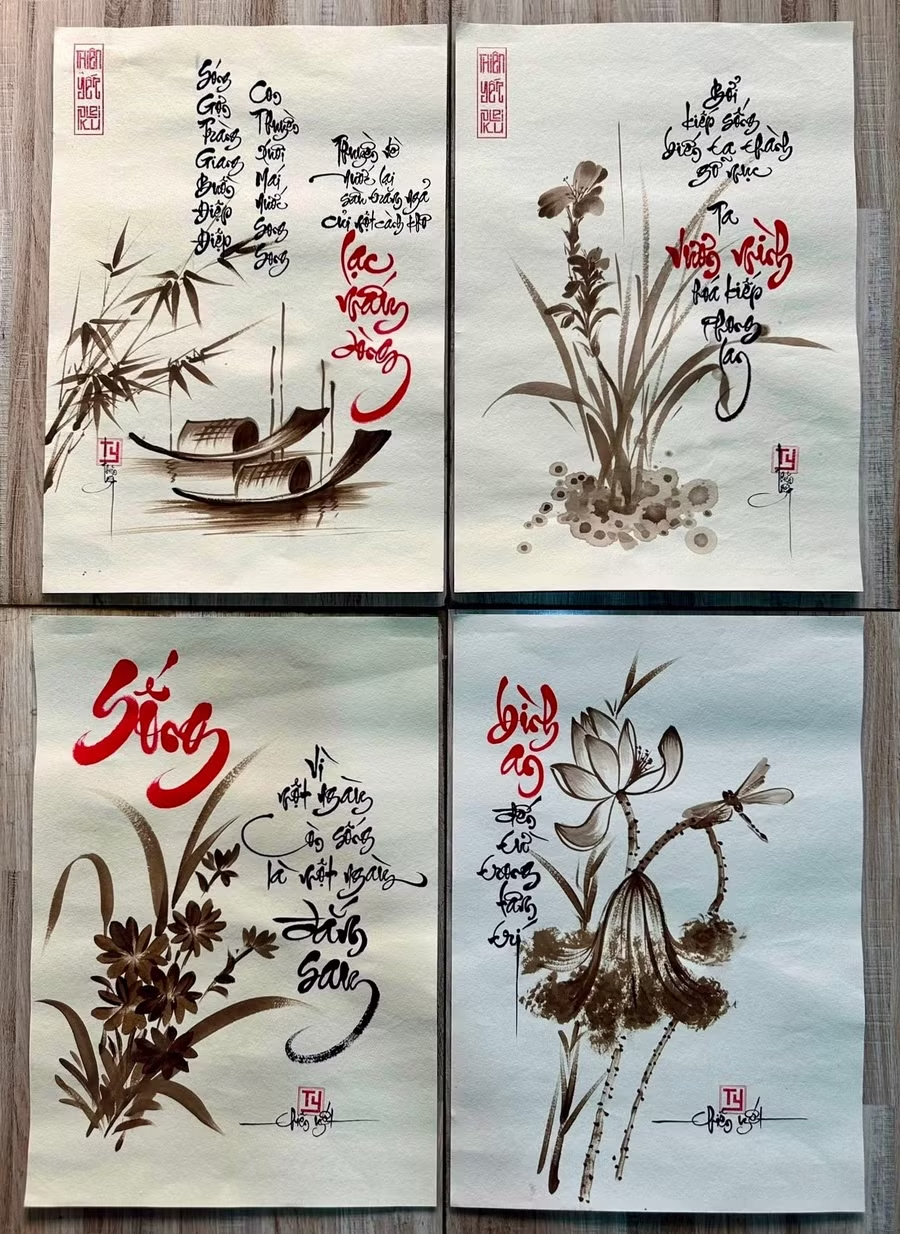
Laying the paper flat on the table, instead of dipping the brush into the inkwell as usual, Mr. Dung dipped it into concentrated coffee solution. Each brushstroke, with the characteristic reddish-brown color of coffee, "flew" across the paper to create a beautiful, symbolic painting depicting plum blossoms, orchids, bamboo, chrysanthemums, flowers like lotus and night-blooming cereus, or scenes of leisurely boats on a lake…
Next, Ms. Phan Thi Kim Thanh, Vice Head of the Pleiku Calligraphy Club, carefully placed her brush on each calligraphic character using coffee "ink," with a few accents added with cinnabar ink. A unique calligraphic painting emerged, captivating both the eye and the nose. The profound emotion stemmed not only from admiration for the exquisite calligraphy and traditional cultural values but also from the subtle aroma of coffee from this basaltic land.
Naturally, in a coffee-producing region like Gia Lai , all products made from this bean receive attention, and calligraphy painted with coffee ink is one of them. Mr. Vu Hong Phuong (Nguyen Thi Dinh Street, Thong Nhat Ward) enthusiastically commented: “This is the first time I’ve seen coffee used as ink. The muted, gentle tones of coffee perfectly complement the classical style of calligraphy, giving the artwork depth and impact. I’m also learning calligraphy, so I’ll try using coffee as ink.”
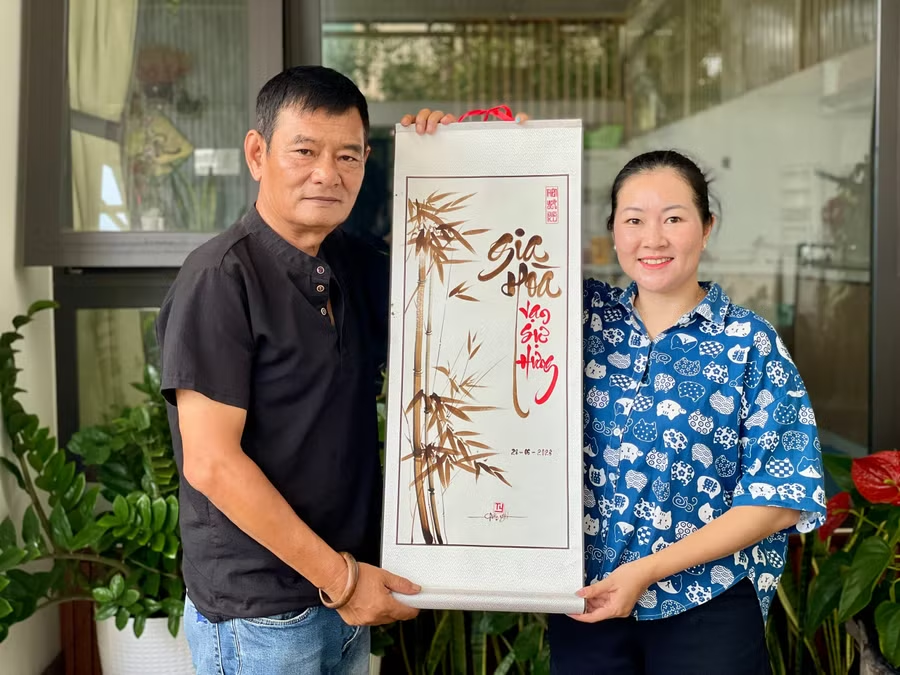



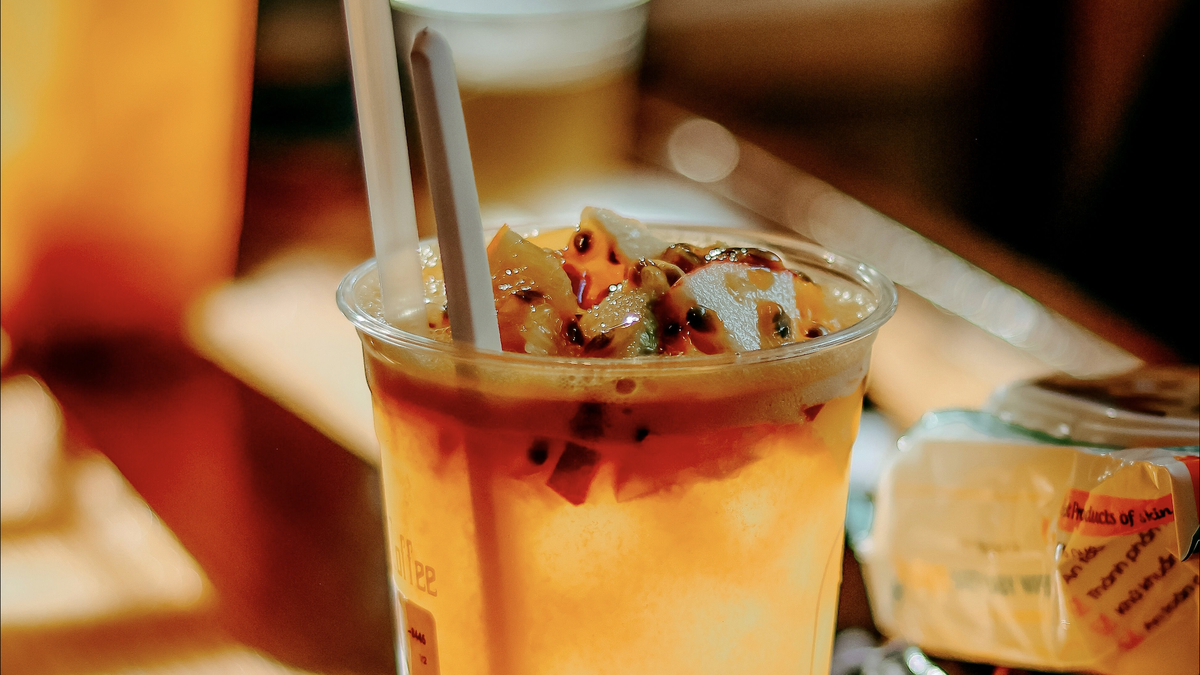
Sharing her method for making coffee "ink," Ms. Kim Thanh explained that she continuously cooks and filters a large quantity of coffee grounds collected from several familiar cafes until it thickens like ink. This process takes much longer than using ink with a similar color to coffee, but the effect exceeds expectations. When drawing or writing calligraphy, the ink is diluted with water depending on the desired shade.
Concerned about the colorfastness of the coffee "ink," Ms. Thanh showed us some calligraphy paintings she had created with coffee ink a year ago. They looked as if they had been painted just yesterday.
Unique tourism products
Following the success of this experiment, the head of the Pleiku Calligraphy Club announced that in September 2026, at a Japanese calligraphy exchange program held in Ho Chi Minh City, he and other club members will be invited to practice and promote calligraphy painted with coffee ink. According to Mr. Dung, this will be a unique feature of Gia Lai calligraphy if it is featured at major cultural and tourism events both within and outside the province.
Ms. Le Thi Dung (Le Duan Street, Hoi Phu Ward) enthusiastically said: “I didn't think coffee grounds could be recycled into drawing ink and used to create such wonderful works of art. It's very interesting and innovative! In my opinion, this could be a meaningful gift for friends from afar visiting Gia Lai. Calligraphy paintings made with coffee ink should also be widely introduced at tourist product stores in Pleiku.”



From the creative idea of combining calligraphy art with Central Highlands coffee, Mr. Dung also discussed the idea of using coffee beans roasted at different temperatures to create calligraphy paintings. "If you can make paintings from rice, then coffee is also a great material," Mr. Dung said. Clearly, these will be unique tourism products that easily attract visitors to Gia Lai, especially those who love coffee culture.
Source: https://baogialai.com.vn/hoa-tranh-thu-phap-bang-muc-ca-phe-post590766.html























































![[INFOGRAPHICS] Can Tho implements the Strategy for Ethnic Affairs until 2030, with a vision to 2045](https://vphoto.vietnam.vn/thumb/402x226/vietnam/resource/IMAGE/2026/06/28/1782658308447_1782658217.webp)