

People experiencing facial asymmetry, a crooked mouth, or inability to close their eyes completely may have paralysis of the 7th cranial nerve and should seek medical attention.
The seventh cranial nerve is responsible for controlling movement on one side of the face. While not life-threatening, if left untreated, this condition can lead to spastic paralysis, affecting facial expression and aesthetics. Patients may experience facial asymmetry, hemifacial spasms, inability to close the eye completely, corneal ulcers, and facial distortion.
Dr. Nguyen Xuan Thang, Head of the Rehabilitation Department at Tam Anh General Hospital in Ho Chi Minh City, advises patients to see a doctor as soon as possible if they experience symptoms such as inability to retain water in their mouth when rinsing or brushing their teeth; a gritty feeling in the eyes; facial asymmetry, especially when smiling or talking.
Upon arrival at the hospital, the doctor checks the patient's clinical signs, including whether the mouth can hold air when puffing; a deviated philtrum; whether the natural wrinkles in the smile lines and forehead on one side of the face are blurred or absent; checking the sensation of the tongue; tinnitus, pain, or yellow discharge from the ear... In addition, the patient may be prescribed other necessary tests.
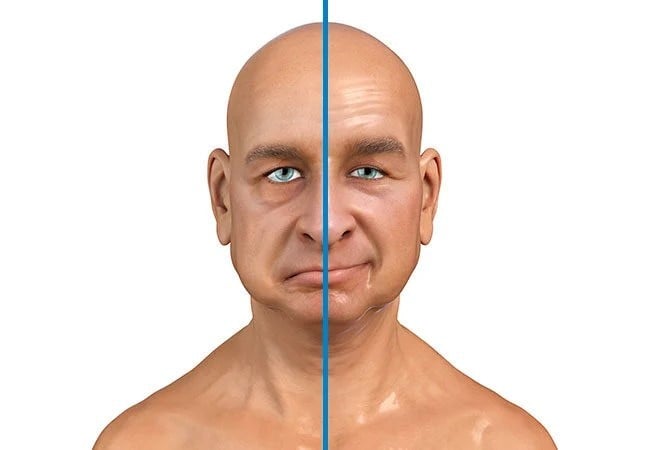
Illustration of half the face of a person with facial nerve paralysis (left) and a normal face. Photo: Cleveland Clinic
Dr. Thang explained that different treatment methods are used depending on the cause and severity of the disease.
Use medication
For individuals with unexplained facial nerve paralysis (cranial nerve VII), early treatment with corticosteroids is crucial. These medications help reduce inflammation and swelling, thereby minimizing nerve damage caused by inflammation.
In cases of viral infections, primarily shingles, doctors may prescribe antiviral medication. Nerve damage from shingles is irreversible even after the virus is eradicated. Patients need treatment within the first 72 hours to slow progression and reduce the risk of serious complications.
If a bacterial infection causes middle ear inflammation, leading to paralysis of the 7th cranial nerve, the patient is treated with antibiotics.
Physiotherapy
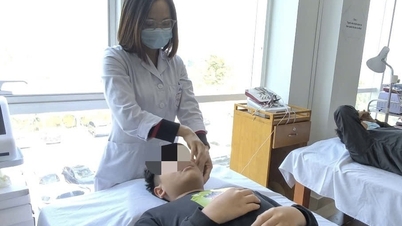
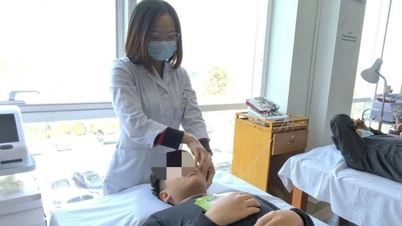
This is a treatment method for all patients with facial nerve paralysis (cranial nerve VII), regardless of the cause. Physical therapy includes muscle exercises, massage, electrical stimulation, etc., to restore muscle strength and coordination between facial muscles, helping these muscles to function again as soon as possible after paralysis.
Surgery
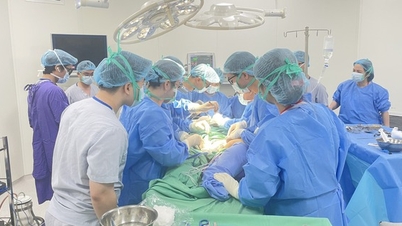
Neuromuscular transfer and grafting surgery helps restore some degree of facial symmetry and ensures aesthetic appeal. This is a commonly applied solution for patients with facial nerve paralysis (cranial nerve VII) who do not fully recover or recover poorly. Dr. Thang assesses this as a difficult technique that requires specialized microsurgeons in plastic and reconstructive surgery.
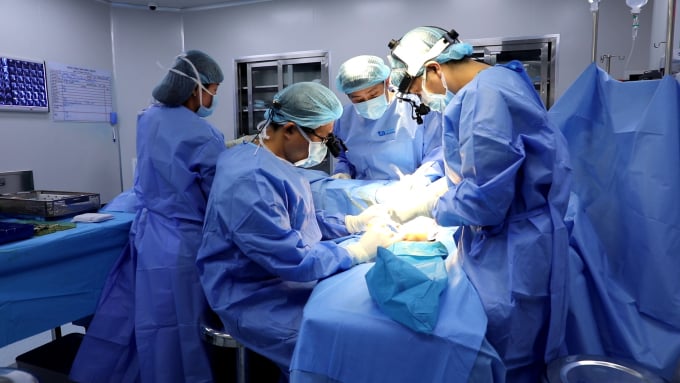
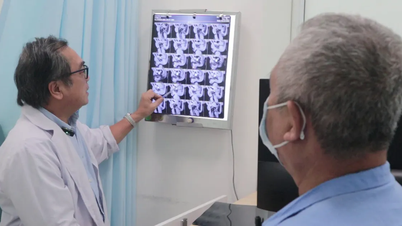
A neurosurgeon at Tam Anh General Hospital. Photo: Provided by the hospital .
Dr. Thang stated that the symptoms of facial nerve paralysis (cranial nerve VII) may not appear simultaneously and vary in severity. However, patients should seek medical attention promptly to avoid complications.
In daily life, avoid certain habits that can lead to this condition, such as sudden cold showers or showering after drinking alcohol. Keep your face and ears warm when exposed to strong winds and cold air. Manage diabetes, hypertension, and dyslipidemia effectively. Get enough rest and avoid staying up late or excessive stress.
Phi Hong
Source link
































































































Comment (0)