

Ninh Binh is not only a land blessed by nature with many unique and beautiful landscapes, but also boasts the ancient capital of Hoa Lu, with its thousand-year history, rich in history and culture. This is considered a source of strength and a driving force for socio -economic development. In the context of strong international integration, building a brand for this heritage is a crucial task to preserve and promote the valuable traditions of our ancestors, creating a resource to define Ninh Binh's identity and build a local brand.
A land where heritage converges.
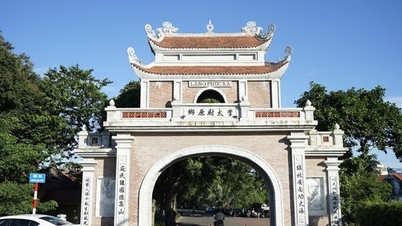
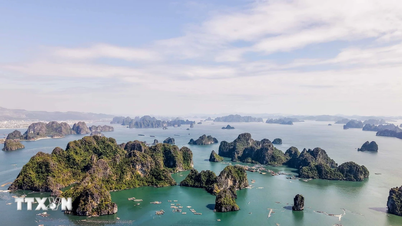
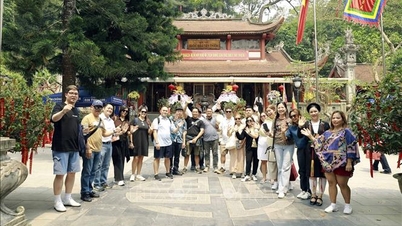
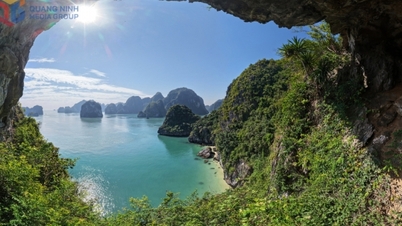
Ninh Binh proudly boasts being the first capital of the centralized feudal state in Vietnam in the 10th century, the birthplace of the Dai Co Viet state, a land associated with the careers of six kings from three dynasties - Dinh, Early Le, and Ly - with glorious historical imprints of the nation, along with a rich and diverse system of tangible and intangible cultural heritage. Many historical and cultural relics and scenic spots have become attractive tourist destinations, playing an important role in economic development, such as: Hoa Lu Ancient Capital, Tam Coc - Bich Dong, Non Nuoc Mountain, Bai Dinh Pagoda, Phat Diem Stone Church, Van Long Wetland Nature Reserve, Trang An Scenic Landscape Complex, a World Cultural and Natural Heritage Site...
Ninh Binh 's traditional arts and culture are rich and diverse, becoming an indispensable source of spiritual nourishment for every citizen. These include the simple, rustic Xam folk songs, the smooth and heartfelt Cheo opera melodies passed down from generation to generation, and the folk songs of the Muong ethnic group... all affirming the enduring value and vibrant vitality of these traditional art forms deeply rooted in folk culture.
Ninh Binh is the birthplace of King Dinh Tien Hoang, Ly Dynasty National Master Nguyen Minh Khong, Grand Tutor Truong Han Sieu, Scholar Vu Duy Thanh, Minister Pham Than Duyat… Throughout history, many heroes, famous figures, military leaders, scientists, politicians, armed forces generals, scholars, cultural figures, and artists from Ninh Binh have made significant contributions to the building and development of their homeland and country.
Architectural art throughout history is also reflected in cultural, religious, and spiritual architectural works such as the Nguyen Saint Temple, the Temple of King Dinh Tien Hoang and the Temple of King Le Dai Hành, Phat Diem Stone Church, Thai Vi Temple... Distinctive traditional cultural festivals include: Hoa Lu Festival, Binh Hai Temple Festival, Bao Ban Village Festival in Non Khe, Thai Vi Temple Festival....
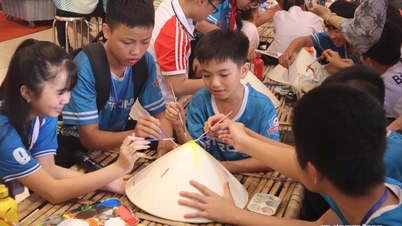
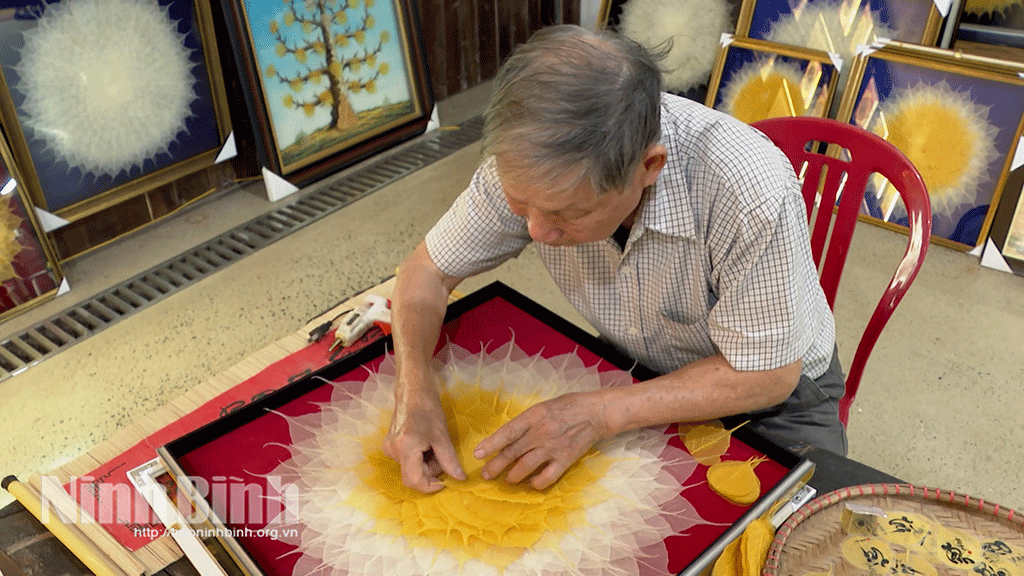
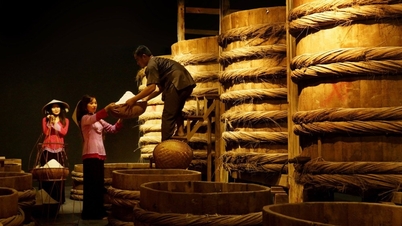
Traditional crafts such as Ninh Hai lace embroidery, Kim Son sedge weaving, Ninh Van stone carving, and Bo Bat pottery, in addition to their economic value, also contain cultural and artistic values from various historical periods. This represents the potential and resources for Ninh Binh to build a cultural heritage brand with strong recognition and competitiveness.
We need to build a brand for our heritage.
Over the past period, Ninh Binh province has issued and implemented many projects and plans to preserve and promote cultural heritage values, contributing to raising community awareness in preserving and promoting cultural heritage in the province.
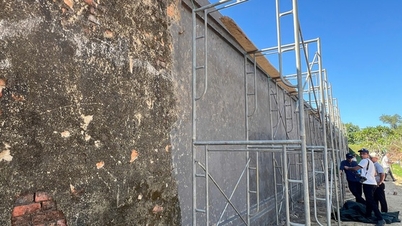
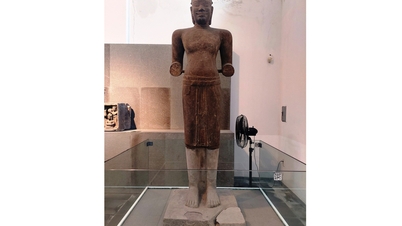
According to statistics from the Department of Culture, the province has 1,821 inventoried relics, of which 395 have been classified, including 314 provincial-level relics, 81 national-level relics (including 3 special national relics, 1 world cultural and natural heritage site), and 5 national treasures. Many historical and cultural relics and scenic spots have been and are being invested in, restored, and upgraded to serve the religious needs of the people and to serve tourists for sightseeing and research.
Every year, using various funding sources, the province provides state budget support for the restoration and preservation of dozens of historical sites. Particularly in recent years, the movement to socialize the restoration and preservation of historical sites has been enthusiastically embraced by all sectors of the population. Many sites have received support and donations from the people. On average, 20-25 historical sites in the province undergo restoration and preservation through social mobilization each year.
Archaeological sites in the province are also very diverse and rich in historical and cultural value. Ninh Binh is proud to be the place that preserves the Hoa Lu Ancient Capital cultural heritage. From 2020 to 2022, the Department of Culture and Sports collaborated with experts to carry out archaeological research tasks "Research on the history of the Gia Thuy area from the beginning of the Common Era to the Dai Co Viet State period" and "Research on the history of the area from the Boi River confluence to the Hoa Lu Ancient Capital". They conducted 5 excavation campaigns of brick tombs in Gia Thuy, Gia Lam, Gia Tuong communes (Nho Quan district), Lien Son commune (Gia Vien district), and many other locations in the Hoa Lu Ancient Capital historical and cultural relic site. In addition, Ninh Binh has one archaeological site, Man Bac (Yen Thanh commune, Yen Mo district), which is classified at the provincial level. Archaeological research conducted continuously for 8 years (starting in 2007) at the Trang An Scenic Landscape Complex has uncovered 30 archaeological sites with traces of prehistoric human habitation.
The archaeological research results indicate that Ninh Binh province, during the first ten centuries AD, experienced vibrant activities and quickly became one of the historical, political, cultural, and social centers that made significant contributions to the formation of the nation and its people. This provides new and important insights into Ninh Binh during the first ten centuries AD and the Hoa Lu capital in the 10th century within the course of history.
Furthermore, the province boasts a rich variety of intangible cultural heritage, including folk performing arts, folk knowledge, traditional crafts, traditional festivals, social customs, language, writing, and folk literature. Currently, the province has 430 inventoried intangible cultural heritage items; 4 have been included in the national intangible cultural heritage list; the province is also located within the practice area of the Vietnamese Mother Goddess worship tradition, which has been included by UNESCO in the list of representative intangible cultural heritage of humanity; 8 artisans have been awarded the title of "Outstanding Artisan" by the President in the field of intangible cultural heritage, specifically in the folk performing arts category; and in the field of traditional craft villages, 36 artisans of Ninh Van stone carving (Hoa Lu) have been honored.
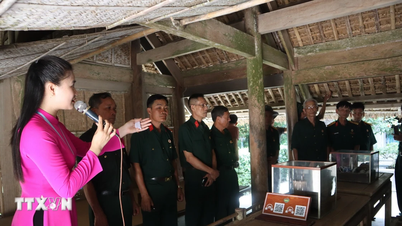
It is evident that Ninh Binh's cultural heritage is very rich, but to create core values, it is necessary to research and build a heritage brand. Building a cultural heritage brand must be based on the local cultural heritage resources. For the heritage to continue through time, it is essential to effectively preserve and promote the historical, cultural, and human values of the ancient capital of Hoa Lu, thereby establishing the unique identity of Ninh Binh province.
Nguyen Thom
Source

![[Photo] General Secretary and President To Lam presides over the meeting to approve the draft report on the results of the second inspection by the Politburo of the Standing Committee of the Hanoi City Party Committee.](https://vphoto.vietnam.vn/thumb/1200x675/vietnam/resource/IMAGE/2026/05/26/1779789811432_a2-bnd-4430-9620-jpg.webp)



















































Comment (0)