

 |
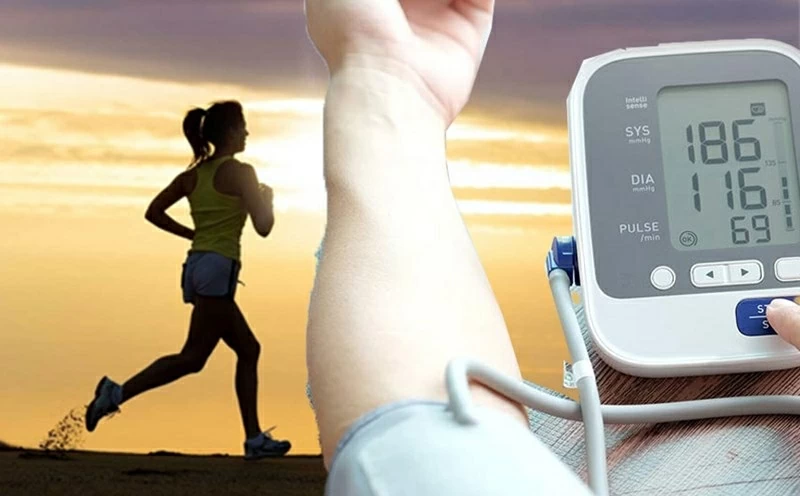
| Increase physical activity to effectively control blood pressure. |
In addition to adhering to medication as prescribed by your doctor, you should adopt a lifestyle and diet that helps control blood pressure.
Below are some natural remedies that have been proven to help lower blood pressure and protect cardiovascular health.
1. Increase appropriate physical exercise and sports activities.
Physical activity is one of the most effective ways to lower blood pressure. During exercise, the heart has to work harder to pump oxygenated blood to the body, causing a temporary increase in blood pressure. However, after exercise, blood pressure will gradually decrease and stabilize. The faster blood pressure returns to its resting level, the healthier the cardiovascular system is.
Regular exercise also helps reduce stress, improve sleep quality, maintain a healthy weight, and lower the risk of diabetes and many other chronic diseases.
The recommended form of exercise for people with high blood pressure is moderate-intensity aerobic exercise such as brisk walking, cycling, swimming, or aerobics. It should be maintained at 30–60 minutes per day, or at least 150 minutes per week.
2. Lose weight if you are overweight or obese.
Being overweight or obese not only increases blood pressure but is also linked to many chronic diseases such as diabetes, dyslipidemia, fatty liver disease, kidney disease, and cardiovascular disease.
Studies show that, on average, losing 1 kg of weight can help lower blood pressure by about 1 mmHg. Therefore, healthy weight loss is one of the important measures to improve blood pressure levels.
Besides overall weight, waist circumference is also an important factor to consider. Abdominal obesity is defined as a waist circumference greater than 102 cm in men and greater than 88 cm in women. However, for Asians, maintaining a waist circumference below 90 cm in men and below 80 cm in women is recommended to reduce the risk of cardiovascular disease.
Weight loss should be achieved through a healthy diet combined with regular exercise. If necessary, patients should consult a nutritionist to develop a suitable plan.
3. Reduce salt intake.
Vietnamese people currently consume nearly twice the amount of salt recommended by the World Health Organization (WHO). The WHO recommends that each person should consume less than 5 grams of salt per day (about one teaspoon).
Eating salty foods causes the body to retain more water, increasing circulating volume and putting more pressure on the blood vessel walls. For people with hypertension, sodium intake should be limited to an optimal level of approximately 1,500 mg/day.
It's important to note that salt isn't just refined salt; it's also found in fish sauce, seasoning powder, bouillon cubes, soy sauce, and many other condiments. Additionally, processed foods, canned goods, pickled foods, smoked foods, and fast food also contain very high amounts of sodium.
Carefully reading nutrition labels, prioritizing home cooking, and limiting eating out are effective ways to control salt intake.
4. Adopt a healthy diet.
The DASH diet has been shown to be effective in controlling blood pressure. Its basic principles include: Increasing intake of green vegetables, fresh fruits, and whole grains; Using low-fat milk and dairy products; Limiting saturated and trans fats; Prioritizing fish, lean meats, and legumes; and Drinking enough water daily.
In particular, it is necessary to supplement with foods rich in potassium (aiming for approximately 3,500–5,000 mg/day), as potassium helps the body eliminate sodium and reduce pressure on blood vessel walls. Potassium is abundant in leafy green vegetables, broccoli, tomatoes, potatoes, sweet potatoes, bananas, oranges, grapefruits, beans, and nuts.
5. Limit alcohol consumption.
Although some studies suggest that small amounts of alcohol may be beneficial for cardiovascular health, alcohol cannot be considered a preventative measure. In fact, alcohol increases the risk of high blood pressure and causes many other health problems.
According to the Ministry of Health's recommendations, men should not drink more than 3 standard units of alcohol per day and 14 units per week; women should not drink more than 2 units per day and 9 units per week. One standard unit of alcohol is equivalent to 10 grams of ethanol, which is approximately 330 ml of beer, 120 ml of wine, or 30 ml of spirits. However, for people with high blood pressure, it is best to minimize or avoid alcohol consumption.
6. Stress management
Prolonged stress causes the body to release more stress hormones, leading to a faster heartbeat and higher blood pressure. Therefore, managing emotions is a crucial factor in controlling blood pressure.
Some ways to reduce stress include: Practicing yoga or meditation; taking walks outdoors and practicing deep breathing; organizing your work effectively and avoiding multitasking; dedicating time to personal hobbies; meeting and talking with family and friends; and seeking professional help if stress persists.
7. Get enough sleep.
Blood pressure naturally decreases during sleep. If you don't get enough sleep, your body doesn't have enough time to recover, leading to abnormal blood pressure fluctuations.
Adults should get 7–9 hours of sleep each night. To improve sleep, you should: Go to bed and wake up at the same time every day; Avoid using electronic devices before bed; Do not drink coffee or tea for at least 6 hours before bed; Do not eat close to bedtime; Keep your bedroom quiet and cool.
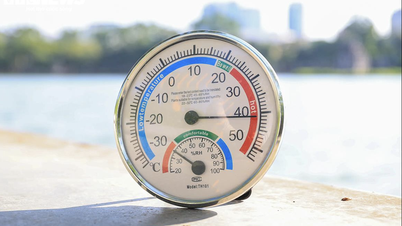
8. Avoid sudden exposure to cold.
When the body is exposed to sudden cold, blood vessels constrict, causing blood pressure to rise rapidly, which can lead to dangerous cardiovascular events.
People with high blood pressure should avoid taking cold showers, especially in the evening. When the weather turns cold, it's important to keep your body warm, especially your head, neck, chest, and feet. In the morning, avoid going out into the cold immediately after waking up.
In summary: These natural remedies can help lower blood pressure and prevent disease progression. In many cases, a healthy lifestyle can also reduce the amount of medication needed.
However, patients should not stop taking medication or change the dosage without a doctor's instruction. Regular blood pressure checks, scheduled check-ups, and screening for complications are essential.
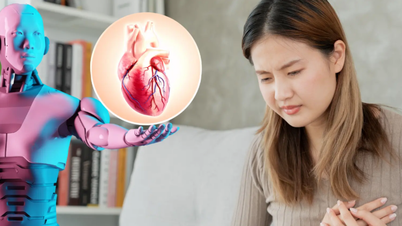
Controlling blood pressure is not just about adjusting one number; it's a process of protecting the heart, brain, kidneys, and the entire circulatory system. Taking proactive steps today is the most effective investment in long-term health.
Source: https://baoquocte.vn/de-kiem-soat-huyet-ap-hieu-qua-361053.html



























































































Comment (0)