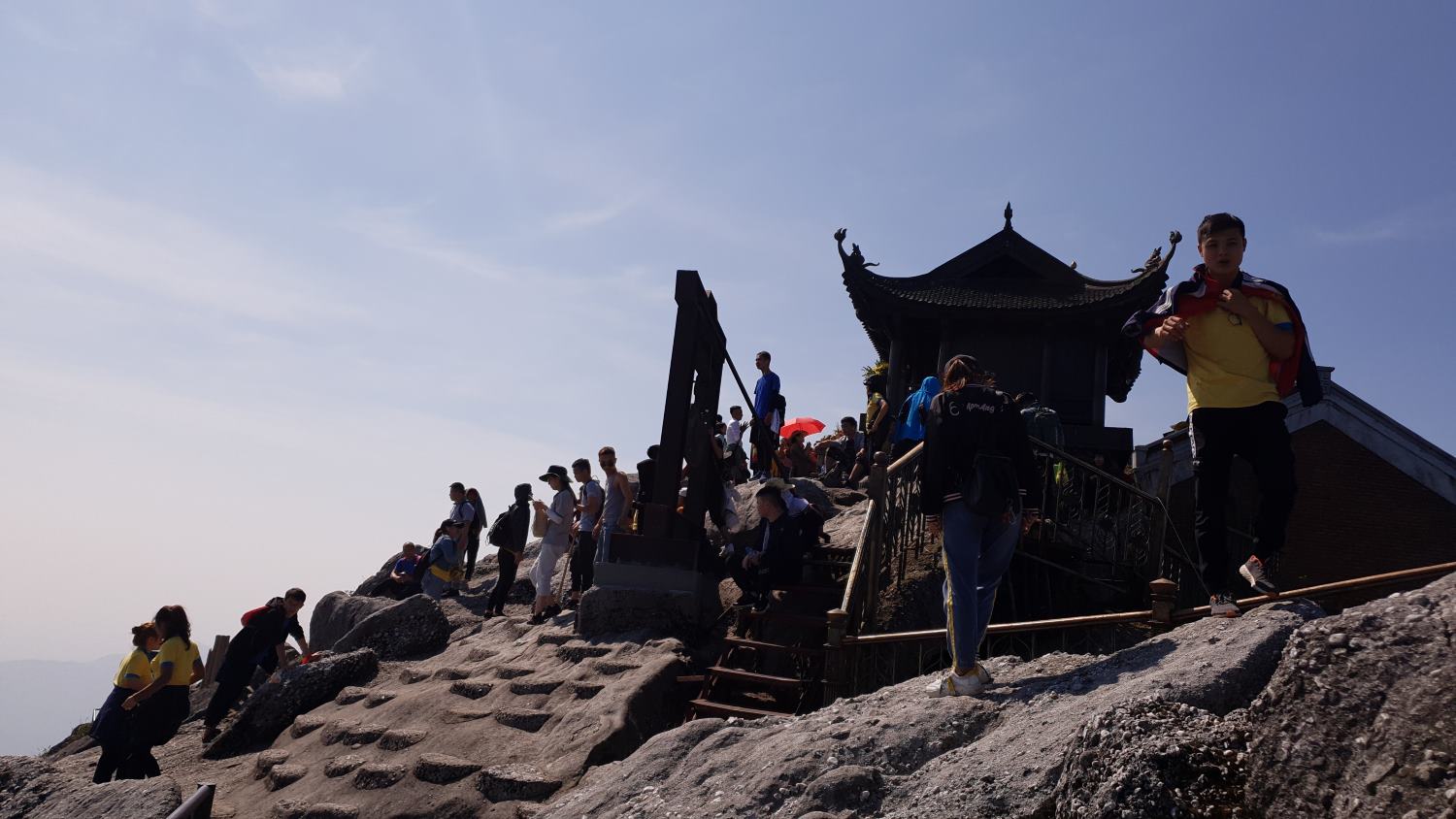
Dong Pagoda on the sacred Yen Tu mountain. Photo: Nguyen Hung
The Management Board of the Ha Long Bay - Yen Tu World Heritage Site is seeking feedback on the draft Resolution of the Quang Ninh Provincial People's Council on amending and supplementing some contents regarding entrance fees to scenic spots in Quang Ninh province under the authority of the Provincial People's Council.
Specifically, it is proposed that the Quang Ninh Provincial People's Council consider adjusting the current entrance fee to the Yen Tu historical and scenic site to 0 VND for three years (2026, 2027, and 2028).
This demonstrates the province's gratitude to all segments of the population, including monks, nuns, Buddhists, and visitors from all over, for their contributions to protecting, preserving, restoring, and building the dossier for UNESCO's recognition of Yen Tu as a World Cultural Heritage site.
This proposal aligns with the needs and desires of all segments of the population, including monks, nuns, Buddhists, and tourists, regarding visiting heritage sites and performing Buddhist rituals. It also contributes to promoting the image of Yen Tu World Cultural Heritage site as the place where Emperor Tran Nhan Tong renounced worldly life and practiced Buddhism, and as a center of Truc Lam Buddhism.
Quang Ninh province began charging an entrance fee to Yen Tu from January 1, 2018, at a rate of 40,000 VND per adult per visit and 20,000 VND per child per visit.
In the early years, the revenue from entrance fees to Yen Tu reached 30-40 billion VND/year, with 40% allocated to the Management Board of the Yen Tu Historical and Scenic Area, but this was later reduced to 20%; the remainder was transferred to the People's Committee of the former Uong Bi City.
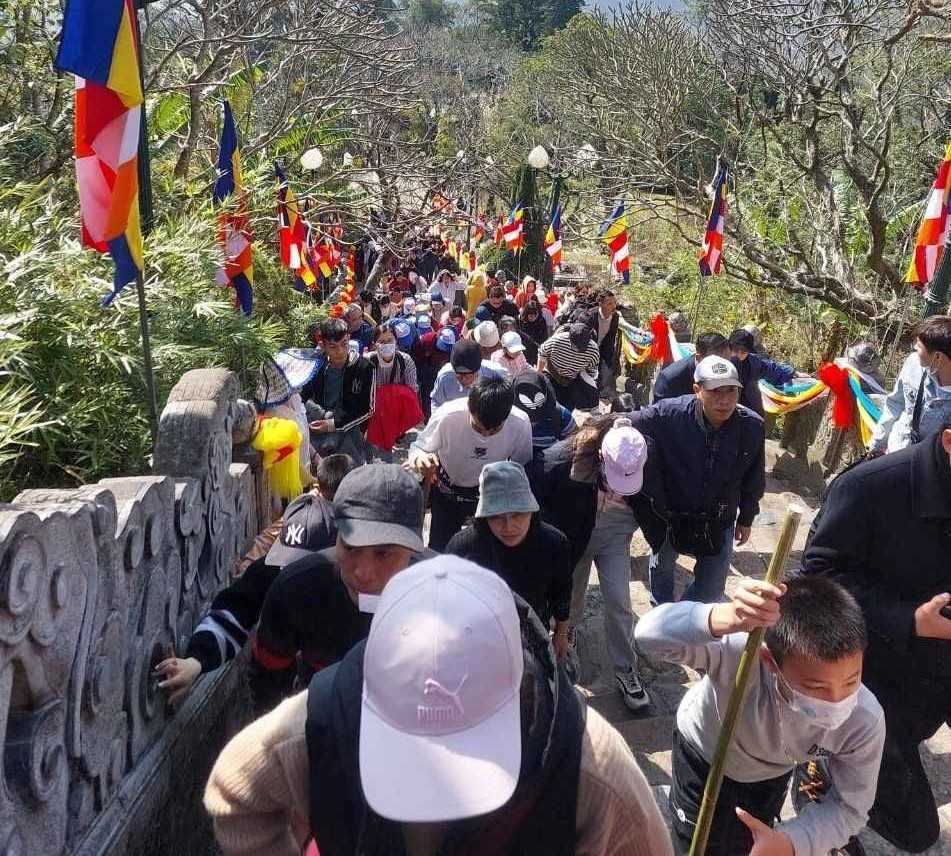
Pilgrims ascend the sacred Yen Tu mountain. Photo: Nguyen Hung
Following the COVID-19 pandemic, revenue from entrance fees to Yen Tu has been quite low (over 9.3 billion VND in 2020; over 1.9 billion VND in 2021; over 9.1 billion VND in 2022; over 26.9 billion VND in 2023; over 22.4 billion VND in 2024; and 22.3 billion VND in 2025). This revenue is insufficient to cover regular expenses, especially salaries, allowances, conservation and restoration of historical sites, forest protection, and festival organization, leading to significant financial pressure.
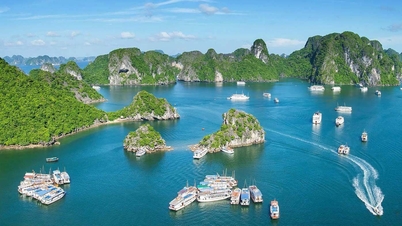
According to the Ha Long Bay - Yen Tu World Heritage Management Board, after abolishing the Yen Tu entrance fee, all recurrent expenditures, including those for conservation, restoration of historical sites, forest protection, and festival organization, will be sourced from the revenue generated by the Ha Long Bay entrance fee.
To ensure funding, the Ha Long Bay - Yen Tu World Heritage Management Board also proposed retaining 28% of the revenue from Ha Long Bay entrance fees, instead of the current 11%.
From 2017 to the present, the percentage of revenue from ticket sales for Ha Long Bay that has been retained by the Ha Long Bay Management Board (now the Ha Long Bay - Yen Tu World Heritage Management Board) is 11%; the remaining 89% was allocated to the former Ha Long City and subsequently transferred to Quang Ninh province for management after the district-level government ceased to exist.
Revenue from entrance fees to Ha Long Bay peaked in 2019, totaling approximately 1,286 billion VND. During the years affected by the COVID-19 pandemic, revenue decreased sharply and only began to increase again from 2023, reaching over 786 billion VND in 2023; over 973 billion VND in 2024; and over 1,014 billion VND in 2025.
Nguyen Hung
Source: https://laodong.vn/du-lich/tin-tuc/de-xuat-bo-thu-phi-tham-quan-yen-tu-1641482.html





































































































Comment (0)