

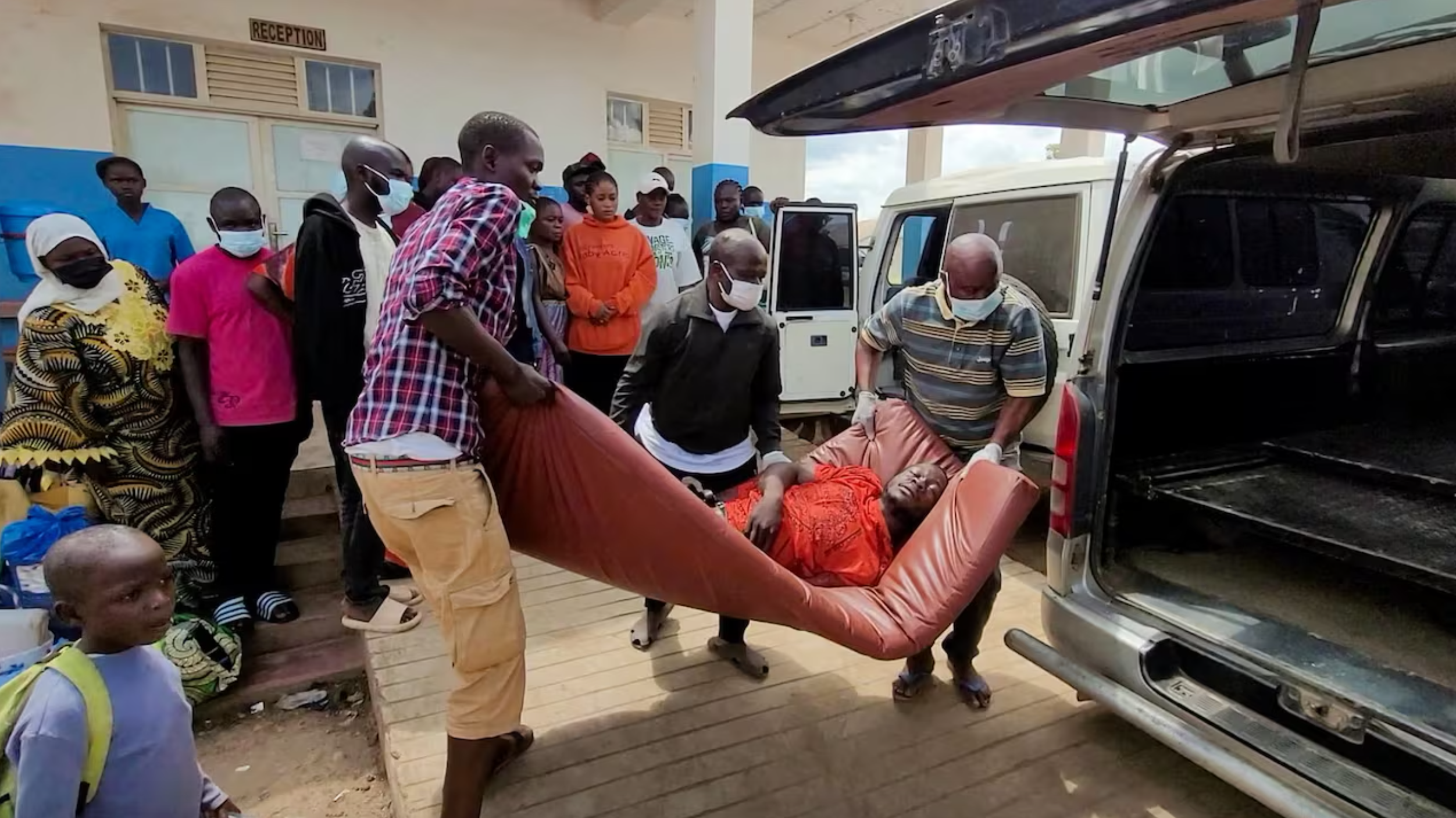
The World Health Organization (WHO) has declared a public health emergency of international concern over the new Ebola outbreaks in the Democratic Republic of Congo (DRC) and Uganda, amid a continued rapid increase in cases and deaths.
There have been over 100 deaths.
Jean Kaseya, Director-General of the Africa Centres for Disease Control and Prevention, said on May 18 that nearly 400 cases and more than 100 deaths suspected to be related to this Ebola outbreak have been recorded in Congo, and that this is “unacceptable”.
Meanwhile, the US Centers for Disease Control and Prevention (CDC) reported one confirmed case of Ebola and several suspected cases in Congo. The WHO identified the epicenter of the outbreak as Ituri province, a remote area in the northeast of the country.
In Uganda, the WHO confirmed two cases of Ebola through testing in the capital Kampala, including one death.
This outbreak is caused by the Bundibugyo strain – a rare variant of the Ebola virus. The WHO considers the situation particularly worrying because there is currently no approved vaccine or specific treatment for this strain of the virus.
According to Médecins Sans Frontières (MSF), the mortality rate of the Bundibugyo strain ranges from 25% to 40%.
Ebola symptoms include high fever, muscle pain, rash, and bleeding. The virus is transmitted through direct contact with the bodily fluids of an infected person or contaminated objects.
Concerns about the spread of the disease amid conflict.
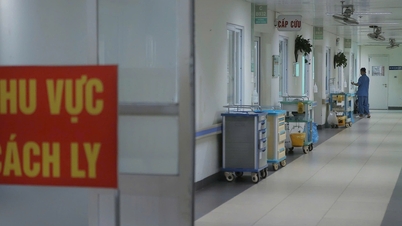
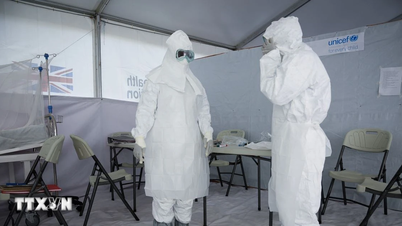
The WHO said that about 7 tons of emergency medical supplies, including protective gear, tents, and hospital beds, have been delivered to Bunia, the capital of Ituri province, to support frontline workers. The CDC has now deployed additional resources to support contact tracing, testing, and epidemiological surveillance in the outbreak area.
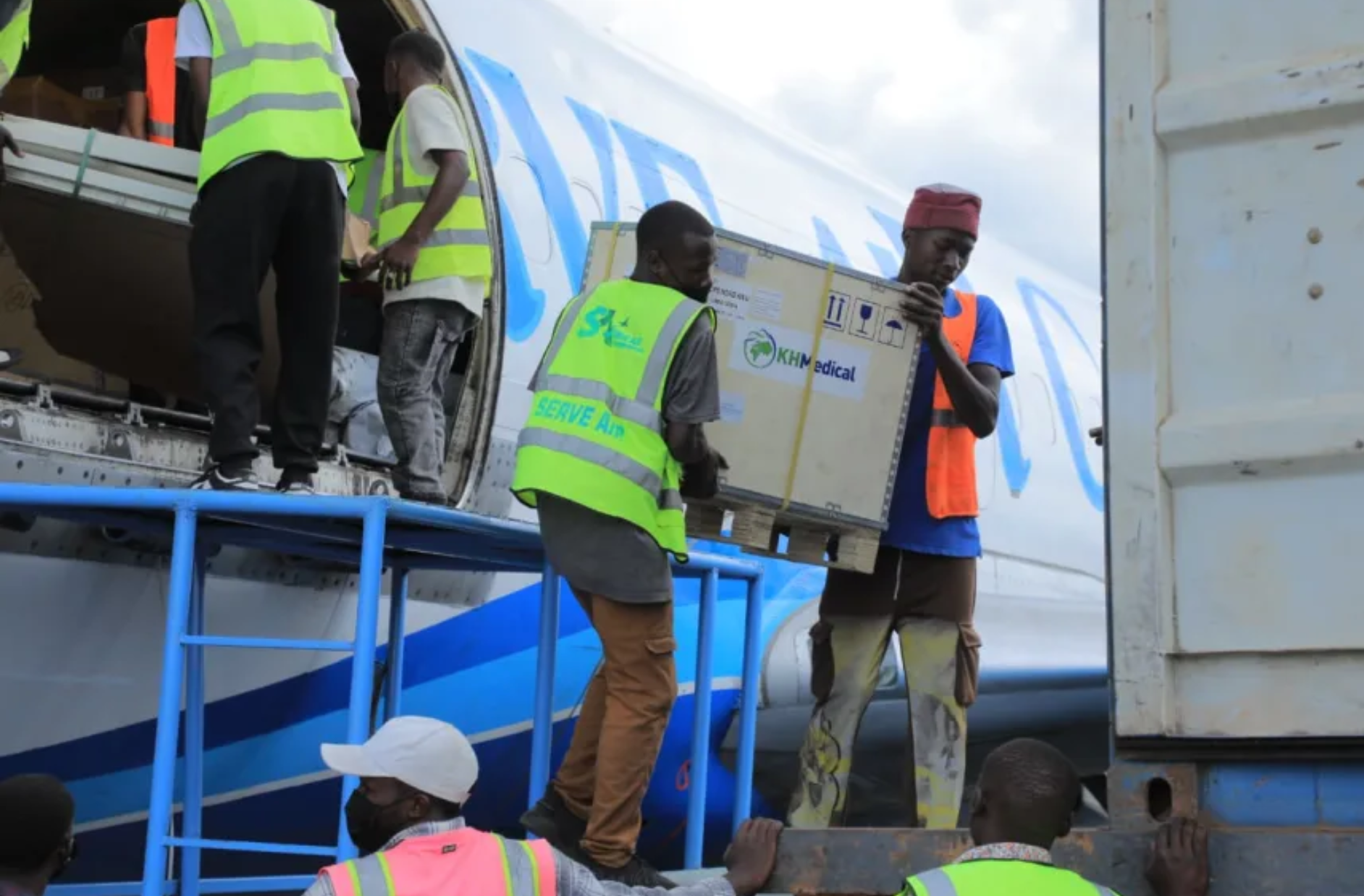
The Africa Centres for Disease Control and Prevention has declared the outbreak a Public Health Emergency for Continental Security (PHECS), allowing the organization to coordinate response measures across the continent.
Congo's Health Minister Samuel Roger Kamba announced that the country is opening three more Ebola treatment centers to increase its capacity to receive patients. However, efforts to control the outbreak are hampered by the ongoing conflict in eastern Congo, which has displaced millions and severely weakened the healthcare system.
According to Oxfam, healthcare workers are struggling to provide adequate care for patients. “There have been deaths in the community. When people die at home, it means there are many more cases that have gone undetected,” said Dr. Manenji Mangudu, Oxfam’s Country Director for Congo.
Experts are also particularly concerned about the situation in Uganda, where the epidemiological link between the two cases in Kampala has yet to be determined.
"This is often a warning sign that the epidemic in the Democratic Republic of Congo is spreading more widely than health authorities currently perceive," said Adrian Esterman, a professor at the University of Adelaide.
The WHO also confirmed that four healthcare workers were among the suspected Ebola deaths. According to Dr. Matt Mason of the University of Sunshine Coast, this highlights serious gaps in infection control at healthcare facilities.
Amidst the complex developments of the pandemic, the CDC has invoked Section 42 – a public health law restricting entry into the U.S. during infectious disease outbreaks – for at least 30 days, starting today. Section 42 was enacted in 1944, but this is only the second time the U.S. has applied it in modern times. The first was from March 2020 to May 2023, during the COVID-19 pandemic. The U.S. is also planning to evacuate some citizens directly affected by the disease.
This is the 17th Ebola outbreak in Congo since the virus was first discovered in 1976.
According to public health experts, Congo is particularly susceptible to Ebola outbreaks because it is home to fruit bats – the natural host of the Ebola virus. People in rainforest areas are frequently exposed to the forest environment, increasing the risk of virus transmission from animals to humans.
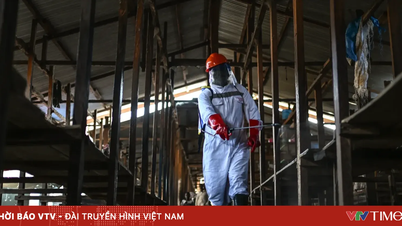
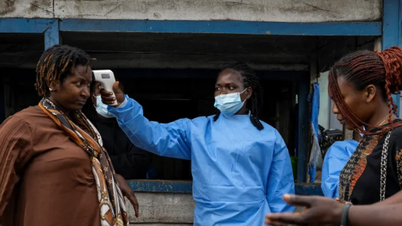
In the absence of a specific vaccine for the Bundibugyo strain, the WHO warns that early detection, contact tracing, and enhanced infection control measures will be key to preventing the disease from spreading regionally and globally.
Source: https://daibieunhandan.vn/dich-ebola-moi-dien-bien-phuc-tap-chau-phi-cang-minh-ung-pho-10417387.html














































































Comment (0)