Looking at this year's June release schedule, a notable shift in the film market is evident. In the first two weeks of the month, audiences will see the following films: "The Ghost" (directed by Phan Bá Hỷ), "Borrowed Shells" (directed by Đinh Tuấn Vũ), "Uncle Hỏa's Mansion" (directed by Hùng Trần), and "Mesdames of the Blue" (directed by Thắng Vũ).
The films are quite diverse, ranging from folk horror and psychological-spiritual dramas to historical and dramatic films. Gone is the situation where the majority of domestic films focused on familiar formulas like family comedies, romances, or exploiting star power to attract audiences; filmmakers are now proactively exploring new genres.
The film "The Ghost in the House" chooses a folk horror approach with a story revolving around worship customs, exploring anxieties in family life and folk beliefs.
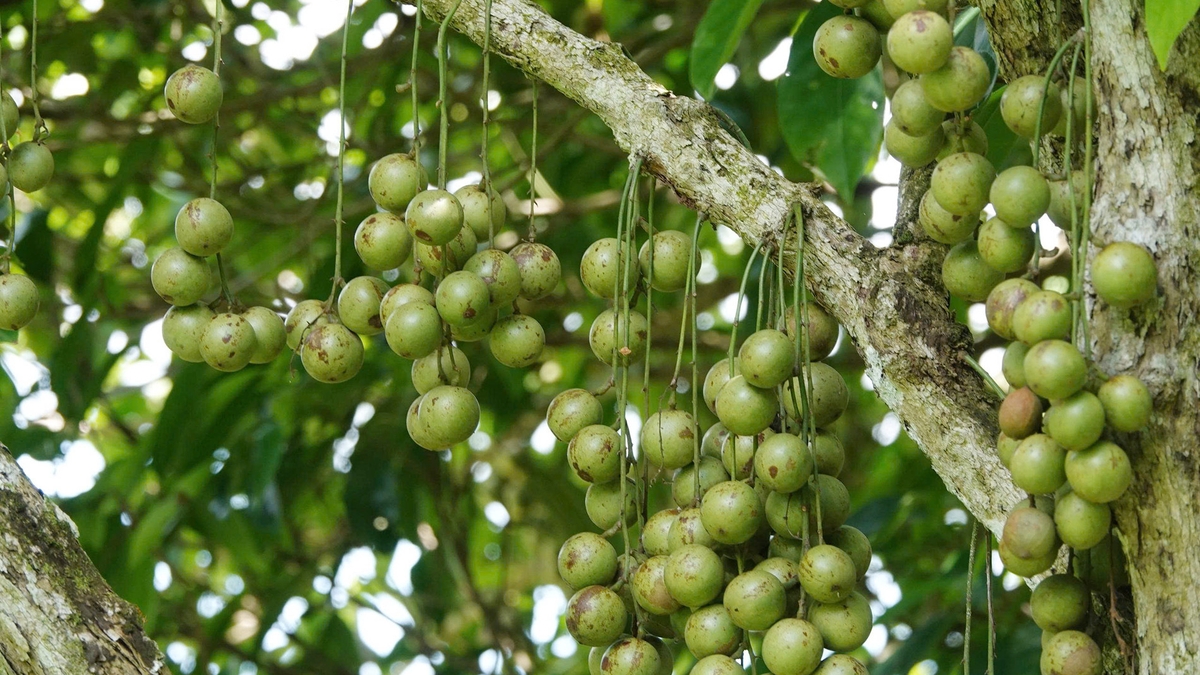
"Hermit crabs" takes a psychological-spiritual approach, placing characters within possessive relationships that resemble "emotional shells," thereby opening up a quest for self-discovery.
Meanwhile, "Uncle Hoa's Mansion" draws inspiration from the legend of "the ghost of the Hua family," one of the famous anecdotes associated with the urban memories of old Saigon.
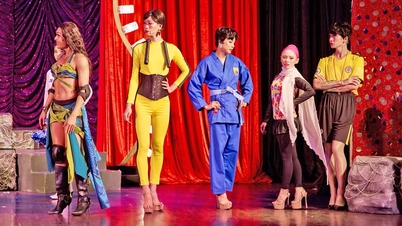
The other work, "Mesdames of Youth," chooses the setting of Saigon in the 1960s, combining psychological, emotional, and criminal elements in a story about women caught between ambition, power, and personal tragedy.
Efforts to broaden creative horizons are a positive sign, because the film industry cannot develop if it only revolves around a few safe motifs or depends on short-term market trends. However, simply looking at the number of films released or the diversity of genres to affirm that Vietnamese cinema is flourishing is perhaps insufficient. For many years, the domestic film market has often shown optimism whenever a few films achieve high box office revenue or the number of films released increases.
However, in reality, many films only attract a large audience in their first week of release and then disappear. Conversely, there are works that don't become box office phenomena but are still talked about for years afterward thanks to their ability to touch upon social issues, reflect the depth of human life, or offer new discoveries in cinematic art.



A successful film industry needs films that sell tickets and also works that can spark social dialogue, contribute to preserving cultural memory, and reflect the spirit of the times.
A successful film industry needs films that sell tickets and also works that can spark social dialogue, contribute to preserving cultural memory, and reflect the spirit of the times. In this respect, Vietnamese cinema still faces many challenges. Many current Vietnamese films show significant technical progress. Image quality, art design, sound, and special effects have all improved compared to the past.
Many young directors also demonstrate good production organization skills and increasingly professional visual thinking. However, when it comes to the core of the work, familiar limitations become apparent: characters lack depth, situations are forced, there is a lack of psychological foundation, and content becomes uncontrolled…; behind these limitations lies the story of the creator's life experience, ability to observe society, and intellectual depth.
In recent years, some Vietnamese films have appeared at international film festivals or been released abroad, but the number of works that have made a significant impact remains quite modest. This shows that Vietnamese cinema is still primarily developing within the domestic market.
National history, war memories, contemporary urban life, social movements... are incredibly rich sources of material. However, transforming that material into works of universal value remains a challenging journey.
Dr. Ngo Phuong Lan, President of the Vietnam Film Development Promotion Association, believes that cinema can only truly develop when it is placed within a synchronized ecosystem of artistic creativity, market mechanisms, and cultural identity operating as a unified whole, rather than developing in a fragmented manner as individual projects. Building a national film brand requires works that meet audience needs while clearly showcasing Vietnamese cultural imprint in the context of increasingly deep international integration.
Cinema can only truly develop when it is placed within a synchronized ecosystem of artistic creation, market mechanisms, and cultural identity operating as a unified whole, rather than developing in a fragmented manner as individual projects. Building a national film brand requires works that meet audience needs while clearly showcasing Vietnamese cultural identity in the context of increasingly deep international integration.
Furthermore, researchers also argue that box office revenue alone is insufficient to reflect the remarkable development of the film industry, especially when the overall context still lacks works of lasting value that can create social impact and shape public aesthetics.



Therefore, what Vietnamese cinema needs today is not just focusing on box office success or seasons with a large number of films, but rather a sustainable development ecosystem. This includes a professional screenwriting training environment; programs to support young directors, independent films, and new creative projects; a distribution mechanism that helps works of artistic value reach the public; and long-term investment in audience research and market development.
More importantly, it's about nurturing a community of audiences with diverse tastes in film, gradually raising their expectations for quality, appreciating artistic value, and being willing to support serious creative endeavors.
Source: https://nhandan.vn/dieu-can-hon-mot-mua-phim-dong-duc-post968708.html








![[Video] Weather forecast for tonight and tomorrow, June 27, 2026: Thunderstorms cover Northern Vietnam, cool weather.](https://vphoto.vietnam.vn/thumb/402x226/vietnam/resource/IMAGE/2026/06/26/1782479124716_dem-26-png.webp)