

Due to the characteristics of non-communicable diseases, which often present with subtle, persistent symptoms and minimal acute pain, many people tend to underestimate the severity of the illness. The majority of patients are diagnosed when the disease is already advanced. This is why non-communicable diseases become a significant health burden for both patients and society. Therefore, screening, early detection, and effective management at the primary healthcare level are the best ways to support patients and the community.
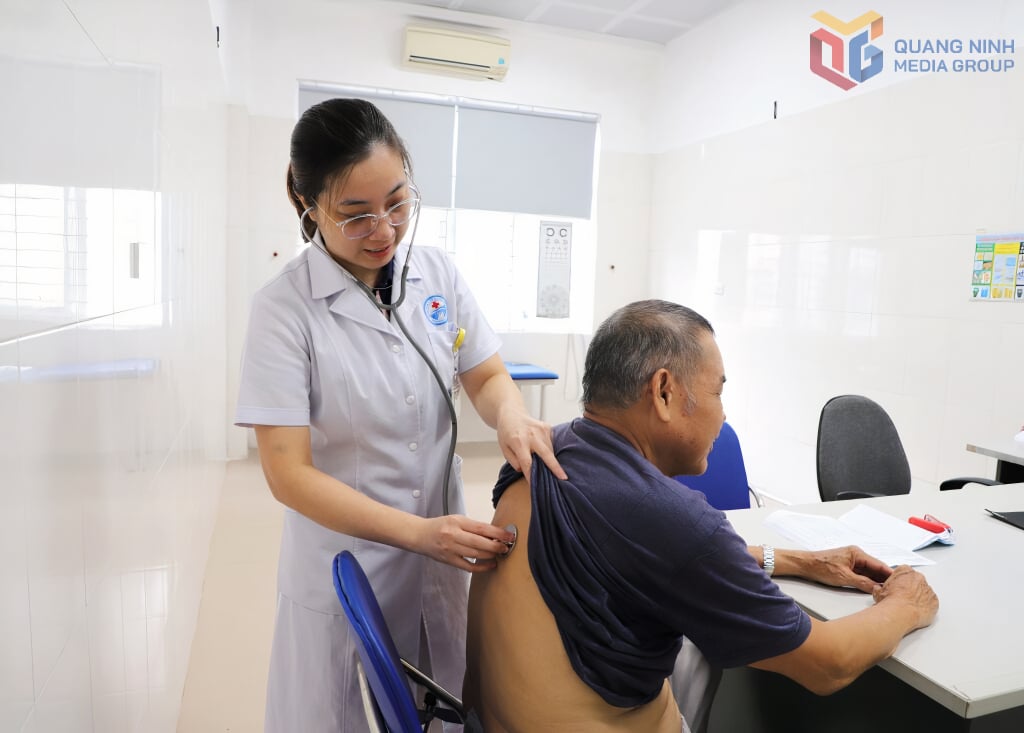
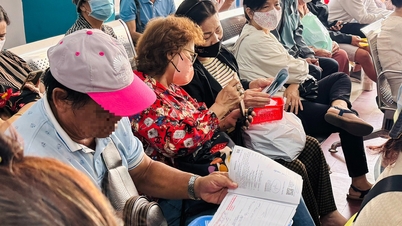
At Dam Ha Medical Center, as of September 2025, more than 2,000 people had visited for diabetes examinations. Worryingly, many patients are diagnosed only when complications have already developed, making treatment difficult and increasing medical costs. Dr. Le Thi Hong Nhung, Deputy Head of the Outpatient Department at Dam Ha Medical Center, said: "Previously, diabetes was usually only seen in the elderly, but now it is becoming increasingly common among younger people due to unhealthy lifestyles, such as: eating a lot of fast food, sweets, high-fat foods, and lack of exercise… At Dam Ha Medical Center, we have detected many cases of this disease in people under 40 years old, and some patients have even experienced a worsening of their condition."
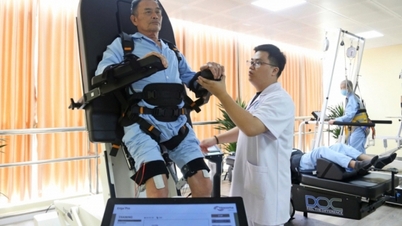
With the motto "prevention is better than cure," Dam Ha Health Center has actively and proactively implemented many screening and management programs for non-communicable diseases and promoted communication to raise community awareness. At the same time, it provides healthcare services to the community, from organizing screenings for hypertension and diabetes to managing electronic health records for each patient. Doctors and medical staff not only examine and treat patients but also advise on diet and exercise to help people change their lifestyles for more effective disease prevention.
Quang Ninh is one of the first localities to comprehensively implement solutions for preventing and controlling non-communicable diseases. Currently, the province has screened tens of thousands of people and is managing over 63,900 hypertension patients and 26,100 diabetes patients. 100% of commune and ward health stations in the province have staff in charge of the non-communicable disease program. Of these, all manage hypertension; nearly 40% have implemented management and treatment for diabetes. This approach helps in early detection, ensures continuous monitoring of patients, limits complications, and improves quality of life.
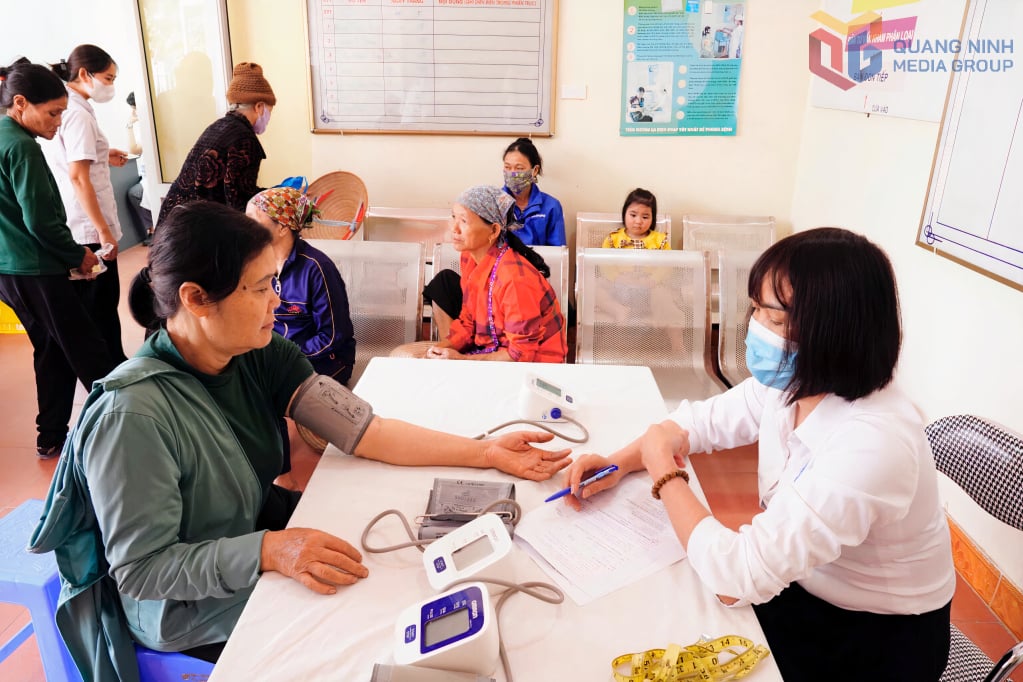
To ensure that people in remote, border, and island areas receive timely information about non-communicable diseases, the health sector has intensified health education and awareness campaigns through various methods tailored to each locality. Health centers, in coordination with local authorities and organizations, conduct mobile outreach, broadcasts, and provide direct consultations in villages and hamlets; they also integrate non-communicable disease prevention content into community activities. In addition, medical staff directly visit people's homes to measure blood pressure, check blood sugar levels, provide guidance on early signs of cardiovascular problems, diabetes, and cancer, and advise on appropriate nutrition and exercise regimens.
Through its efforts in treating non-communicable diseases, Quang Ninh's health sector has been gradually controlling risk factors, reducing new cases, and improving the quality of life for its people. In the coming time, the provincial health sector will continue to promote early screening, manage treatment at the grassroots level, and strengthen the application of information technology in monitoring people's health, aiming for the goal of ensuring that all citizens receive comprehensive healthcare starting from the community.
Source: https://baoquangninh.vn/dieu-tri-cac-benh-khong-lay-nhiem-3380200.html



































































































Comment (0)