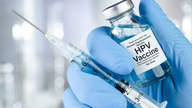
Given that cervical cancer remains one of the most common and deadly cancers among Vietnamese women, determining the most effective age for HPV vaccination is crucial for a long-term, sustainable prevention strategy.
According to data from the Global Cancer Organization (Globocan), cervical cancer is among the top 10 cancers with the highest number of new cases and deaths in Vietnam. Notably, this is one of the few cancers for which an effective preventive vaccine is available, and its widespread implementation is recommended by the World Health Organization (WHO).
The WHO and the US Centers for Disease Control and Prevention (CDC) recommend HPV vaccination for children and adolescents, with the age group of 9-14 being identified as the optimal period. At this age, the immune system responds very strongly to the vaccine, producing higher and more sustained antibodies compared to older age groups.

According to immunological studies, children aged 9–14 only need two doses of the vaccine, spaced six months apart, to achieve equivalent, or even higher, protection compared to three doses for those vaccinated after age 14. This not only improves disease prevention effectiveness but also helps reduce costs and increase accessibility for the community.
Since 2018, the U.S. Food and Drug Administration (FDA) has allowed the HPV vaccination age to be extended to 45 years old. However, experts agree that the earlier the vaccination, before exposure to the HPV virus, the greater the protective benefit.
Why is the 9-14 age range considered the "golden age"? Firstly, most children aged 9-14 have not yet had sexual intercourse, meaning they have little to no chance of being exposed to HPV. The HPV vaccine prevents infection, not treats pre-existing HPV infections. Therefore, vaccination before exposure to the virus is the key factor in achieving almost absolute protection.
Secondly, the immune response at this age is stronger. Many studies show that the concentration of antibodies produced after vaccination is significantly higher in adolescents than in adults, helping to maintain long-term protection.
Third, early vaccination helps build an "immune shield" before the risk increases. Recent census data shows that the age of first sexual intercourse is trending younger, while the age of marriage is getting later. This means the risk of HPV infection persists for many years, increasing the likelihood of precancerous lesions if not prevented in time.
According to the CDC, the HPV vaccine provides nearly 100% protection against precancerous cervical lesions and genital warts caused by high-risk HPV strains. In countries that have implemented early and widespread vaccination, the rates of HPV infection and precancerous lesions have decreased significantly.
Data shows that HPV infection decreased by 71% in adolescent girls, 61% in young women, and precancerous cervical lesions decreased by 40% in the vaccinated group. This is clear evidence that early vaccination provides superior public health benefits.
HPV is the most common sexually transmitted infection today. The majority of people infected with HPV are asymptomatic and can clear the virus naturally. However, persistent HPV infection, especially with high-risk strains like HPV 16 and 18, can lead to precancerous lesions such as CIN 2 and CIN 3 (HSIL) and progress to cervical cancer after many years.
The progression from HPV infection to cancer is often insidious, lasting for decades. This means many women only discover the disease at a late stage, reducing treatment effectiveness and increasing mortality rates.
Early vaccination – an economical and sustainable solution. Studies in many countries show that HPV vaccination at ages 9–14 is not only medically effective but also economically efficient, helping to reduce cancer treatment costs and lessen the burden on the healthcare system and patients' families.
However, in Vietnam, HPV vaccination coverage remains low. A 2021 study showed that only about 12% of women and girls aged 15–29 were vaccinated against HPV, which helps explain why the number of new cases and deaths from cervical cancer remains high.


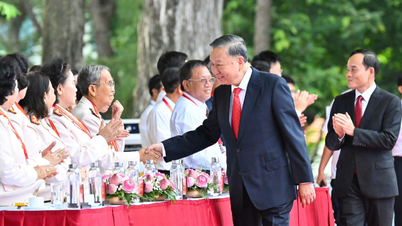
Strengthening the friendship between Vietnam and the United States.On July 3rd, as part of the Pacific Partnership - Friends of the Pacific 2026 program, the U.S. Army Pacific delegation, led by Lieutenant General Joel Vowell, Deputy Commander of the U.S. Army Pacific, paid a courtesy visit to the Quang Tri Provincial Military Command. Towards the goal of eliminating cervical cancer, the WHO's global strategy aims for 90% of girls to be fully vaccinated against HPV, 70% of women to undergo regular screening, and 90% of lesions to receive timely treatment by 2030. These are the three key pillars for eliminating cervical cancer from public health issues.
In Vietnam, the Ministry of Health has implemented numerous communication campaigns to raise awareness about HPV vaccination and cervical cancer screening. However, achieving long-term goals requires the concerted efforts of the health sector, education, families, and society as a whole.
Cervical cancer and HPV-related cancers are almost completely preventable with appropriate vaccination at the right age, combined with early screening and treatment. The age range of 9–14 is considered the "golden period," offering the highest and most sustainable protection.
Getting the HPV vaccine early is not only a personal health choice, but also an investment in public health and the future of an entire generation, contributing to the realization of the goal of eliminating cervical cancer in Vietnam in the coming decades.
Source: https://baotintuc.vn/xa-hoi/do-tuoi-vang-tiem-phong-hpv-dat-hieu-qua-nhat-20251224172144862.htm