

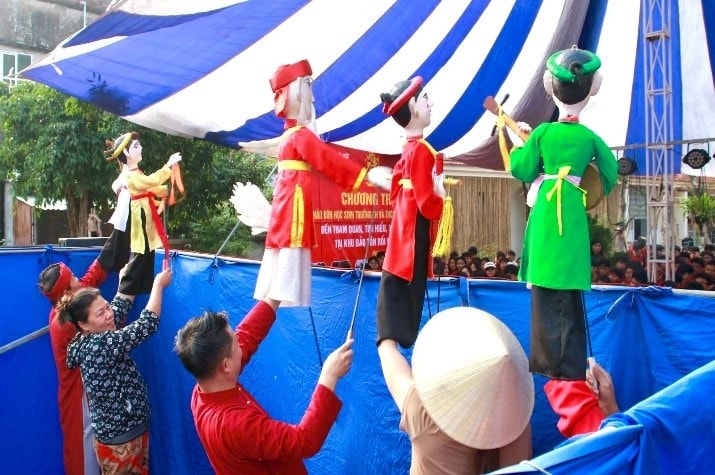
The unique art of puppetry
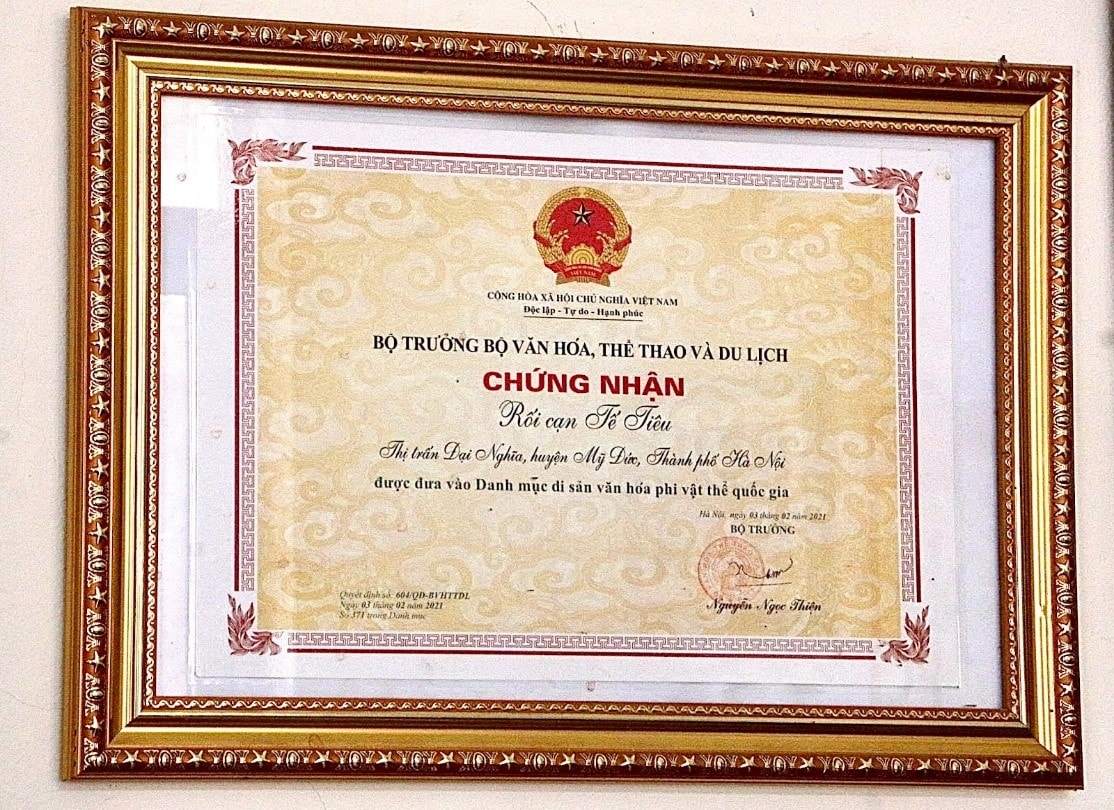
The Te Tieu puppet troupe originated during the Le Trung Hung period. The ancestors, passing through the fertile land along the Day River, settled there to clear land, establish villages, teach the people how to cultivate rice, and create puppet shows as entertainment after busy farming days. From there, puppet shows developed, becoming a cultural and spiritual activity for the community. According to the Hanoi Department of Culture and Sports , the Te Tieu puppet troupe is the only place that still preserves the art of puppet shows.
The uniqueness of the Te Tieu puppet troupe lies in its adaptation of Tuong (classical Vietnamese opera) – a highly technical, symbolic, and dance-oriented theatrical art form that doesn't perform Cheo (traditional Vietnamese opera). The puppets must move all four limbs, especially their legs, making every movement clearly visible to the audience. The joints and control mechanisms of the Te Tieu puppets are specially designed, allowing for flexible and expressive performances. This unique characteristic makes Te Tieu puppetry both distinctive and difficult to master, requiring long-term training for the artisans.
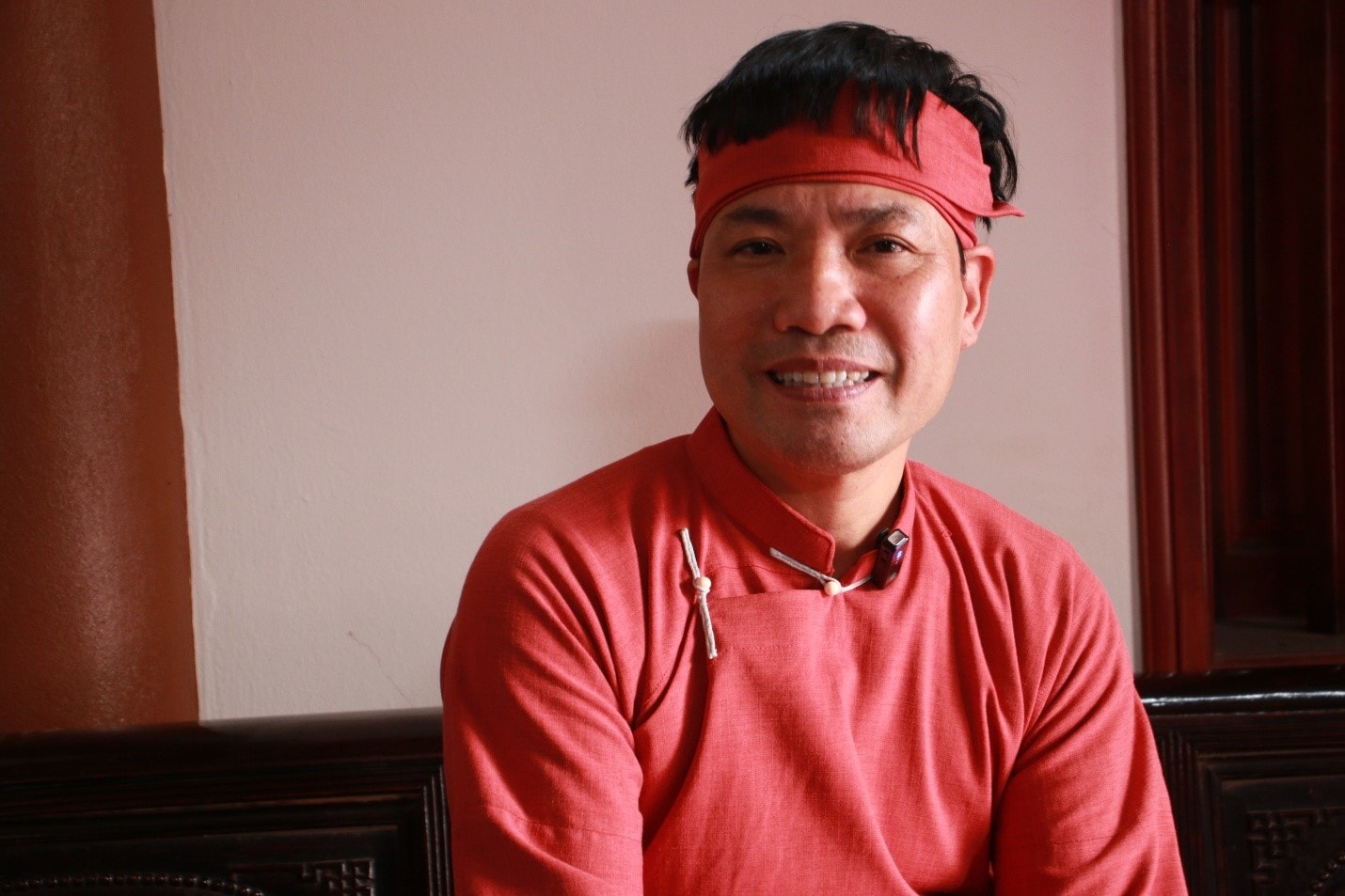
In Te Tieu, everyone knows the puppeteer "Bang." Mr. Pham Cong Bang (born in 1976) is the head of the Te Tieu puppet troupe and currently the youngest Outstanding Puppet Artist in Vietnam. From the age of 12, Mr. Pham Cong Bang became familiar with the art of dry puppetry. He quickly grasped the magic of each wooden puppet thanks to performances with his father, the late artist Pham Van Be. Preserving the craft therefore holds immense value, being both a passion and a responsibility. In 2001, Mr. Bang and his father built a water pavilion, a stage for performing both dry and water puppetry in their hometown, transforming it into a miniature stage where locals and tourists can enjoy performances rich in cultural identity.
According to artisan Pham Cong Bang, Te Tieu's dry puppetry is "both easy and difficult." It's easy because, unlike water puppetry, the stage for dry puppetry only requires "stretching a backdrop and setting up a tarp," allowing performances anywhere. The difficulty lies in the fact that Te Tieu puppetry often performs traditional opera stories – a clear difference from other dry puppetry troupes that specialize in classical folk opera. "Te Tieu's puppets are specially designed, capable of moving all four limbs – a rare ability in traditional puppetry. The internal joint system and control mechanisms are also completely different, not only compared to puppets in other parts of Vietnam but also in the world , where there is no similar structure," shared artisan Pham Cong Bang.
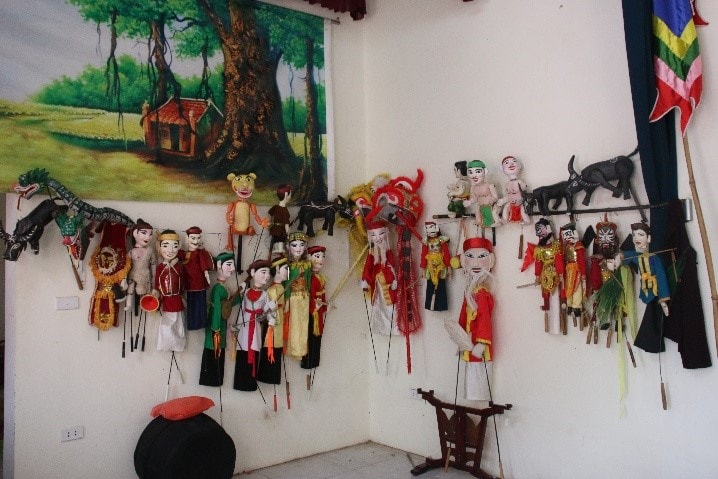
According to artisan Pham Cong Bang, to enter the world of puppetry, one must first have a uniquely crafted puppet that still retains Vietnamese identity. The artisan must infuse the spirit of national culture into each block of wood and layer of paint so that viewers immediately recognize the Vietnamese spirit. Characters such as the old headmaster, officials, farmers, wealthy landowners, or the familiar village teacher; puppet plays like "Thach Sanh slaying the Python" carry profound meanings about justice, courage, and the victory of good over evil; or the play "The Rice Milling, Pounding, Plowing, and Harrowing" depict the hard but humane lives of farmers…
The journey to preserve the soul of puppets.
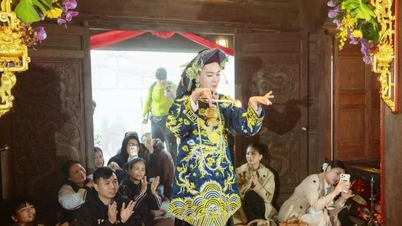
In the context of integration and development, many traditional art forms are facing numerous challenges. However, thanks to preservation policies and community efforts, Vietnamese puppetry is gradually reviving, appearing more and more frequently at major cultural events such as the Hue Festival, national festivals, and in pedestrian areas and museums. Many travel agencies also include puppetry in tours of the Old Quarter, transforming this traditional art form into a unique cultural highlight for both domestic and international tourists.
Regarding the future development direction of this art form, Mr. Pham Cong Bang shared that Vietnam is in a period of integration, so audiences are often attracted to other appealing forms of entertainment, forgetting the cultural values of the nation. Not only puppetry, but many traditional art forms are facing difficulties. Therefore, he is always deeply concerned that for traditional art to thrive, it needs to be infused with contemporary elements, which will attract more young people.
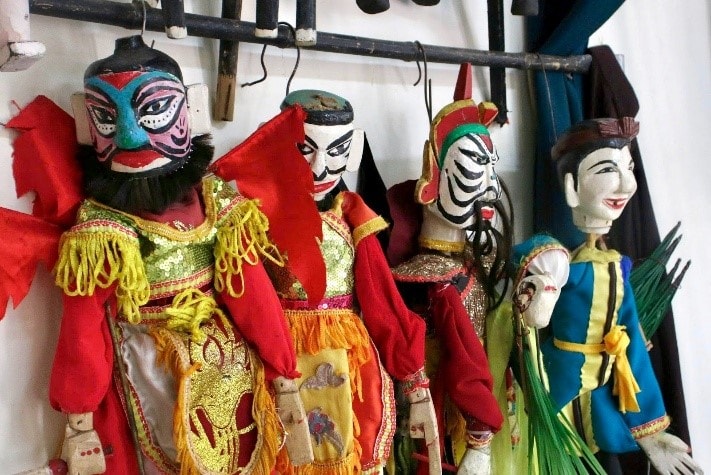
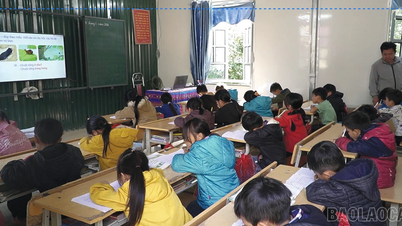
Another noteworthy point is the unique way in which the Te Tieu puppet troupe spreads its love for folk culture. Not only do they innovate in their performances to suit contemporary times, but with the desire to find successors to preserve the craft for future generations, the Te Tieu puppet troupe annually organizes classes to teach the craft, pass on skills, or simply offer puppetry experience classes for students in the area.
Currently, the Te Tieu Puppet Museum project is nearing completion. Here, visitors can admire the puppet-making process, experience the performance space, and interact directly with artisans. The museum not only preserves traditional Vietnamese puppetry but also introduces other types of Vietnamese traditional puppetry, contributing to the promotion of cultural heritage. Combined with nearby tourist destinations such as Huong Son, Quan Son, and Tuy Lai, this area is expected to create momentum for the sustainable development of Te Tieu puppetry.
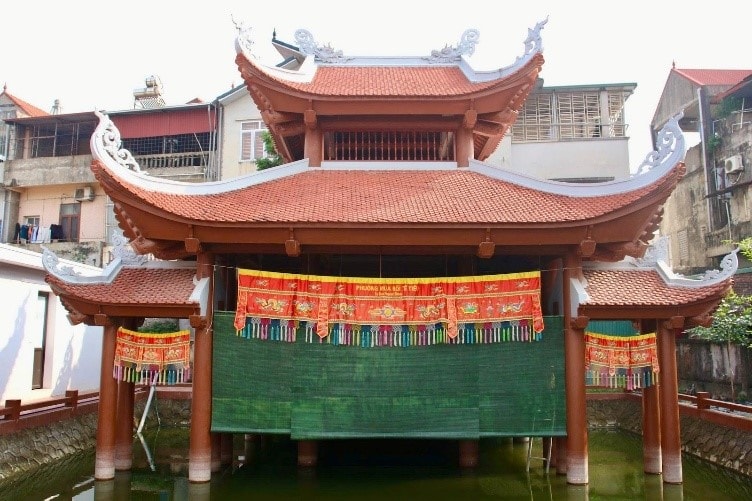
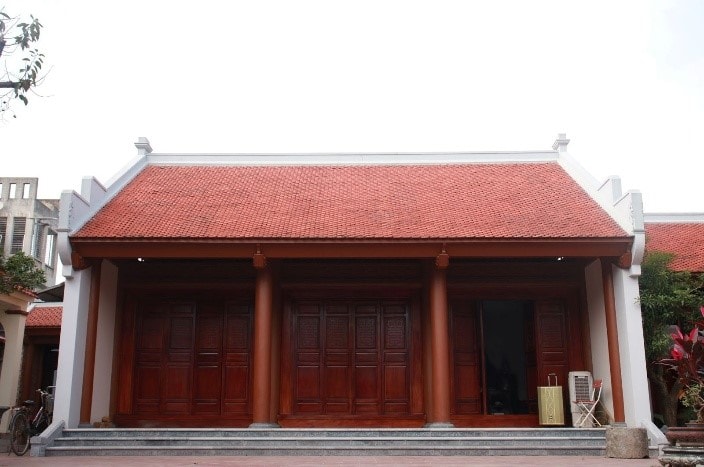
Traditional art truly endures only when there are people to preserve and continue it. The members of the Te Tieu puppet troupe, with their intense love and unwavering perseverance, are working hard every day to ensure their homeland's heritage shines on stages both domestically and internationally.
Source: https://hanoimoi.vn/doc-dao-roi-can-te-tieu-741105.html
![[Image] The appearance of the Bien Hoa-Vung Tau expressway before its opening.](https://vphoto.vietnam.vn/thumb/1200x675/vietnam/resource/IMAGE/2026/03/25/1774430324663_ndo_br_2-resize-6064-jpg.webp)











































Comment (0)