(NLĐO) - Fish spring rolls are a unique dish that is indispensable during Tet holidays or weddings of the Thai ethnic group in western Thanh Hoa province.
For the Thai people in Thanh Hoa, one of the important tasks before Tet (Lunar New Year) is making sour and salted fish (also known as fish spring rolls), a dish used in ancestral worship rituals during Tet. Therefore, before Tet, people begin preparing the ingredients for this unique dish.
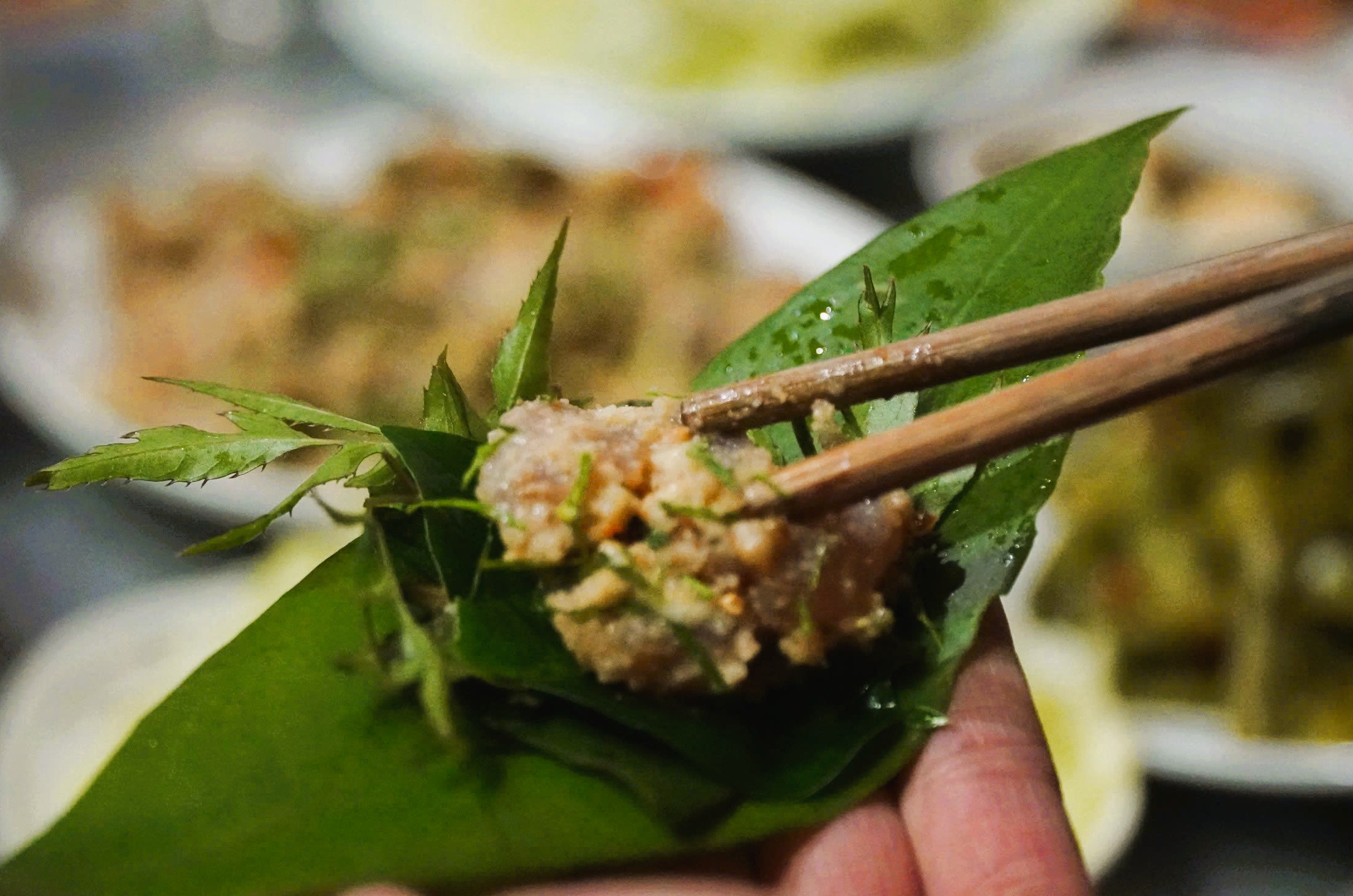
Fish spring rolls, a unique dish of the Thai people in western Thanh Hoa province.
The locals don't know exactly when fish spring rolls originated; they only know it dates back to ancient times, passed down from their ancestors. It's a must-have dish during Tet (Vietnamese New Year) and weddings.
Mr. Vi Van Niem (born in 1961; residing in Son Lu town, Quan Son district) said that every year around the 12th lunar month, his family prepares fish spring rolls to eat during Tet (Lunar New Year). "I'm not sure when this dish originated, but I've seen it on the Tet feast table since I was a child. It was passed down from my ancestors," Mr. Niem shared.
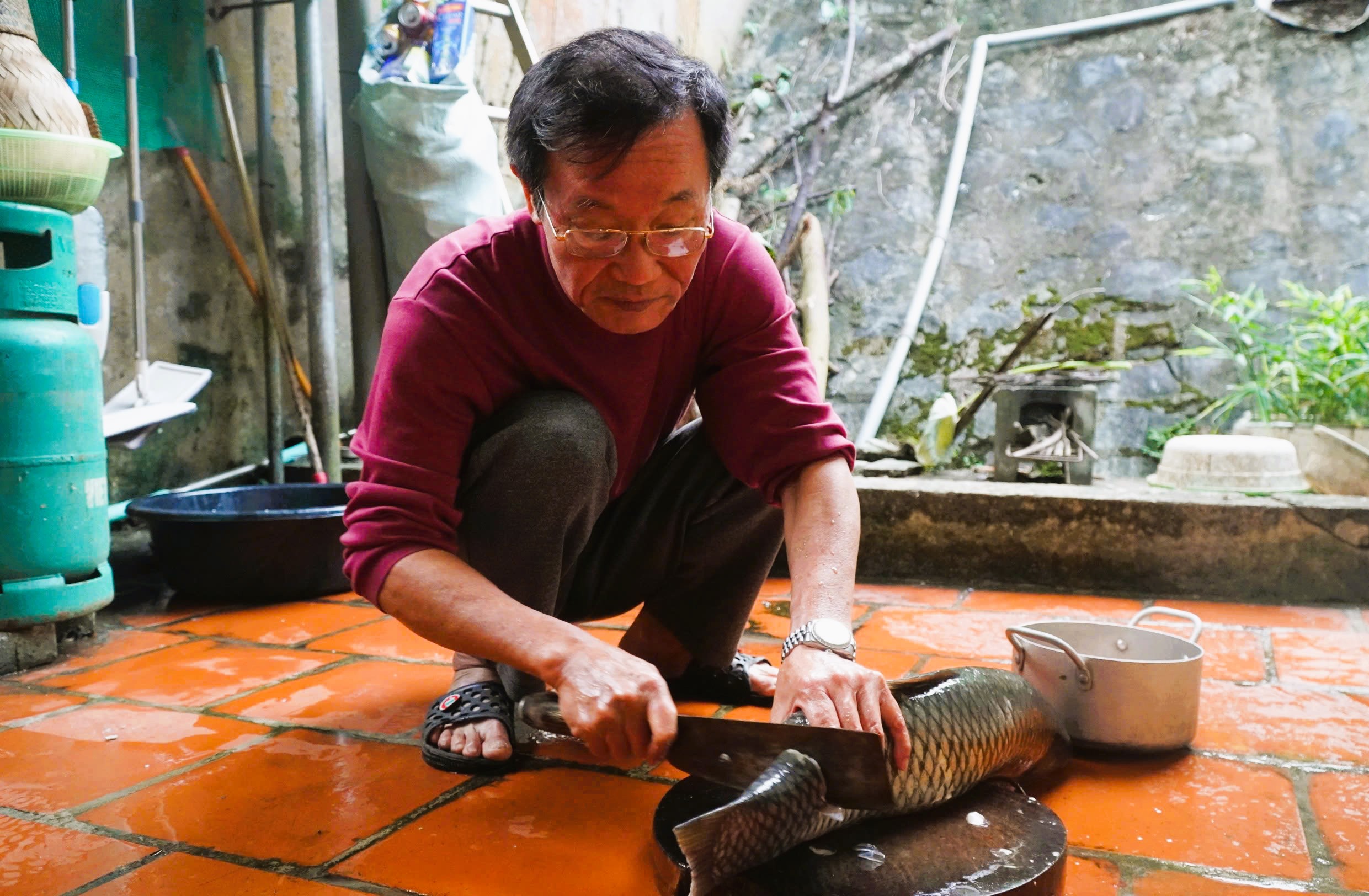
In the past, spring rolls were mainly made with stream fish, but nowadays, they are primarily made with carp.
According to Mr. Niem, the main ingredient for this dish is fish. In the past, the Thai people used to catch "mai mai" fish (a type of wild fish that lives in rivers and streams). This type of fish has a lot of meat and is delicious. However, in recent years, this species has become scarce, so people have switched to using carp to make fish spring rolls.
"Fish spring rolls, called 'xúm lương' in Thai, means a sour dish. Every year, about ten days before Tet (Lunar New Year), families rush to prepare the ingredients and utensils to salt the fish, ensuring that the spring rolls are perfectly cooked by Tet so they can be offered to their ancestors. This is a traditional dish, indispensable during Tet for our people," Mr. Niem said.
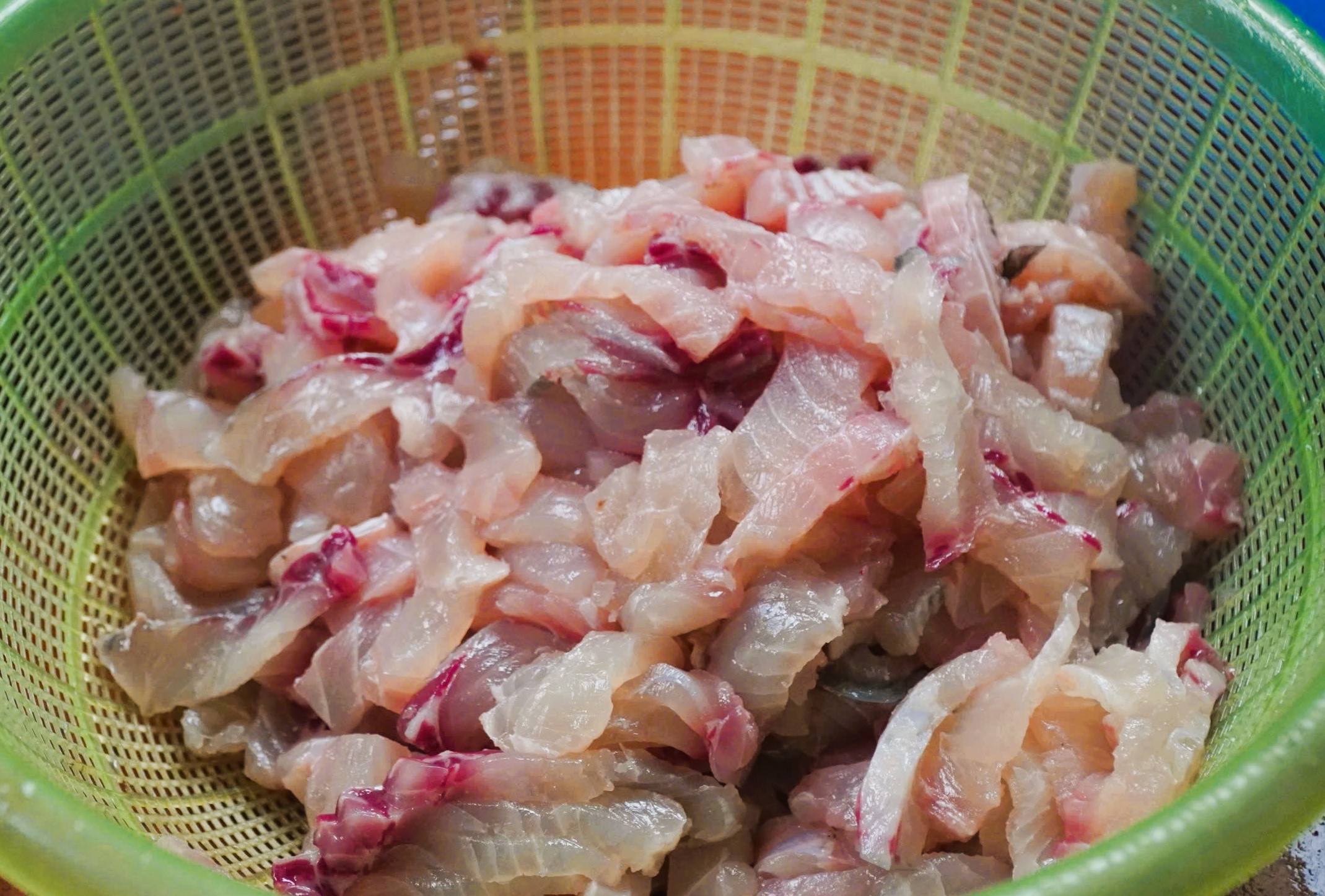
After filleting the fish, slice it thinly and drain the water.


This unique dish is not only a staple on the Tet (Lunar New Year) feast table of the Thai ethnic group, but it is also indispensable in wedding ceremonies. According to elders, before going to the bride's house to ask for her hand in marriage, the groom's family must prepare fish spring rolls and bring them to the bride's house, along with other offerings, to worship their ancestors. If this dish is missing, the subsequent ceremonies cannot proceed.
According to Mr. Niem, the first step in preparing this dish is to choose fresh, meaty fish. The fish is then filleted, sliced into small pieces, marinated with coarse salt, and left to drain for about 4-5 hours.
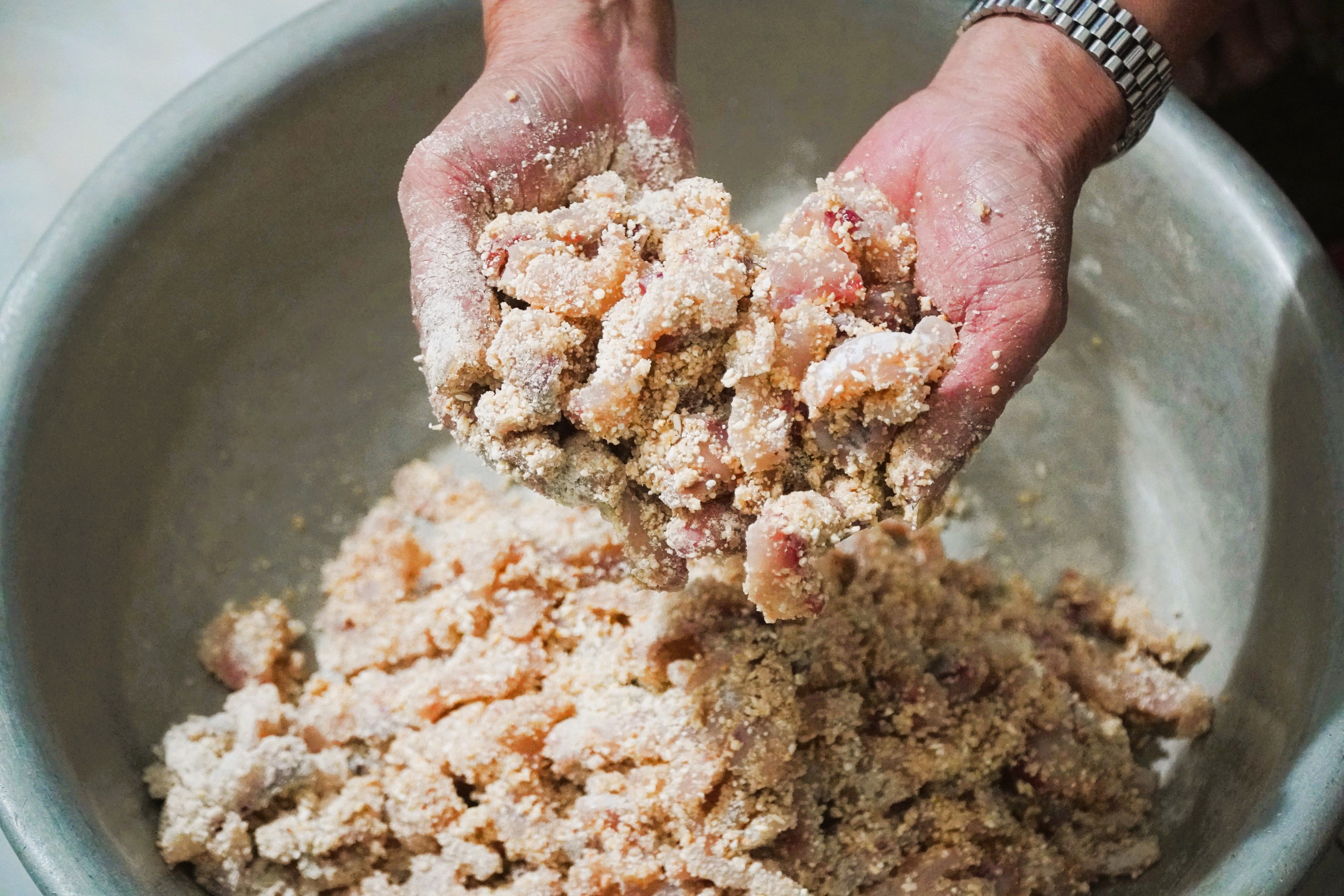
The fish is then mixed thoroughly with roasted rice flour...
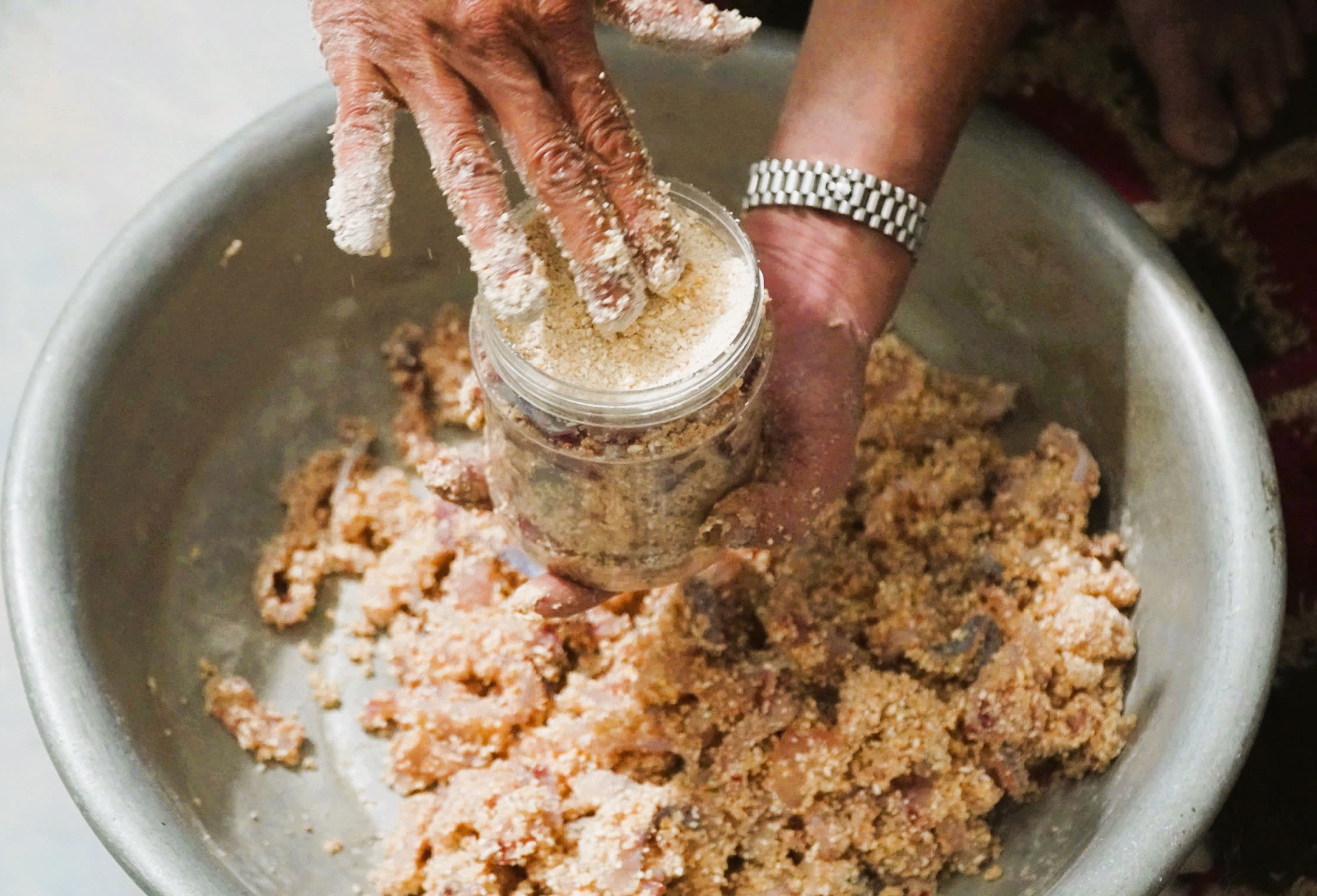
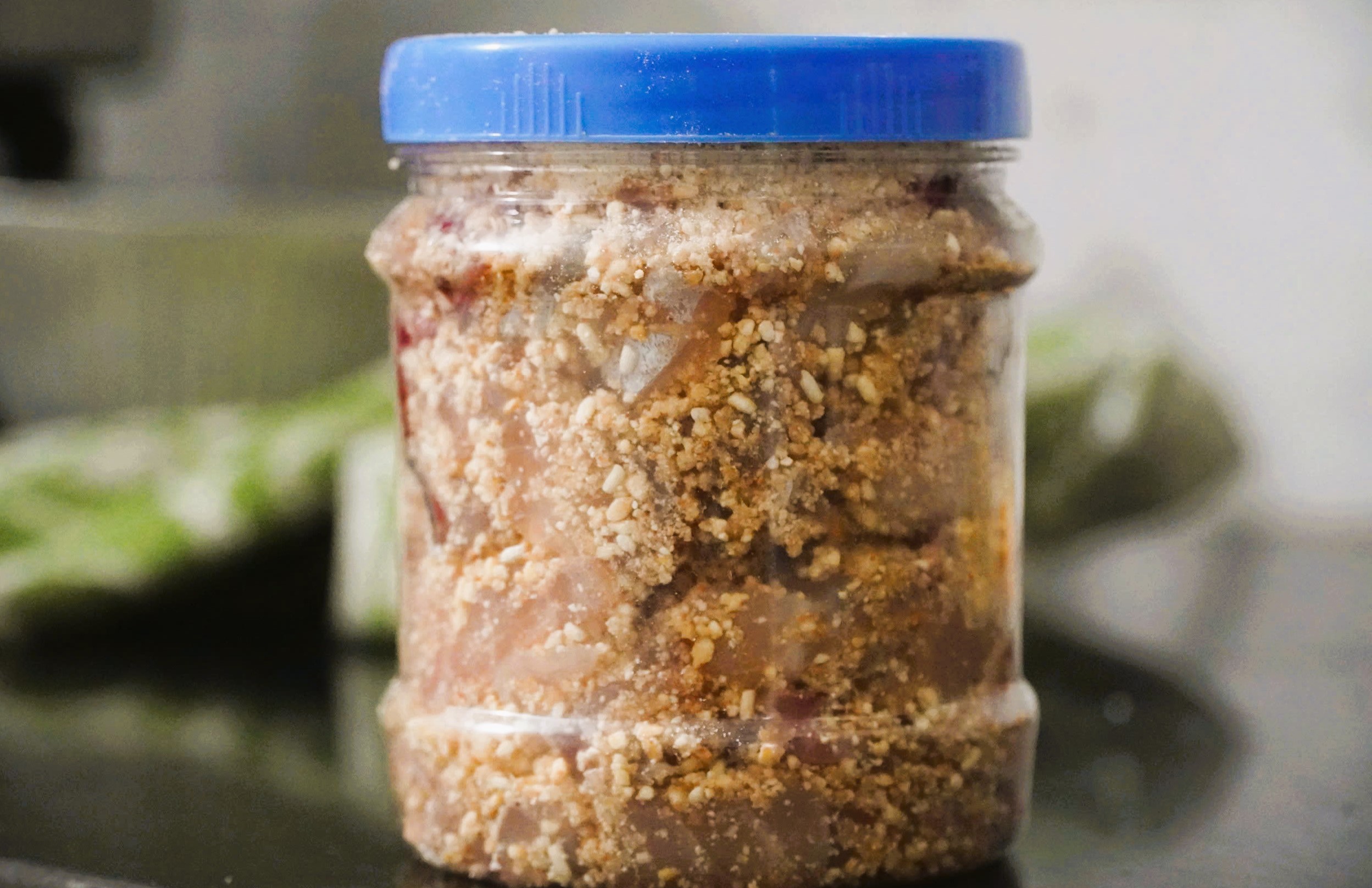
...then it is placed in jars or bamboo tubes and left for about 7-10 days for the fish to ferment.
The fish is then thoroughly mixed with roasted and finely ground rice flour (rice flour, usually made from glutinous rice or corn, is very fragrant). The rice flour absorbs moisture from the fish meat, adds fragrance, ferments the fish, and prevents it from spoiling. After mixing, the fish is placed in bamboo tubes or plastic containers to ferment.
"The fermentation time for the fish depends on the weather; it takes 7 to 10 days for the fish to be cooked and ready to eat. When enjoying fermented fish, you need to prepare accompanying vegetables such as fig leaves, Gynura procumbens leaves, etc., and dip them in chili sauce or fish sauce," Mr. Niem said.
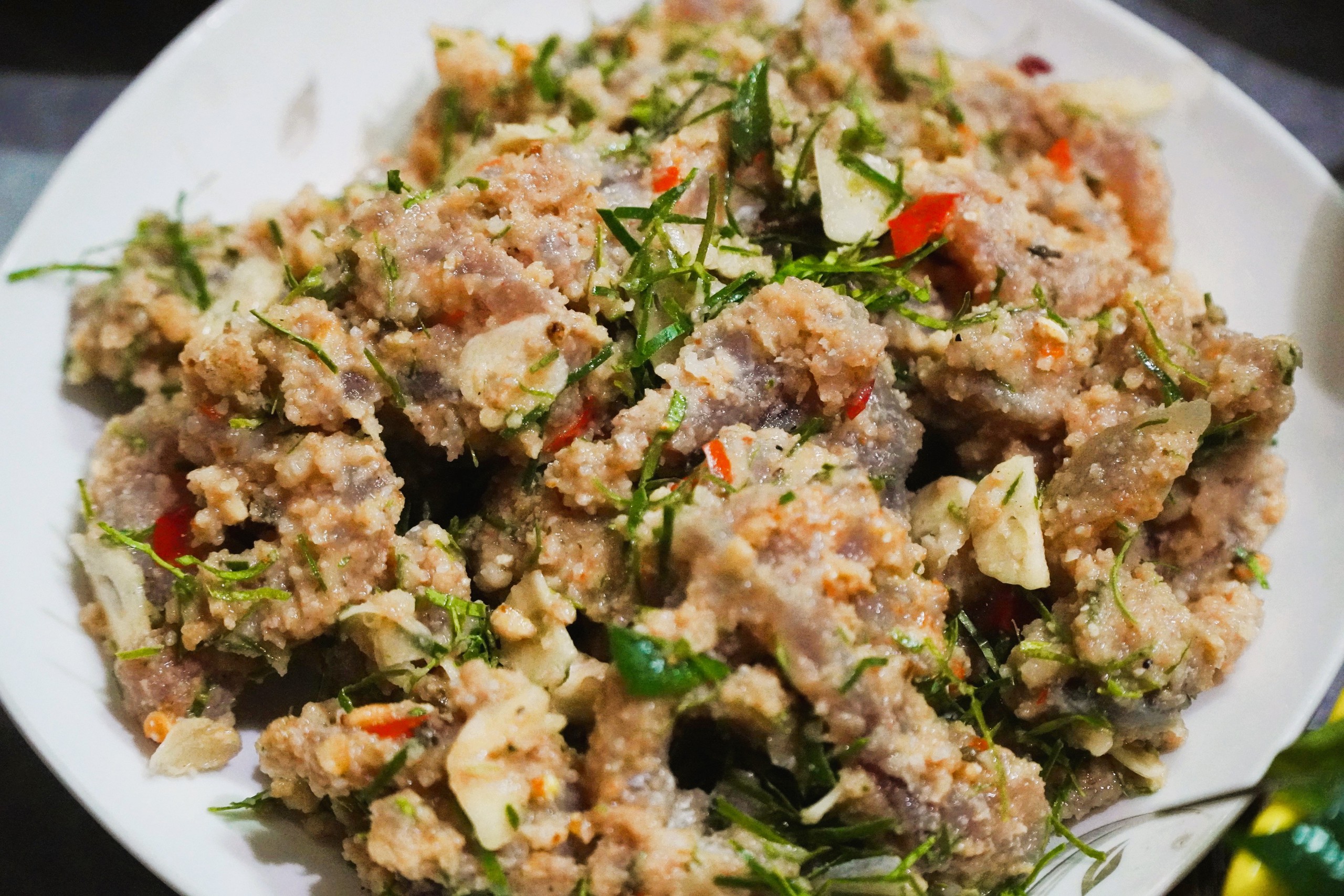
Once the fish has fermented for the required number of days, the fish spring rolls are ready to be enjoyed.
For the Thai people in Quan Son, fish spring rolls are not only a ritual, custom, and unique cultural feature, but also a special dish perfect for the spring season. This is because fish spring rolls are refreshing, not cloying, with a slightly sour and sweet taste, and the fish has no fishy smell whatsoever.
Although it's a delicious, traditional dish of the local people, nowadays very few people still regularly make fish spring rolls. Only a few people still regularly make and preserve this delicacy, including Mr. Vi Van Niem. "Seeing that my fish spring rolls tasted good, my friends and acquaintances, even those from the lowlands, asked me to make them for them. Currently, I only make them for personal consumption and haven't started a business yet," Mr. Niem said.



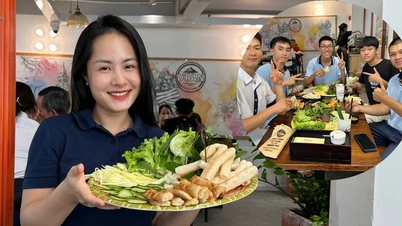
Fish spring rolls can be eaten with fig leaves, Gynura procumbens leaves, and various aromatic herbs... dipping them in fish sauce creates a very distinctive flavor of this unique dish.
Building a local brand.
According to Mr. Niem, this is a delicious, rustic dish of the local people, indispensable during holidays, Tet (Lunar New Year), and weddings. Therefore, he also hopes to develop this dish into a specialty of the Thai ethnic people in this area.
According to representatives of the Quan Son District People's Committee, fish spring rolls have existed and been associated with the Thai ethnic people here for generations, and are a delicious dish highly appreciated by many. Quan Son is a locality with many attractive tourist destinations and experiences such as Bo Cung Cave, Ngam Village, etc., welcoming a large number of tourists every year to visit and explore. Therefore, in the future, the locality is focusing on developing fish spring rolls into a specialty dish so that tourists can enjoy it or buy it as a gift whenever they visit Quan Son.
Source: https://nld.com.vn/doc-la-mon-nem-ca-o-mien-tay-xu-thanh-19625012823100964.htm





![[Image] Overview of the construction site for the underground station of metro line 5 at the Hanoi Ring Road 1 intersection.](https://vphoto.vietnam.vn/thumb/1200x675/vietnam/resource/IMAGE/2026/07/03/1783065595682_ndo_br_z7974930852369-100ca093c306e72675f1d3700966a86b-jpg.webp)