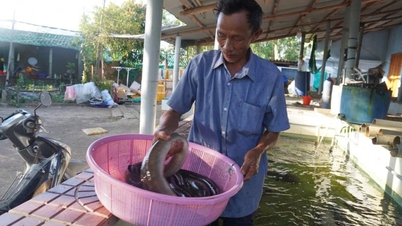
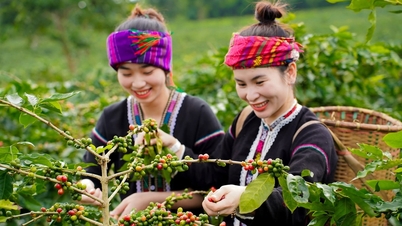
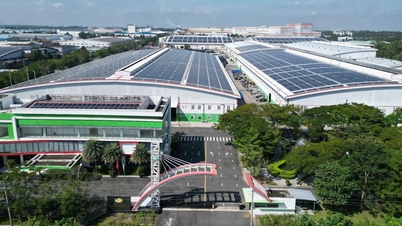
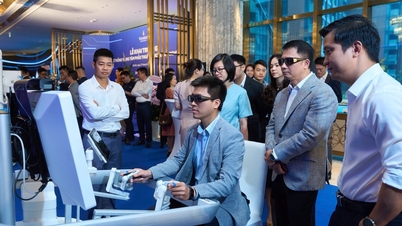
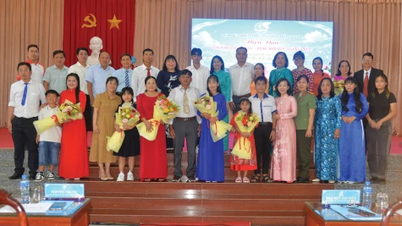
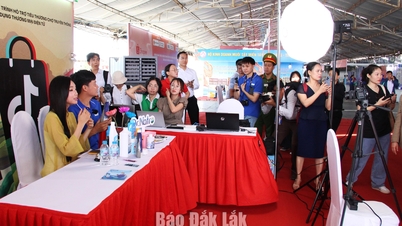
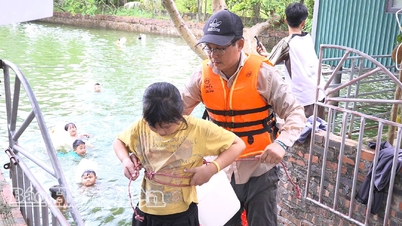
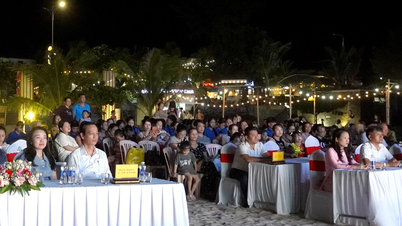
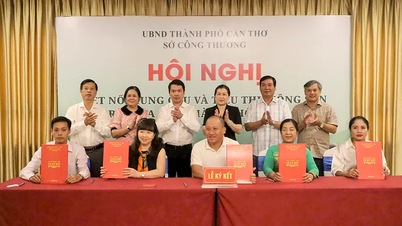
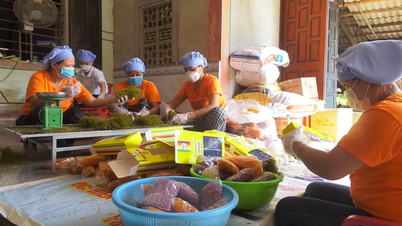
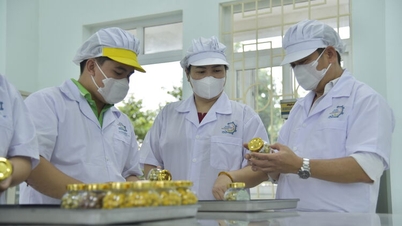
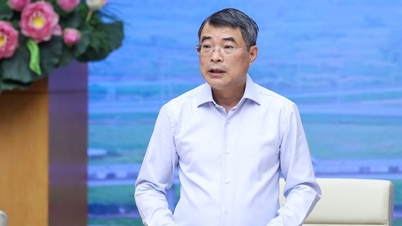
These are the outstanding results announced by Deputy Minister of Science and Technology Le Xuan Dinh at the workshop summarizing the Program to support the application and transfer of scientific and technological advancements to promote socio-economic development in rural, mountainous, and ethnic minority areas from 2016-2025, held on June 26th.
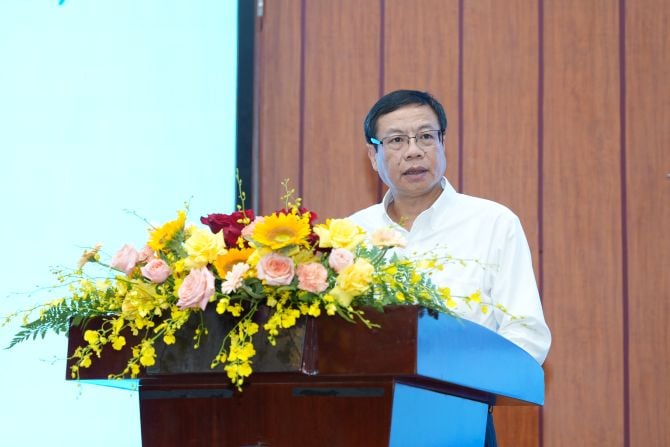
Deputy Minister of Science and Technology Le Xuan Dinh delivered a speech at the event.
After more than 10 years of implementation, the program has brought positive changes to rural areas. Thousands of applied and transferred scientific and technological models have improved the economic lives of the people, helping to increase the average economic value by more than 30% compared to the old production methods. In addition to bringing technology, the program also focuses on investing in human resources by organizing training for more than 1,800 management staff, more than 4,000 grassroots technicians, and providing training for over 82,700 farmers.
According to Deputy Minister of Science and Technology Le Xuan Dinh, the greatest success of the Program is not measured solely by the number of models or processes transferred, but by bringing science and technology closer to the people, businesses, and local authorities. Through this, knowledge is transformed into productivity, technology into sustainable livelihoods, and innovation becomes the driving force for local development.

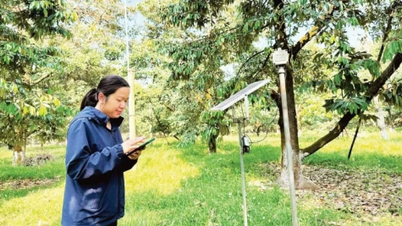
In rural and mountainous areas, science and technology have permeated many diverse fields such as flower and ornamental plant production, medicinal herbs, potatoes, aloe vera, beekeeping, wood processing, and even high-tech agriculture. Thanks to these projects, many large-scale concentrated raw material areas have been formed, and productivity and product quality have continuously improved. This also serves as a leverage to help people build brands, create more jobs, and expand markets for their products.
To achieve these advancements, the program's core objective was to create strong linkages between the "four stakeholders": the State, scientists (institutes, universities), businesses, and farmers. The goal of this linkage model was to rapidly introduce technological advancements into production, while simultaneously supporting businesses in adopting and mastering modern technologies to create products with high economic value.
However, alongside the outstanding results, the process of technology transfer to rural and mountainous areas also faces numerous obstacles. Localities and projects still encounter objective difficulties related to natural disasters, epidemics, and market fluctuations. Furthermore, administrative procedures, the capacity of people to adopt technology, and the ability to maintain and replicate successful models after the project ends remain challenges that need to be thoroughly analyzed and addressed.



With new directions and support solutions in the next phase, science and technology are expected to continue to be the "key" to unlocking prosperity and bringing sustainable changes to rural areas and remote regions across the country.
Source: https://doanhnghiepvn.vn/cong-nghe/doi-thay-lang-que-nho-khoa-hoc-va-cong-nghe/20260627064456928



































![[Photo] Thousands of people participate in a run to show their support for the campaign "Sharing a common determination to build drug-free communes, wards, and special zones".](https://vphoto.vietnam.vn/thumb/1200x675/vietnam/resource/IMAGE/2026/06/27/1782554475933_0673e2a3df7b5e25076a-8283-jpg.webp)