One person, many tasks
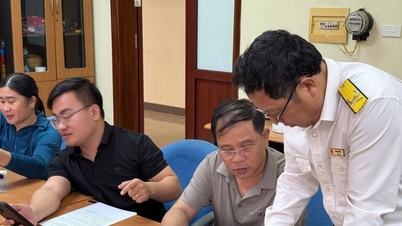
In the morning, after processing incoming documents from the Department of Culture and Social Affairs, Ms. Dang Thi Nga , a cultural officer of An Chau commune, continues to review the content of the commune's radio broadcast, adjusting each sentence to ensure it is concise, easy to understand, and accurate before reading it on the local broadcasting system. Immediately afterward, she checks files on building cultural life, family, protecting historical and cultural relics, tourism, advertising, radio and television broadcasting, and other matters requiring advice for the day.

According to the assignment, the cultural sector alone, which Ms. Nga directly advises on, encompasses numerous tasks. Each area has its own plans, documents, reports, and coordination requirements, demanding that staff members be familiar with the relevant documents, have a strong grasp of the local area, and handle issues promptly.
For An Chau commune, the workload is even heavier as the area currently has 5 provincial-level historical sites and 2 national-level historical sites. Cultural officials not only monitor movements, families, tourism , and advertising, but also have to advise on the management, protection, and promotion of the value of the historical sites; understand the condition of the infrastructure; coordinate with the local community associated with the sites; and handle any arising issues.
Furthermore, Ms. Nga also takes on many other responsibilities such as advising on the management of social funds, charitable funds, and non-governmental organizations; while also handling clerical and archiving duties and acting as the treasurer of the office. Therefore, the work of a cultural and social affairs official at the commune level is often very diverse, making it difficult to clearly separate "cultural work" from "administrative work".
After the establishment of a two-tiered local government system, the Department of Culture and Social Affairs became a specialized agency under the People's Committee at the commune level, advising on state management in many areas, including culture, family, sports, tourism, grassroots information, advertising, press, and radio and television. However, there is currently no fixed quota for the number of "cultural officers" for each commune or ward. The number of people undertaking these tasks depends on job positions, the total allocated staff, the size of the area, and the specific assignment methods of each locality.
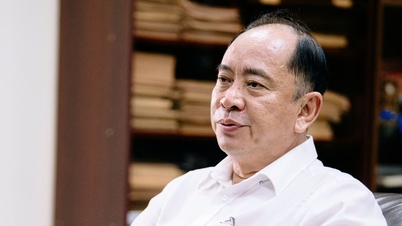
According to Ms. Hoang Thi Thu Hien, Head of the Culture and Social Affairs Department of An Chau commune, the department currently has 13 staff members, but only 3 of them are directly responsible for the cultural sector.
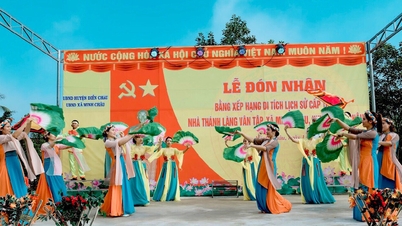
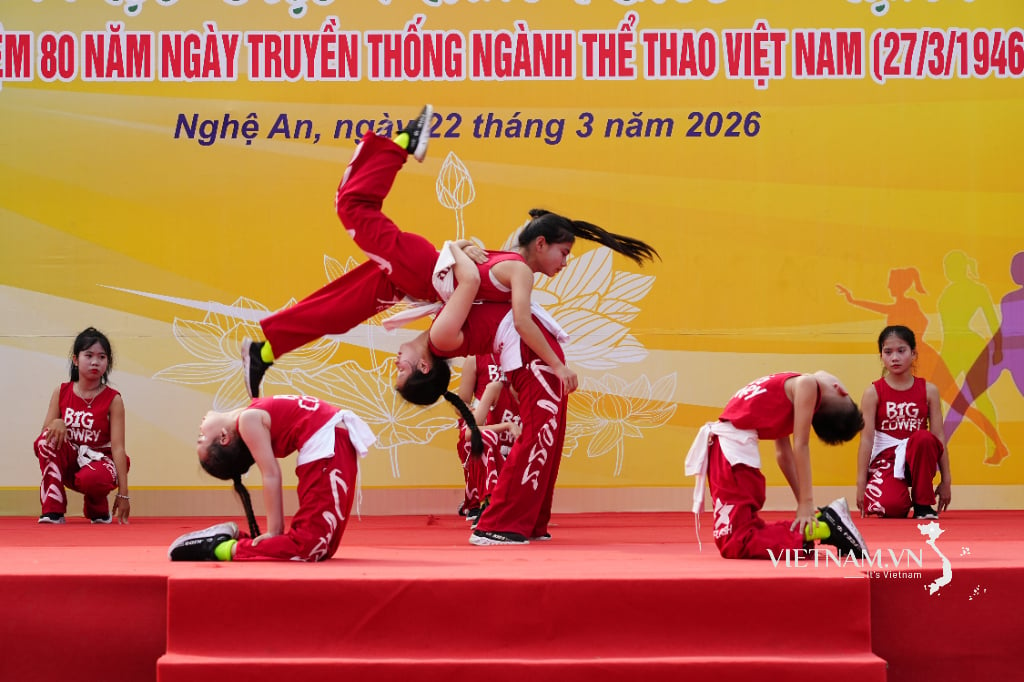
From the outside, many people might think that grassroots cultural work mainly involves arts and sports. However, in reality, this field is very broad, encompassing everything from organizing arts and sports activities, managing historical sites and festivals, to family affairs, cultural life building movements, information dissemination, digital transformation, and tourism… The workload is enormous, spread across many villages, and it would be very difficult to oversee everything with only a few people in charge.
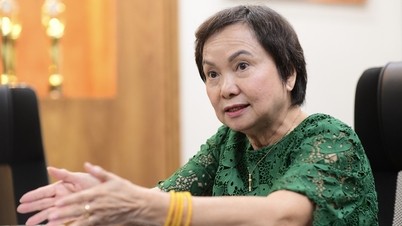
Ms. Hoang Thi Thu Hien - Head of the Culture and Social Affairs Department of An Chau Commune
Not only in An Chau, but also in Tan Ky commune, cultural work is divided into many groups. Ms. Nguyen Thi Hoa - Deputy Head of the Culture and Social Affairs Department of the commune, said that the commune has two specialists directly in charge of the cultural field, covering areas such as cultural management, electronic information portal, press, propaganda, advertising, physical education and sports, grassroots information, family, tourism, heritage, festivals, youth and gender equality.
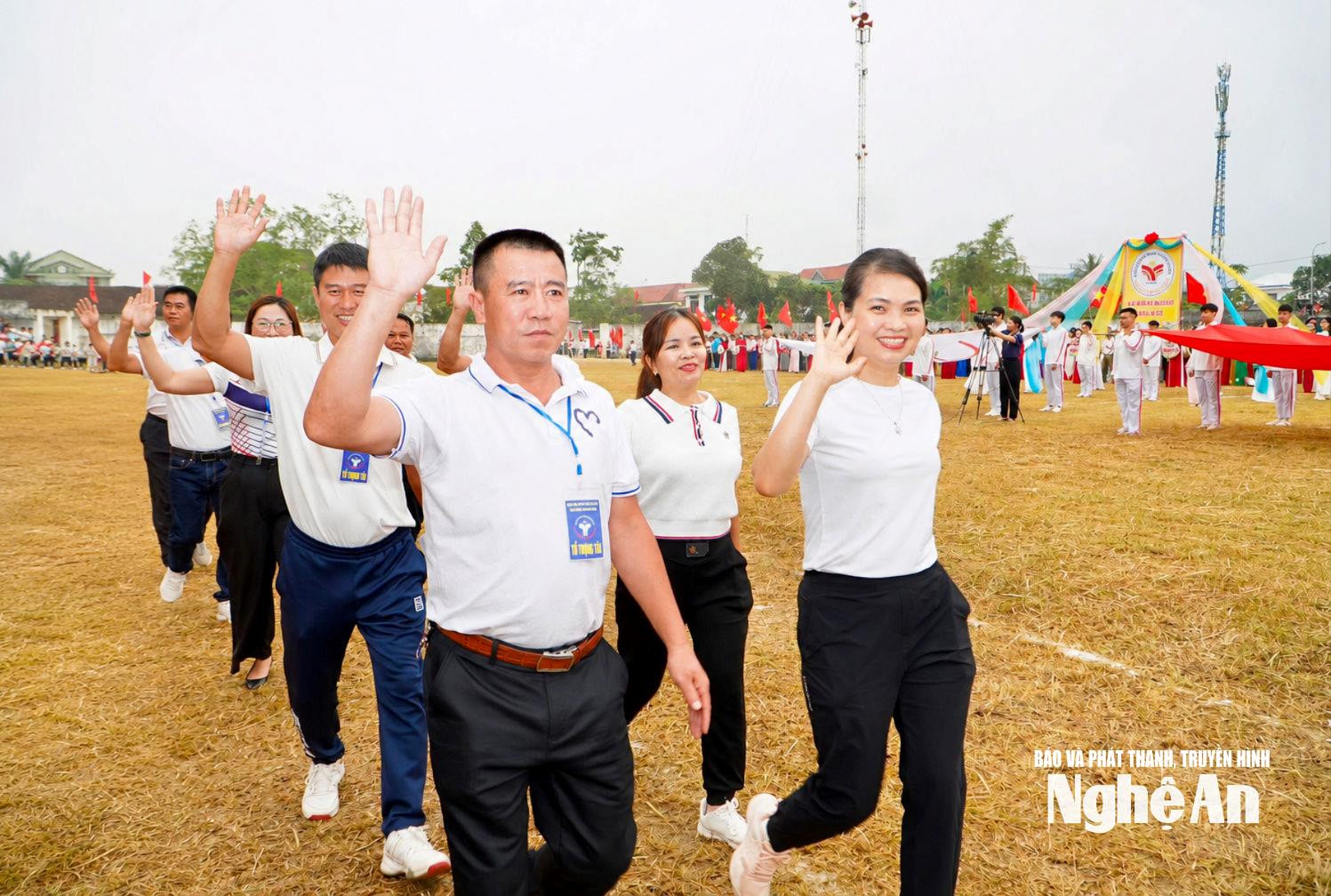
Mr. Nguyen Dinh Hung, a cultural officer in Tan Ky commune, observed that the difficulty in cultural work at the commune level is that "one task often leads to many other tasks." Organizing a cultural activity involves not only programs, stages, or movements, but also propaganda, safety, civility, data, and communication. Managing a festival is not just about the rituals, but also involves heritage, order, civilized lifestyles, tourism promotion, and community participation.
Close to the area, playing the right role.


Given this reality, the question arises: how can cultural officials be properly positioned within the local government apparatus? If cultural officials are only viewed as those responsible for organizing movements, events, or conducting periodic propaganda, it will be difficult to meet the demands of managing community cultural life in the new context.
In urban wards, the pressure comes from high population density, numerous residential areas, many events, and the rapid pace of information reception and dissemination.
“In the ward, the need for rapid dissemination of information is high, with many tasks arising daily, while cultural activities must be suitable for public spaces and the lives of urban residents. Therefore, cultural officials not only need to lead campaigns but also coordinate the management of advertising, grassroots information, cultural activities in public spaces, and digital media.”
Mr. Nguyen Ngoc Khanh – Head of the Culture and Social Affairs Department of Thanh Vinh Ward.
Meanwhile, in mountainous, remote, and ethnic minority areas, the requirements for commune cultural officials lie in their close connection with the community and their deep understanding of it. The vast geographical area, difficult transportation, scattered cultural institutions, and many villages far from the center mean that maintaining cultural activities cannot rely solely on directives or campaigns.
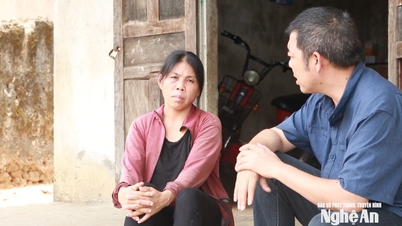
In mountainous areas, if cultural officials don't stay close to the villages, it's very difficult to grasp the real cultural life. Each village has different customs, community activities, and needs. To sustain the movement, it's necessary to understand what the people need, what the villages still preserve, and which artisans are still able to pass on their knowledge...
Mr. Nguyen Xuan Bac – Head of the Culture and Social Affairs Department, Huu Kiem Commune.
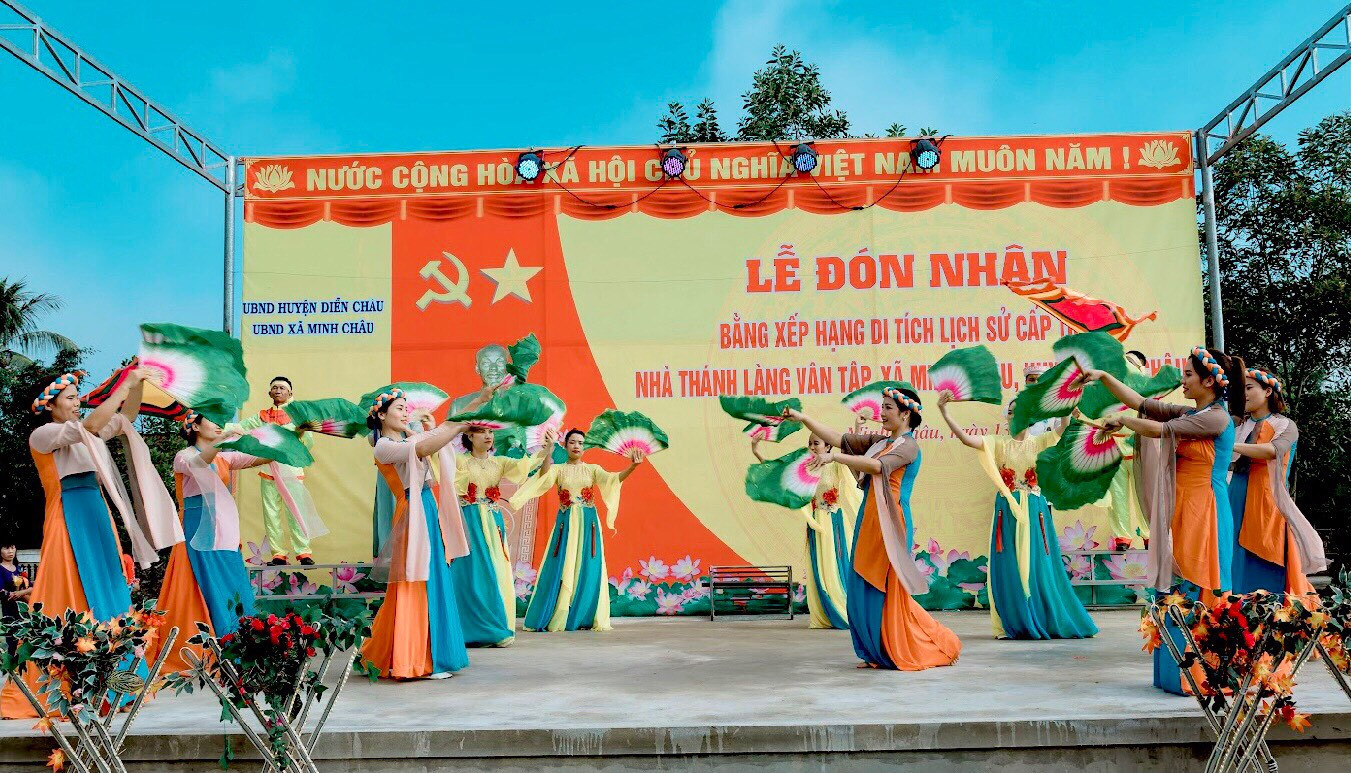
The cross-sectional views from urban to mountainous areas show that cultural work at the commune and ward levels needs to be tailored to each locality and region. In urban areas, there should be a greater focus on public civility, digital media, and community living spaces that suit the rhythm of residents' lives. In areas with many heritage sites and festivals, priority should be given to managing, protecting, and promoting the value of historical relics. In ethnic minority areas and rural areas, the focus should be on preserving cultural identity, teaching folk songs and dances, traditional crafts, and promoting the development of a new way of life.

The common thread is that grassroots cultural officials must be close to the local area, understand the community, and have the ability to connect with others. A dilapidated cultural center, a club operating at a slow pace, a festival needing adjustments to its activities, a public address system needing content updates, inaccurate information spreading on social media… all fall under the purview of the commune-level cultural and social affairs officials.
New skills and data are needed.
Based on his experience in managing grassroots information, Mr. Tran Anh Tuan, Head of the Information, Press, and Publishing Department of the Nghe An Department of Culture, Sports, and Tourism, believes that the current team of grassroots communicators mainly holds multiple positions, and their communication skills and application of information technology and digital communication are uneven. Meanwhile, the operation of grassroots information channels is largely entrusted to officials of the Culture and Social Affairs Department, at a time when the workload of advising on state management is very large.
Therefore, according to Mr. Tran Anh Tuan, it is necessary to focus on training and developing professional skills and digital communication skills for officials of the Culture and Social Affairs Department and grassroots communicators.

According to Ms. Tran Thi My Hanh, Director of the Department of Culture, Sports and Tourism of Nghe An province, when communes and wards take on more tasks, the requirement is not only to have enough personnel, but also to improve the quality of the team working in grassroots cultural affairs.
Cultural officials need to be trained in a practical way: knowing how to advise on cultural plans at the commune level, manage and operate cultural institutions, understand heritage and festivals, organize community activities, and mobilize social participation; while also being able to use digital technology in communication, statistics, and data storage.
In addition, each commune and ward needs to build a basic database on historical sites, festivals, customs, artisans, clubs, sports fields, cultural centers, cultural family models, and cultural residential areas. With this data, the allocation of resources, organization of community activities, and promotion of heritage will be clearer and more effective.
When communes and wards become the closest level to the people in organizing cultural life, grassroots cultural officials are not only those who 'run movements', but also those who advise, connect, and maintain the rhythm of community activities.
Ms. Tran Thi My Hanh - Director of the Department of Culture, Sports and Tourism of Nghe An Province
Source: https://baonghean.vn/doi-vai-de-giu-nhip-doi-song-van-hoa-co-so-10342892.html