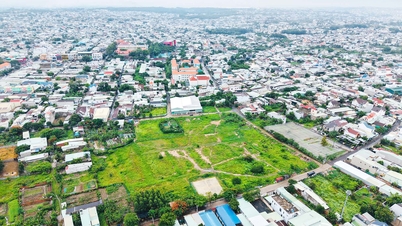
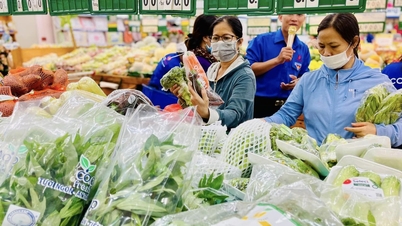
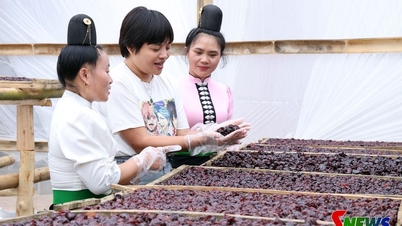
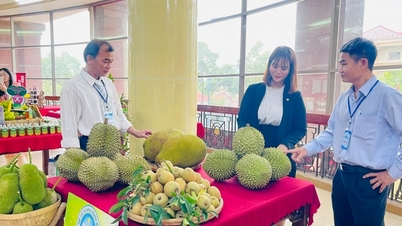
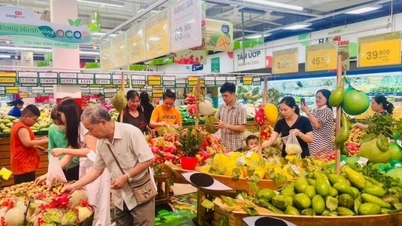
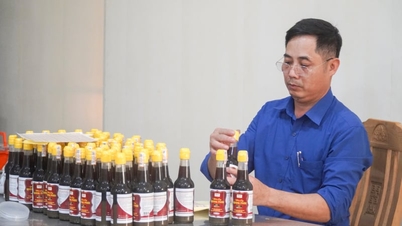
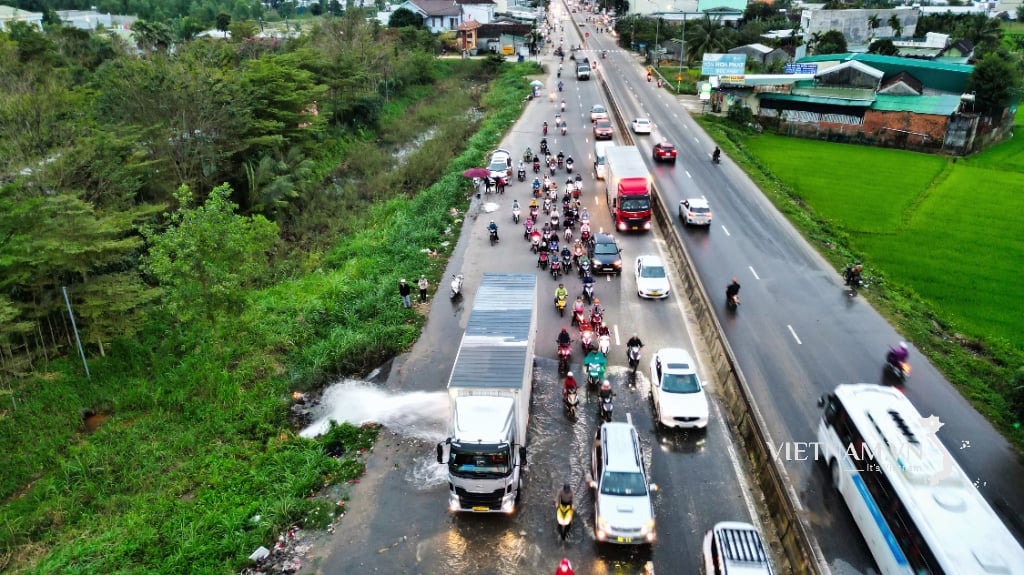
Unlike the alluvial plains of the Southwestern region of Vietnam, Dong Nai boasts fertile red basalt soil and a mild climate, surrounded by the extensive Dong Nai and Be rivers and numerous natural lakes. This creates favorable conditions for the development of lush, year-round fruit orchards.
Dong Nai - an ecotourism destination
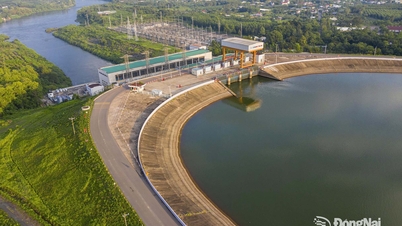
When people think of Dong Nai, they often picture one of the most vibrant industrial centers in the country. However, hidden behind the hustle and bustle of factories and enterprises is a lush, vibrant green landscape. Especially after merging with Binh Phuoc province – a region with vast agricultural land and a rich ecosystem of forests, rivers, streams, lakes, and dams – Dong Nai is gradually asserting its position as a leading eco-tourism destination, with its fruit orchard tourism model being the strongest attraction for visitors.
 Báo Đồng Nai•03/07/2026
In recent years, Dong Nai province has seen the formation and development of large-scale fruit-growing areas combined with tourism, such as Long Khanh, known as the fruit kingdom with specialties like rambutan, durian, and mangosteen; Long Thanh and Nhon Trach, famous for their strawberry gardens and riverside ecological zones; and the tea plantation and fruit orchard experiences at My Le Eco-tourism Area and Qua Dieu Vang Tourist Farm.
While farmers previously focused solely on agriculture, many farming households have now shifted significantly towards an economic model that combines agriculture with ecotourism in their orchards. This model offers dual benefits, both preserving green spaces and contributing to increased income for local people. Tourists, especially those from large cities, seek out ecotourism in Dong Nai as a way to heal and escape the smog and noise of urban life.
You may also like
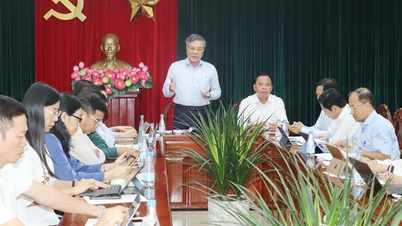
Connecting the promotion of OCOP products with ecotourism.(Dong Nai) - On the morning of July 3rd, the Dong Nai City Farmers' Association chaired a conference to connect, promote, display, and sell OCOP products in conjunction with the peak season of eco-tourism in garden areas in Binh Loc ward. Attending the conference were leaders of the Farmers' Association, leaders of Binh Loc ward, OCOP producers, and garden owners in the area.

The "lungs" that maintain the sustainable ecological environment of the capital city.With its rapid urbanization, Hanoi's green space planning has undergone a strategic shift in recent years. Implementing Resolution No. 02-NQ/TW of the Politburo on the development of Hanoi in the new era, agriculture in the city has strongly shifted from a purely production-oriented mindset to an urban agricultural economy, creating multi-dimensional value, including its role as the "lungs" of the capital's environment...
The Party cell of Tam Hiep High School admitted 21 new Party members.(Dong Nai) - On the morning of July 3rd, the Party Branch of Tam Hiep High School, under the Party Committee of Tam Hiep Ward, Dong Nai City, held a ceremony to admit new party members.
In particular, the strong development of transportation infrastructure (Long Thanh International Airport is nearing completion, the Bien Hoa - Vung Tau and Dau Giay - Phan Thiet expressways, etc.) helps connect Dong Nai with neighboring provinces and cities in the region and international tourists. This is a favorable condition for Dong Nai to attract and retain weekend vacationers. However, ecotourism in Dong Nai's orchards has not developed to its full potential; many orchards operate in a fragmented manner, lacking professional service skills, and the accommodation options are not diverse. Notably, tourists only flock during the fruit ripening season, with a significant decrease in visitor numbers during the rest of the year…
To overcome this and optimize investment costs, it is necessary to develop year-round orchard models, intercropping fruit trees that bear fruit year-round. Combine orchard tourism with high-tech agricultural tourism, offering children the experience of being a farmer. Simultaneously, develop integrated tour packages connecting historical sites and ecological areas...
Developing orchard ecosystems in conjunction with tourism is not only a green livelihood for farmers but also a strategic direction for harmonious development between the economy and nature conservation. Preserving the greenery of the orchards and cherishing every visitor's experience is the "key" to the take-off of tourism in Dong Nai.
Minh Ha

The Ministry of Foreign Affairs received a copy of the Letter of Credence for the U.S. Ambassador to Vietnam.On the afternoon of July 2nd, at the Ministry of Foreign Affairs headquarters, Mr. Le Cong Dung, Director of the State Protocol and Foreign Interpretation Department, received a copy of the Letter of Credence from Ms. Jennifer Wicks, Ambassador of the United States of America to Vietnam.
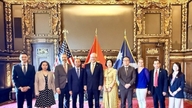
Ambassador Nguyen Quoc Dung visits and works in Minnesota, USA.From June 28-30, the Vietnamese Ambassador to the United States, Nguyen Quoc Dung, paid a visit and worked in Minnesota.

Vietnam encourages US businesses to expand investment in high technology.On the morning of June 26th, at the Government Headquarters, Deputy Prime Minister Ho Quoc Dung received Mr. Jeff Place, Supply Chain Director of Coherent Group (USA). During the meeting, the Deputy Prime Minister affirmed that Vietnam encourages US businesses to expand investment, especially in high-tech, innovation, and semiconductor industries.
Source: https://baodongnai.com.vn/dong-nai-cuoi-tuan/202607/dong-nai-diem-den-du-lich-sinh-thai-4f41188/

![[Image] Overview of the construction site for the underground station of metro line 5 at the Hanoi Ring Road 1 intersection.](https://vphoto.vietnam.vn/thumb/1200x675/vietnam/resource/IMAGE/2026/07/03/1783065595682_ndo_br_z7974930852369-100ca093c306e72675f1d3700966a86b-jpg.webp)

Trending by Tag
Trending by Category

Most Read
Google Trends







Same author