

Institutional reform has been a much-discussed issue recently, identified by our Party as one of the three strategic breakthroughs. A good institutional framework creates a transparent and favorable environment to unleash all resources, encourage innovation, ensure social justice, maintain political stability, and promote economic and social development, and vice versa.
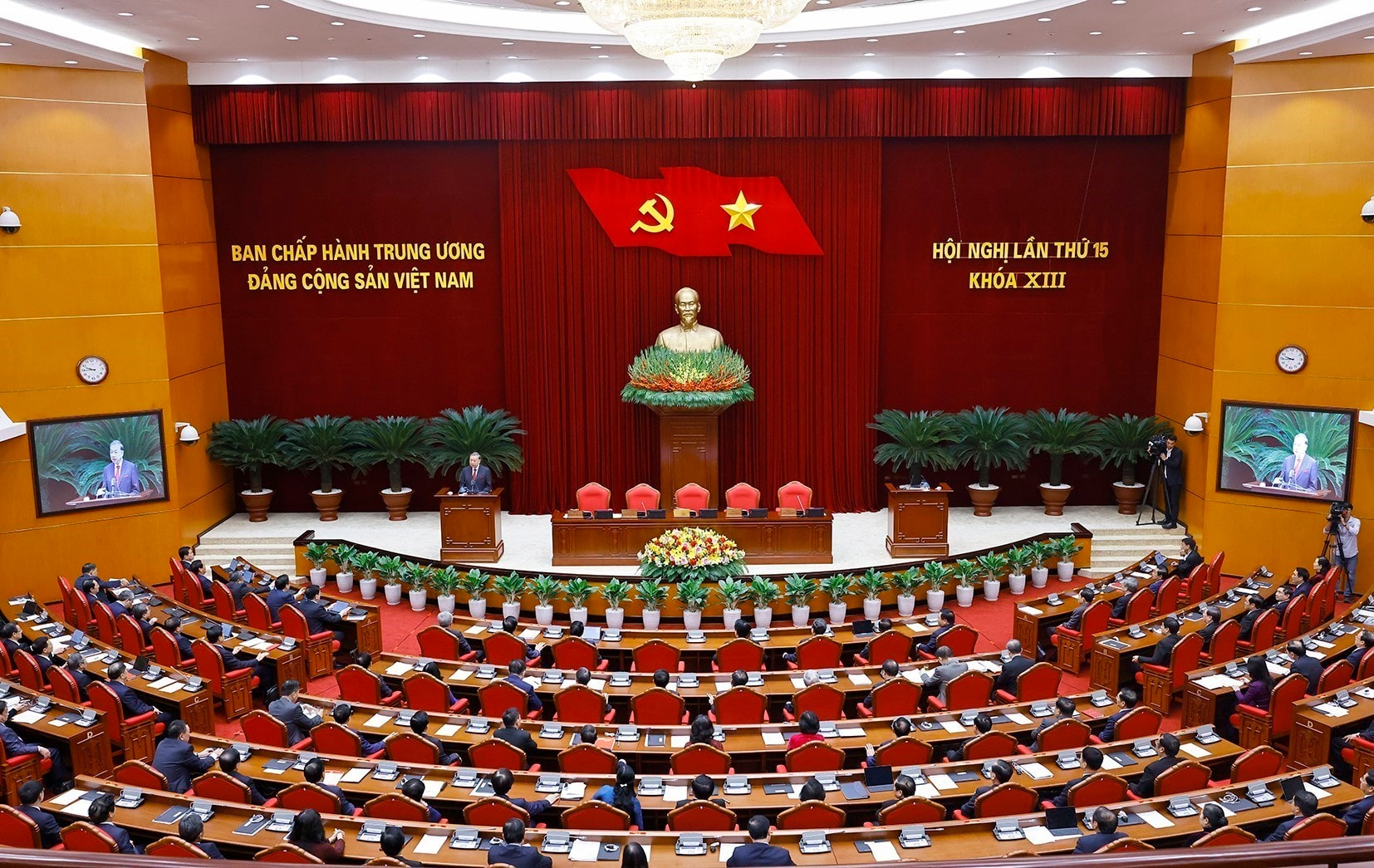
Over the past period, we have continuously improved our institutions, with the adoption of a large number of legal documents and the acceleration of their implementation. However, we must frankly acknowledge that institutions are still considered a "bottleneck" within a "bottleneck." The quality of some legal documents that have been drafted and promulgated has not met the requirements. The situation where newly promulgated legal documents require amendment; overlapping legal regulations or legal gaps due to delays in issuing guiding documents, although not widespread, still occur. This has led to a fear and avoidance of responsibility among some officials and civil servants, as they do not know which regulations to apply correctly!
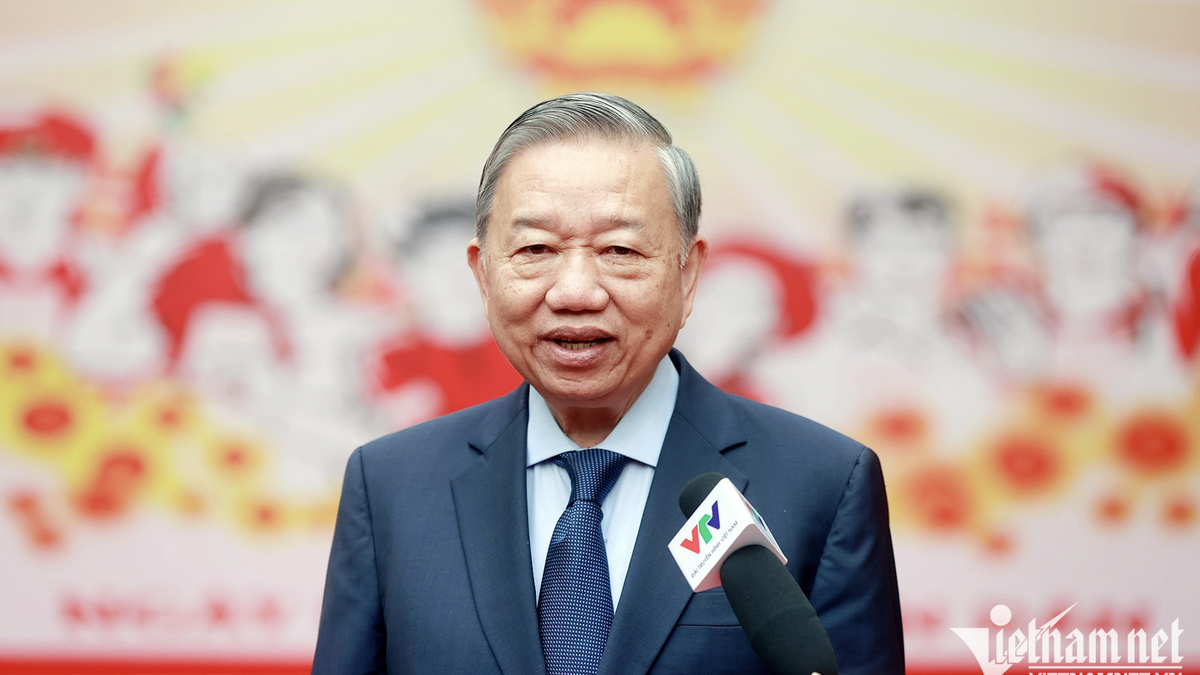
The obstacles and bottlenecks in legal regulations and implementation were once again pointed out by General Secretary To Lam at the recent Tenth Session of the National Assembly , namely that "in practice, there is still a situation where 'the law is correct but difficult to implement, it is clear in the parliamentary chamber but encounters obstacles at the grassroots level'."
To overcome bottlenecks and meet the demands of the new era, the Party continues to identify institutional reform as a crucial breakthrough for development. One of the most significant milestones in this breakthrough is the promulgation of the "four pillars": Resolution No. 57-NQ/TW on breakthroughs in the development of science, technology, innovation, and national digital transformation; Resolution No. 59-NQ/TW on proactive, comprehensive, and in-depth international integration; Resolution No. 66-NQ/TW on reforming the work of lawmaking and enforcement; and Resolution No. 68-NQ/TW on promoting the development of the private economy. Based on this, the National Assembly has issued many important resolutions and laws to institutionalize the innovative spirit of these important resolutions. In the recent Tenth Session alone, the National Assembly completed a massive legislative task, considering and voting on 51 laws and 39 resolutions. These are all laws and resolutions that have been passed to both promptly meet practical requirements and create a legal framework for the new phase.
The timely promulgation of laws and resolutions to create a complete and robust legal framework to promote development is essential. However, it is crucial to find solutions to overcome the weak point in law enforcement. In the resolution of the recent Tenth Session, the National Assembly requested that with 51 laws and 39 resolutions passed, the Government and the Prime Minister direct relevant ministries and agencies to develop, promulgate, or submit to competent authorities for promulgation, detailed regulations and guidelines for the implementation of these laws and resolutions, so that they can be enforced immediately upon their entry into force.
In addition, the National Assembly also assigned the Standing Committee of the National Assembly to continue reviewing and supplementing laws and resolutions to promptly address difficulties and obstacles, improve the investment and business environment, and achieve double-digit economic growth in 2026 and subsequent years. Agencies are to continue strictly implementing the provisions of the Law on the Promulgation of Legal Documents of 2025 and the requirement to innovate thinking in lawmaking, promptly identify and address difficulties, obstacles, and issues arising from outdated legal provisions, and establish a roadmap to complete the amendment, supplementation, and promulgation of new laws on time to ensure the synchronization of the state apparatus's operations, remove bottlenecks for science, technology, innovation, and digital transformation. Along with this, strengthen inspection and supervision, linking lawmaking with the organization of law enforcement.
The Central Committee's identification of a strong breakthrough in institutional development as a top strategic breakthrough reflects the Party's profound vision, innovative thinking, and high political determination in the new revolutionary period. The Party's policies and the National Assembly's resolutions are clear; the remaining issue is implementation, ensuring that laws and resolutions are promptly put into practice. Institutions for development must be built on the foundation of a complete and rigorous legal system, yet one that is still flexible and provides space for innovation and development. There can be no "grey areas for abuse or evasion." As General Secretary To Lam said: "Policies enacted must be measurable by their impact, risk control, and especially must create favorable conditions, not add more procedures. A good law is not one that is well-written, but one that is implemented in practice."
Source: https://daibieunhandan.vn/dot-pha-manh-me-ve-the-che-phat-trien-10401563.html
![[Photo] Tran Cam Tu, Standing Member of the Secretariat of the Central Committee, presides over the first meeting of the Central Steering Committee on the Development of Vietnamese Culture.](https://vphoto.vietnam.vn/thumb/1200x675/vietnam/resource/IMAGE/2026/03/19/1773895004549_ndo-br-bnd-1195-2-jpg.webp)









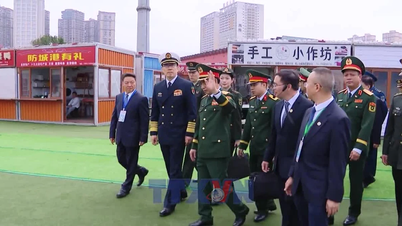
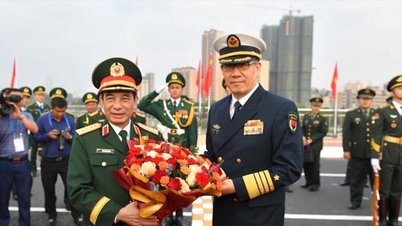
![[Video] Continuing the activities of the 10th Vietnam-China Border Defense Friendship Exchange](https://vphoto.vietnam.vn/thumb/402x226/vietnam/resource/IMAGE/2026/03/19/1773936415100_dung01-12-21-01still005-png.webp)

![[Video] The Prime Minister hopes and believes that the EC will consider lifting the IUU "yellow card" against Vietnamese seafood.](https://vphoto.vietnam.vn/thumb/402x226/vietnam/resource/IMAGE/2026/03/19/1773936416647_dung01-06-55-21still004-png.webp)





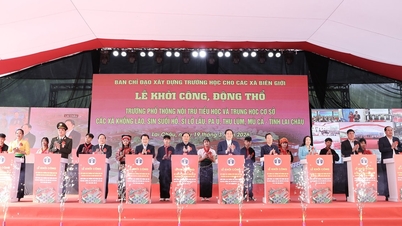


![[Photo] The General Secretary and the Prime Minister attend the groundbreaking ceremony for multiple-level boarding schools in border areas.](https://vphoto.vietnam.vn/thumb/1200x675/vietnam/resource/IMAGE/2026/03/19/1773888999705_vna-potal-tong-bi-thu-va-thu-tuong-du-le-khoi-cong-dong-tho-dong-loat-cac-truong-noi-tru-lien-cap-bien-gioi-8649904-3885-jpg.webp)



















































Comment (0)