

A boost for Vietnam's tourism .
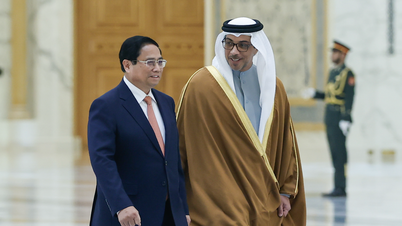
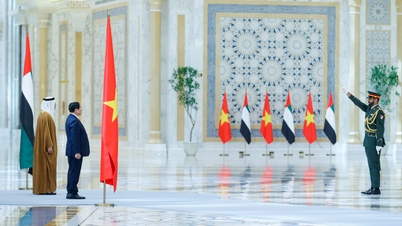
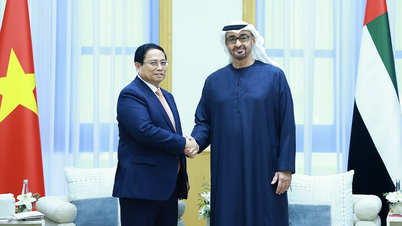
Besides the Vietnam-UAE Comprehensive Economic Partnership Agreement (CEPA) signed on October 28th, Prime Minister Pham Minh Chinh's visit to the UAE also resulted in 10 cooperation documents between businesses from both sides, including cooperation agreements on high technology, artificial intelligence, logistics, services, and trade. To pave the way for seamless connections, Vietjet and Emirates airlines signed cooperation agreements to expand connectivity between major cities in Vietnam and Dubai, UAE, as well as other global destinations.
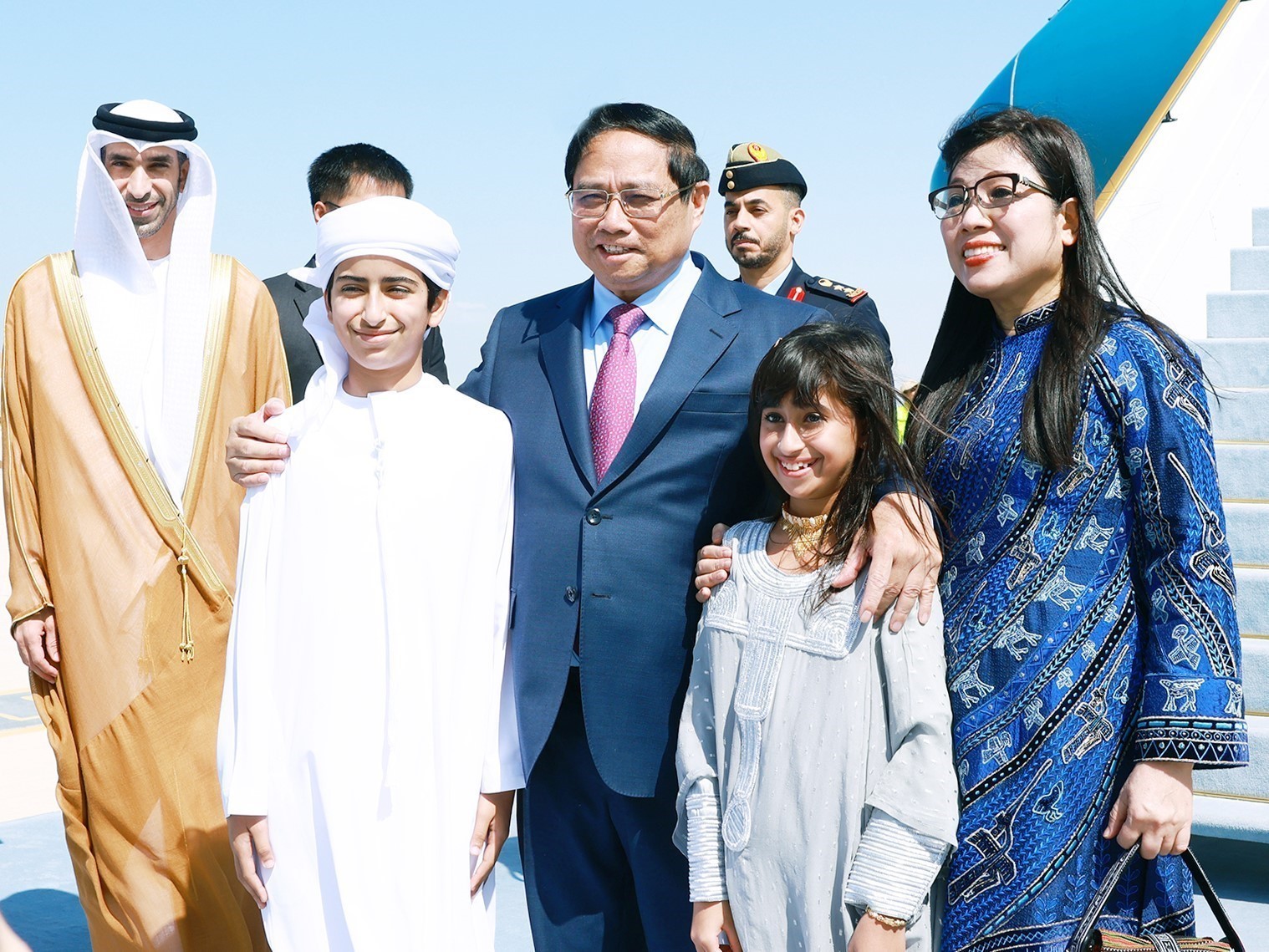
Prime Minister Pham Minh Chinh 's visit to the UAE and other Middle Eastern countries opens up great opportunities for Vietnam's tourism industry to welcome tourists from this market.
According to the agreement, Emirates passengers can conveniently connect with Vietjet's flight network via Hanoi, Ho Chi Minh City, and Da Nang. At the same time, Vietjet passengers can easily access Emirates' global flight network via Dubai, with seamless service and itineraries. The two airlines will also cooperate in developing technology and improving digitalization in the aviation industry. Adnan Kazim, Vice President and Chief Commercial Officer of Emirates, assessed Vietnam as a market with great potential to boost tourism and trade. The cooperation with Vietjet not only expands Emirates' presence in Vietnam but also supports the world's most expensive and luxurious airline in seeking more cooperation opportunities in the future. This means a large number of business travelers and tourists from Middle Eastern countries will be drawn to Vietnam.
In fact, since the Covid-19 pandemic, the Middle East has been a market that Vietnam's tourism industry has focused on conquering. Initially, India, with its massive population, many of whom are Muslim, was targeted by Vietnam as an optimal choice to fill the void left by the slow recovery of the traditional Chinese tourist market. However, Vietnam not only quickly won the hearts of Indian tourists but also caught the attention of many billionaires from the UAE. Lavish weddings, large-scale meetings, and team-building events held in many provinces and cities from North to South officially put Vietnam into the race to attract wealthy tourists. This also aligns with Vietnam's orientation towards becoming a high-class tourist destination. Therefore, the Ministry of Culture, Sports and Tourism, the National Tourism Administration, and airlines and tourism businesses have quickly implemented promotional activities to enhance Vietnam's image in the eyes of Middle Eastern tycoons.
Looking back two years ago, when discussing attracting Middle Eastern tourists to Vietnam, the Vietnamese Ambassador to Qatar, Tran Duc Hung, acknowledged that many visitors from countries belonging to the Gulf Cooperation Council (GCC) were even unaware of Vietnam. When asked about tourism cooperation, they expressed surprise: Where is Vietnam located? What does it have to offer? The reason was that information about Vietnamese tourism to countries in the Middle East was very limited. We had not yet systematically and regularly promoted tourism to this market. Before the pandemic, despite Vietnam's favorable geographical location and its concentration of countries with the largest Muslim populations in the world, tourists from the Middle East accounted for an insignificant percentage. Meanwhile, tourism markets like Singapore, Malaysia, and Thailand attracted a large number of tourists from Muslim countries, mainly high-end travelers with high spending power.
To date, the majority of Muslim tourists visiting Vietnam are from India, while the number of visitors from the Middle East, such as Bahrain, Kuwait, Oman, Qatar, Saudi Arabia, and the UAE, remains quite modest. Therefore, experts believe that officially upgrading the Comprehensive Partnership, along with strategic agreements signed between leading Vietnamese and UAE economic groups, will be a new impetus for Vietnam's tourism industry to attract tourists from this unique market.
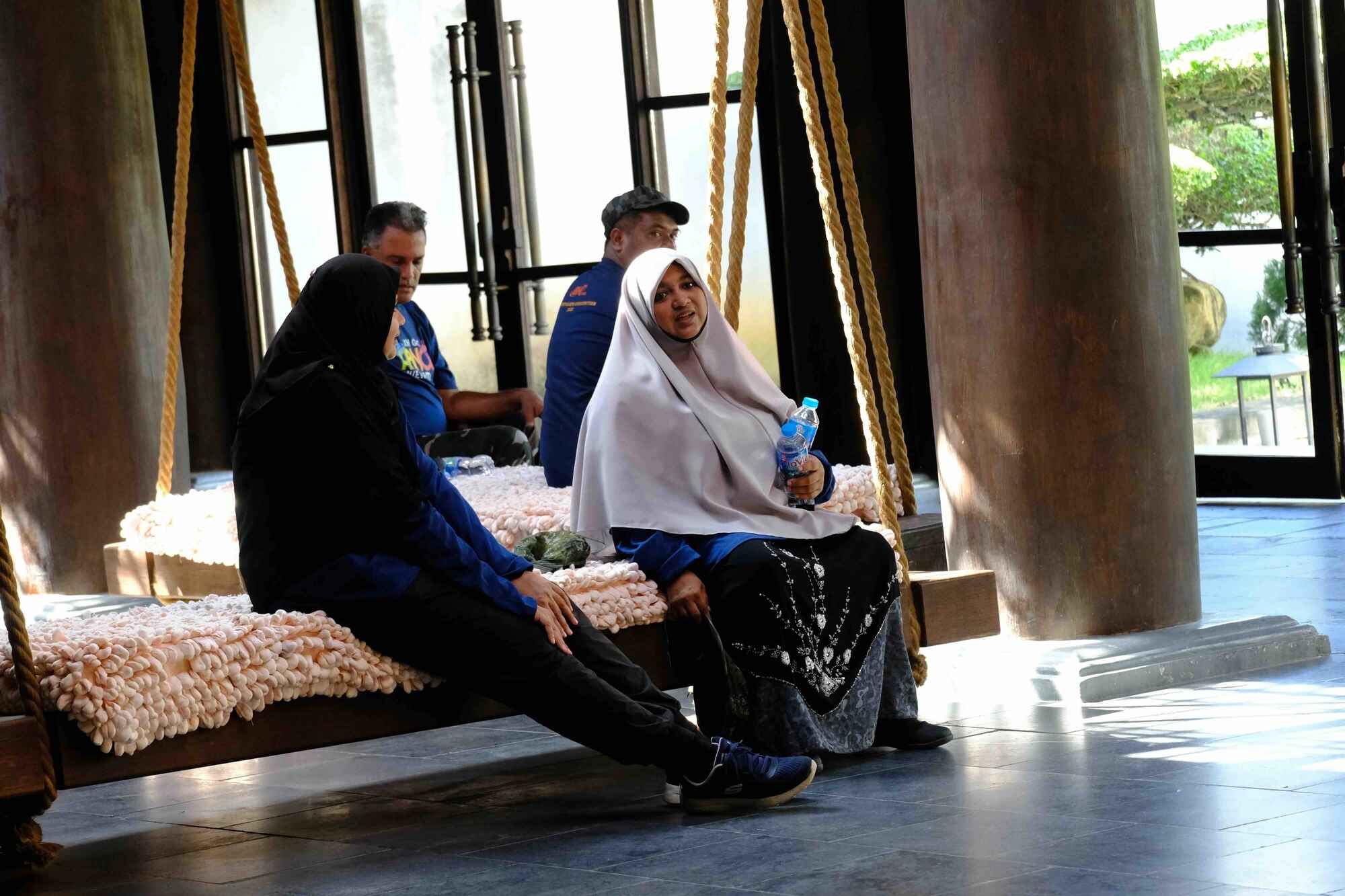
The number of Muslim tourists visiting Vietnam is increasing. In the photo: Muslim tourists visiting the Yen Tu cultural space (Quang Ninh).
Many advantages to become a new destination.
Speaking to Thanh Nien newspaper, an official from the National Tourism Administration stated that the Middle East and India are very large markets, with a rapid increase in outbound tourism in recent years. Specifically, the Middle East comprises 17 countries and 1 territory, with nearly 400 million people. Not only is it renowned for its oil and gas resources, financial resources, and science and technology, with some of the world's largest and most reputable public investment funds, but it is also a potential source market for tourists. With a strong economy and a growing wealthy class, the demand for tourism in the Middle East is projected to increase rapidly in the coming years, reaching US$165 billion by 2025, with leading source markets being Saudi Arabia, Iran, Türkiye, and Israel. These four countries contribute 68% of the region's total tourists. Currently, Vietnam only receives a few tens of thousands of tourists from the Middle East. Therefore, Vietnam has significant potential to further exploit this enormous market.
According to the World Tourism Organization (UNWTO), tourists from GCC countries spend 6.5 times more than the global average, with 40% of individual tourists spending more than $10,000 per trip. This is considered a "gold mine" that many countries focusing on tourism development want to target. Thailand, Singapore, Malaysia, etc., have an advantage over Vietnam because they have exploited this market very early on, but they are at a disadvantage compared to Vietnam in terms of novelty.
Specifically, Middle Eastern tourists prefer visiting World Heritage sites; seeking business opportunities; cultural tourism, learning about, exploring, and experiencing traditional crafts; and medical and wellness tourism. With good security and order, and abundant tourism resources, Vietnam is a very suitable destination for the preferences and needs of tourists from the Middle East.
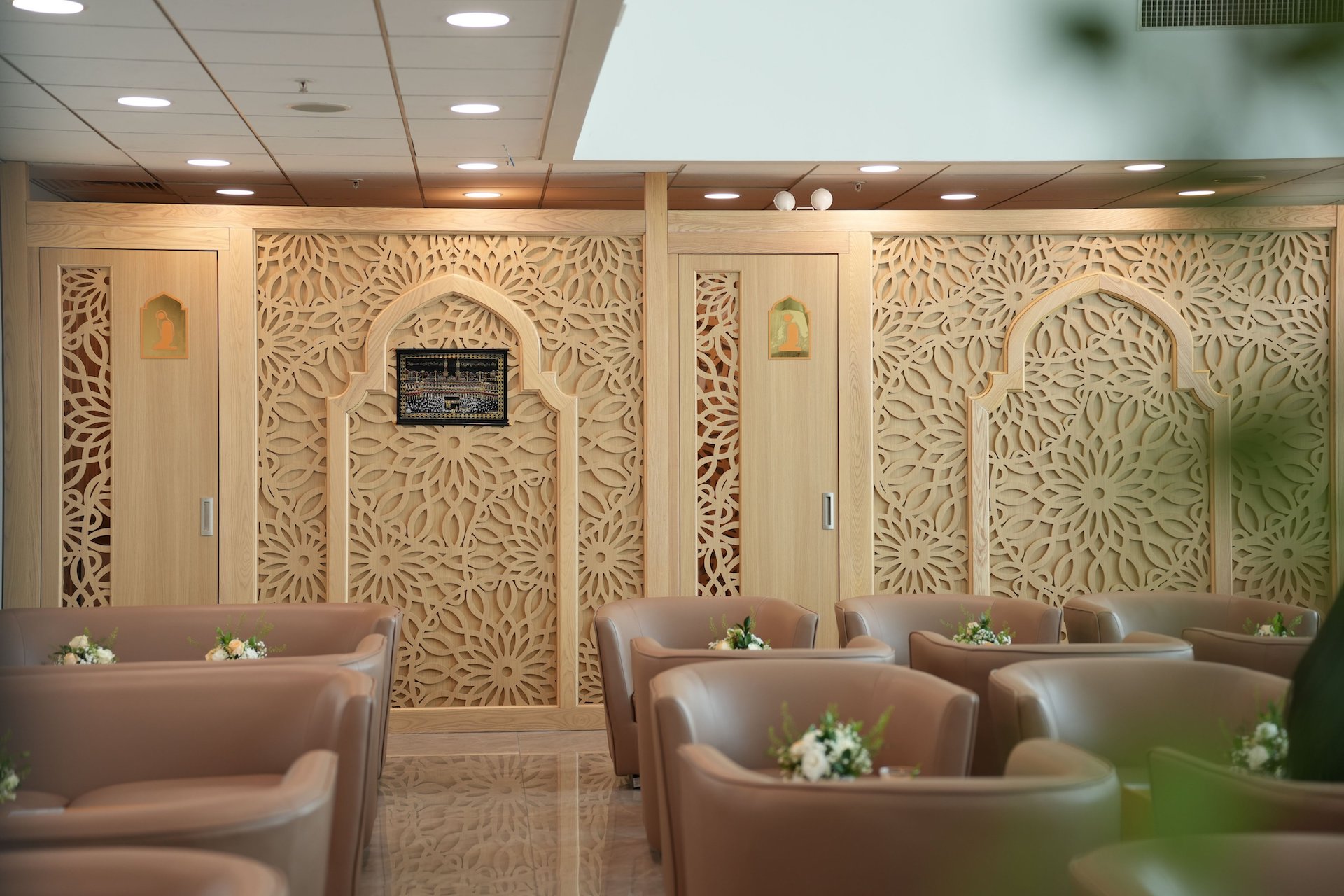
Prayer room for Muslim business travelers at Tan Son Nhat International Airport departure terminal.
Besides existing resources, representatives from the National Tourism Administration acknowledge that Vietnam has also begun to gain experience in serving Halal tourists, basically meeting the essential needs of this group. Many restaurants have implemented separate dining areas with food prepared according to Halal standards, satisfying Muslim tourists. Almost every locality has mosques, with the highest concentration in Ho Chi Minh City. This is a favorable condition for tourists to visit and worship.
A groundbreaking visa waiver program welcomes wealthy visitors.
After four years of focusing on the Indian and GCC markets, Vietravel Corporation Chairman Nguyen Quoc Ky assessed this as an extremely large, potential, and favorable market, but by no means easy to conquer. During the promotional and marketing process, Vietravel observed that Vietnamese consulates and diplomatic agencies in the GCC showed great interest in tourism development cooperation and provided strong support to businesses in organizing destination promotion events. There were even campaigns bringing farm trips and press trips from these countries to Vietnam to learn about, promote, and research products. However, to date, only the Indian market has yielded significant positive results; the number of tourists from the GCC remains very modest. Commercial flights and charter flights mainly send Vietnamese tourists to India rather than bringing tourists back.
According to Mr. Nguyen Quoc Ky, the reason is that Vietnam's tourism infrastructure has not yet met their needs. Middle Eastern and Indian tourists are collectively known as Muslim tourists. This is a very specific group with particular requirements regarding food, shopping, and accommodation. While it's true that Vietnam currently has restaurants that meet Halal standards and hotels with prayer rooms, the number is very small and mainly concentrated in a few major tourist cities. Standards and regulations for Halal food have not been widely established and published. Furthermore, food traceability is not clearly defined.
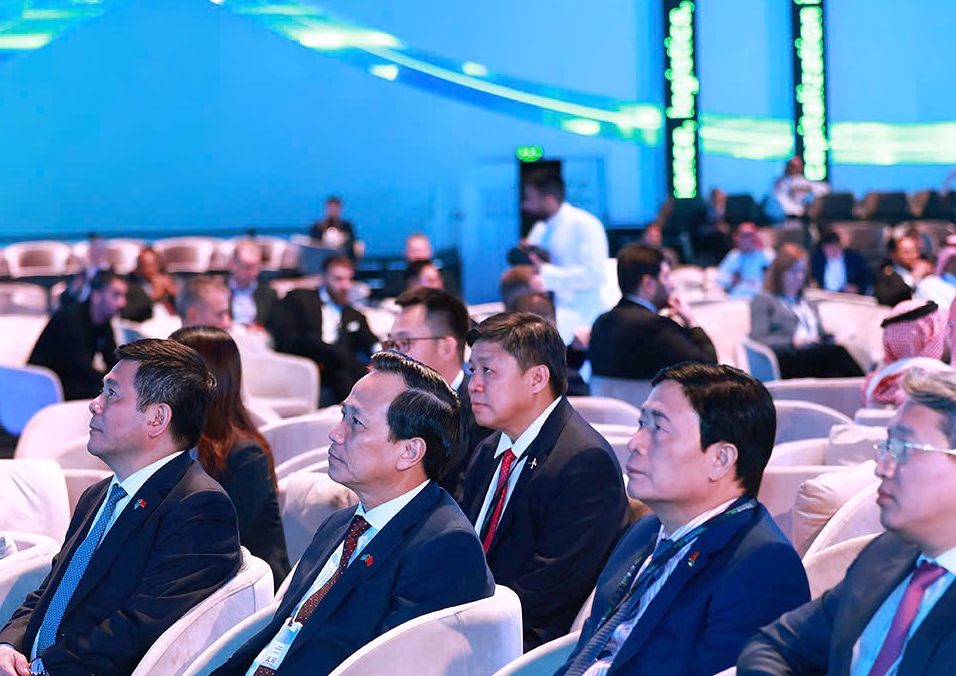
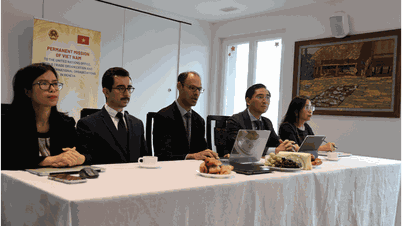
A representative from Vietjet (third from the left) accompanied the delegation of Prime Minister Pham Minh Chinh to the 8th Future Investment Initiative Conference held in Riyadh, Saudi Arabia, on October 30.
Regarding shopping, Vietnam still lacks products that meet their needs. Middle Eastern tourists are wealthy and shop extensively, but their countries have no shortage of designer goods, and prices are often cheaper than in Vietnam. They like silk, but Vietnam doesn't have reputable, high-quality brands. They like gold, but our gold craftsmanship can't compete with theirs. Spa, sauna, beauty, and health care services are improving, but they still don't suit the customs and traditions of Muslims. They demand privacy, discretion, sophisticated design, and uniqueness…
“When Middle Eastern businesses came to Vietnam for surveys, everyone praised the beautiful scenery, the weather, the landscape, and the fresh seafood; but in terms of depth and breadth of service provision, we haven't been able to meet their needs. Previously, our products mainly served traditional customer segments with the highest number of visitors, without focusing on specific customer segments. When Malaysia came to Vietnam wanting to develop cooperation, they also raised the issue of infrastructure provision, but at that time we couldn't adapt quickly enough, so the number of Malaysian tourists coming to Vietnam struggled to grow. The Muslim population accounts for about one-third of the world's total population, concentrated mainly in the Middle East, Southeast Asia, South Asia, and the South Pacific, very close to Vietnam. That is a big advantage in competing to attract this wealthy customer segment,” Mr. Nguyen Quoc Ky suggested.
During a meeting between Prime Minister Pham Minh Chinh and the Vietnamese community in the UAE on the evening of October 27th, Ms. Nguyen Thi My Tan, CEO of Desert Harbour Tourism Dubai, stated that her company has recently brought many Vietnamese tourists to the UAE. Currently, the company is also striving to bring wealthy clients from the UAE, and the Middle East in general, to Vietnam for tourism. To achieve this, Ms. My Tan suggested that the government should ease visa requirements for UAE tourists entering Vietnam. Currently, the UAE passport is among the most powerful in the world, granting visa-free entry to nearly 200 countries. Visa exemption for this market would give Vietnam a competitive advantage for a breakthrough in tourism.
A golden opportunity to attract high-spending customers.
Currently, the government is aiming to develop the Halal tourism industry into a strong sector, making Vietnam an indispensable destination on the global Halal map. Furthermore, we have done very well in connecting infrastructure, opening many direct flights between the capitals of India and other Middle Eastern countries to Hanoi, Da Nang, and Ho Chi Minh City. Overall, Vietnam possesses everything that Middle Eastern tourists need. We are in a golden opportunity to effectively capitalize on this high-quality tourist stream.
Representative of the Vietnam National Tourism Administration
The government has paved the way; the tourism industry now just needs to develop a systematic strategy, reorganize the service system, and create additional product criteria specifically for this target group. If we can do that, we will not only attract a large influx of tourists from the Middle East but also immediately gain access to the two neighboring markets of Malaysia and Indonesia, each with 300 million Muslim citizens.
Mr. Nguyen Quoc Ky, Chairman of Vietravel Corporation
Thanhnien.vn
Source: https://thanhnien.vn/du-lich-cho-mo-vang-khach-trung-dong-185241031235155033.htm

![[Photo] The heat at the fireworks display site on the opening night of the Da Nang International Fireworks Festival 2026](https://vphoto.vietnam.vn/thumb/1200x675/vietnam/resource/IMAGE/2026/05/27/1779889741485_ndo_br_z7872039145157-fecaba5112f39e8352544099d7ef4738-5140-jpg.webp)
![[Photo] The courage of new recruits of Brigade 144 on the training ground.](https://vphoto.vietnam.vn/thumb/1200x675/vietnam/resource/IMAGE/2026/05/27/1779881651341_anh-man-hinh-2026-05-27-luc-18-32-52.png)








































![[Photo] The courage of new recruits of Brigade 144 on the training ground.](https://vphoto.vietnam.vn/thumb/402x226/vietnam/resource/IMAGE/2026/05/27/1779881651341_anh-man-hinh-2026-05-27-luc-18-32-52.png)


















Comment (0)