


An American tourist staying in Tiberias said that when the attacks began and the air raid sirens sounded in the early hours of June 13, they were awakened by a constant banging on their bedroom doors. Everyone was taken to the bomb shelter, while others were reassured that "they were not in immediate danger."
The city of Tiberias is located in northern Israel, on the western shore of the Sea of Galilee, about 130 km from Tel Aviv. All Israelis in the hotel returned home after the air raid sirens sounded, and foreign tourists were asked to remain in their hotels.
Activities on organized tours have been cancelled, and tourist sites across the country have been closed. Israel may suspend tours to historical and religious sites.
Tourists are advised to stay in their hotels, primarily because they are close to bomb shelters and protected areas. This would be crucial in the event of attacks from Iran or other forces in the region.
After the pandemic, Israel receives approximately one million visitors annually, with tourists accounting for 70%. The remainder are visiting relatives, according to Yossi Fattal, Director of the Association of International Travel Agencies in Israel. At its peak in 2019, nearly 5 million international visitors came to the country. Currently, the number of visitors to Israel is as low as during the pandemic. The Pride Week event (part of LGBTQ+ Pride Month), which attracted a large number of international visitors earlier this month, now sees few visitors and remains on a local scale.
International tourism used to be Israel's fifth-largest export industry, bringing in nearly $11 billion and accounting for 7% of the country's total exports. Currently, that figure is 2%.
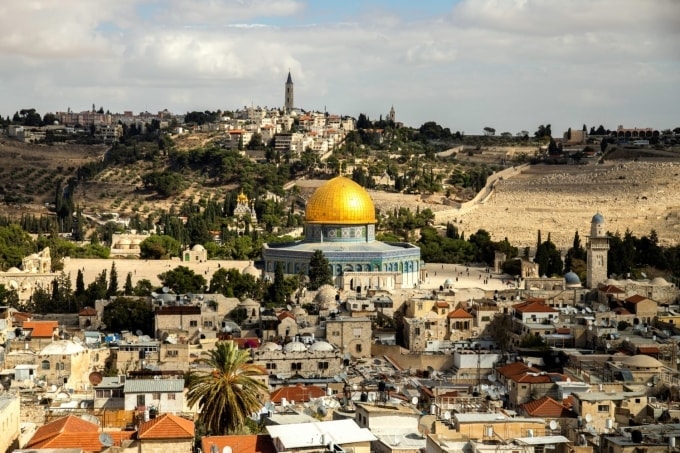
Approximately 15% of jobs in Israel's suburban areas depend on tourism. Cities like Tiberias, Nazareth, and Safed would suffer severely economically without tourists. "The issue is not just about security, but also about the image of our country, which has collapsed over the past year. International reputation is a strategic asset for any nation," he said.
Israel has allocated nearly $150 million in its 2025 budget to the Foreign Ministry to deal with the crisis, but Fattal argues that this action is ineffective despite the large sum of money.
However, given the current tense situation, international tourism experts believe that Israel's tourism industry still has a long way to go to recover. Fattal stated that even after the war ends, the damage to tourism will continue. Several countries, such as the United States, have advised their citizens to limit travel to Israel at this time.
The workforce in the inbound tourism industry has also been devastated. Of the 3,000 people who once worked in the industry, only a third remain.
"No industry in Israel is doing worse than ours," Fattal said.
TH (according to VnExpress)Source: https://baohaiduong.vn/du-lich-israel-tren-bo-vuc-414083.html
![[Photo] Close-up of an Australian warship visiting Tien Sa port, Da Nang](https://vphoto.vietnam.vn/thumb/1200x675/vietnam/resource/IMAGE/2026/03/28/1774675489416_tau-5-jpg.)




















































































Comment (0)