

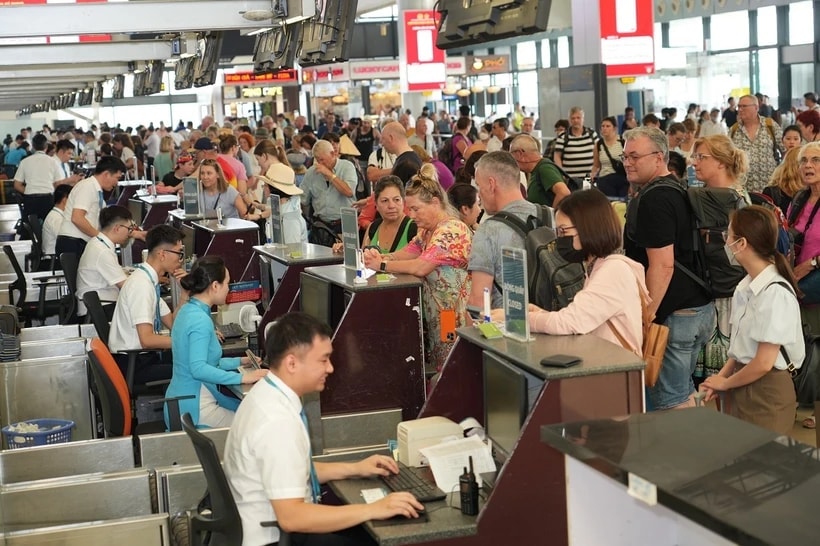
The Ministry of Construction has just provided feedback on the need for coordinated solutions to lower airfares to a reasonable and stable level to help enhance the competitiveness of Vietnamese tourism.
Accordingly, air freight service prices are affected by fluctuations in cost-forming factors and market supply and demand dynamics.
Specifically, in the cost structure of a flight, the cost of aviation fuel and the cost of leasing, purchasing, repairing, and maintaining aircraft account for 70-80% of the total cost; almost all of these costs are paid in foreign currency and are directly affected by exchange rate fluctuations.
"Fuel prices and exchange rates are two cost factors heavily influenced by the macroeconomic and political situation both domestically and internationally, and are beyond the control of airlines and specialized regulatory agencies," a leader of the Ministry of Construction acknowledged.
On the other hand, airfare, like the prices of most other goods and services on the market, operates according to the law of supply and demand.
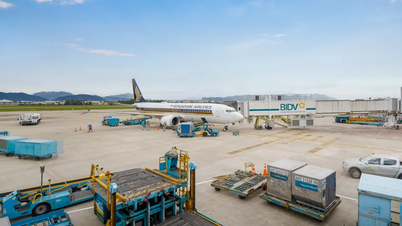
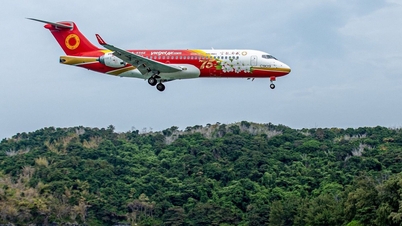
For example, during peak periods (holidays, Tet, long holidays), on some domestic flights in Vietnam, airfares increase significantly compared to normal days due to high passenger demand, while the number of seats offered by Vietnamese airlines is limited due to the number of aircraft and operating conditions.
In order to lower airfares to a reasonable and stable level and enhance the competitiveness of Vietnamese tourism, the Ministry of Transport (now the Ministry of Construction) recently issued Decision No. 1723/QD-BGTVT dated December 31, 2024, promulgating the maximum price for basic economy class domestic air passenger transport services sold within the territory of Vietnam.
Accordingly, Vietnamese airlines have established flexible ticket prices with various price ranges from low to high depending on market conditions (supply and demand), ticket conditions, time of ticket issuance, service quality, etc., ensuring that they do not exceed the maximum regulated price.
The Ministry of Construction has also directed the Civil Aviation Authority of Vietnam to implement solutions aimed at supplementing and balancing the supply capacity between domestic and international routes of Vietnamese airlines, supporting airlines in enhancing their operational capacity, in accordance with market conditions.
"The key solutions implemented by state management agencies include coordinating, managing, and effectively implementing the flight operation plan; supporting and creating conditions for airlines to add aircraft, strengthen transport capacity and supply on routes; and simultaneously conducting assessments and adjusting and supplementing flights appropriately on key routes, optimizing the fulfillment of passenger needs during peak periods," the Ministry of Construction leader emphasized.
TH (according to VNA)Source: https://baohaiduong.vn/gia-ve-may-bay-noi-dia-co-the-ha-xuong-muc-thap-hon-duoc-hay-khong-415339.html














































































Comment (0)