

Along with the process of globalization, pho has risen to become a prominent symbol of Vietnamese cuisine .
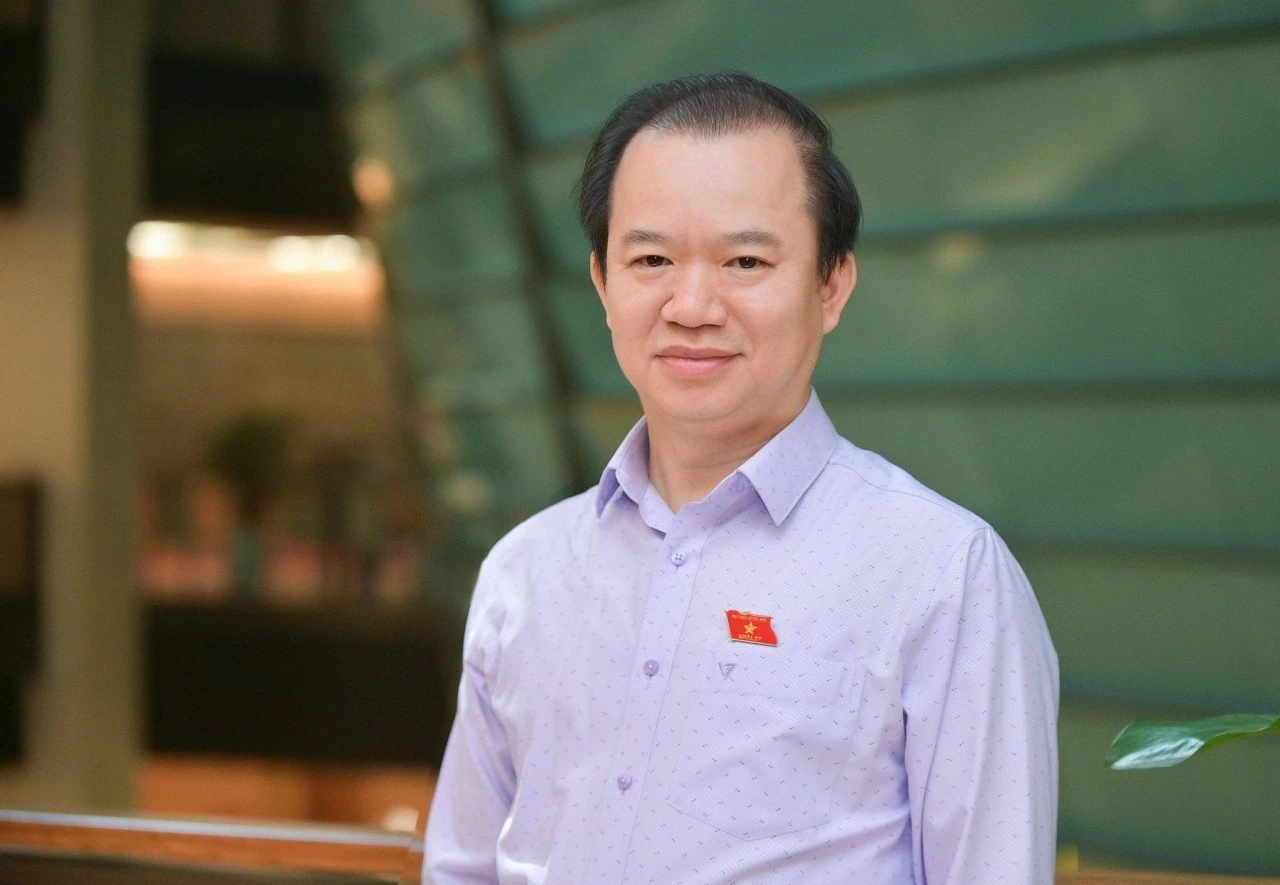 |
| National Assembly Deputy Bui Hoai Son believes that Vietnamese pho is not just a dish but also a part of cultural heritage. (Source: Quochoi) |
From the cultural value of pho
The Ministry of Culture, Sports and Tourism has just inscribed the folk knowledge of Nam Dinh pho and Hanoi pho into the National List of Intangible Cultural Heritage. This is a further effort in registering culinary arts to promote this unique cultural heritage not only in Vietnam but also worldwide.
Pho, with its origins in folk knowledge, is not just a dish but also a part of Vietnam's cultural heritage, captivating diners worldwide. Its international success stems not only from its unique flavor but also from the way it perfectly combines cultural and historical elements. The recognition of Hanoi pho and Nam Dinh pho as part of the folk knowledge of Vietnamese cuisine helps this dish shine on the global culinary map and promotes Vietnamese culture to the world .
In Vietnam, pho is a very popular dish. Each region has its own way of preparing it, creating its own unique brand. Pho is not just a dish, but also a distinctive symbol of Vietnamese cuisine. The global spread of pho highlights the cultural value of the dish, while also creating opportunities for the world to better understand the identity of Vietnamese cuisine.
Recognizing pho as part of the cultural heritage not only affirms its position in the national cuisine but also elevates it to a new level on the international culinary map. Furthermore, recognizing pho has a positive impact on tourism development and promotes the country's image. When pho is recognized, it attracts the attention of domestic and international tourists, opening up opportunities for organizing culinary events and festivals, thereby promoting not only the dish but also the culture and image of the country. These events not only increase the number of tourists but also boost local economic development through the food service and tourism industries.
International experience
Around the world, many countries have experience in inscribing intangible cultural heritage related to culinary arts, aiming to preserve and promote their traditional cultural values. Japan successfully inscribed Washoku, their traditional culinary art, on the UNESCO Intangible Cultural Heritage list in 2013. Washoku is recognized for its importance in maintaining a balanced and sustainable lifestyle, harmony with nature, and social values, especially during festivals and holidays. This inscription has promoted awareness and preservation of traditional cooking techniques.
Meanwhile, the Gastronomic Meal of the French was recognized by UNESCO in 2010. This meal is not just a menu but an art of living, encompassing the preparation, presentation, and enjoyment of the food. France has leveraged this designation to promote tourism and protect its unique culinary traditions.
In 2010, the traditional cuisine of the Maya and Zapotec peoples in Mexico was inscribed by UNESCO as an Intangible Cultural Heritage. This recognition underscores the role of food in the culture, social life, and rituals of these indigenous communities. Mexico has used this designation to promote its culinary culture and tourism, while preserving traditional recipes and ingredients.
Kimchi, a traditional Korean dish, was inscribed on the Intangible Cultural Heritage list in 2013. Kimchi is considered a symbol of patience and harmony with nature. Following this recognition, South Korea has strengthened measures to protect, teach, and promote the culture of kimchi making through educational programs and festivals.
These experiences show that registering culinary arts as an intangible cultural heritage not only helps preserve and promote cultural values but also contributes to tourism development, raises community awareness, and boosts the local economy.
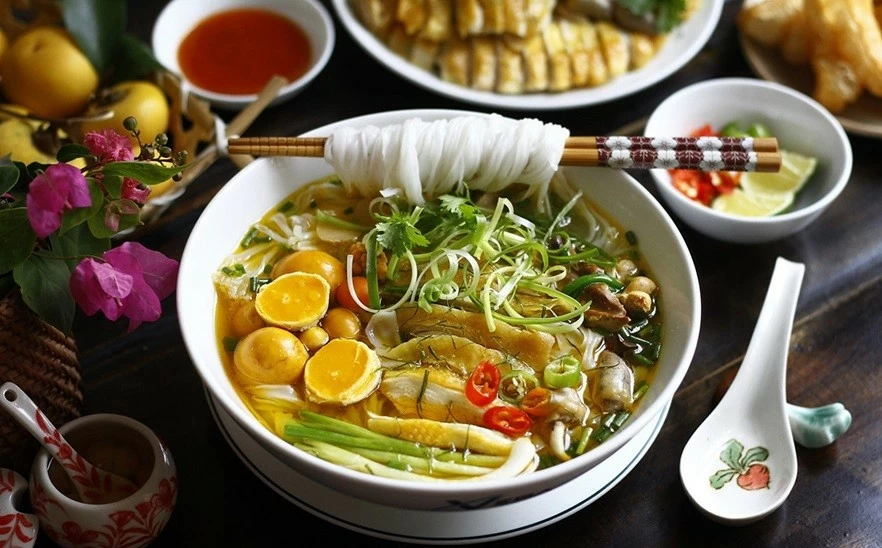 |
| Traditional Hanoi chicken pho does not use cinnamon or star anise, but only onions, roasted ginger, and coriander to create its own light and refreshing flavor. (Source: VNE) |
Let Vietnamese pho shine!
We need more concrete actions to honor these heritages, aiming for higher-level inscription on the UNESCO Intangible Cultural Heritage list in the coming years.
To enhance the value of pho and promote the sustainable development of this cultural heritage, synchronized and strategic actions are needed. Firstly , organizing annual pho festivals in Nam Dinh, Hanoi, and other localities is an important step in attracting tourists and promoting the dish.
Secondly, developing the pho brand internationally is crucial. To establish pho's position in the international market, steps such as registering international trademark protection and standardizing recipes to maintain consistent quality are necessary. Utilizing international media channels like television, newspapers, and social media is also essential for promoting pho.
Thirdly, to enrich the culinary landscape of pho, creativity should be encouraged by providing opportunities for chefs and culinary researchers to experiment with new variations of pho, while respecting and preserving traditional values.
Fourth, combine pho with culinary tourism. Pho can play a significant role in tourism development by integrating it with existing tourist routes in Hanoi and Nam Dinh, thereby creating cultural and culinary experience tours. Tourists can visit traditional craft villages, learn how to cook, and enjoy pho at famous restaurants.
Fifth, strengthen international cooperation to promote the pho brand by working with international cultural and culinary organizations to introduce pho at global events, exhibitions, and food festivals, helping to promote the image of pho and Vietnamese culture more widely.
Thus, the inclusion of folk knowledge about pho from Nam Dinh and Hanoi in the national intangible cultural heritage list is not only a well-deserved recognition of unique culinary values but also an important step in preserving and promoting Vietnam's traditional cultural values.
Source: https://baoquocte.vn/dua-pho-viet-ra-the-gioi-283211.html
![[Photo] The heat at the fireworks display site on the opening night of the Da Nang International Fireworks Festival 2026](https://vphoto.vietnam.vn/thumb/1200x675/vietnam/resource/IMAGE/2026/05/27/1779889741485_ndo_br_z7872039145157-fecaba5112f39e8352544099d7ef4738-5140-jpg.webp)
![[Photo] The courage of new recruits of Brigade 144 on the training ground.](https://vphoto.vietnam.vn/thumb/1200x675/vietnam/resource/IMAGE/2026/05/27/1779881651341_anh-man-hinh-2026-05-27-luc-18-32-52.png)





































![[Photo] The courage of new recruits of Brigade 144 on the training ground.](https://vphoto.vietnam.vn/thumb/402x226/vietnam/resource/IMAGE/2026/05/27/1779881651341_anh-man-hinh-2026-05-27-luc-18-32-52.png)





















Comment (0)