

- Consumers need to equip themselves with knowledge to prevent and avoid food poisoning.
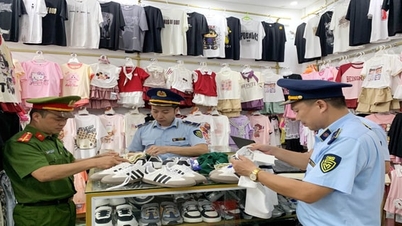
- We are determined to eradicate crimes related to the production and sale of counterfeit medicines and food products.
- Fake food, a real threat.
Health experts believe that clean food refers to products that are safe for health, free from pathogens such as viruses, microorganisms, or parasites, and must have a clear origin and be certified for hygiene and safety. In reality, many vegetables and fruits are currently treated with pesticides and growth hormones that have not yet decomposed as recommended; furthermore, contaminated food with preservatives, spoiled food, and low-quality food are still common in the market.
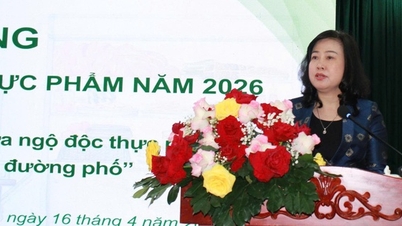
Dr. Dinh Thi Nguyen, Head of the Nutrition Department at the Ca Mau Provincial Center for Disease Control , emphasized: “Regarding nutrition, clean food doesn't necessarily mean it has a higher nutritional content than contaminated food. However, the important thing is that consuming clean food helps ensure the health and safety of consumers; the incidence of dangerous diseases, especially those affecting the digestive system, caused by consuming contaminated food will be largely eliminated. Furthermore, producing clean, environmentally friendly food is also a way to contribute to better environmental protection.”
Clearly, in the "matrix" of fake and real food, it is very difficult for consumers to determine what constitutes safe and hygienic food if they only rely on visual inspection or experience.
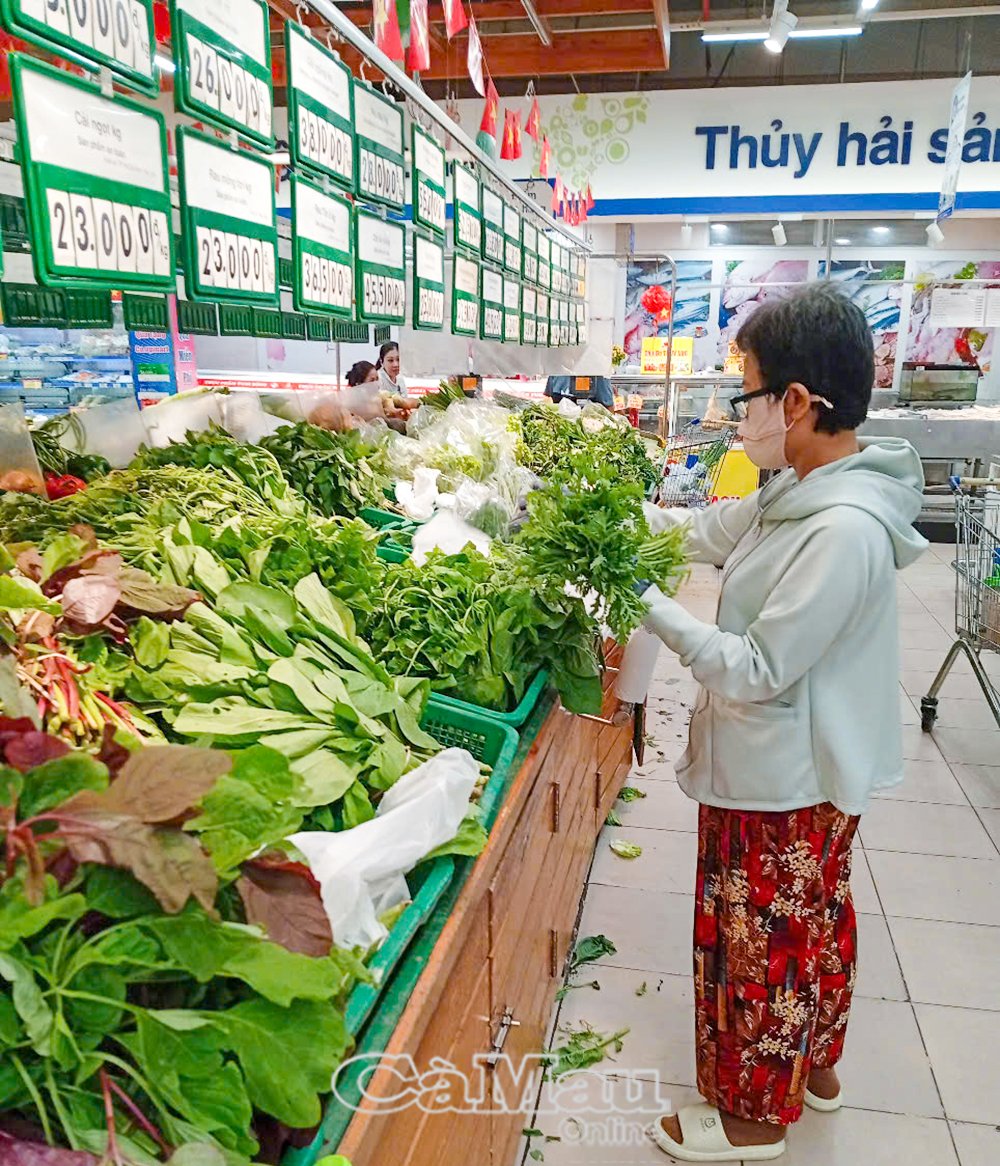
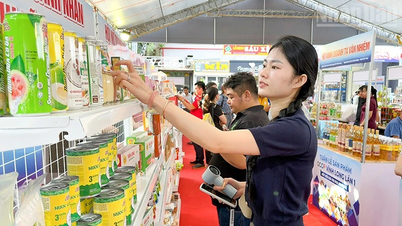
Today, people's needs for food go beyond simply having enough to eat and wear; they also aim for delicious, clean food and fashionable clothing, considering these as crucial factors in improving quality of life and social development. Therefore, choosing clean food and preparing it properly is extremely important, requiring consumers to have the skills to identify safe food when purchasing it. Food not only needs to be nutritious but also must have natural color, fresh flavor, and be hygienically safe. Thus, from selection and preservation to processing, the correct techniques and methods, even some unique secrets, are necessary to preserve flavor and ensure the health of the family.
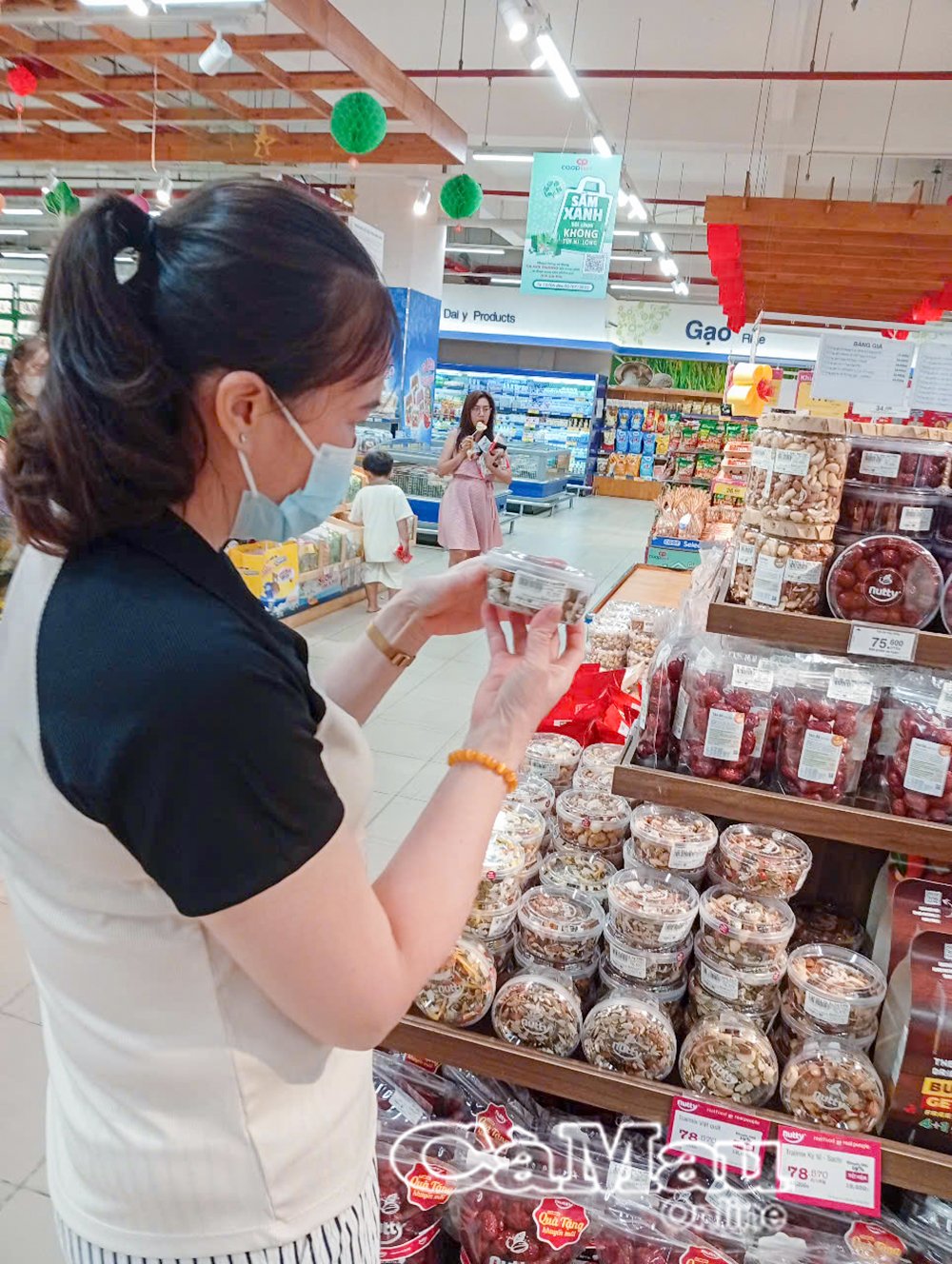
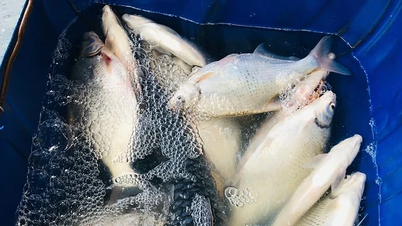
Ms. Lai Hong Tot, residing in Hamlet 2, Song Doc Commune, shared: “My house is near the sea, so I always prioritize buying fresh food like shrimp, fish, and meat for our daily meals. Honestly, when I go to the market now, most of the food is preserved with chemicals by the sellers to keep it from spoiling. Even cooking oil or fish sauce – things we use every day – isn't guaranteed to be genuine, so I'm very worried about my family's health if we unknowingly use low-quality products for a long time.”
For safe food to truly permeate every household's meals, the fundamental issue is to strengthen communication efforts and raise consumer awareness about the nutritional value and hygiene safety of safe food. In addition, inspection, post-inspection, and strict legal action against fraudulent practices in the production, processing, and sale of counterfeit or substandard food that harm public health must be implemented simultaneously. Only then will safe and clean food truly become a part of consumers' lives.
Phuong Vu
Source: https://baocamau.vn/dua-thuc-pham-sach-den-tung-bua-com-gia-dinh-a120900.html


![[Photo] National Assembly Chairman Tran Thanh Man attends the policy seminar to promote Vietnam-Türkiye cooperation.](https://vphoto.vietnam.vn/thumb/1200x675/vietnam/resource/IMAGE/2026/04/16/1776351415367_vna-potal-chu-tich-quoc-hoi-tran-thanh-man-du-toa-dam-chinh-sach-thuc-day-hop-tac-viet-nam-tho-nhi-ky-8705791-jpg.webp)

















![[Image] Bridges and roads connecting the eastern part of Ho Chi Minh City](https://vphoto.vietnam.vn/thumb/1200x675/vietnam/resource/IMAGE/2026/04/16/1776328595108_ndo_br_bh-vt5-jpg.webp)

























![[Infographic] Details of the Hanoi-Quang Ninh High-Speed Railway Project](https://vphoto.vietnam.vn/thumb/402x226/vietnam/resource/IMAGE/2026/04/16/1776338188424_anh-man-hinh-2026-04-16-luc-18-16-10.png)

![[Photo] National Assembly Chairman Tran Thanh Man meets with the Speaker of the Georgian Parliament](https://vphoto.vietnam.vn/thumb/402x226/vietnam/resource/IMAGE/2026/04/16/1776338494029_anh-man-hinh-2026-04-16-luc-18-21-21.png)











Comment (0)