


Accordingly, the Strategy identifies 10 key cultural industries prioritized for development in the coming period. Once again, this event further demonstrates Vietnam's strategic determination to enhance national competitiveness, gradually realize the goal of becoming a regional cultural industry hub, promote integration, and spread Vietnam's "soft power" to the world .
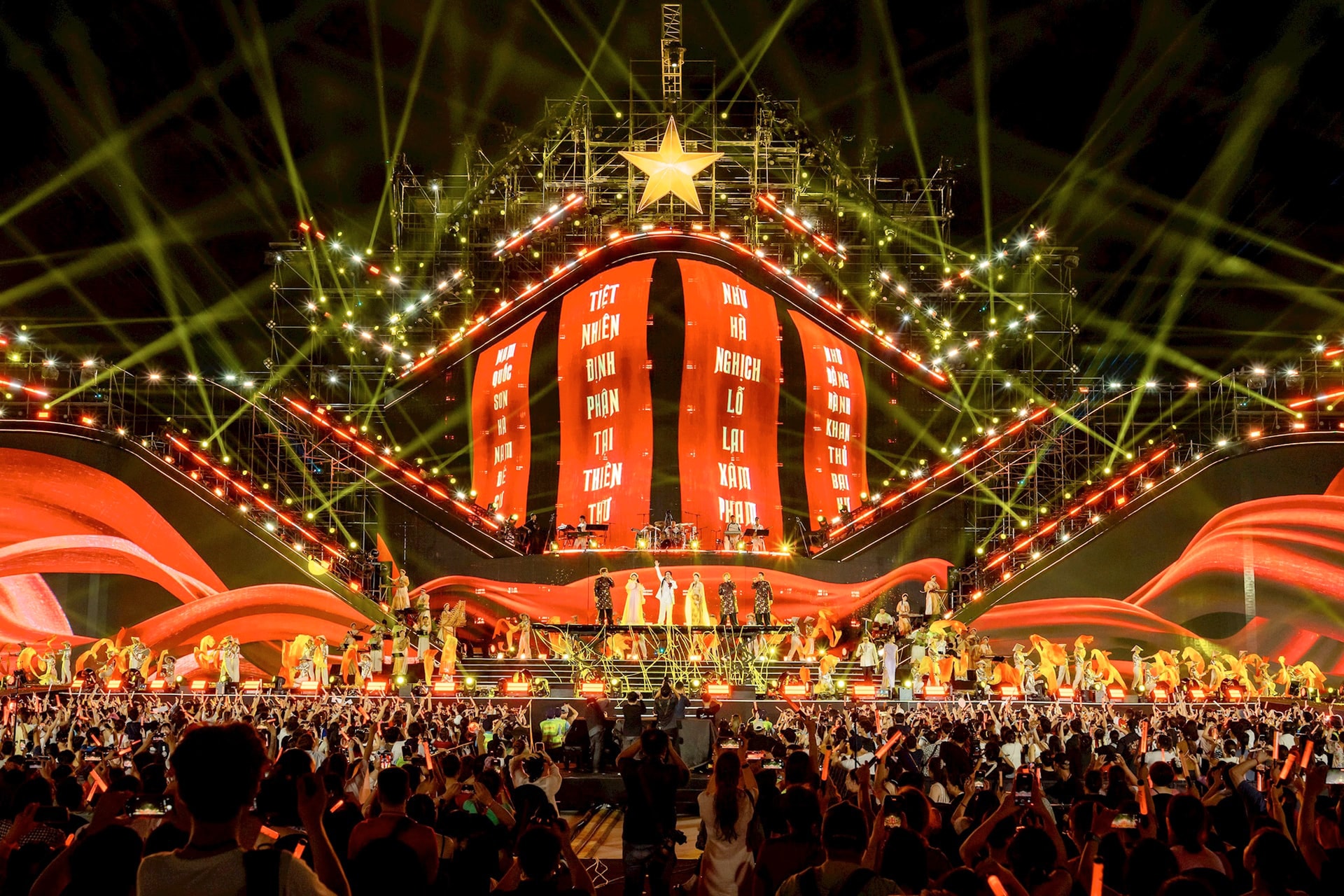
Positioning Vietnam's "soft power"
The cultural industry is considered a crucial resource in socio-economic development. Recognizing the importance of the cultural industry, over the years, the Party and the State have issued and effectively implemented many guidelines, policies, and strategies to develop culture in general and the cultural industry in particular.
Resolution No. 03-NQ/TW dated July 16, 1998, of the Central Committee of the Communist Party of Vietnam stipulates: "The general direction of our country's cultural cause is to promote patriotism and the tradition of national unity, the consciousness of independence, self-reliance, and self-strength in building and defending the socialist Fatherland, building and developing an advanced Vietnamese culture, rich in national identity, absorbing the cultural essence of humanity, and making culture permeate all aspects of social life and activities...".
Resolution No. 33-NQ/TW dated June 9, 2014, of the Central Committee of the Communist Party of Vietnam sets forth the goal and requirement: "Building a healthy cultural market, promoting the development of the cultural industry, and strengthening the promotion of Vietnamese culture." At the 13th National Congress of the Party, the task was also set forth: "Urgently implement the focused and targeted development of the cultural industry and cultural services sector based on identifying and promoting the soft power of Vietnamese culture." Subsequently, the Strategy for the Development of Vietnam's Cultural Industries to 2020, with a vision to 2030, issued by the Government in 2016, affirmed the viewpoint: "Cultural industries are an important component of the national economy."
Based on the overall strategy, the development of the cultural industry has been gradually implemented in many localities. To further strengthen the determination to develop the cultural industry, at the 2021 National Cultural Conference, the late General Secretary Nguyen Phu Trong outlined six major tasks, emphasizing: "Urgently develop cultural industries and build a healthy cultural market."
At the National Conference on the Development of Vietnam's Cultural Industries held on December 22, 2023, Prime Minister Pham Minh Chinh also affirmed: "With the special attention of the Party and the State, and the involvement of all levels, sectors, and localities, cultural industries have gradually become important service industries in recent years."
According to the Ministry of Culture, Sports and Tourism (MOCST), over the past five years, the average growth rate in the number of economic establishments operating in the cultural industries has reached 7.21% per year. In 2022 alone, statistics showed approximately 70,321 establishments operating in the cultural industry sector, employing an average workforce of 1.7 million to 2.3 million people, an increase of 7.44% per year. Minister of MOCST Nguyen Van Hung stated that Vietnam is currently a middle-income country in the development of the cultural industry and has significant room for further growth.
Initial achievements in the development of the cultural industry in Vietnam have gradually taken shape and left a clear mark. However, according to experts, our cultural development path still faces many difficulties and challenges. Many historical sites are deteriorating due to the effects of time and need timely preservation and restoration. Many intangible cultural heritages are at risk of disappearing or being lost, requiring efforts to restore and sustainably preserve them. The gap in access to and enjoyment of culture between regions, and between urban and rural areas, still exists. Furthermore, the impacts of the digital society, the digital economy, and the emergence of digital citizens not only create a new world but also raise many new issues for digital culture...
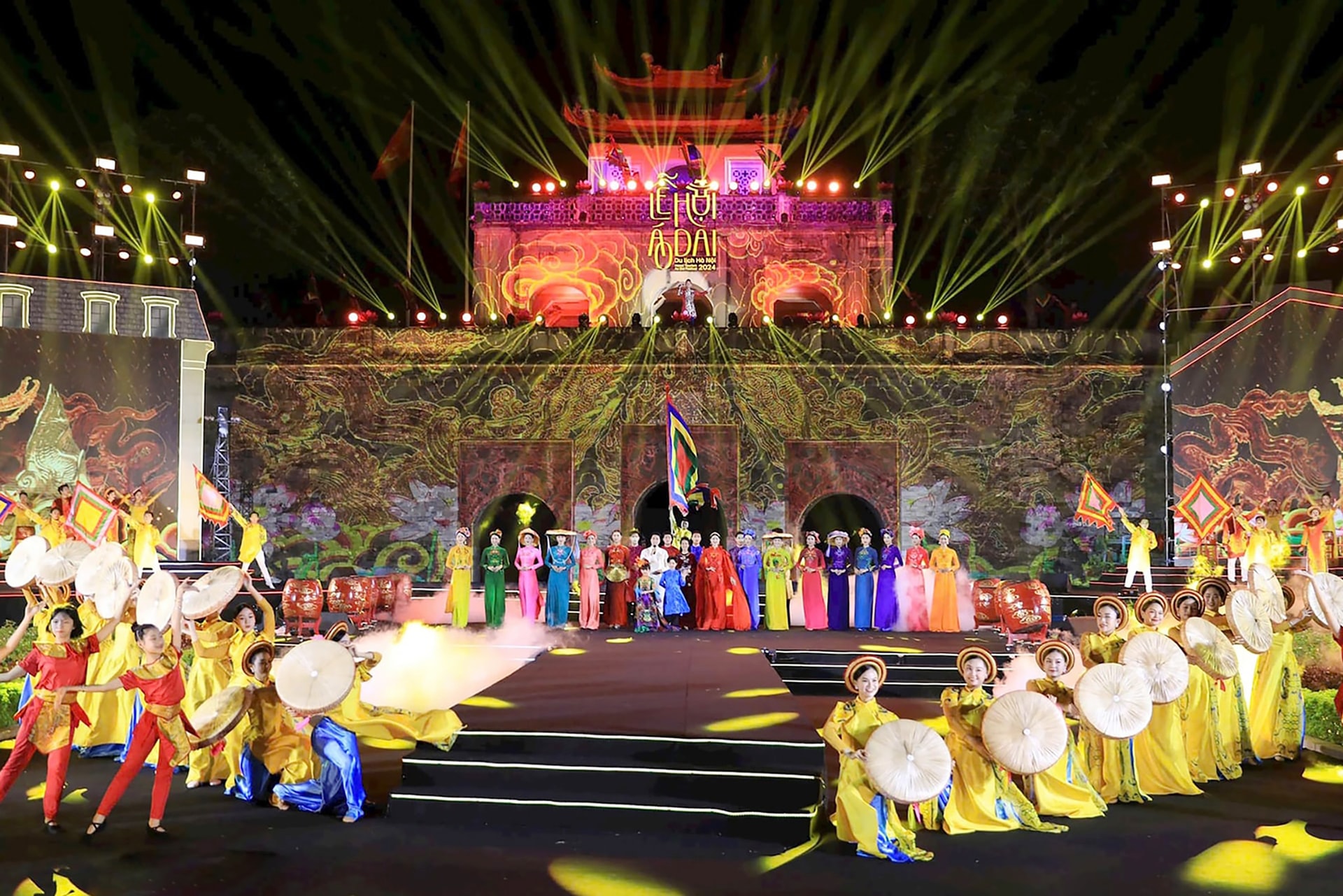
From strategy to action
Recently, the Standing Committee of the National Assembly agreed on the necessity of the National Target Program on Cultural Development for the period 2025-2035. Just before the local Party Congresses and the National Party Congress, the Ministry of Culture, Sports and Tourism issued Decision No. 3399/QD-BVHTTDL approving the National Target Program on Cultural Development for the period 2025-2035.
The program is structured into nine component projects, comprehensively covering human development, building a healthy cultural environment, preserving heritage, promoting literature and art, developing the cultural industry, accelerating digital transformation, and building human resources and international integration. Each project is linked to specific targets: striving to complete the restoration of 95% of special national historical sites, upgrading and operating 100% of provincial-level cultural institutions, bringing the cultural industry's contribution to GDP to 7% by 2030, ensuring 100% of students have access to arts education activities, and having at least five major international cultural events with Vietnam's official participation annually.
Assessing the necessity and timeliness of the Program, Associate Professor Bui Hoai Son, a full-time member of the National Assembly's Committee on Culture and Society, stated that the issuance of the decision approving the Program right before the Party Congress at all levels sent a strong message: the Party and the State always consider culture as a foundation and pillar to unite faith, awaken aspirations, and create momentum to lead the country into a new stage of development - a stage of a nation that both preserves its identity and confidently integrates globally.
Developing the cultural industry is a long and arduous journey, requiring specific policies for each stage. The National Target Program on Cultural Development for the period 2025-2035 has set specific goals and commitments for the development of the cultural industry.
However, according to Dr. Nguyen Viet Chuc, Vice Chairman of the Cultural and Social Advisory Council (Central Committee of the Vietnam Fatherland Front), developing all sectors evenly is not easy because some sectors are Vietnam's strengths, while others are still very new to Vietnam. Therefore, when implementing the Program, localities need to carefully review and identify key areas of cultural industry to focus on developing and creating momentum for themselves.
Associate Professor Pham Quang Long, former Director of the Hanoi Department of Culture, Sports and Tourism (now the Department of Culture and Sports), analyzed that to develop the cultural industry, it is crucial to have a flexible management mechanism; to build a strict but open legal framework to attract investment from businesses in the spirit of public-private partnerships. In particular, localities need to build a high-quality cultural workforce and invest in appropriate technology.
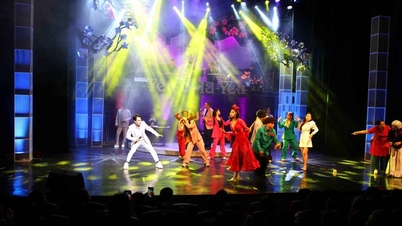
On November 14th, Prime Minister Pham Minh Chinh signed Decision No. 2486/QD-TTg approving the Strategy for the Development of Vietnam's Cultural Industries until 2030, with a vision to 2045. The strategy identifies 10 key cultural industries prioritized for development: film; fine arts, photography and exhibitions; performing arts; software and entertainment games; advertising; handicrafts; cultural tourism; creative design; television and radio; and publishing. These industries create products combining cultural elements, creativity, technology, and intellectual property rights, meeting the cultural consumption and enjoyment needs of the people and aligning with the goals of international integration and sustainable national development.
In the context of globalization, the cultural industry is considered a "golden goose" that many countries invest in and develop. With new tasks and requirements set forth in the context of a transforming nation, the approval of the National Target Program on Cultural Development for the period 2025-2030, especially the Strategy for the Development of Vietnam's Cultural Industries to 2030, with a vision to 2045, further opens a clearer roadmap for provinces and cities in developing their Congress documents and outlining cultural development directions that are appropriate to their resources and conditions. The program reinforces the Party and State's viewpoint: Culture has become the center of all local development strategies in the new era.
Source: https://hanoimoi.vn/dua-van-hoa-thanh-dong-luc-phat-trien-725189.html


![[Photo] General Secretary To Lam presides over a meeting with the Editorial Teams to summarize 100 years of the Party's leadership of the Vietnamese revolution and 40 years of implementing the National Construction Program.](https://vphoto.vietnam.vn/thumb/1200x675/vietnam/resource/IMAGE/2026/03/04/1772601288977_a1-bnd-8134-7576-jpg.webp)













































Comment (0)