




 |
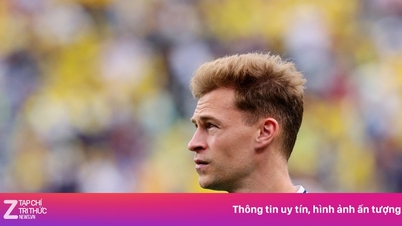
After the group stage, Germany advanced, but they still haven't completely reassured their fans. |
Germany has advanced. After two disappointing World Cups , simply getting through the group stage relatively safely is a positive sign for the team. No more fear of early elimination, no more chaos. Germany has at least accomplished its first task: reaching the knockout round.
But for a team like Germany, simply progressing is never enough. The bigger question is whether they are strong enough to be considered a title contender. And looking at what Nagelsmann's team has shown after the group stage, the answer is still not entirely clear.
The 7-1 victory against Curacao gave the impression that Germany had quickly found their rhythm. The attack scored easily, the players combined smoothly, and fans had reason to believe the team was heading in the right direction. However, things were not so smooth against Ivory Coast and Ecuador.
Ivory Coast once gave Germany a hard time, and Ecuador even exploited their weaknesses to win 2-1. This is a reminder that Germany still has many problems. The team has many good players and a strong attacking force, but the balance in their gameplay is not yet stable.
The German attack is good, but lacks sharpness.
In attack, Germany boasts many names that any team would envy. Florian Wirtz , Jamal Musiala, and Kai Havertz are all technically gifted, intelligent players with the ability to combine in tight spaces. When they play to their full potential, Germany can create some very beautiful passing sequences.
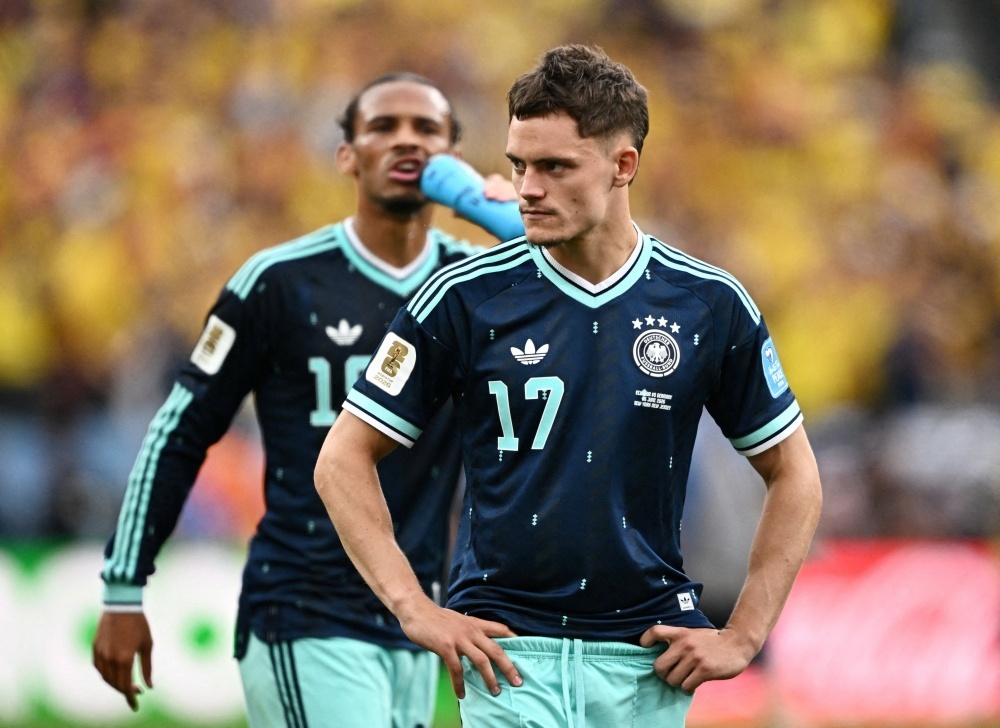 |
The problem is that it hasn't happened often enough. The partnership between Wirtz and Musiala hasn't been as explosive as expected. Both have great qualities, but they haven't reached their best form. When the two most creative players aren't in top form, the German attack easily falls into a situation where they control possession but lack truly dangerous attacking moves.

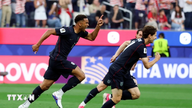
Another noteworthy point: Germany's attacking players are somewhat similar. Wirtz, Musiala, and Havertz all like to receive the ball in midfield, turn, play short passes, and find space. This is an advantage when Germany controls the game. But when the opponent defends tightly, they need an additional player who can accelerate, dribble directly, and stretch the defense.
Leroy Sane can still provide speed, but he's no longer the lightning-fast winger he was in his prime. At 30, Sane is still useful, but he no longer gives the impression of constantly tearing apart opposing defenses with bursts of acceleration.
That's why Deniz Undav became a special highlight. He wasn't as flashy as Wirtz or Musiala, but he brought something much needed in knockout football: goal-scoring ability. Three goals in three appearances from the bench is a remarkable number. Two of those goals helped Germany turn the tide against Ivory Coast.
For football fans, this story is easy to understand. Germany has many players who are good with the ball, but sometimes they need someone simpler: someone who is in the right place and finishes. Undav is doing that job well. The question is whether Nagelsmann will use him as a substitute, or whether he should consider giving him a bigger role in the next round.
The defense is the biggest concern.
While Germany's attack lacks variety, their defense is a greater cause for concern. Nagelsmann's team hasn't yet instilled a sense of solidity. When they lose possession, they leave many gaps. The midfield pairing of Aleksandar Pavlovic and Felix Nmecha can pass well, but they haven't provided sufficient defensive protection.
This often puts the back four in a difficult position. Against fast opponents who are ready to counter-attack, Germany can be in serious trouble. Ivory Coast nearly exploited this, while Ecuador showed that this weakness can be punished.
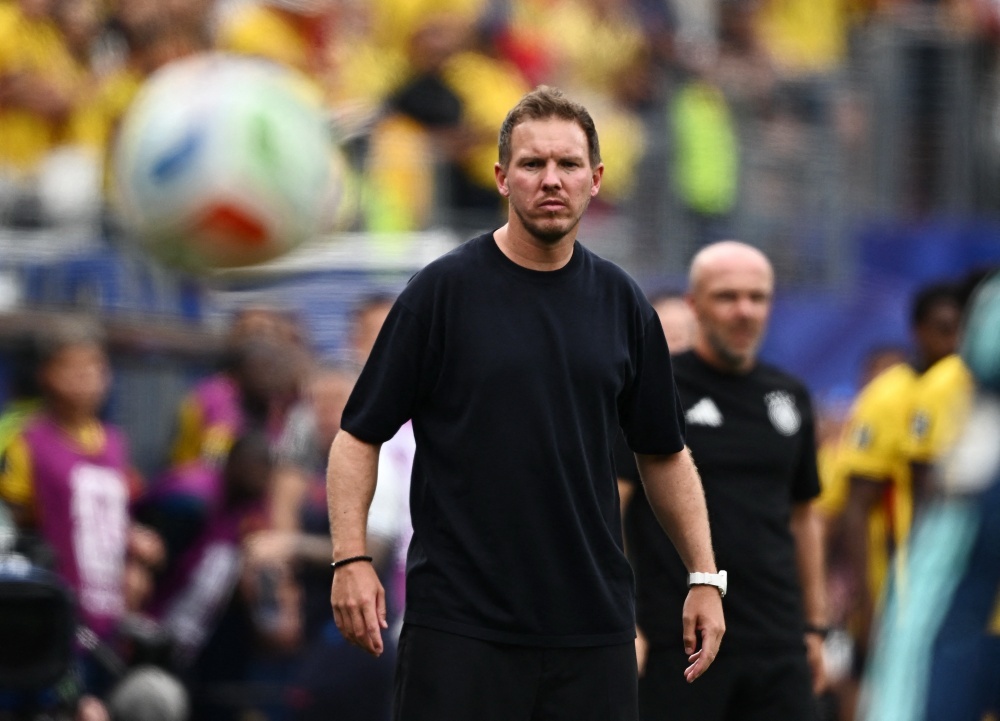 |
Germany's shaky defense is their biggest problem ahead of the World Cup knockout round. |
Nico Schlotterbeck's injury further complicates the situation. He is not only a defensive center-back, but also crucial to Germany's ability to build up play from the back. Schlotterbeck possesses excellent passing ability, particularly with his left foot, which helps to balance Germany's attacking play.



When Antonio Rudiger had to fill that role, Germany lost their naturalness in defense. Rudiger is still an experienced center-back, but having a right-footed player in a position requiring left-footed balance meant that Germany's ball circulation was no longer as smooth as before. For teams that want to control possession, this detail has a significant impact.
Germany is therefore in a rather uncertain state. They are strong enough to get through the group stage, but not convincing enough to make people believe they are a team capable of winning the championship. They have talent, but lack consistency. They have beautiful attacking plays, but also periods of uncertain play.
Nagelsmann may not have wanted Germany to go all out against Ecuador since they had already secured first place in the group. But from the knockout rounds onwards, things will be different. There, a defensive mistake or a deadlock in attack could end the entire campaign.
Germany still has the potential to go far. But to be considered a true title contender, they need to play more balanced football, defend more solidly, and attack more effectively. After the group stage, Germany has progressed, but they still haven't completely reassured their fans.
Source: https://znews.vn/duc-di-tiep-nhung-chua-dang-so-post1663262.html