

According to Master's degree holder and doctor Le Ngo Minh Nhu (University of Medicine and Pharmacy Hospital, Ho Chi Minh City - Branch 3), durian peel accounts for up to 50% of the fruit's weight, but it is considered an agricultural byproduct with low economic value.
Pharmacological effects
According to traditional medicine, durian peel has a slightly bitter and astringent taste, a warm nature, and is used to aid digestion, replenish qi, warm the lungs, stop sweating, and lubricate the intestines. When combined with other medicinal herbs, durian peel can also treat bloating, indigestion, support the treatment of colds and fevers, jaundice, or diarrhea.
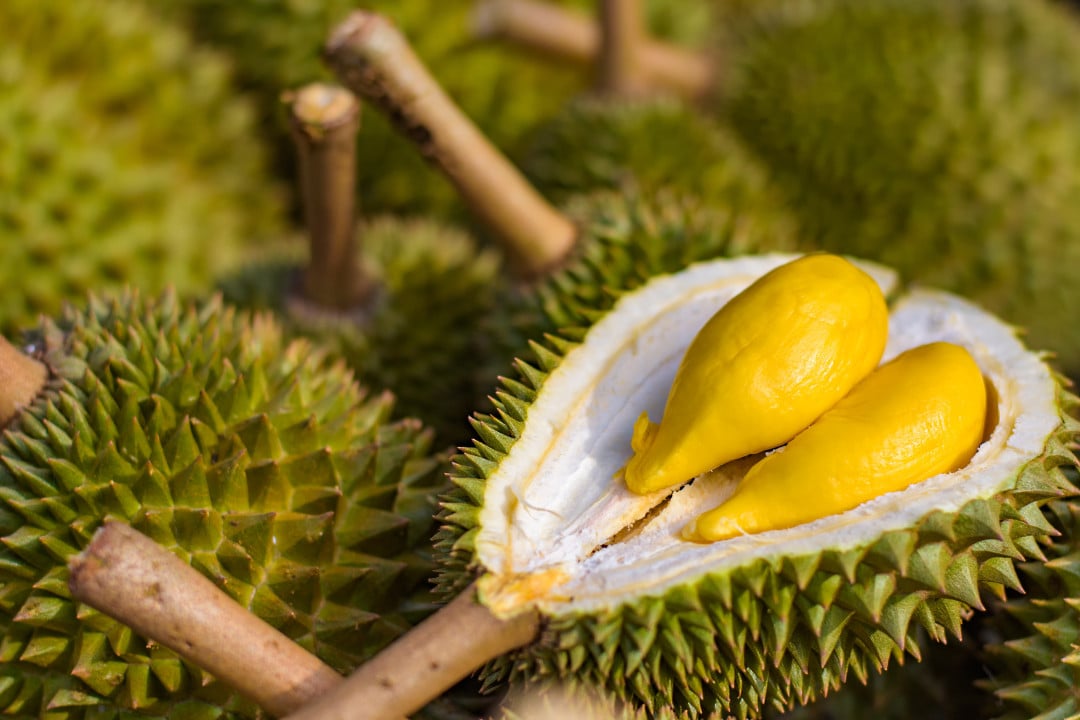
Durian peel can inhibit certain types of bacteria, such as Staphylococcus aureus.
Studies have also shown that durian peel contains a wide variety of chemical components, mainly including phenolic acids, phenolic glycosides, flavonoids, coumarins, triterpenes, simple glycosides, cellulose, fats, pectin, etc.
In particular, flavonoid, phenolic, and glycoside compounds have antioxidant effects. Coumarin propacin extract has anti-inflammatory and analgesic effects.
Furthermore, flavonoid extracts from durian peel can inhibit certain types of bacteria such as Staphylococcus aureus and Pseudomonas aeruginosa.
In addition, polysaccharides in durian peel also help regulate lipid metabolism. Meanwhile, flavonoids help inhibit sugar absorption, increase kidney filtration rate, and accelerate glucose excretion.
According to Dr. Nhu, durian peel is also known for its anticoagulant properties. Durian peel extract inhibits bronchial mucosal receptors triggered by chemical irritants, thereby helping to reduce coughing.
The ability of certain compounds in the durian peel to eliminate free radicals and reduce oxidative stress levels also helps protect the liver. Polysaccharides in durian peel also have a laxative effect, thanks to their ability to significantly increase the speed of bowel movements and regulate the gut microbiota.
Effective remedies from durian peel
According to Doctor Nhu, some familiar remedies made from durian peel, commonly used in traditional medicine, include:
20g of dried fruit peel is boiled with 500ml of water and drunk throughout the day to treat bloating and indigestion.
Boil 30-40g of the fruit peel, leaves, and roots in 500-1000ml of water and drink throughout the day to help treat colds, fever, and jaundice caused by hepatitis.
12g of durian peel, 12g of gardenia fruit, 8g of cogon grass root, and 12g of licorice root are boiled with 300ml of water until only 200ml remains. This decoction is divided into 2-3 doses to be taken throughout the day to help treat jaundice caused by hepatitis.
Boil 20g of durian peel and 40g of mangosteen peel in 400ml of water until only 200ml remains. Divide into two doses and drink twice a day to treat diarrhea.
Currently, although many studies mention the benefits of durian peel, they only point out its effective pharmacological activity and lack comprehensive research reports or in-depth analysis of its mechanism of action. Therefore, Dr. Nhu recommends that when using durian peel, one should follow the guidelines in reputable traditional medicine reports and documents, consult with and be monitored by a doctor or specialist.
Who should not use it?
Despite its many benefits, Dr. Nhu advises that people with a hot constitution, yin deficiency, those prone to phlegm formation, weak spleen and stomach, the elderly, or those prone to constipation should not consume durian peel.
Furthermore, because durian's outer shell is very hard and has many thorns, it needs to be properly processed before cooking. People should also prioritize using durian that has ripened on the tree or buy it from reputable establishments to avoid durian that has been soaked in chemicals of unknown origin.
Source link























































































Comment (0)