

Having had the opportunity to chat with Dr. Doan Ngoc Khoi, Deputy Director of the Quang Ngai Provincial Museum, I finally understood why the Sa Huynh culture is classified as a Special National Monument.
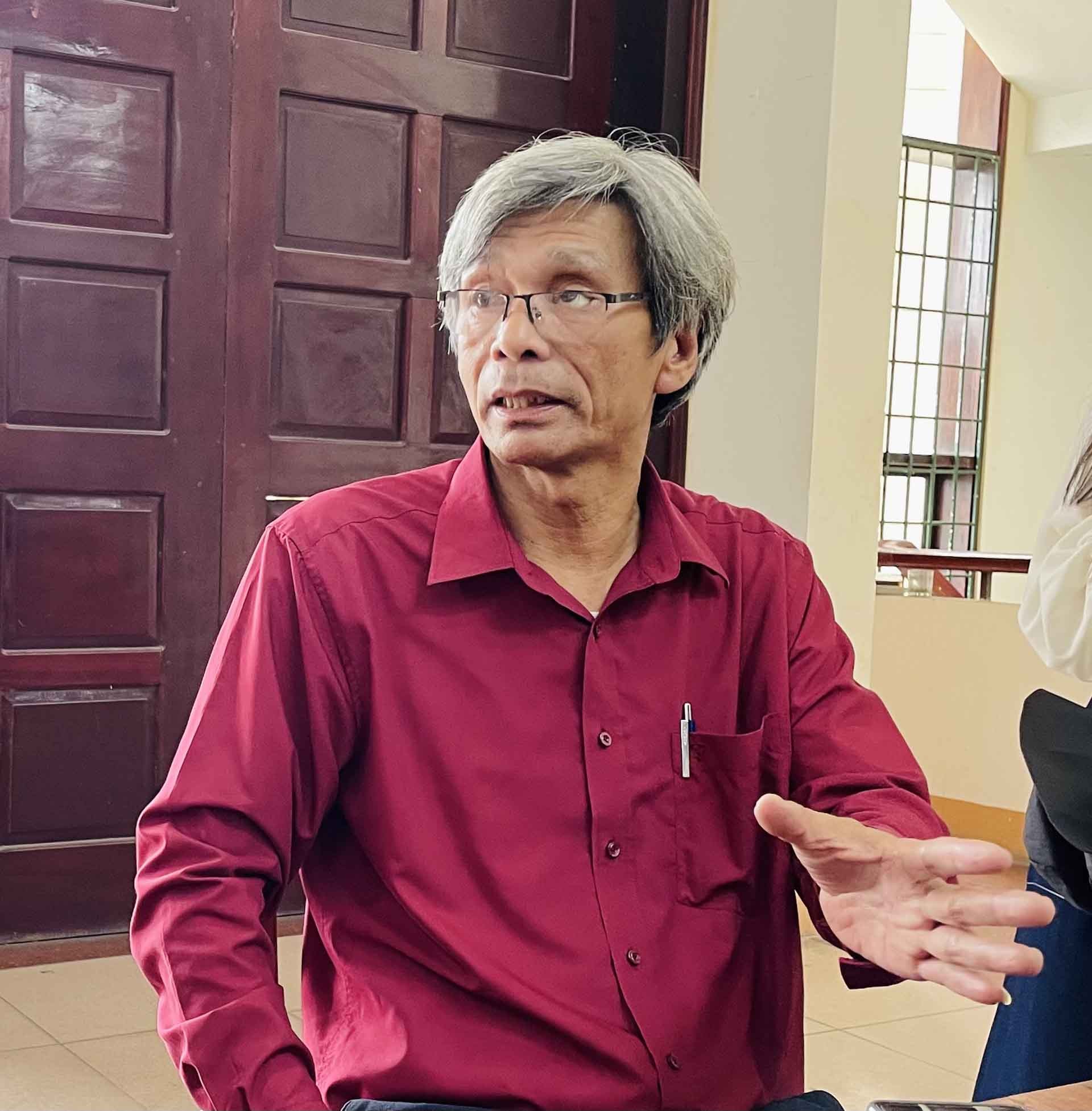 |
| Dr. Doan Ngoc Khoi, Deputy Director of the Quang Ngai Provincial General Museum. (Photo: Linh Chi) |
I met Dr. Doan Ngoc Khoi during a business trip with a delegation of foreign journalists based in Vietnam to learn about and explore Sa Huynh culture in Quang Ngai (August 3-6). At the beginning of our conversation, the doctor shared that Sa Huynh culture is like a destiny, closely intertwined with 35 years of his life, and "I'm fascinated by it; sometimes, stories about this culture fill my dreams..."
In the exhibition space of the Quang Ngai Provincial Museum and the Sa Huynh Culture Exhibition House, there are many artifacts of the Sa Huynh people from the early Stone Age and early Iron Age, discovered by Dr. Khoi himself. Some of these artifacts are extremely rare – considered the essence of the earth – with the centerpiece being the jewelry sets of the Sa Huynh people dating back more than 2,000 years.
Unveiling the mystery
Dr. Doan Ngoc Khoi recounted that in 1909, archaeologist M. Vinet (a Frenchman) heard that the locals had unearthed a burial site, so he decided to go there to investigate and discovered a burial site with burial jars in the sand dunes next to An Khe lagoon (now in Pho Thanh ward, Duc Pho town, Sa Huynh coastal area).
In the journal of the French School of Far Eastern Studies (BEFEO), M. Vinet wrote: “A hoard of an estimated 200 jars is buried not deep in the coastal sand dunes. These earthen jars, with an average height of 0.80m, differ in shape and contained ceramic pots and vases, as well as precious stone and glass ornaments.”
The Deputy Director of the Quang Ngai Provincial Museum said: "That is considered the first announcement about the Sa Huynh culture."
From the aforementioned burial site, through numerous excavations, French archaeologists continuously discovered traces of a prehistoric culture, finding approximately 500 burial jars containing various types of burial artifacts distributed along the coastal provinces of Central Vietnam, the Southeast region, and the Central Highlands.
Dr. Khoi affirmed that Quang Ngai is considered the cradle of Sa Huynh culture, with 26 excavated sites out of more than 80 discovered and studied locations.
After numerous surveys, Dr. Doan Ngoc Khoi and his colleagues conducted archaeological excavations at the Oc hamlet site (Ly Son). The excavations revealed a cultural layer of the Oc hamlet inhabitants, over 1.5 meters thick. Notably, burial sites were found interspersed within this cultural layer, including jar burials and vase burials. This proves that the Sa Huynh culture in Ly Son spanned from the early to the late periods.
Later, Dr. Khoi continued to participate in archaeological excavations at Chinh Stream (Ly Son), discovering burial jars, burial pots, and layers of mollusk shell culture interspersed with pottery, representing a late stage of the culture in Oc Hamlet. The Sa Huynh culture inhabitants resided on Ly Son Island from approximately the 4th century BC and ended around the 2nd century AD.
“One of the achievements of the Sa Huynh culture is the craftsmanship of jewelry making and the style of use by its people. The abundant jewelry, diverse in materials, shows that the Sa Huynh people were skillful and had a high aesthetic sense. The Sa Huynh culture favored jade. In addition, artificial glass is a brilliant achievement of the Sa Huynh culture. Sa Huynh is one of the earliest places in the world to produce artificial glass,” said Dr. Doan Ngoc Khoi.
Disseminating and preserving heritage
Despite diligent research and numerous important discoveries regarding the cultural values of Sa Huynh, the Deputy Director of the Quang Ngai Provincial General Museum is always concerned about how to make the cultural heritage discovered from archaeology more widely known and how to preserve and promote the values of that cultural heritage.
Dr. Khoi excitedly "boasted" that on December 29, 2022, the Prime Minister issued a Decision classifying the Sa Huynh Culture National Special Monument in Duc Pho town, Quang Ngai province. The Sa Huynh Culture National Special Monument comprises five sites: Long Thanh site, Phu Khuong site, Thanh Duc site, An Khe swamp - An Khe stream site, and the Champa relic complex.
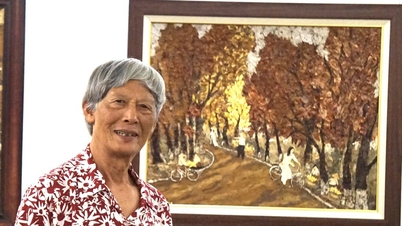
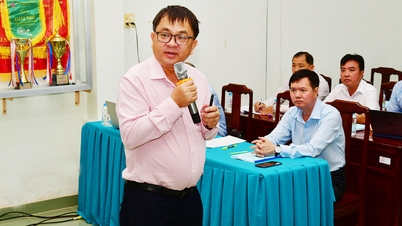
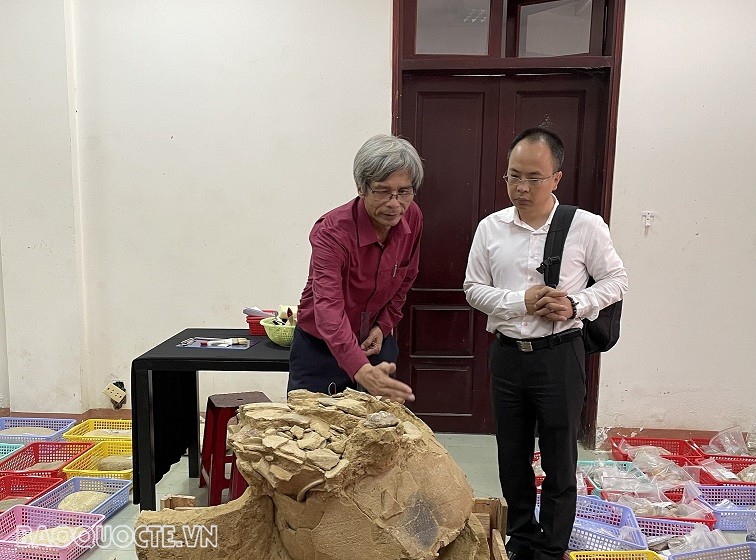 |
| Dr. Doan Ngoc Khoi (left), Deputy Director of the Quang Ngai Provincial General Museum, shares his insights on Sa Huynh culture. (Photo: LC) |
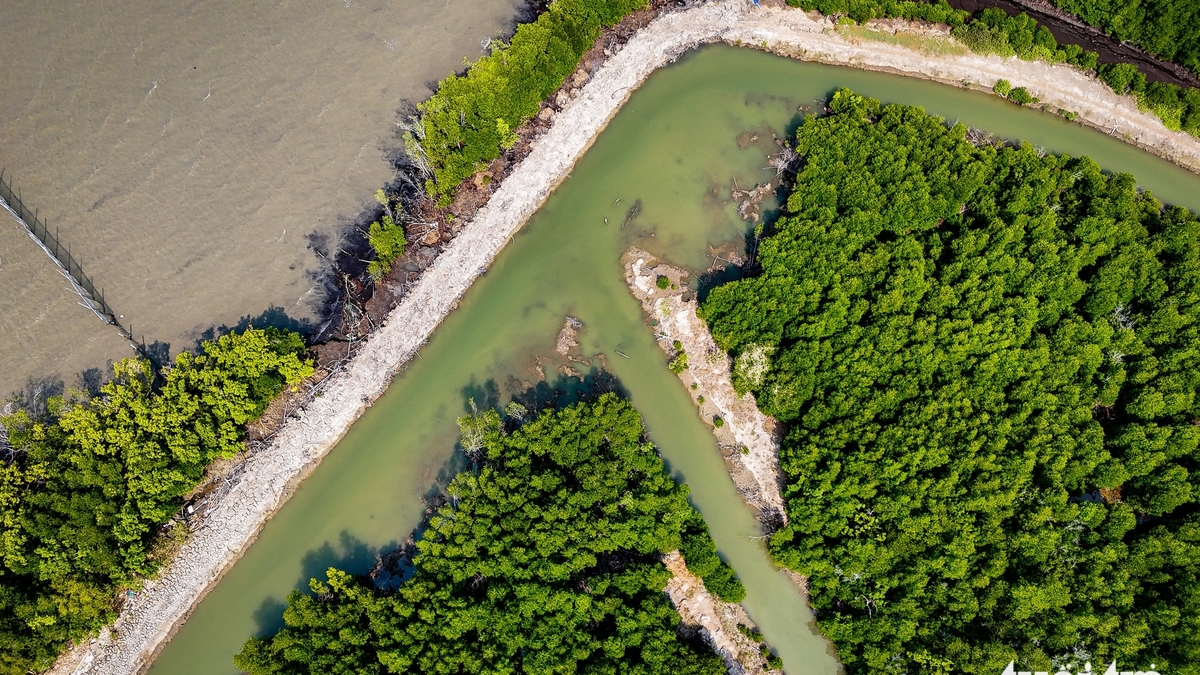
An Khe Lagoon (Duc Pho town) is the largest freshwater lagoon in Vietnam, located next to the sea, with a surface area of 347 hectares. It was the birthplace of the Champa and Sa Huynh cultures. The lagoon still retains traces of the living space of the ancient Sa Huynh people.
Dr. Doan Ngoc Khoi stated that recognizing the Sa Huynh Culture as a Special National Monument provides the legal basis for protecting this site.
"Currently, the good news is that the landscape of this historical site in Sa Huynh remains intact. The people of Sa Huynh still live by fishing in the An Khe lagoon, pottery making, and agriculture. It can be seen that this living space has recreated the ancient Sa Huynh environment, and from there, the people have become a point of connection with domestic and international tourists."
Looking ahead, to maximize the potential of the Sa Huynh Cultural Heritage National Special Site in terms of cultural heritage resources, Dr. Khoi said that the province will focus on the preservation, restoration, and promotion of the value of this national special site. This is the best way to connect the past with the present, to preserve and promote the value of history right within the Sa Huynh cultural space – one of the three major civilization centers of the Metal Age in Vietnam.
Source

![[Image] National Assembly discusses the implementation of the socio-economic development plan.](https://vphoto.vietnam.vn/thumb/1200x675/vietnam/resource/IMAGE/2026/04/20/1776696707422_ndo_br_img-20260420-185419-jpg.webp)
![[Photo] General Secretary and President To Lam meets with National Assembly delegates from ethnic minorities.](https://vphoto.vietnam.vn/thumb/1200x675/vietnam/resource/IMAGE/2026/04/20/1776696701056_a1-bnd-8331-3342-jpg.webp)




















































Comment (0)