

However, the reality shows that "brain drain" still occurs, especially in the fields of healthcare , information technology, and science and technology. In many cases, after receiving state-funded training, individuals move to the private sector or work abroad, failing to fulfill their commitments, resulting in wasted resources and a decline in the capacity of the public sector.
A notable policy adjustment is the issuance of Decree 51/2026/ND-CP dated February 2, 2026, amending and supplementing several articles of Decree 143/2013/ND-CP regulating the reimbursement of scholarships and training costs (effective from March 26, 2026). The Decree expands the scope of application to include domestic students receiving state budget funding or under projects approved by the Prime Minister . The deadline for reimbursement payment has been extended to 120 days from the date of receiving the decision, creating more favorable conditions for students.
In particular, regulations regarding the exemption or reduction of reimbursement costs in cases of force majeure such as health reasons, work assignments, or special circumstances have been clarified; administrative procedures have been simplified, increasing transparency. These adjustments not only tighten accountability but also demonstrate humanity, contributing to creating a sense of security for students when fulfilling their commitments.
However, while a legal framework is necessary, it is still insufficient to address the root of the problem. Retaining talented individuals requires a comprehensive set of solutions. First and foremost, compensation policies must be improved to be more competitive, with flexible mechanisms allowing for higher-than-standard salaries for leading experts and scientists .
This also involves building a professional working environment, reducing administrative procedures, increasing autonomy, and encouraging creativity. Improving the training contract mechanism, linking it to responsibility while simultaneously implementing incentive policies such as performance bonuses and post-training career development support, is also crucial.
In practice, the deciding factor lies not only in binding regulations but also in the perception of talented individuals that they are valued and given the opportunity to develop their abilities. Therefore, shifting from a mindset of holding onto qualifications as a binding obligation to one of valuing and utilizing them is a necessary direction, aiming to transform state investment into a sustainable development driver, contributing to building a high-quality workforce for the new era.
Source: https://www.sggp.org.vn/giu-chan-nguoi-co-nang-luc-post844203.html




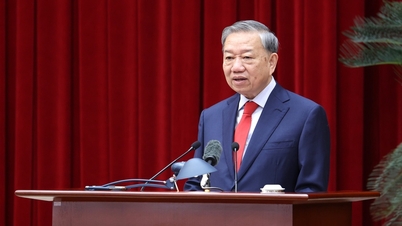
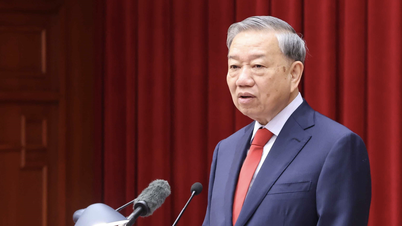
![[Photo] Opening of the Second Conference of the Central Committee of the 14th Party Congress](https://vphoto.vietnam.vn/thumb/1200x675/vietnam/resource/IMAGE/2026/03/23/1774233781483_anh-1-bnd-4146-7258-jpg.webp)



































































































Comment (0)