

The history of our ancestors' pioneering efforts in reclaiming land, conquering nature, and defending the borders against foreign invaders in Quang Ninh over thousands of years has left behind an invaluable treasure trove of tangible and intangible cultural heritage. This forms the basis for building the values of the people of Quang Ninh and is a precious resource for tourism development.
From the late Neolithic period, the ancient Vietnamese people of the Ha Long Culture (dating back approximately 4,500 to 3,500 years ago) lived off the sea, creating maritime cultural values. They exploited mollusks and other marine life as their main source of sustenance. They used clay, mixed it with mollusk shells to make pottery, and used ocean waves as inspiration for the patterns on their pottery, which archaeologists call "wave patterns," a characteristic feature of Ha Long Culture pottery. Additionally, they also used mollusk shells to make earrings.
During the subsequent Metal Age (3,500 - 2,000 years ago), the ancient Vietnamese people in Quang Ninh also relied on the sea for their primary resource. Besides mollusks, they knew how to use nets, angling, and catch many other marine species. This illustrates that maritime culture is the root of Quang Ninh's culture, dating back thousands of years.
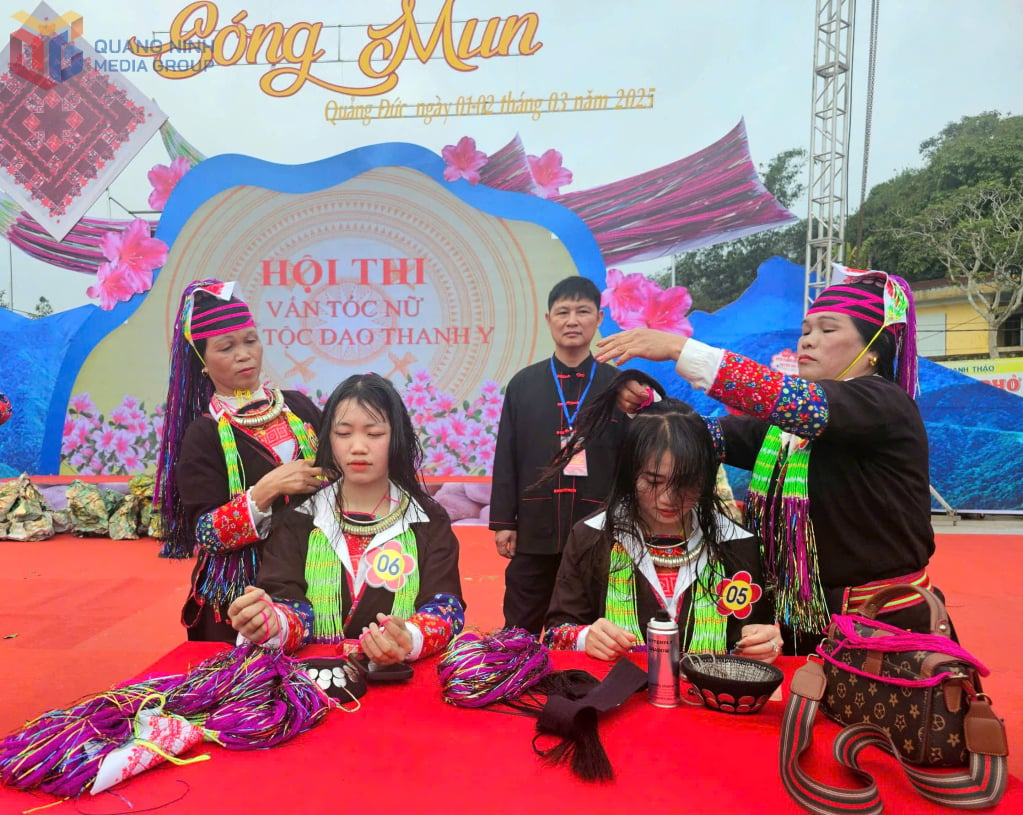
Quang Ninh is a province where many ethnic groups have lived together for generations. Each ethnic group has its own unique identity in terms of production methods, language, housing, clothing, folk knowledge, customs, and traditions. All of these contribute to creating a colorful "garden" when discussing the culture and people of Quang Ninh.
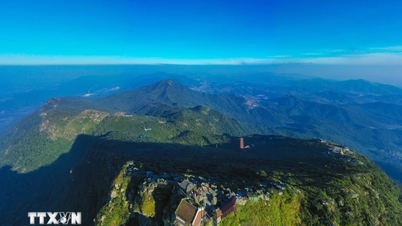
Quang Ninh is also one of the provinces with a very large number of tangible and intangible cultural heritage sites, with more than 600 relics and scenic spots. Among them are world-class heritage sites such as Ha Long Bay (and the upcoming Yen Tu), special national-level relics (Cua Ong Temple, Bach Dang Victory Memorial Site, the Tran Dynasty King's Temple and Mausoleum Complex, Van Don Ancient Trading Port, etc.), national relics, and provincial-level relics. Many intangible cultural heritage sites are representative of humanity and national intangible cultural heritage. The value of these cultural heritage sites, combined with the stunning natural beauty that nature has bestowed upon Quang Ninh, has implicitly elevated their value – an advantage that not many other provinces and cities possess.
In the late 19th century, the French colonialists invaded and exploited coal in the Quang Ninh mining region, leading to the formation and emergence of the mining working class. Throughout their struggle against French oppression, and later as owners of the mines and production after our takeover, up to the present day of the coal industry, the miners in Quang Ninh have created a unique mining culture with a tradition of "discipline and unity."
Maritime culture, ethnic cultures, and mining worker culture have intertwined and blended to create the unique cultural characteristics of Quang Ninh, the land, and its people. This forms the foundation for the people of Quang Ninh to build values and develop the province into an increasingly prosperous and beautiful place.
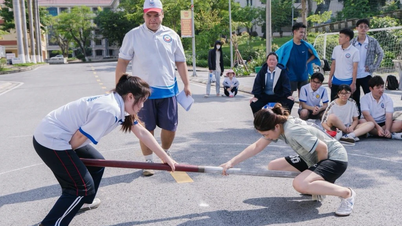
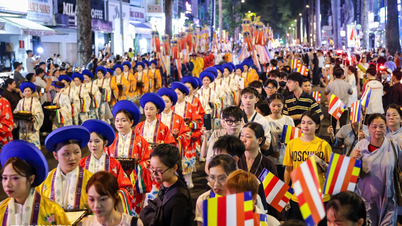
Over the years, Quang Ninh province has paid attention to and implemented effective solutions for preserving, protecting, and promoting cultural values. Many historical sites, festivals, rituals, beliefs, and sports – all beautiful traditional cultural aspects of various ethnic groups and localities – have been restored, exploited, and their value promoted. Experience has shown that the most effective way to preserve and promote cultural heritage is to keep it "dynamic" in the most natural way. A festival will be more attractive if it is organized by the people themselves and minimizes "theatricalization." The Luc Na communal house festival (Binh Lieu), the cultural and sports festival of the San Chi, Tay, San Diu, and Dao ethnic groups, and many other cultural and sports festivals of various ethnic groups in localities have become part of daily life and are being developed into increasingly well-organized tourism products.
Ocean
Source
















































































Comment (0)