

Addressing the problem of lip-syncing.
In performing arts, the artist's direct presence is the vibrant "food" that captivates the audience. However, in what should be a sanctuary of emotion, excessive use of technology has become prevalent. Lip-syncing, using pre-recorded vocals, or misleading promotion of performance content are not merely technical errors but betrayals of the audience. An art form built on complacency and trading public trust for deceptive tactics will inevitably be eliminated.
Dr. Nguyen Dang Chuong, Vice President of the Vietnam Association of Stage Artists, commented: "Lip-syncing is one of the notable deviations from the norm in contemporary artistic life. This lack of honesty in performances is creating negative impacts not only on artistic activities but also on the public's need for cultural enjoyment."
This observation hits the nail on the head. What disappoints the public isn't a singer's imperfect performance, but the feeling of being deceived. A stage might be invested with billions of dong for sound, lighting, and performance technology, but if the voice comes from a pre-recorded track instead of from the artist performing on stage, the connection between the artist and the audience becomes much more fragile.
Sharing this concern, People's Artist Tran Quoc Chiem, Chairman of the Hanoi Union of Literature and Arts Associations, believes that deviations in current artistic activities are not limited to lip-syncing but also manifest through distorted aesthetics, culture, and artistic language. Even more worrying is that these manifestations are eroding the heart-to-heart connection between artists and the public, the very element that constitutes the soul of art.
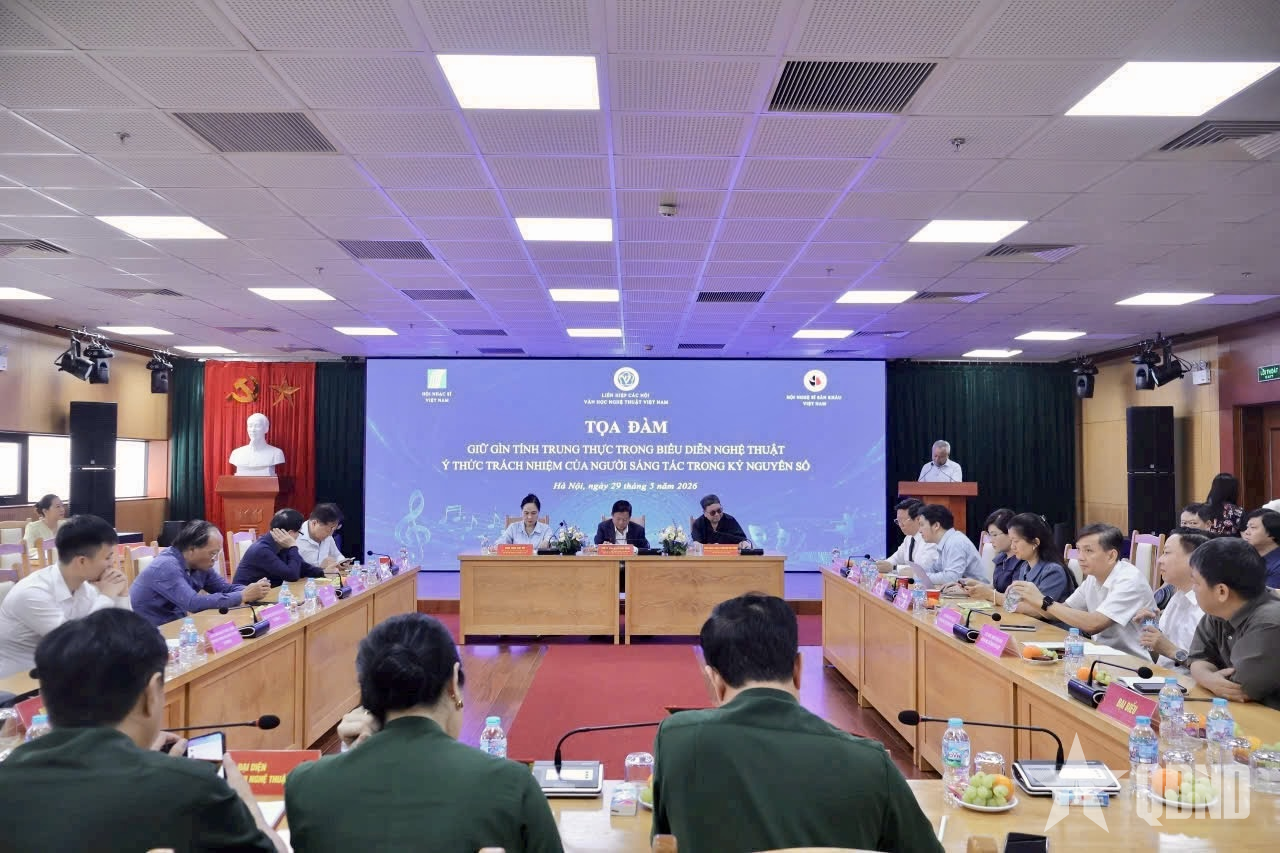 |
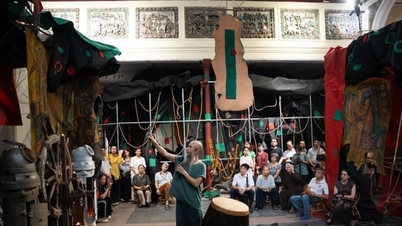
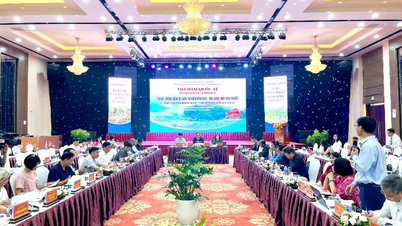
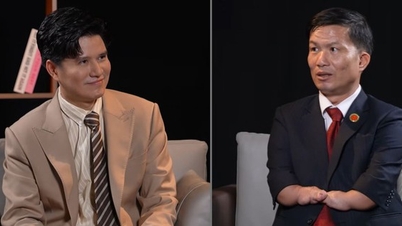
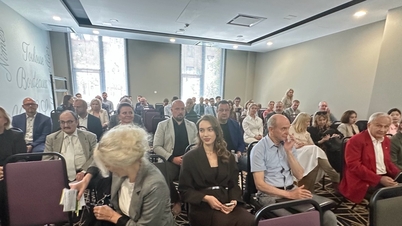
| A view of the seminar "Maintaining Integrity in Performing Arts; the Responsibility of Creators in the Digital Age". Photo : NGOC ANH |
People's Artist Vuong Duy Bien, former Deputy Minister of Culture, Sports and Tourism and Chairman of the Vietnam Cultural Industry Development Association, expressed: “To solve the issue of lip-syncing, we cannot just look at the responsibility of the artists. Many broadcasters and organizers still prioritize safety, choosing to use pre-recorded music to avoid risks. This approach helps programs run more smoothly but also deprives artists of the opportunity to express their genuine emotions on stage. Based on this reality, very strict regulations are needed to only allow the use of pre-recorded tracks in exceptional cases, prioritizing live performances in all other instances. Because the stage only truly has meaning when artists can perform and serve the audience with their own voices and abilities.”
AI cannot take over the responsibility of innovation.
While lip-syncing raises questions about the honesty of the performer, artificial intelligence (AI) is raising a different, more complex question: who will be held accountable for a work created by a machine?
Creating a song has never been easier. With just a few commands, AI software can write lyrics, create melodies, arrange music, and even mimic the style of famous musicians. Technology is opening up new opportunities, but debates about the value of artistic labor, copyright, and professional ethics are also beginning to emerge.
Composer Giáng Son shared this concern from her own professional experience: “While judging a music competition , I encountered a case where an author submitted 24 songs created by AI. This incident astonished not only me but also the entire judging panel. This is an unacceptable act that touches upon professional integrity and creative responsibility.”
In reality, AI has no life experiences, no memories, no understanding of love, loss, or hope. What AI creates is built upon data provided by humans. Therefore, technology can support the creative process, but it is very difficult to replace the personal emotions that give a work of art its unique value.
Speaking at the seminar, Comrade Tran Thanh Lam, Member of the Central Committee of the Party and Deputy Head of the Central Propaganda and Mass Mobilization Department, emphasized: Literary and artistic associations need to better fulfill their role as a common home, not only fostering professional development but also focusing on cultivating professional ethics for their members, building appropriate codes of conduct in the digital environment, and creating a healthy creative space where beauty and honesty are honored. Along with that, young artists need to constantly learn, hone their professional skills, and maintain their personal image before the public, so that each work is not only a creative product but also contributes to building positive values in society. The press and media also need to play a guiding role in spreading the spirit of honesty in artistic creation and performance. In an era where everything can be edited, imitated, and created with just a few clicks, the honesty, professional integrity, and cultural conduct of the artist will be the shield protecting the purity of art. Only by preserving these values can art continue to fulfill its mission of nurturing the soul, building character, and guiding people towards the values of truth, goodness, and beauty.
Source: https://www.qdnd.vn/van-hoa/doi-song/giu-gin-su-chan-that-cua-nghe-thuat-va-pham-gia-nghe-si-1042636






























![[Video] Sunset at Lap An Lagoon – Where the sun sets over the fishing nets](https://vphoto.vietnam.vn/thumb/1200x675/vietnam/resource/IMAGE/2026/05/31/1780192137701_beach-landscape-sea-water-nature-grass-745871-pxhere-com.jpeg)






















Comment (0)