

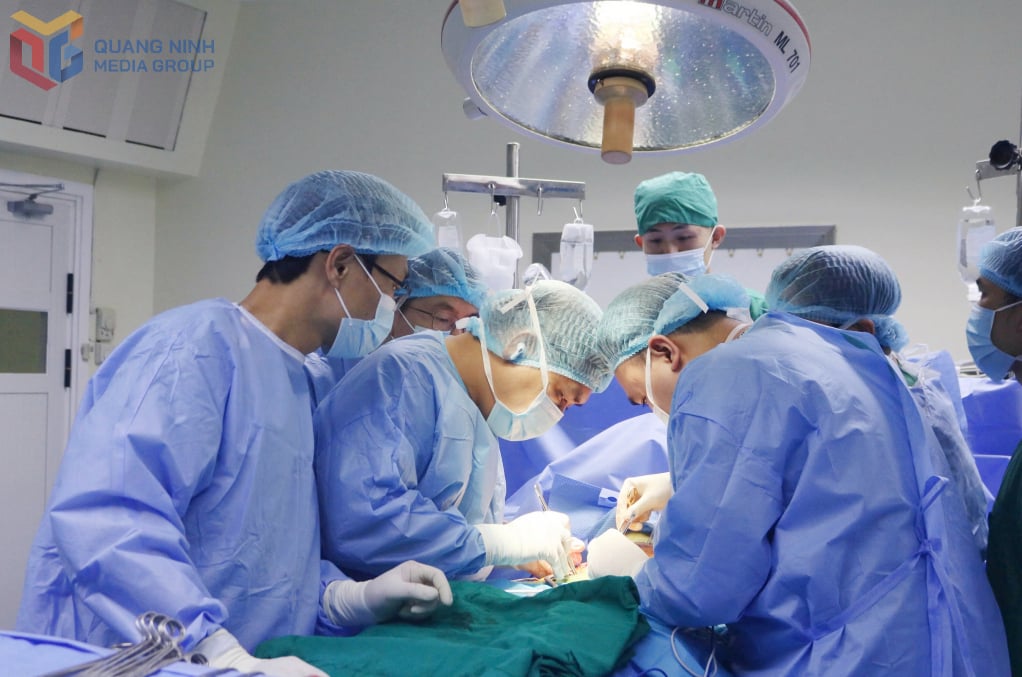
But Can the doctor share the most important factors that help patients maintain stable long-term kidney transplant function after surgery?
+ In early April 2025, the Vietnam-Sweden Uong Bi Hospital successfully performed its first two kidney transplants. After surgery, strict adherence to proper care instructions is crucial to ensure stable and long-term function of the transplanted kidney.
Most importantly, patients must strictly adhere to their immunosuppressant medication regimen. The recipient's body tends to reject the transplanted organ, so the use of immunosuppressant medication is crucial. Patients must take the medication at the correct dosage and time, and absolutely must not stop taking it on their own, even if they feel well. In addition, patients need to attend follow-up appointments as scheduled so that doctors can monitor kidney function, drug levels in the blood, and detect early complications such as infection or signs of rejection.
A healthy lifestyle plays a crucial role. Patients need to maintain a balanced diet, low in salt and fat, and rich in vegetables and fruits. They should drink enough water and limit foods that easily cause infection, such as raw or undercooked food. Alcohol, tobacco, and stimulants should be avoided. In addition, patients need to get enough sleep, reduce stress, and maintain gentle exercise appropriate to their abilities.
The use of immunosuppressant drugs is important, but it can also cause side effects such as increased blood pressure; increased blood sugar or blood lipids; liver, kidney, or bone marrow damage; and weakened immunity leading to increased susceptibility to infections. Therefore, patients need to be closely monitored and inform their doctor if they experience symptoms such as fever, unusual fatigue, rash, decreased urination, swelling, or persistent digestive disorders.
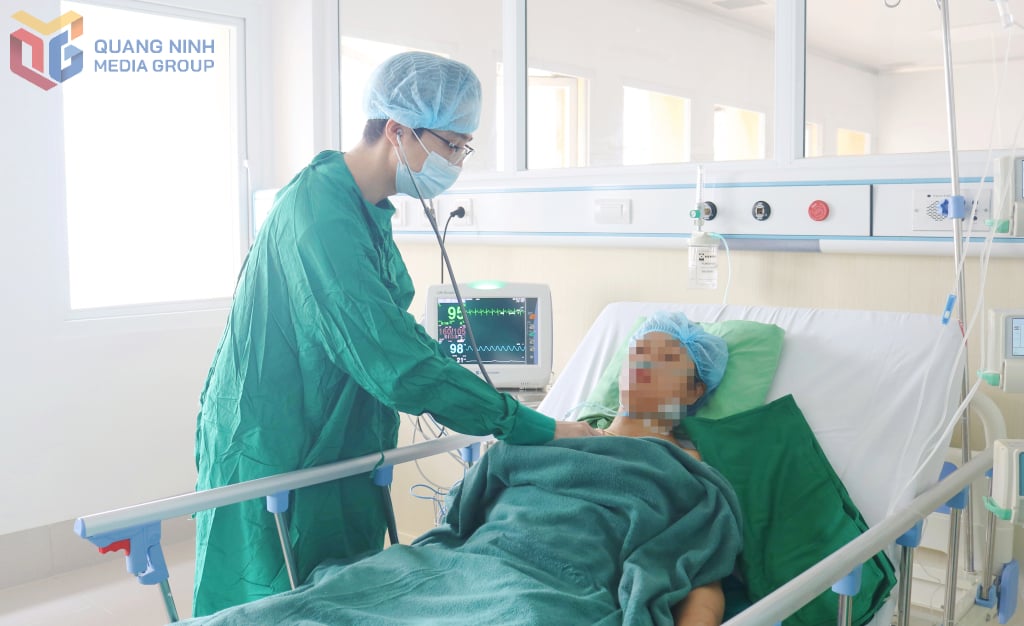
But After a kidney transplant, patients are more susceptible to infections due to weakened immunity. Can doctors share some simple, easy-to-remember measures to help patients proactively prevent this risk in their daily lives?
+ To make it easier to remember and implement, we often advise patients to follow the "3 Cleans and 3 Avoidances" principle. The 3 Cleans principle involves maintaining personal hygiene, specifically: Clean hands, washing hands with soap or disinfectant solution before eating, after using the toilet, and upon returning home from public places; avoiding touching the face, mouth, and eyes if hands are not clean. Clean mouth, nose, and throat, brushing teeth at least twice a day, rinsing with saline solution; wearing a mask when going out or interacting with others. Clean living environment, cleaning the house regularly, opening windows for ventilation; avoiding keeping pets in the bedroom or direct contact with their waste.
The three "avoid" principles help prevent the risk of infection, specifically: Avoid crowded places, especially during epidemic seasons; if you must go, wear a mask properly. Avoid raw or undercooked food; do not eat raw vegetables, raw meat, raw eggs, or undercooked seafood. Avoid contact with people who have colds, fever, diarrhea, or other infectious diseases; if a family member is sick, wear a mask and maintain a safe distance.
In addition, patients should remember three important things to proactively prevent the disease. These are: remember to have regular check-ups to detect early signs of infection or abnormalities in blood parameters; remember to take medication on time and consistently to control the immune system and prevent complications; and remember to get all appropriate vaccinations (such as flu, hepatitis B, and pneumococcal vaccines), but consult your doctor as not all vaccines are safe for organ transplant recipients.
- To provide long-term support to patients, what specific counseling or support programs does the hospital offer to help patients build a healthy and scientific lifestyle after kidney transplantation, doctor?
+ The Vietnam-Sweden Uong Bi Hospital places great emphasis on providing comprehensive support to kidney transplant patients, including promoting a healthy lifestyle to protect the transplanted kidney and prevent complications. We have nutrition experts who will create personalized meal plans for each patient, based on their weight, current kidney function, blood sugar, blood lipid, blood pressure, and personal dietary preferences. They will also guide patients in choosing healthy foods, controlling salt, sugar, and fat intake, and advise on safe cooking methods to reduce the risk of foodborne infections.
Doctors and physical therapists advise on safe exercises, tailored to the patient's physical condition and the time elapsed since surgery. We encourage patients to engage in gentle exercises such as walking, yoga, or breathing exercises to improve circulation, stabilize blood pressure, and boost immunity. For elderly patients or those with underlying health conditions, the exercises will be adjusted accordingly.
In the near future, the hospital will establish a kidney transplant patient club. This will be a place where patients can share experiences of living a healthy life and encourage each other. The club will also organize thematic sessions on health, complication prevention, and provide free psychological support and counseling from the medical team.
In addition, kidney transplant recipients can contact me via phone number (0986.160.190) for advice and guidance on healthcare.
- Thank you very much, doctor.
Source: https://baoquangninh.vn/giu-gin-than-ghep-bang-cham-care-dung-cach-3354648.html

![[Photo] Prime Minister Pham Minh Chinh receives the Chinese Ambassador to Vietnam](https://vphoto.vietnam.vn/thumb/1200x675/vietnam/resource/IMAGE/2026/04/05/1775397481797_ndo_br_dsc-5512-jpg.webp)
























































































Comment (0)