


AO DAI - A SYMBOL OF VIETNAMESE CULTURE
The ao dai (Vietnamese traditional dress) has long been considered a symbol of Vietnamese women. Mentioning the ao dai evokes images of gentle, modest, and elegant beauty. Beyond its appearance at important events, the ao dai has become more familiar in daily life. In many agencies and organizations throughout Dong Thap province, wearing the ao dai at ceremonies and conferences has become a cultural norm in the workplace, creating a sense of formality while remaining soft, approachable, and friendly. Ms. Nguyen Thi Hong Nhu, a civil servant at an administrative agency in My Phong ward, shared: “Every time I wear the ao dai, I feel more polished and confident. The ao dai makes women more conscious of their demeanor, speech, and behavior.”
The ao dai (Vietnamese traditional dress) is not only seen in the workplace but also in many community activities. During holidays, festivals, and major national anniversaries, the image of women wearing ao dai participating in parades, cultural performances, and competitions has become a special highlight. For many generations of Vietnamese women, memories of their school days are always associated with the white ao dai. The image of young women in their late teens and early twenties in pristine ao dai has entered poetry, music, and art, and has become an indispensable part of school culture.
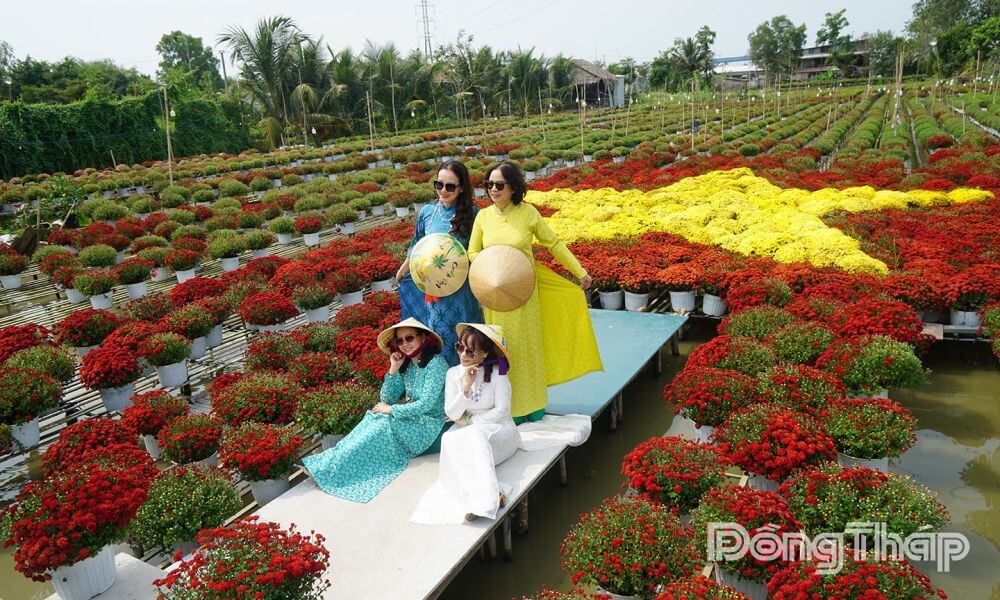
In high schools throughout the province, the ao dai (traditional Vietnamese dress) remains the official uniform for female students. Despite modern life offering many convenient clothing options, the ao dai is preserved as a way of traditional education . Nguyen Thi Kim Ngan (a student at Tran Hung Dao High School) shared: “Wearing the ao dai is not just a uniform requirement, but also a lesson in identity. When I wear the ao dai, I become more aware of my image, my grace, and my responsibility to preserve our cultural beauty.”
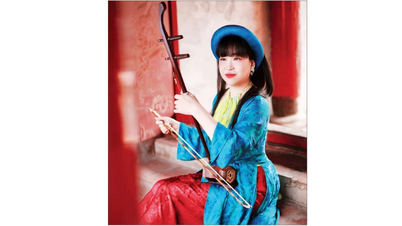
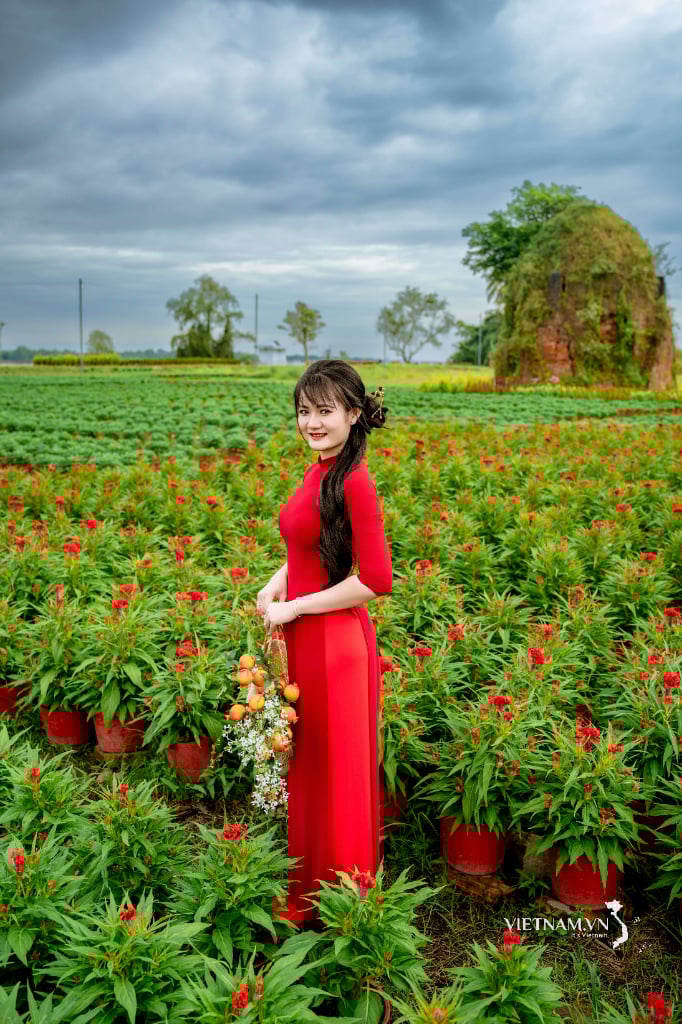
Modern life demands convenience and flexibility. Therefore, the ao dai (Vietnamese traditional dress) is constantly being modernized to suit these new needs. From materials and colors to styles, designers have infused the ao dai with the spirit of the times. In recent years, modernized ao dai have become popular among young people. This attire is frequently seen at holidays, graduation photoshoots, travel events , and cultural events.
PRESERVING THE SIMPLE THINGS
Amidst the modern pace of life and its many new fashion trends, the ao dai (Vietnamese traditional dress) still maintains its unique position. Without fanfare or ostentation, the ao dai has quietly passed through generations, becoming a symbol of resilience and preservation. Not only domestically, the ao dai is also showcased at numerous international cultural exchange events. The image of Vietnamese women in ao dai appears elegantly at forums and conferences, contributing to promoting the image of the country.
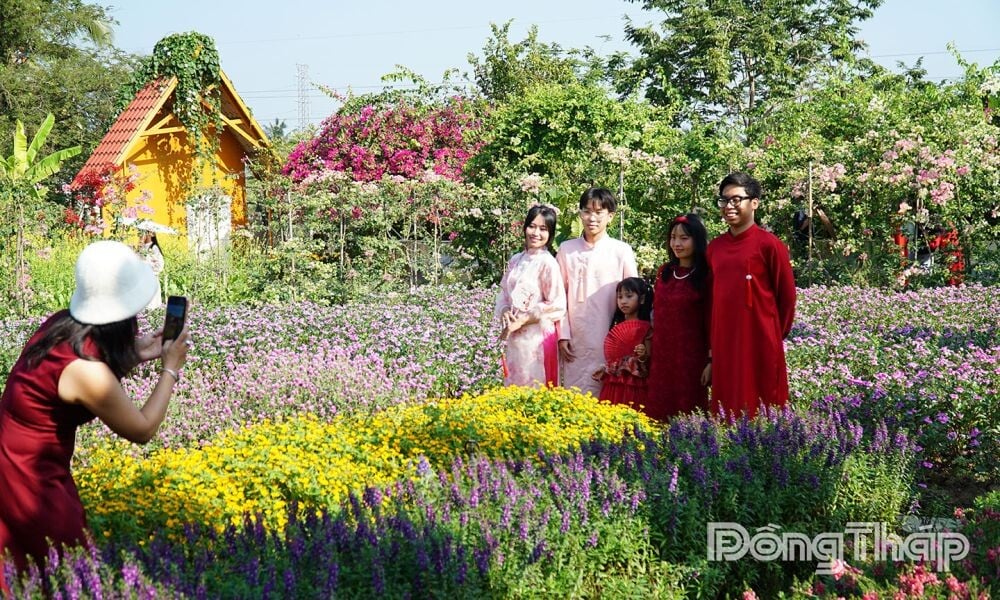
The annual launch of "Ao Dai Week" has contributed to reviving pride and awareness of preserving traditional attire. Many agencies, schools, and organizations have actively participated, creating a vibrant atmosphere and spreading love for the ao dai throughout the community. Perhaps the greatest value of the ao dai lies not only in its design or material, but in the emotions it evokes. It represents national pride, memories of school days, solemnity on special occasions, and the simple joy of wearing this traditional garment.
Today, the ao dai (Vietnamese traditional dress) is no longer confined to ceremonial settings but has entered everyday life with a new look. Its presence in offices, schools, community activities, and tourism demonstrates the enduring vitality of this traditional garment. Amidst the changes of the times, the ao dai still gently flutters in the wind, reminding each person of their roots and identity.
SONG AN
Source: https://baodongthap.vn/giu-hon-dan-toc-qua-ta-ao-dai-a237843.html
![[Image] Vietnam's diverse colors on its journey of innovation](https://vphoto.vietnam.vn/thumb/1200x675/vietnam/resource/IMAGE/2026/03/09/1773041390813_anh-man-hinh-2026-03-09-luc-14-28-17.png)
![[Photo] Diary of the photojournalism contest “Vietnam on the journey of innovation”](https://vphoto.vietnam.vn/thumb/1200x675/vietnam/resource/IMAGE/2026/03/09/1773041117692_anh-man-hinh-2026-03-09-luc-14-24-45.png)
![[Image] 20 islands in the Spratly Islands special administrative region hold early elections.](https://vphoto.vietnam.vn/thumb/1200x675/vietnam/resource/IMAGE/2026/03/08/1772949669607_img-20260308-112026-90-jpg.webp)









































![[Photo] Diary of the photojournalism contest “Vietnam on the journey of innovation”](https://vphoto.vietnam.vn/thumb/402x226/vietnam/resource/IMAGE/2026/03/09/1773041117692_anh-man-hinh-2026-03-09-luc-14-24-45.png)

















Comment (0)