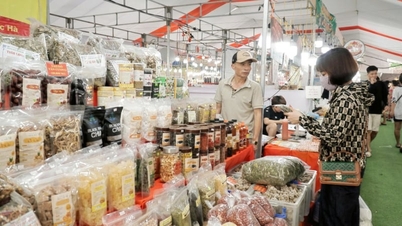
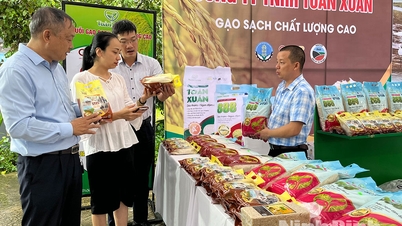
Those who maintain the bridge connecting with the people.
Currently, Phu Dien ward has 52 residential groups, of which 10 groups have more than 700 households and 42 groups have fewer than 700 households. The ward has traditional residential areas, urban areas, and apartment complexes. The draft plan for rearranging and renaming residential groups in Phu Dien ward is expected to reduce the number to 27 groups.
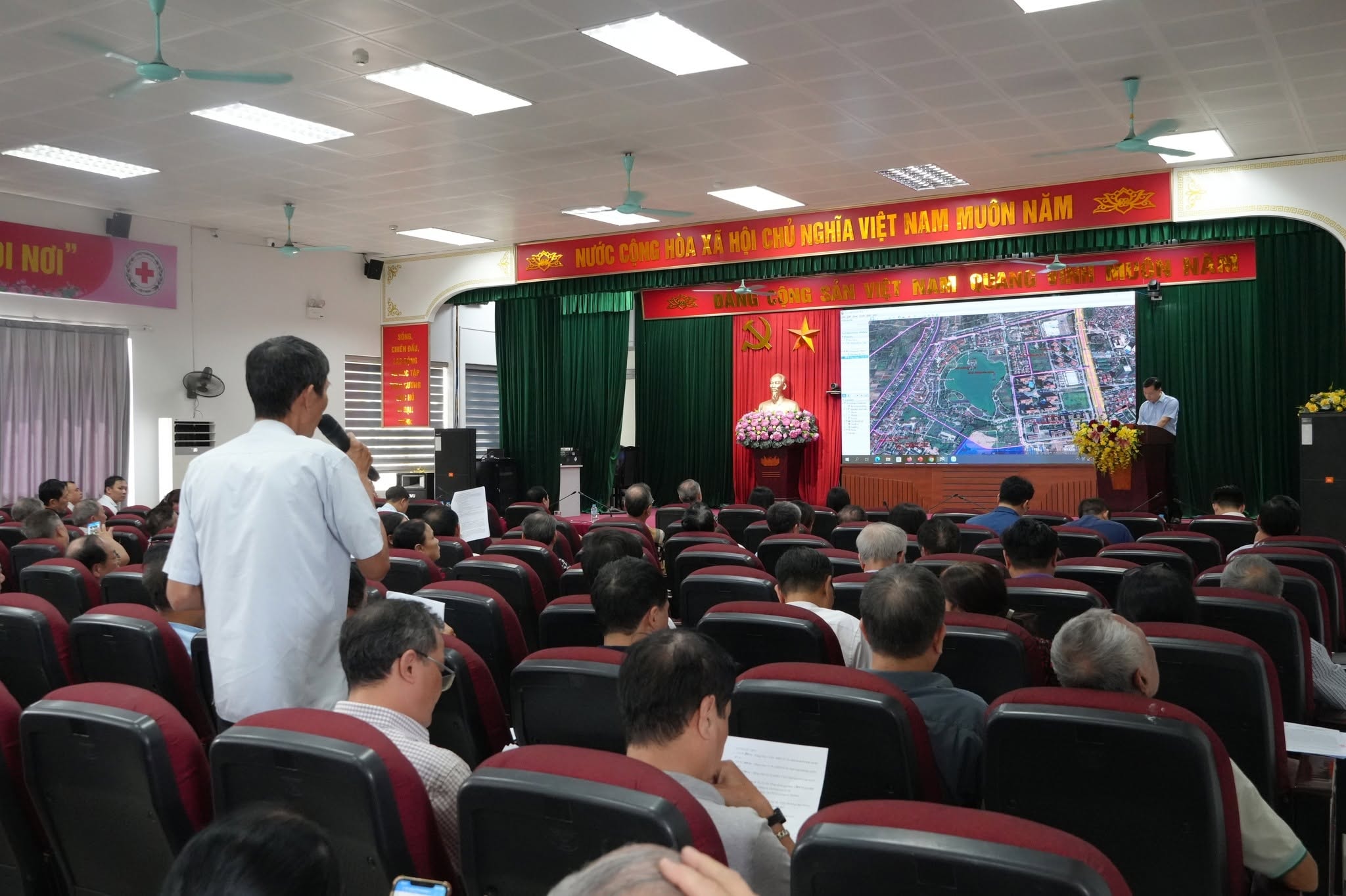
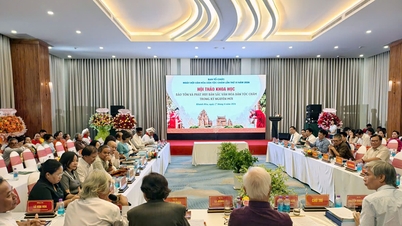
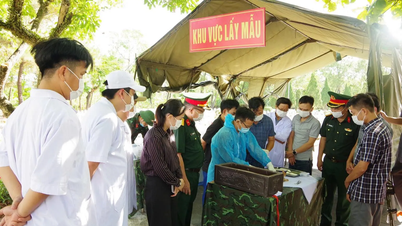
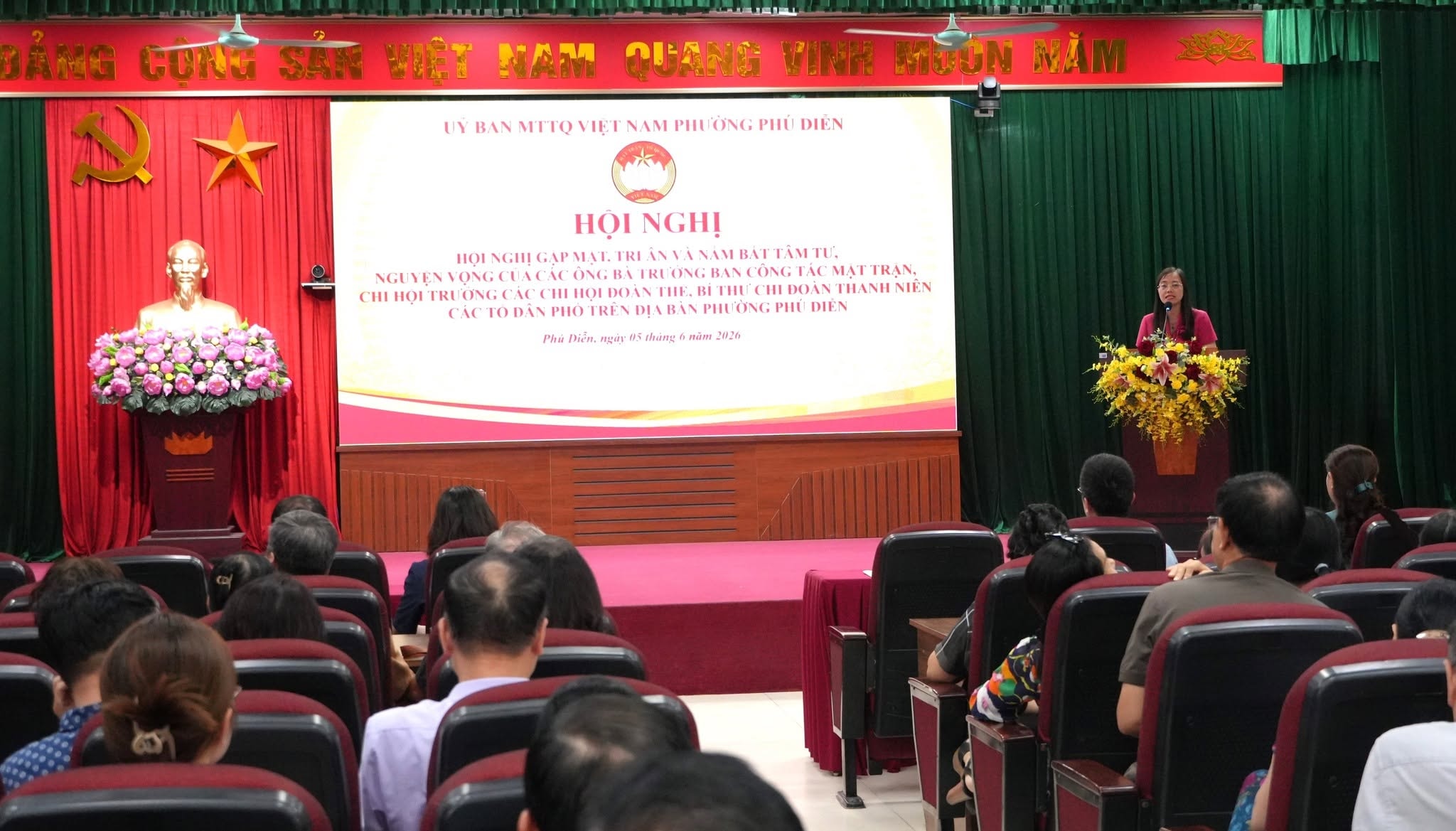
Recently, along with the implementation of the policy to reorganize and rename residential areas in the ward, the Party Committee, People's Committee, and Vietnam Fatherland Front Committee of Phu Dien ward have organized conferences to gather public opinions, meet with and listen to the thoughts and aspirations of grassroots officials. This issue has also received special attention at voter outreach meetings of People's Council representatives at all levels.
The majority of voters agree with the policy of streamlining the administrative apparatus and improving the efficiency of management at the grassroots level. However, mixed in with this consensus are some unspoken concerns. Behind each residential area are years of community bonding, familiar streets, self-governance movements, and officials who have dedicated their efforts to fostering a sense of community and neighborly spirit.
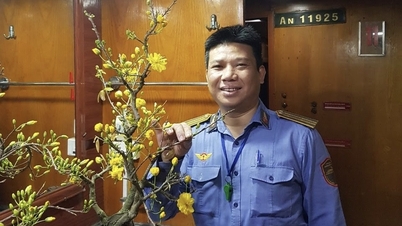
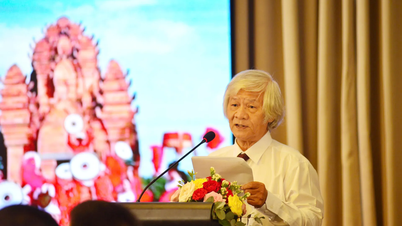
Having worked at the grassroots level for many years, Mr. Bui Quan Toan, Head of Residential Group No. 2 in Duc Dien, said that the majority of voters agree with the general policy. However, many expressed concerns that the reorganization would lead to changes in the names of residential units, resulting in changes to people's administrative information. According to Mr. Bui Quan Toan, people are particularly interested in procedures related to personal documents, residential addresses, and administrative procedures in the future. Therefore, voters hope that the local government will continue to strengthen communication and provide specific guidance so that people understand the implementation process, facilitating the transition.



Meanwhile, Mr. Tran Van Giau, Head of the Front Committee of Residential Area No. 2, Phu Dien, is concerned about maintaining community cohesion after the reorganization. Many households in the residential area have been closely connected for decades, participating in local movements and activities and building positive values in community life. The reorganization of residential areas is not only an objective requirement in the process of urban development, but also an opportunity to build stronger residential communities and better promote the self-governance role of the people. The important thing is to continue to promote the role of grassroots officials in connecting, gathering, and mobilizing the people. After the reorganization, the larger population size will place higher demands on grassroots officials, especially in the digital transformation process.
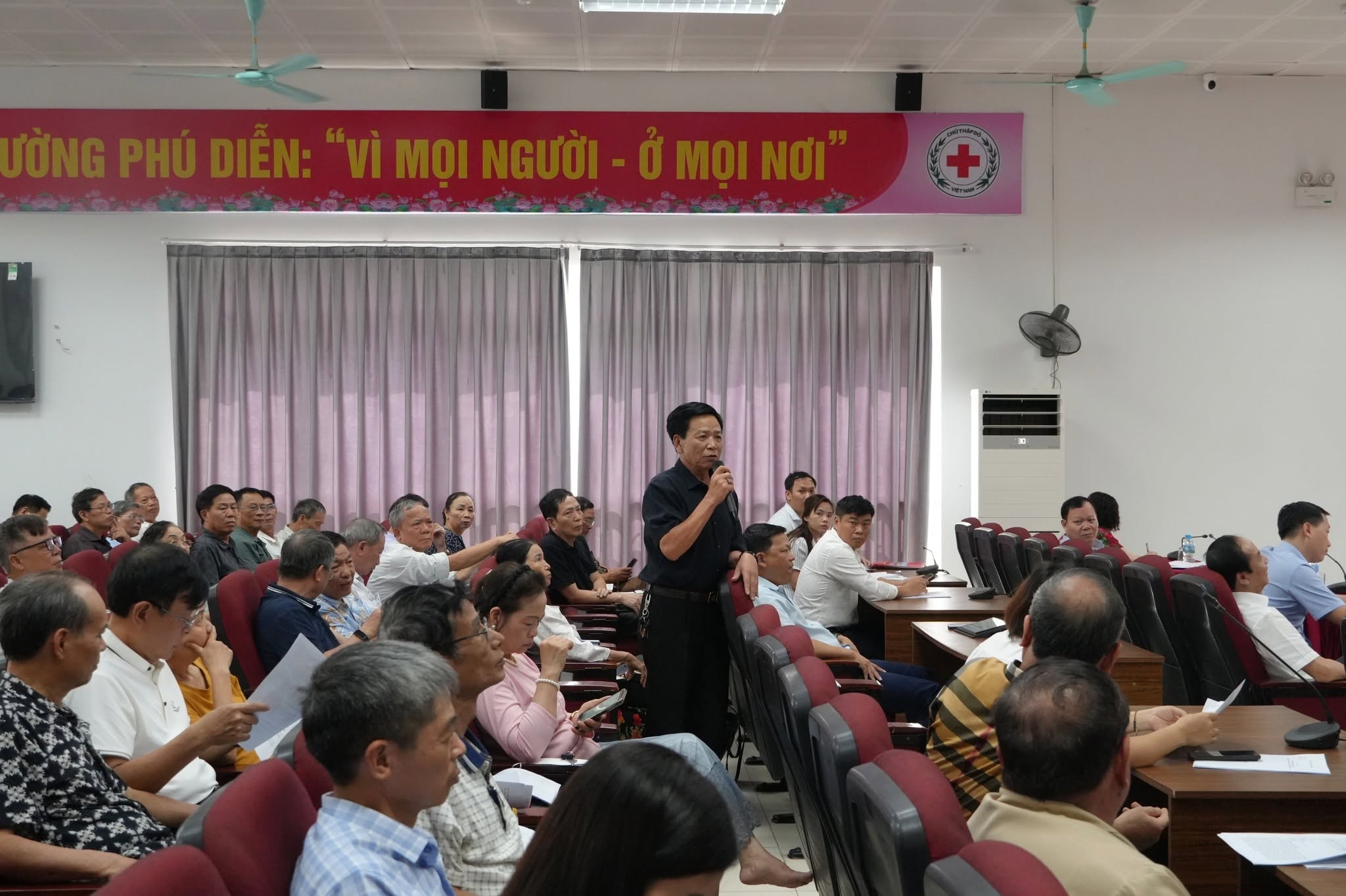
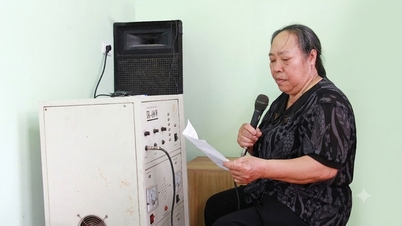
At a meeting to express gratitude and understand the thoughts and aspirations of Front and mass organization officials in residential areas, the Chairwoman of the Vietnam Fatherland Front Committee of Phu Dien Ward, Tran Thi Hong Hanh, stated that the people are very concerned about the arrangement and consolidation of personnel after the reorganization. This is a legitimate issue, because behind each position is a specific person, a process of dedication, prestige, affection, and responsibility to the people. Some opinions also suggested that after the consolidation, tasks should be clearly assigned to avoid leaving areas vacant, attention should be paid to training and guidance on professional skills, improving propaganda and mobilization skills, applying information technology and digital transformation in the activities of the Front and mass organizations at the grassroots level…
Expectations for the new residential areas
To concretize the regulations of the Central Government and the city; and to address the issue of residential areas being too small or having an unreasonable population distribution, the People's Committee of Phu Dien Ward has developed a plan to organize public consultations on the rearrangement and renaming of residential areas in the ward; ensuring transparency, democracy, prudence, and the consensus of the people.
According to the procedure, the People's Committee of the ward will issue a decision to establish a public consultation team to gather opinions on the rearrangement and renaming of residential areas based on the areas directly affected by the rearrangement plan; and publicly post the draft plan for rearranging residential areas in the ward. If the plan for rearranging and renaming residential areas is approved by more than 50% of the voters representing households in each residential area slated for rearrangement or renaming, the People's Committee of the ward will submit it to the Ward People's Council for approval at the nearest meeting.
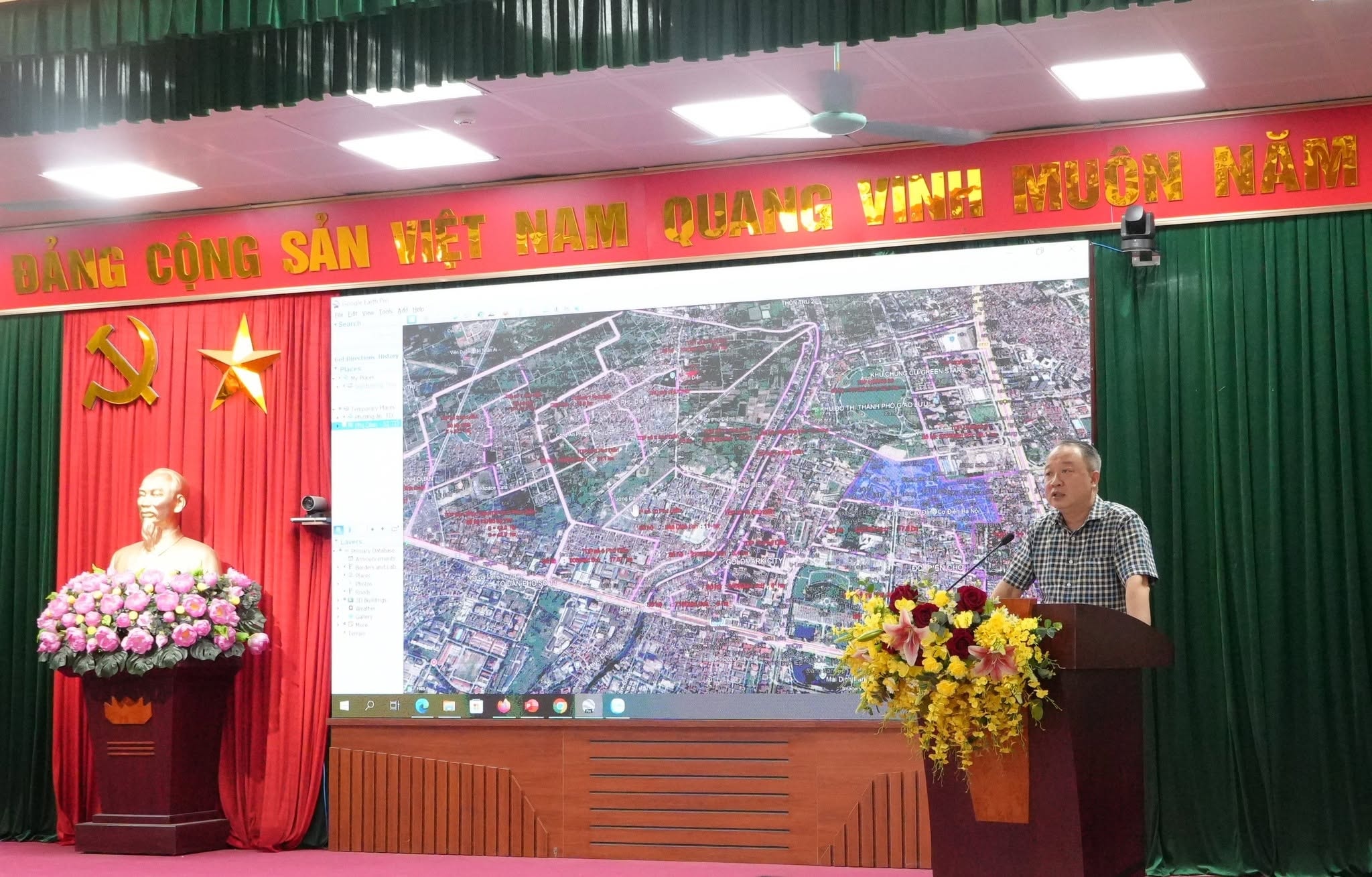
Activities of neighborhood groups after reorganization.
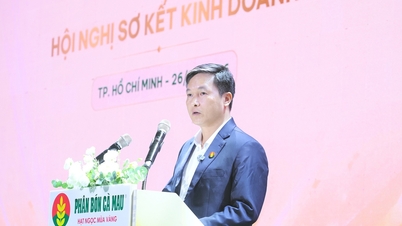
Comrade Nguyen Le Hoang, Secretary of the Phu Dien Ward Party Committee, affirmed that the restructuring was carried out to build a more streamlined, effective, and efficient grassroots political system, meeting the development requirements of the locality in the new period. The implementation process must ensure openness, democracy, transparency, and fully listen to the opinions of the people and grassroots officials.



"The biggest change after the reorganization is not the name of the residential area, but how to make the system operate more efficiently and serve the people better," Comrade Nguyen Le Hoang emphasized.
Above all, the responsibility of grassroots officials and the consensus of the people are the foundation for the newly reorganized residential areas to quickly stabilize and continue building united, civilized, and compassionate communities.
Source: https://hanoimoi.vn/giu-lua-trach-nhiem-truc-them-sap-xep-to-dan-pho-1159689.html