

In many highland villages of Lao Chai commune, the sight of Hmong women sitting by their looms, their hands nimbly weaving and dyeing with indigo, has become familiar. This is not only a means of livelihood but also a way for them to preserve their cultural identity passed down through generations.
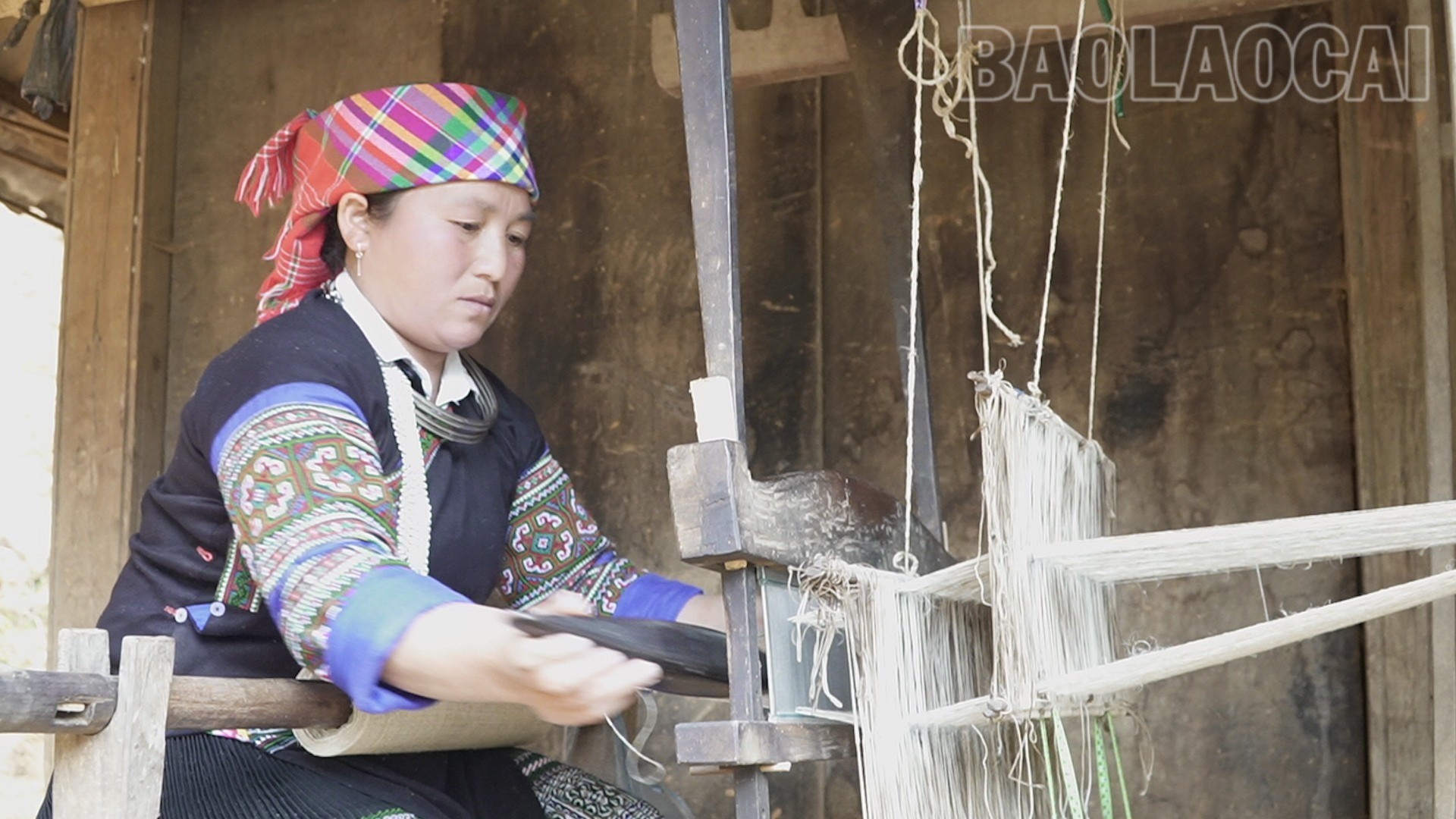
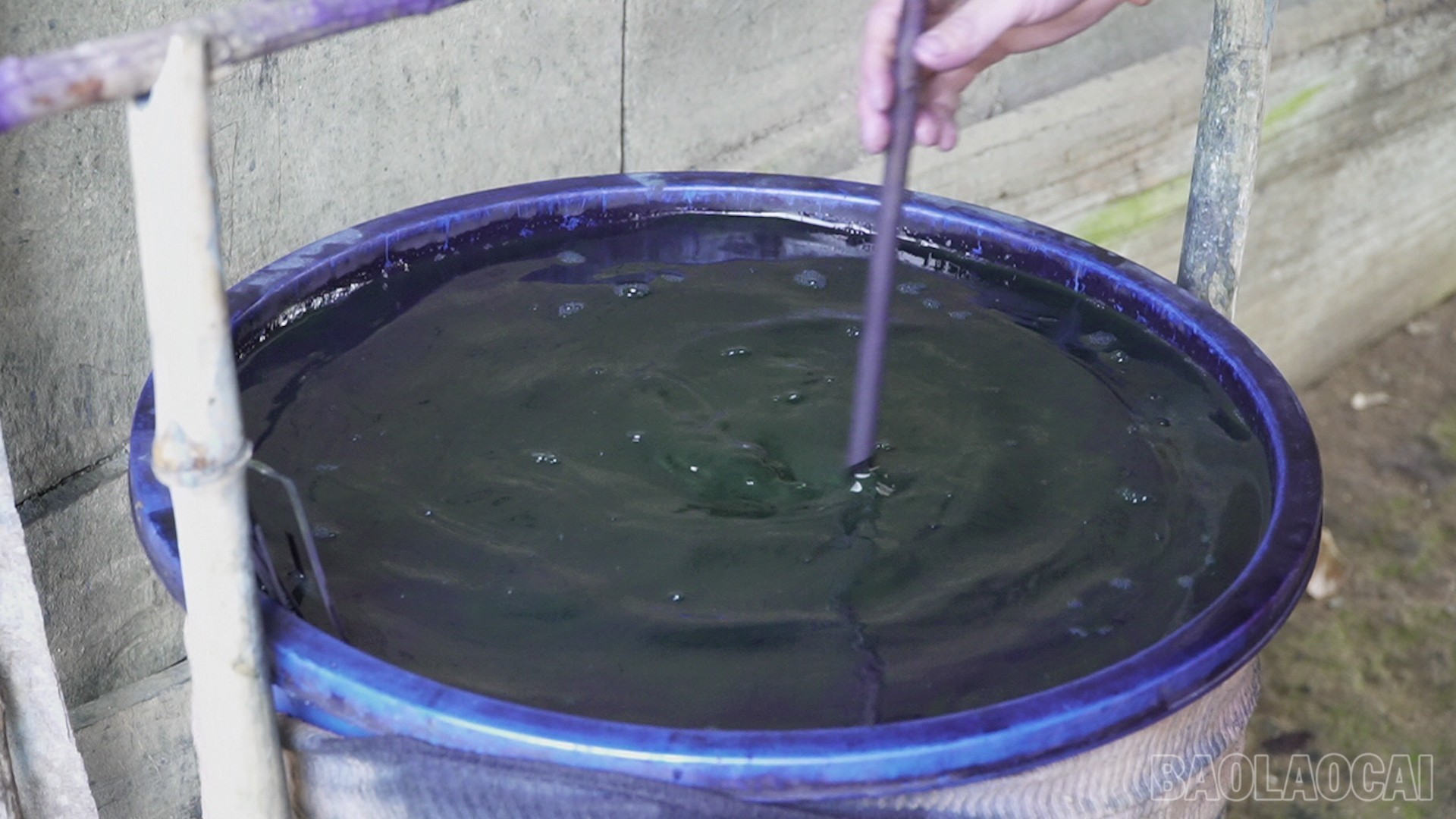
To create a complete indigo-dyed fabric, the Hmong people must go through many elaborate stages, from growing flax, stripping the fibers, spinning the yarn, weaving the fabric, to dyeing with indigo and embroidering patterns. Each step requires meticulousness, perseverance, and a deep understanding of the craft. Indigo leaves are harvested, fermented, and soaked for many days, then filtered to extract the liquid, which is then foamed to create the color. A beautiful piece of fabric must be dyed repeatedly, each time spaced a few days apart, so that the color penetrates evenly, resulting in a deep, natural blue that lasts for years.
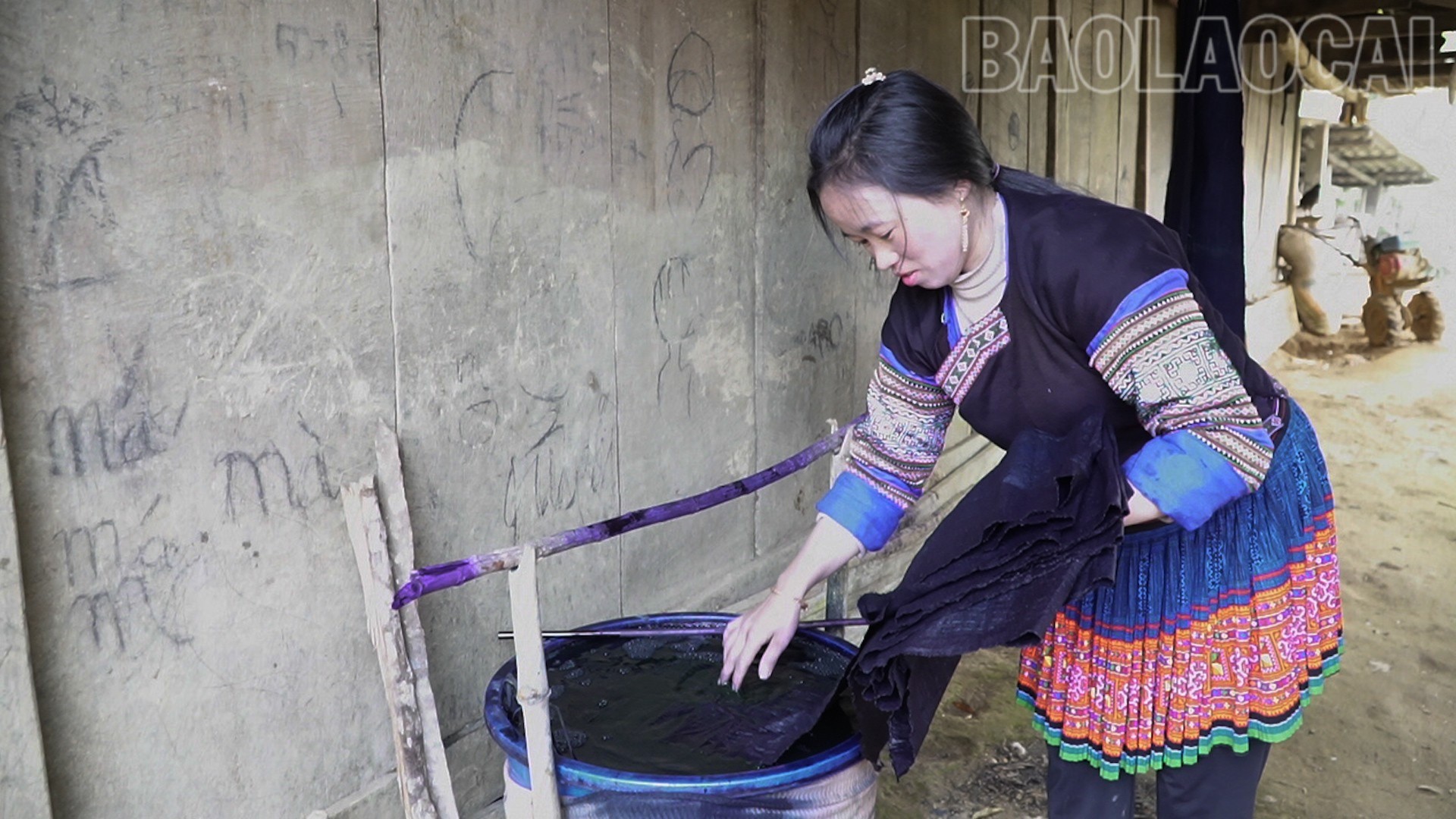
Ms. Giang Thi Co, from Hu Tru Linh village, learned the craft of indigo dyeing from her mother and, after many years, has mastered all the steps. She shared: "To get indigo dye for fabric, we have to select indigo plants that are one year old. After harvesting, we soak them in indigo for two days, then filter the liquid and store it in containers. After 10 days, when the indigo dye has developed its color, we start dyeing the fabric. The fabric has to be dyed 8 to 10 times to get the finished product, which is then used to make clothes."
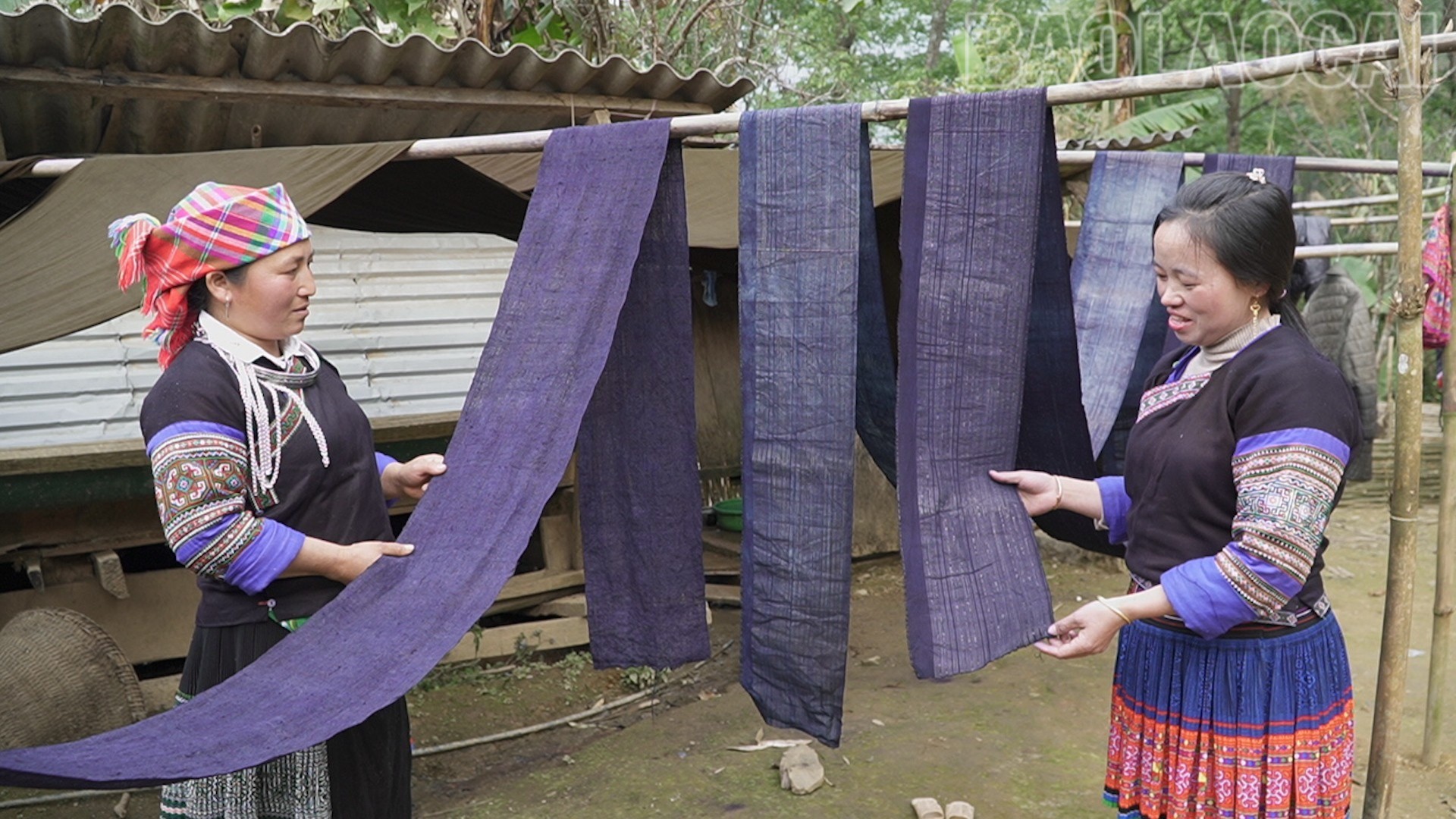
However, due to the meticulousness of each step and the rapid development of ready-made fashion and industrial fabrics, the indigo weaving and dyeing craft faces the risk of extinction. Many young women are no longer interested in the profession because the work is arduous, time-consuming, and the income is not high. Yet, it is precisely from this risk and concern that the "keepers of the soul" have proactively passed on the craft to the younger generation, bringing the color of indigo back into life through more flexible methods.
Many localities have established groups and clubs dedicated to preserving the Mong ethnic culture through brocade weaving. Elderly and experienced individuals directly guide their descendants on how to cultivate flax, dye with indigo, and embroider traditional patterns. Many products made from indigo fabric today have been improved in design, becoming handbags, scarves, and dresses for tourism , contributing to increased income for the local people.
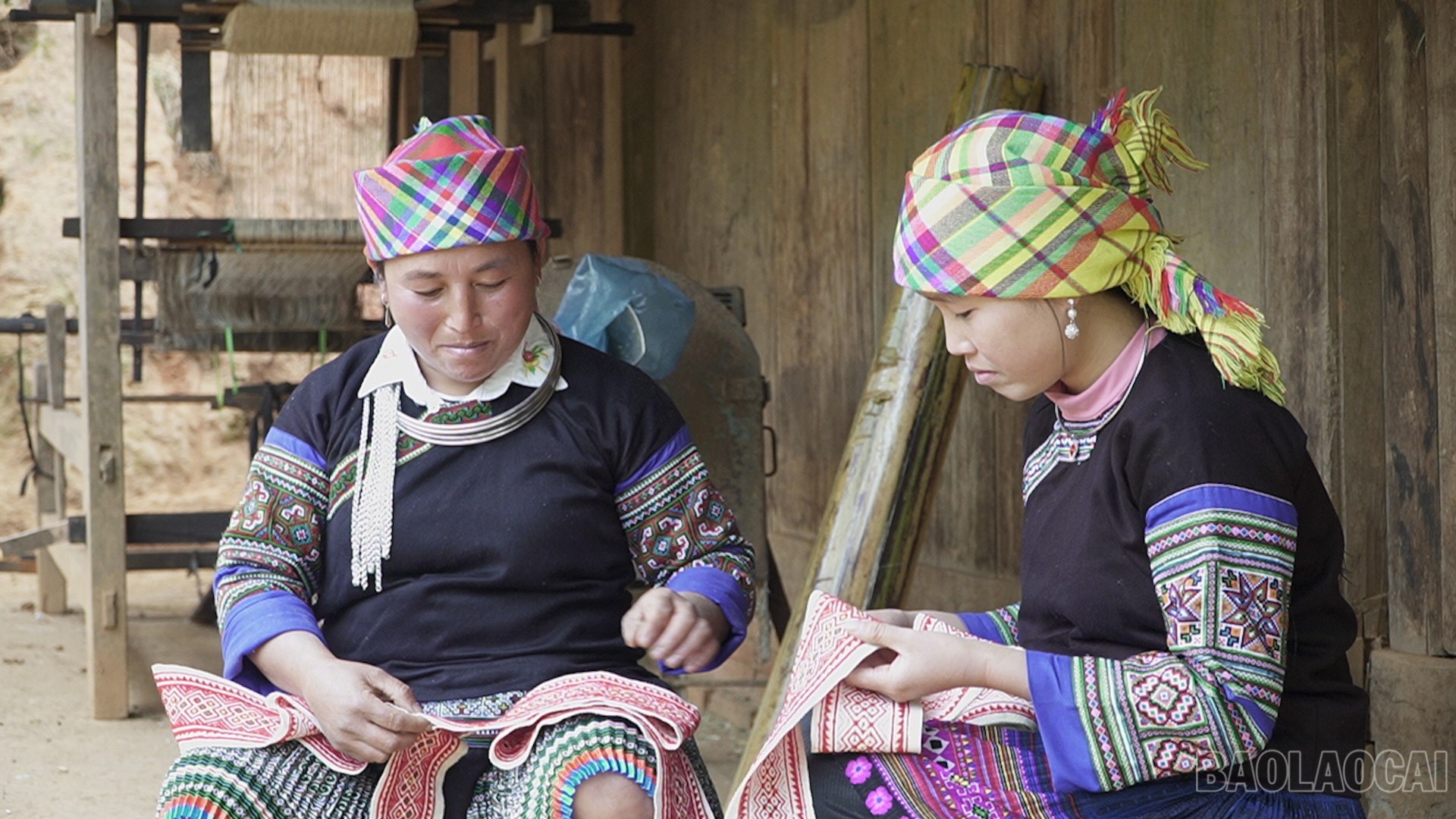
Ms. Lo Thi Mo, from Hu Tru Linh village, is considered a skilled in indigo dyeing and traditional dressmaking expert. Taking advantage of her free time between farming seasons, Ms. Mo often weaves and embroiders patterns to create traditional products for sale. Her products are highly appreciated by customers for their meticulous craftsmanship.
Not stopping there, Mrs. Mo also teaches her children and grandchildren how to make traditional, local products and shares her experience with other women in the village to create more income. Mrs. Mo shared: "My mother taught me how to dye indigo, weave fabric, embroider patterns, and sew clothes from a young age. I also pass on this craft to my children and grandchildren. Thanks to doing well, many people come to place orders, and I earn more income."
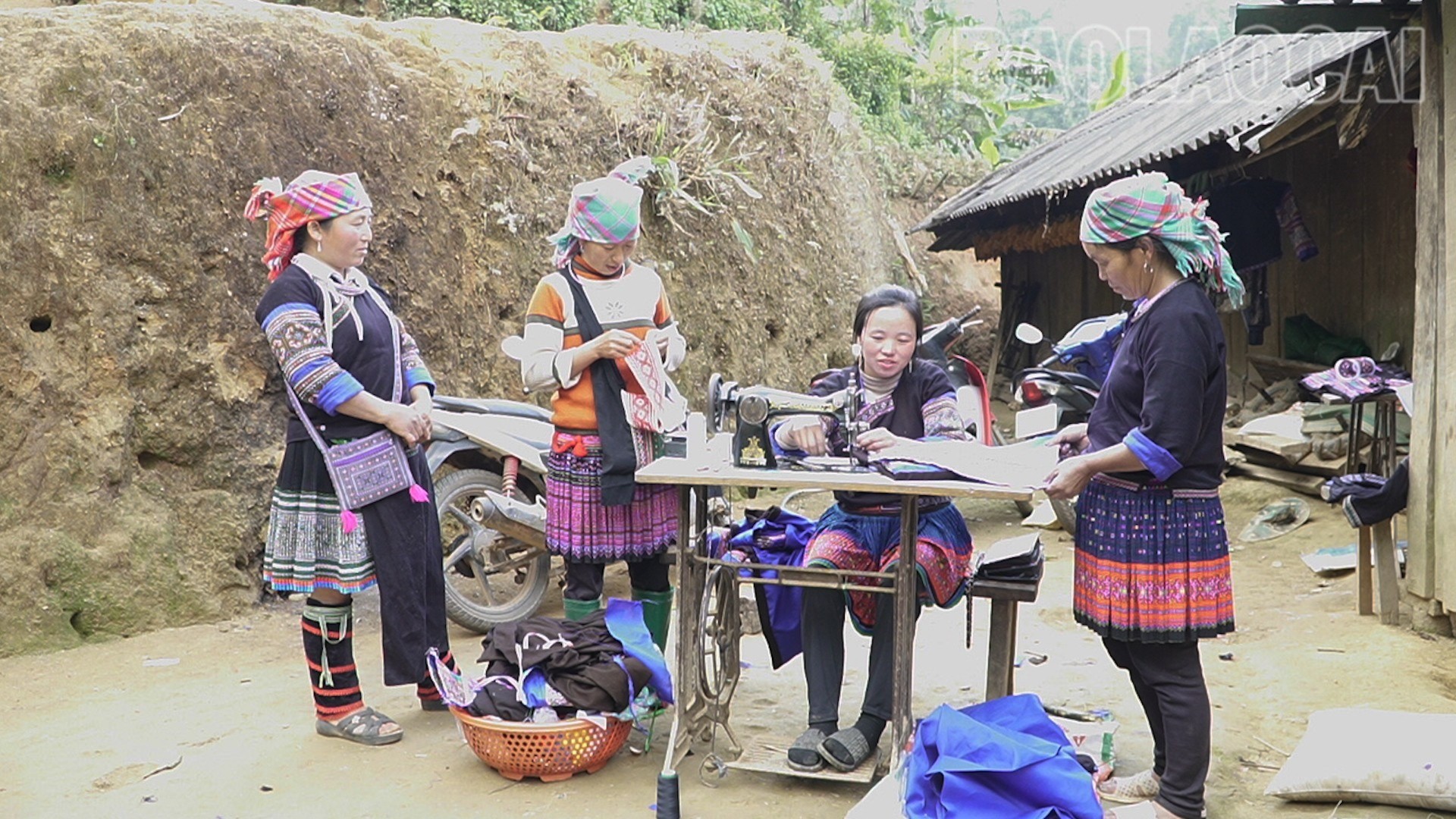
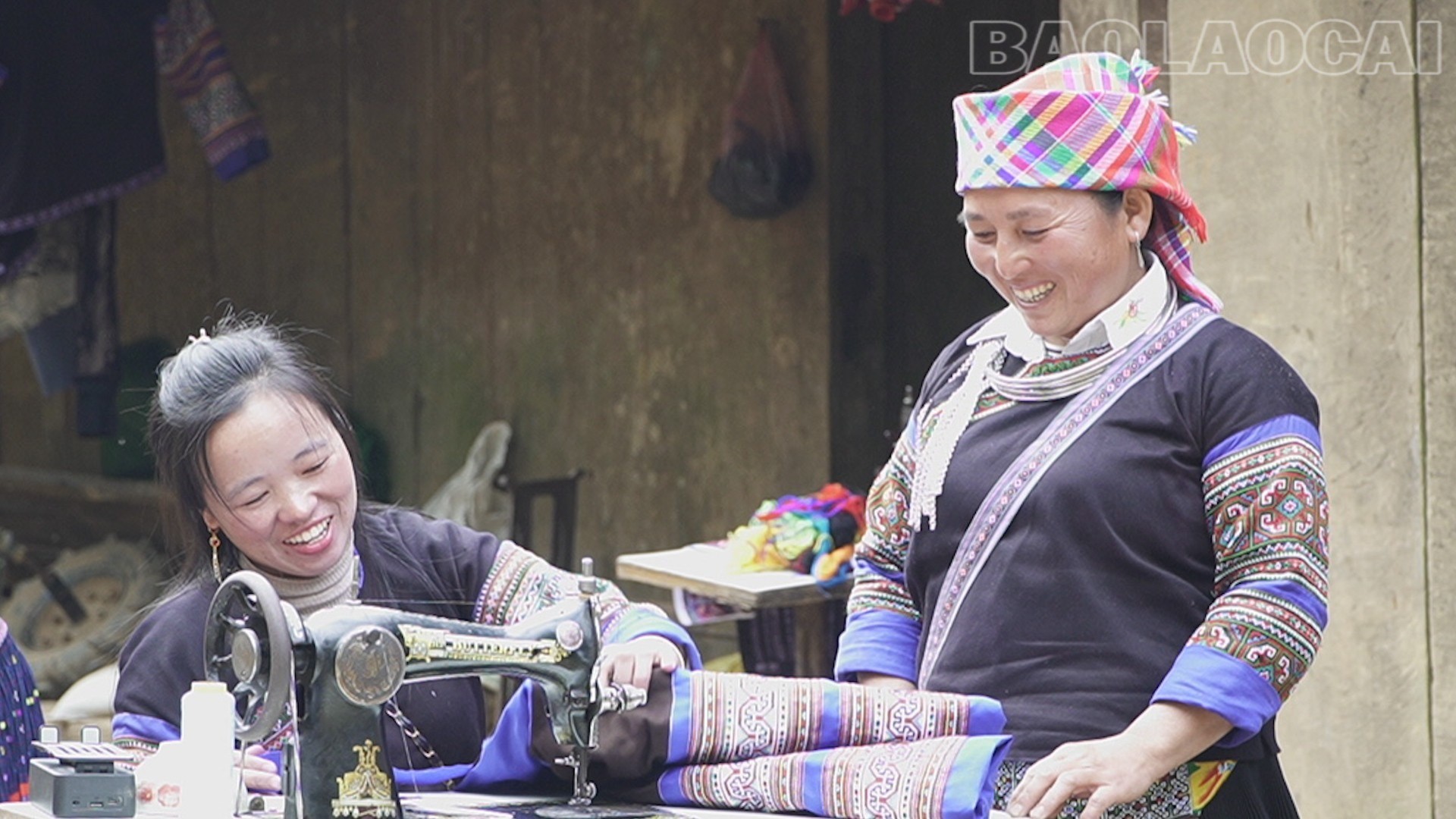
Even more valuable, those who preserve the soul of indigo are not only elderly artisans but also young people. They choose to return to their villages, relearn the craft from their mothers and grandmothers, and combine tradition with modern creativity to take indigo-dyed fabrics further. For them, preserving the craft is not just about making a living, but also a responsibility to safeguard the heritage of their ancestors.
Sung Thi Dua, 20 years old, has learned the indigo dyeing, weaving, and embroidery techniques thanks to being taught this traditional craft. Dua says she will try her best to preserve it so that the traditional craft does not fade away.
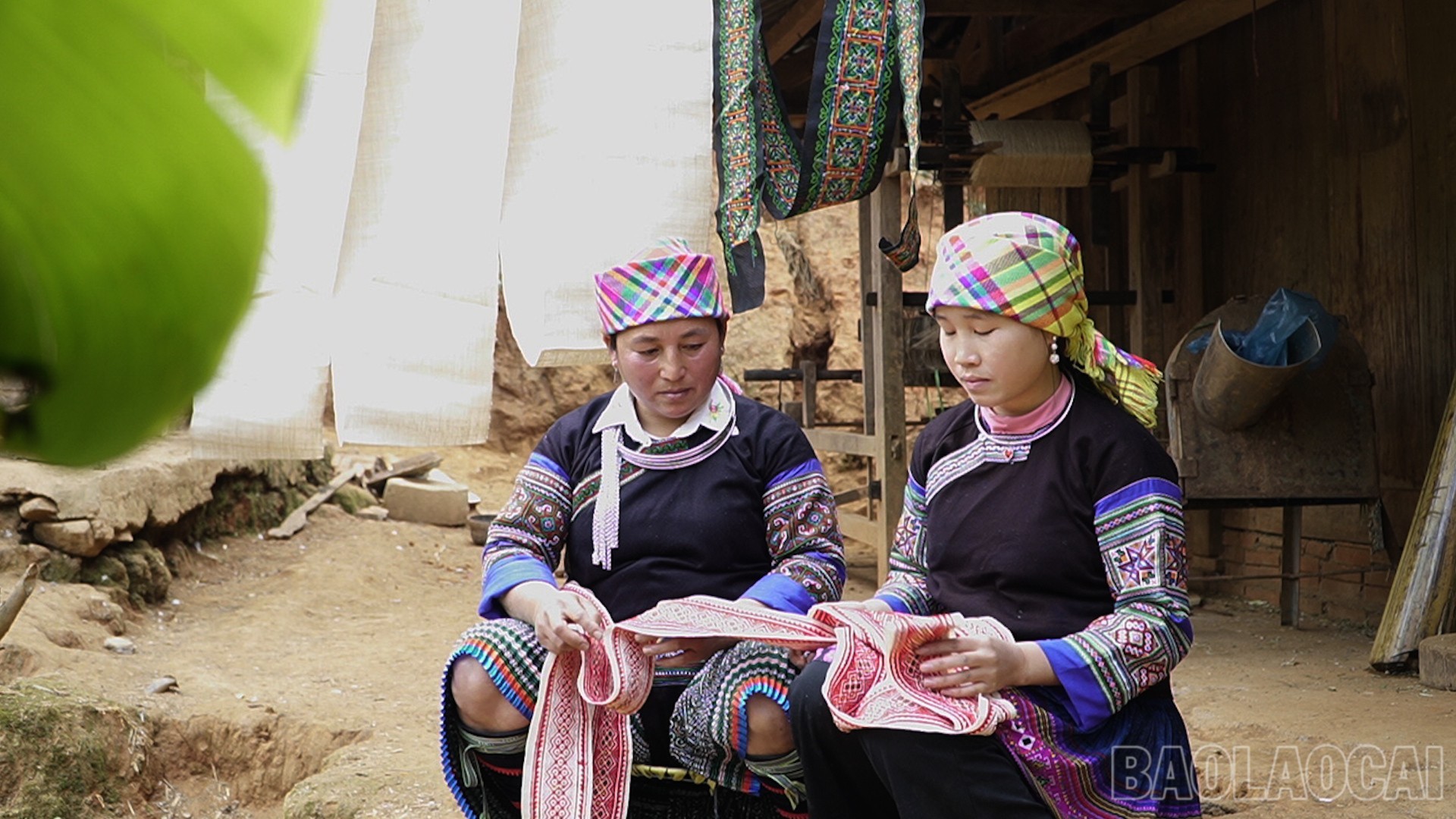
Indigo is now incorporated into many cultural activities, festivals, and community tourism events. Traditional Hmong costumes appearing in festivals and cultural performances not only create a highlight to attract tourists but also awaken a sense of national pride in each local person.
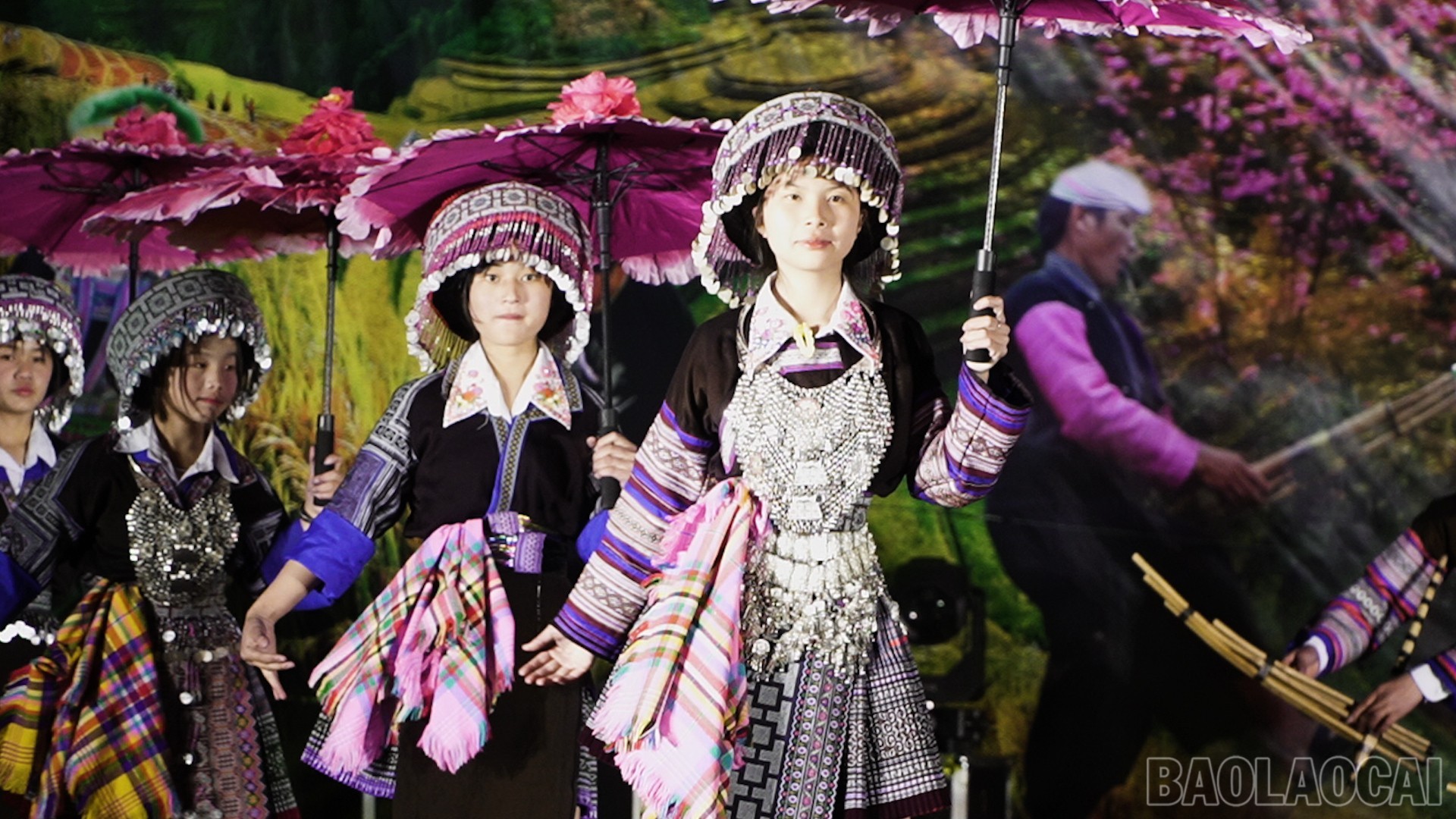
Ms. Do Thi Hien, Deputy Head of the Culture and Social Affairs Department of Lao Chai commune, said: "In the work of preserving and maintaining the cultural identity of ethnic groups, the role of village elders, respected individuals, and the elderly is crucial in directly preserving and transmitting folk knowledge and traditional crafts. With our role and responsibility, we will continue to advise on and organize training courses and direct teaching for the younger generation, thereby contributing to maintaining, preserving, and promoting the cultural identity of ethnic groups."
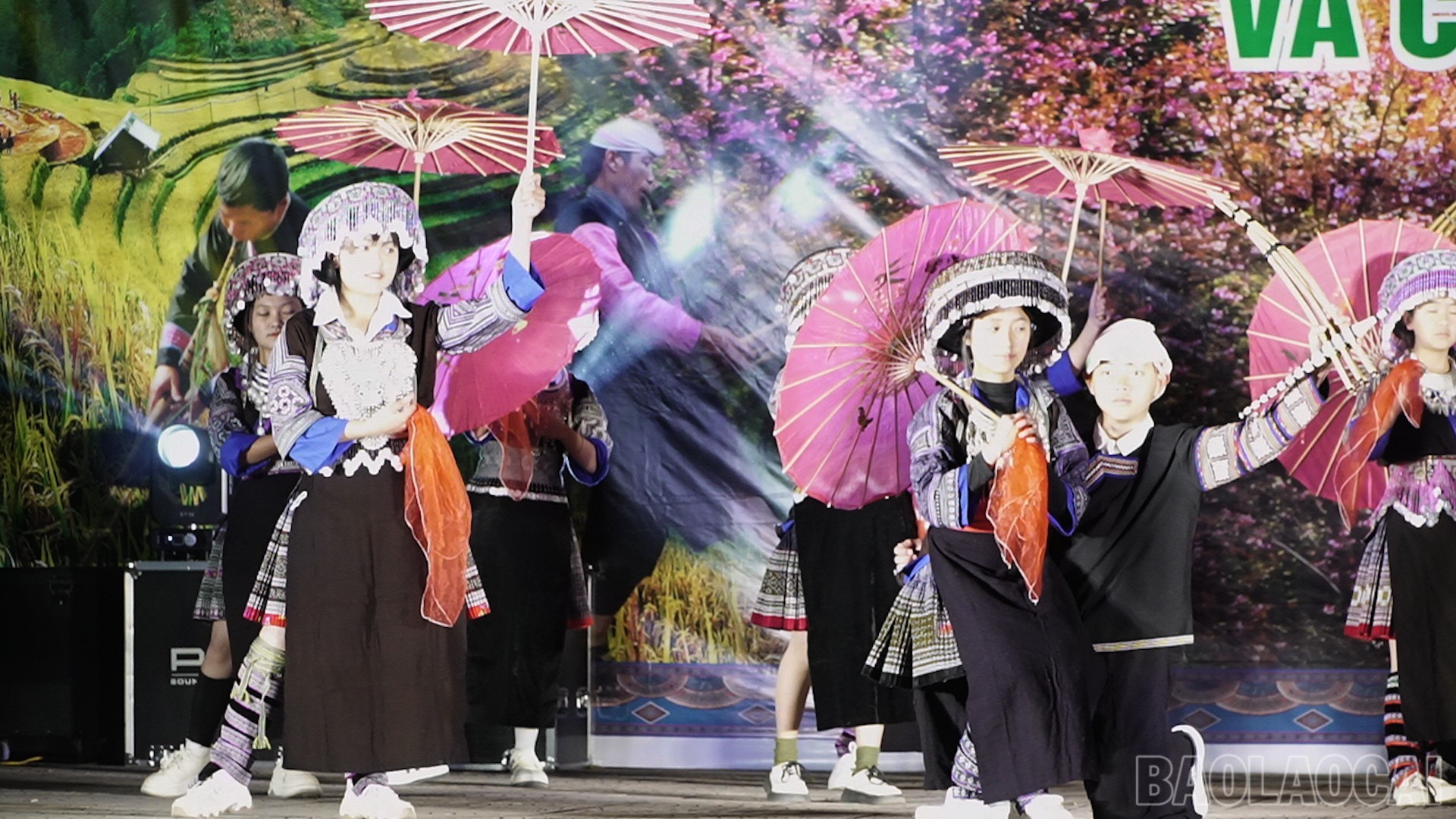
Indigo is not just the color of fabrics; it's also the color of memories, customs, and the way the Hmong people tell the story of their lives. Each piece of cloth dyed and woven is the culmination of the Hmong people's labor, culture, and soul. Without people who practice and know this craft, the indigo color and their identity will gradually fade away. Amidst the flow of integration, those who preserve the soul of indigo are the "bridge" between the past and the present, ensuring that Hmong culture is not only preserved but continues to spread vibrantly and sustainably in the lives of today and tomorrow in the highland villages.
Source: https://baolaocai.vn/giu-sac-cham-cua-nguoi-mong-post891206.html


![OCOP during Tet season: [Part 1] Ba Den custard apples in their 'golden season'](/_next/image?url=https%3A%2F%2Fvphoto.vietnam.vn%2Fthumb%2F402x226%2Fvietnam%2Fresource%2FIMAGE%2F2026%2F01%2F26%2F1769417540049_03-174213_554-154843.jpeg&w=3840&q=75)




Comment (0)