


According to data from the first six months of 2025, authorities nationwide initiated investigations into 120 cases involving 365 defendants related to human trafficking and trafficking of persons under 16 years of age. The court system at all levels handled 93 cases with 292 defendants, a significant increase compared to the same period last year.
These figures not only reflect the severity of human trafficking crimes, but also highlight the urgent need to protect human rights, especially the rights of women and children.
Long-term challenges in trauma recovery
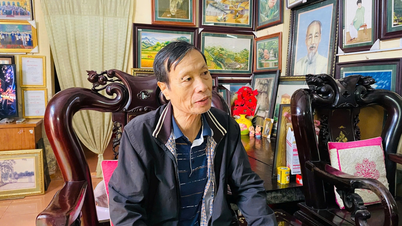
According to Associate Professor, Dr. Bui Hoai Son, Standing Member of the National Assembly's Committee on Culture and Education , the current Law on Prevention and Combat of Human Trafficking clearly demonstrates a fundamental change in legislative thinking: "The law not only aims to suppress crime, but places the prevention and combat of human trafficking directly within the framework of ensuring human rights as enshrined in the Constitution, with a focus on protecting the honor, dignity, health, life, and legitimate rights and interests of victims."
This approach marks a shift from a purely criminal mindset to a human rights and human development approach, in which victims are no longer passive subjects, but active agents who need to be protected and empowered.
Experience shows that rescuing victims from human trafficking is only the beginning. Psychological rehabilitation, protecting their rights, and helping them rebuild their lives are the long-term challenges.
Associate Professor, Dr. Bui Hoai Son emphasized: "The 'victim-centered' principle in the Law is not just a policy statement, but a guiding principle for the entire chain of activities from prevention, detection, treatment to support and reintegration into the community."
Especially for women and children – groups who are doubly vulnerable both physically and psychologically – being respected, not discriminated against, and being supported according to their individual needs is crucial to their recovery.
Currently, there are 425 social assistance facilities nationwide, including 195 public and 230 private facilities. Depending on the conditions of each locality, the People's Committee of the province or city assigns the task of receiving victims to the Social Protection Center or the Social Work Center. In some places, due to limited facilities, temporary support for victims must be provided at facilities for war veterans or drug rehabilitation centers.
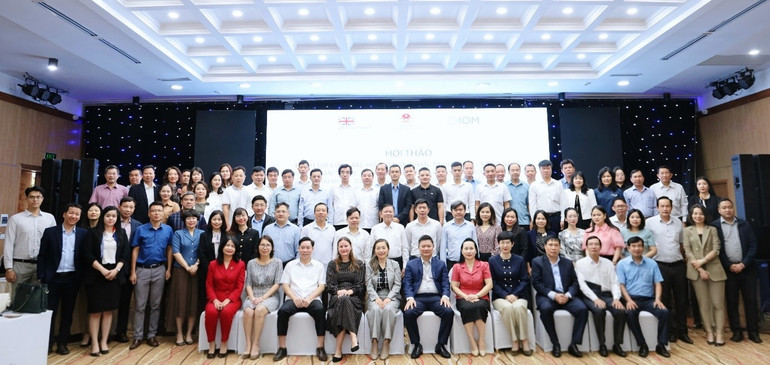
Currently, there are 51 social welfare centers and 43 social work centers that function to receive victims of human trafficking. Despite the difficult conditions, the centers still have separate reception rooms, dedicated staff, and minimum services to ensure the safety of the victims.
From 2017 to 2021, nearly 4,000 people were identified and verified; of these, 1,715 were confirmed as victims of human trafficking. Notably, 96.9% of the victims were female, over 28% were under 18 years old, and 88% were trafficked to China. Among these, many were rescued, returned home on their own, or were exchanged through bilateral channels.
The facilities provided 100% of the victims with essential needs, supported travel expenses for 1,388 people, and assisted 413 with reintegration, including education, vocational training, job placement, legal assistance, and startup loans. These forms of support significantly contributed to ensuring the rights, safety, and future of the victims.
Practical community support services
Current community-based support models focus on the most essential services victims need, including: psychological support and basic medical care. This is the most urgent need of victims, providing them with counseling, therapy, health check-ups, and initial medical care to help stabilize their mental and physical health after experiencing violence, coercion, or exploitation.
Victims also urgently need legal advice and protection of their rights because they are often hesitant, lack legal knowledge, and are easily endangered when reporting crimes. Therefore, support models that help them are very practical, such as: participating in safe litigation, understanding and protecting their rights, completing personal documents, and accessing government support policies.
For children, inclusive education is crucial because trafficked children often experience disruptions to their education or suffer severe trauma. Returning them to school, providing therapy, and teaching them life skills are key steps in their confident reintegration into society.
To prevent victims from being re-trafficking, they need stable employment. Support models such as short-term vocational training, job placement, business connections, and small-scale capital assistance can help victims secure long-term livelihoods.
These services not only help victims recover, but also empower them to protect themselves, make their own decisions, and take initiative in life.
Currently, the Vietnam Women's Union operates many effective support models such as "trusted addresses in the community," the OSSO One-Stop Center, and especially the Peaceful Home model, which provides safe accommodation and free psychological and legal support for women and children who have been trafficked, subjected to violence, or abused. The Peaceful Home is a trusted address that receives referrals from the Police, Border Guard, Social Relief Centers, and Women's Unions in the provinces.
In addition, the non-governmental organization Blue Dragon has rescued more than 1,400 people in nearly 20 years and supported more than 20,000 children, providing education, shelter, and employment opportunities, making a significant contribution to preventing and ending human trafficking.
Community-based support models not only help victims recover psychologically, receive healthcare, or establish legal rights, but more importantly, empower them with life skills, employment, and sustainable livelihoods, enabling them to return to life safely and with hope. When properly invested in and implemented through close inter-sectoral coordination, these models will become a strong shield in the fight against human trafficking.
Source: https://nhandan.vn/giup-nan-nhan-bi-mua-ban-vuot-qua-sang-chan-tam-ly-can-nhung-mo-hinh-ho-tro-thiet-thuc-post932523.html

![[Image] First UAV flight test in medical transport](/_next/image?url=https%3A%2F%2Fvphoto.vietnam.vn%2Fthumb%2F1200x675%2Fvietnam%2Fresource%2FIMAGE%2F2025%2F12%2F24%2F1766560655977_thunghiembay-3551-jpg.webp&w=3840&q=75)


![[Image] First Congress of the Vietnam Science and Technology Trade Union](/_next/image?url=https%3A%2F%2Fvphoto.vietnam.vn%2Fthumb%2F1200x675%2Fvietnam%2Fresource%2FIMAGE%2F2025%2F12%2F24%2F1766552551054_ndo_tr_img-1801-jpg.webp&w=3840&q=75)






![[Image] First UAV flight test in medical transport](https://vphoto.vietnam.vn/thumb/402x226/vietnam/resource/IMAGE/2025/12/24/1766560655977_thunghiembay-3551-jpg.webp)





































Comment (0)