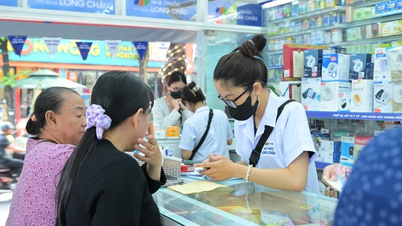
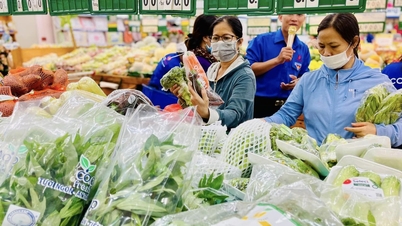
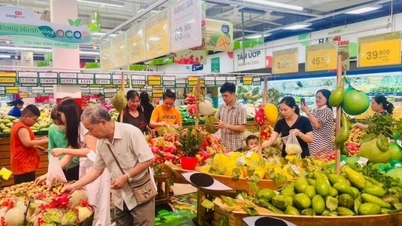
Like many consumers nationwide, these days, Ms. Nguyen Thi Thu Huong (Tay Mo ward, Hanoi ) spends a lot of time going to supermarkets, traditional markets, or browsing e-commerce platforms to choose and buy food for her family for the Lunar New Year of the Year of the Horse. Ms. Huong said: "Tet (Lunar New Year) is a time for everyone to temporarily set aside the hustle and bustle of life, return to their roots, and enjoy the warm atmosphere of family reunion."
Therefore, wishing for everyone in her family, relatives, and friends to have a complete and joyful Tet holiday, especially to sit together around the family table with a full meal featuring traditional Tet dishes, she plans to buy a large quantity of food, prioritizing ready-to-eat items to reduce cooking time.
However, Ms. Huong, like many other housewives, is currently worried about how to choose food that is guaranteed to be of good quality. In recent days, authorities have repeatedly discovered numerous organizations and individuals taking advantage of the sudden surge in demand during Tet to smuggle substandard food, using preservatives exceeding permitted limits, thus increasing the risk of food insecurity.
According to Master's degree holder and doctor Vu Thi Lan Anh (Deputy Head of the Nutrition Department, Ha Dong General Hospital): The Lunar New Year holiday is always a "hot" time regarding food safety issues, especially for processed products such as pork sausage, ham, seafood spring rolls, and sticky rice cakes...
Tet (Vietnamese Lunar New Year) is also a time when many foods of unknown origin are mixed into the market, coupled with eating habits, creating a potential risk of food safety issues. The unpredictable weather during Tet, with alternating rain and sunshine and high humidity, makes food more prone to spoilage. Furthermore, many families tend to stockpile excessive amounts of food; and refrigerators often lack separate compartments for raw, cooked, and leftover foods. These factors can lead to food poisoning.



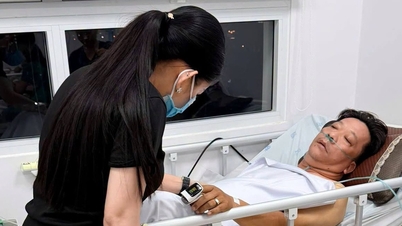
Consuming unsafe processed foods can lead to numerous health consequences, both short-term and long-term. Specifically, in the acute phase, users may experience symptoms of food poisoning such as abdominal pain, diarrhea, vomiting, digestive disorders, and may even require emergency hospitalization. In the long term, regularly consuming low-quality processed foods can seriously affect various parts of the body because these products often contain many preservatives and additives; long-term accumulation can damage the digestive tract, affect liver and kidney function, weaken the immune system, and increase the risk of chronic diseases.
Notably, during Tet (Lunar New Year), irregular eating habits, combining high-protein, high-fat foods with processed products, further overload the digestive system, easily leading to health problems, especially for the elderly, children, and those with underlying health conditions.
Therefore, nutrition experts advise consumers to pay special attention to the origin and production conditions when buying food. They should choose products with clear origins and manufactured in reputable facilities that ensure food safety and hygiene. They should not be tempted by cheap or convenient options and choose unbranded, unregulated products on the market. The product packaging should clearly state the production date, expiration date, ingredients, manufacturer, and storage instructions.
In addition, consumers also need to directly observe the sensory quality of the product. Safe food usually has a natural color and characteristic smell; if the product shows signs of sliminess, discoloration, or a strange odor, do not buy it and absolutely do not use it, even if you have already purchased it.
Regarding the preservation and use of processed foods, Master of Science and Doctor Vu Thi Lan Anh advises: Processed foods, after purchase, should be stored in the refrigerator at a temperature of 0-5 degrees Celsius; absolutely do not leave them at room temperature for too long, especially in humid weather or high temperatures, as this is a favorable environment for bacteria to grow. In addition, you should not stockpile too much processed food at home. Buying only what you need not only helps maintain freshness but also reduces the risk of consuming food that has been stored for too long. With processed products, always remember: "Choose correctly - Store correctly - Use correctly."
According to Dr. Chu Quoc Thinh, Acting Director of the Food Safety Department ( Ministry of Health ): To ensure food safety and prevent food poisoning during the upcoming Lunar New Year (Year of the Horse), the department has issued a document requesting the Departments of Health in provinces and cities to closely coordinate with relevant agencies in their areas to focus on inspection and kiểm tra of food production and business establishments, especially those food groups that are widely consumed during this period such as fresh food, confectionery, alcoholic beverages, soft drinks, and pre-packaged and ready-to-eat foods.



At the same time, relevant authorities are focusing on disseminating information on measures to ensure food safety and prevent food poisoning, especially measures on food hygiene and personal hygiene, in order to raise awareness and change behaviors and habits in selecting, storing, and using food safely, and to avoid using food of unknown origin.
Source: https://nhandan.vn/giup-thuc-pham-an-toan-trong-ngay-le-post942819.html