

From the sound of keyboard typing to the rhythmic beat of traditional Vietnamese folk singing.
The "Goi Chau Thien Hoi" project didn't start with a grand plan, but rather with late nights when members were still typing on their keyboards, sketching out ideas for a cultural project. According to Van Hong Thien, the team leader, this very "Gen Z" activity became the starting point for the entire project.
From the "typing lab," the group gradually realized the interesting similarities between modern life and traditional religious practices. While the sound of typing on a keyboard is a familiar rhythm for young people, in the spirit medium ritual, the sounds of drums and clappers—percussion instruments—play a leading role in connecting the various spirit possessions.
"Taping," therefore, is not just sound, but a point of intersection between modernity and tradition, between digital manipulation and sacred rhythm. This intersection opens up a new approach: moving from sensation, from the experience of sound and vibration, to lead to awareness.
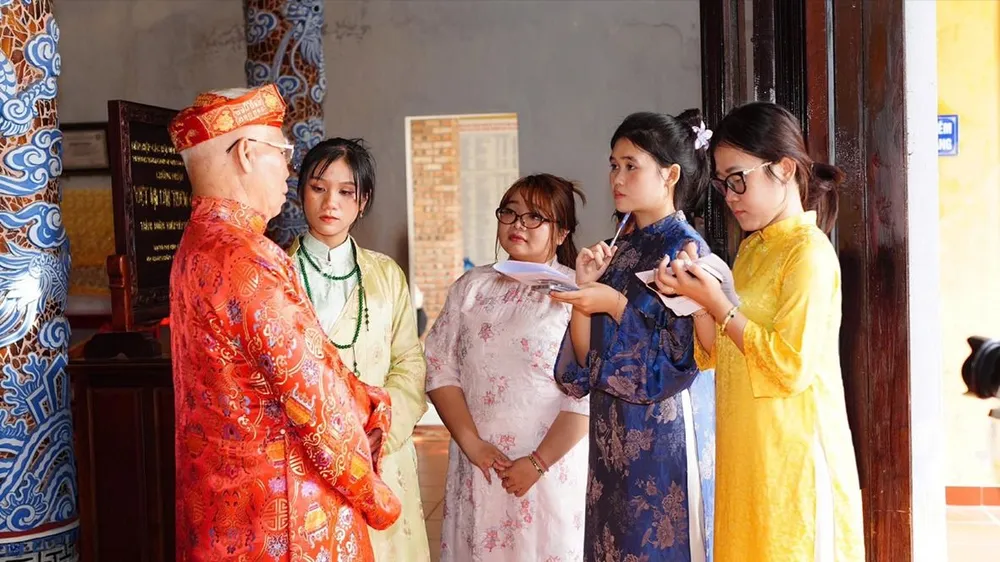
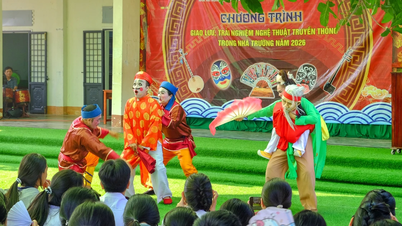
The group chose a "general to specific" approach: starting with easily relatable elements such as sound, visuals, and artistic experience; then gradually guiding viewers to the depth of the belief system through traditional music, costumes, dances, and symbolic systems. One of the highlights of the project is the "Numerical Significance" creative competition, where young people can approach the belief system from their own personal perspective. The gap between "heritage" and "life" disappears, replaced by role-playing, dialogue, and reinterpretation.
Understand correctly before spreading the message.
One of the biggest challenges in integrating heritage into contemporary spaces is finding a way to be both creative and authentic. From the outset, the team clearly defined the principle: understand correctly before disseminating. The exploitation of heritage must be based on rigorous research, cross-referencing of documents, and expert consultation, avoiding superficial or inaccurate approaches. Sacred elements are always kept at a necessary distance, avoiding interference or commercialization.
This process involved the collaboration of experts from the Vietnam Center for the Promotion of Intangible Cultural Heritage, along with researchers Le Van Thao and Ngo Nhat Tang, as well as traditional artisans and designers. This provided the foundation for the project to ensure accuracy while maintaining its appeal to young audiences.
According to Cao Tran Gia Xuan, a member of the project, the project's implementation revealed a reality: the gap between young people and heritage lies not in indifference, but in the way it is told. When beliefs are placed in a familiar, visual, and easily understandable context, curiosity is immediately sparked.
"Many young people who previously held prejudices about religious beliefs have changed their perspective after experiencing the project. They have begun to see it not as superstition, but as a valuable cultural system that combines aesthetics, beliefs, and spiritual life," Gia Xuan said.
To date, the project has built a community of over 700 young people who love culture, along with hundreds of thousands of interactions on digital platforms. These numbers show that heritage can truly "live" in contemporary life if told in the right language. For the project members, culture is no longer just dry pages of books, but has become a source of creative inspiration, the material for telling new stories in the language of their own generation.
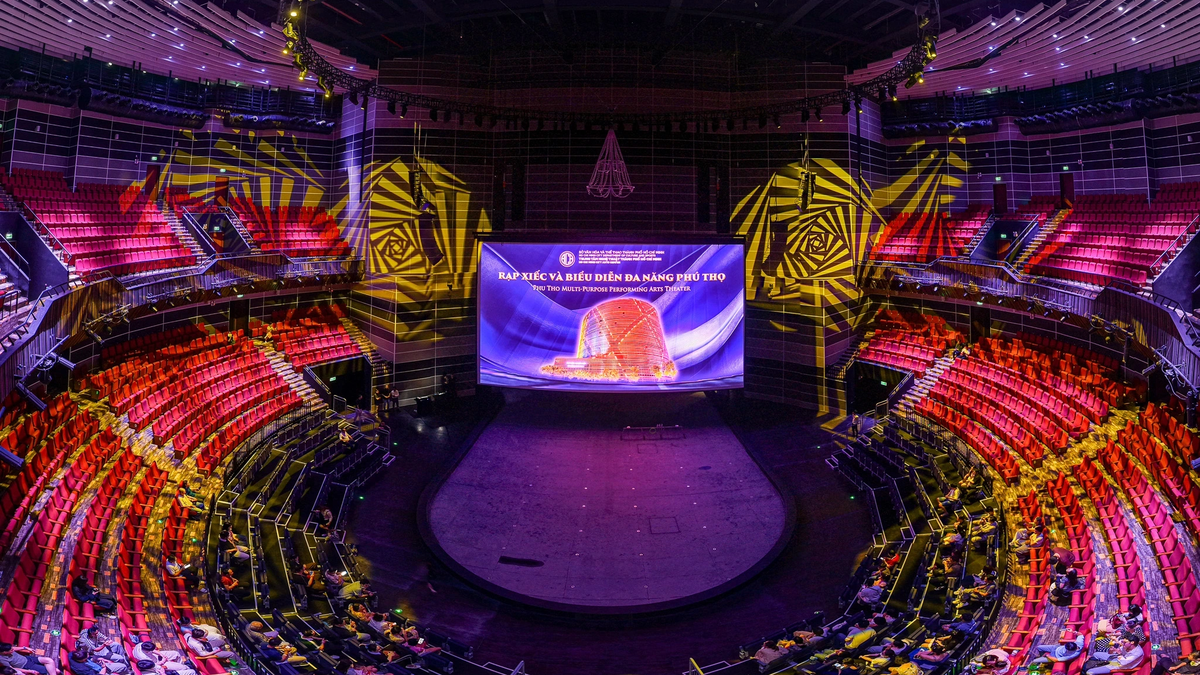
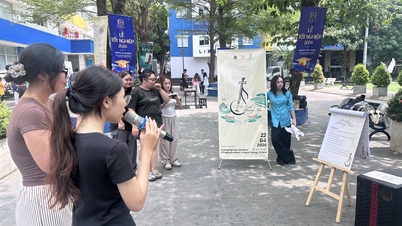
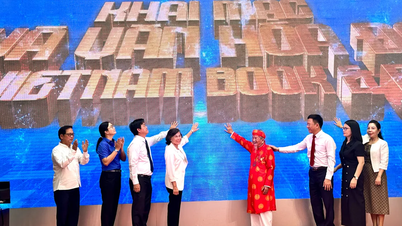
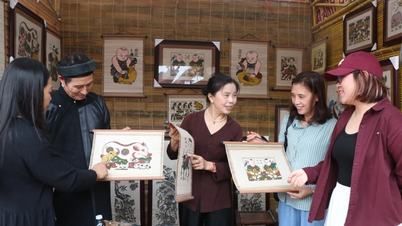
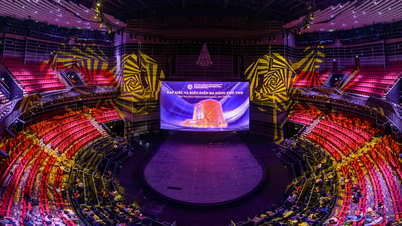
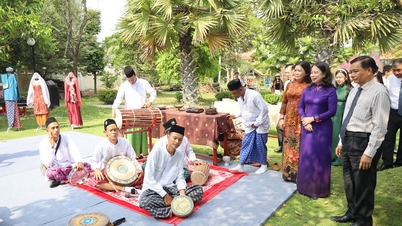
The project has been implemented across three regions: Hanoi , Hue, and Ho Chi Minh City, and has received increasing interest from young people. Particularly in Ho Chi Minh City (which took place in early April 2026), the exhibition and creative activities attracted a large number of young participants.
Source: https://www.sggp.org.vn/go-de-cham-vao-di-san-post848592.html






















































Comment (0)