

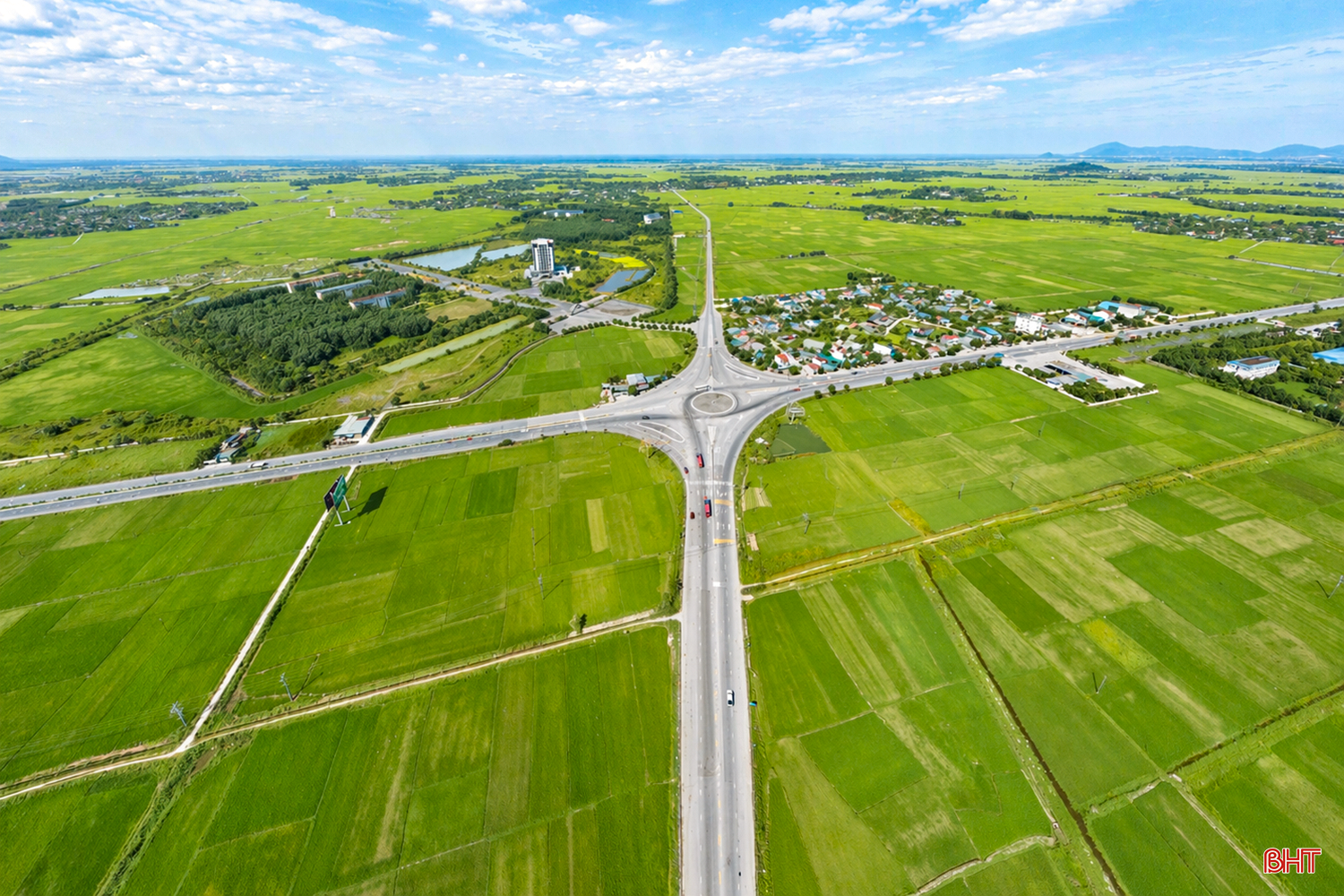
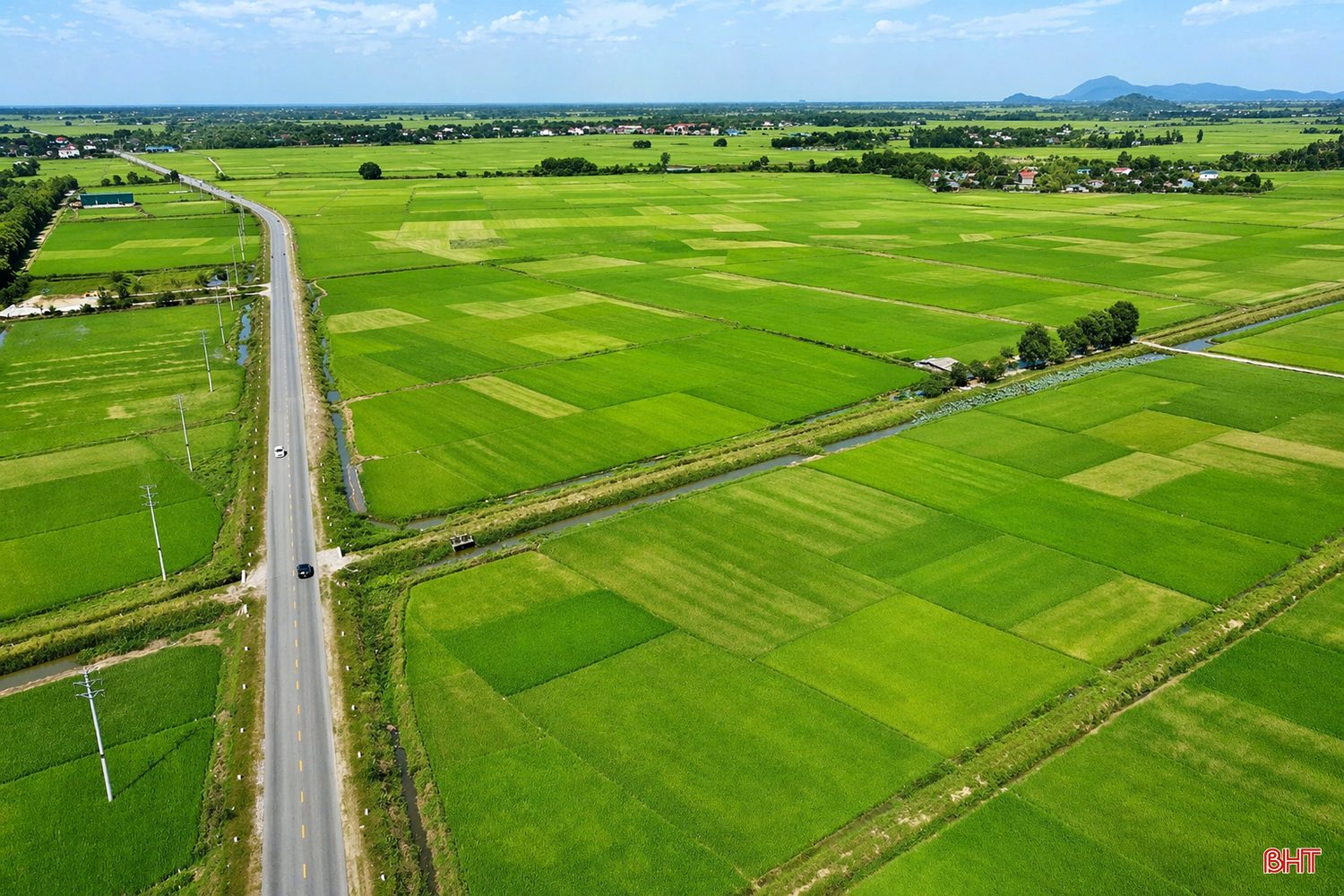
Having witnessed many rice seasons in his homeland, Thai Van Nghia – a member of the Van Cuu village organic rice production cooperative (Gia Hanh commune) – has never followed the changes in his rice crop with such high expectations as this season. This is the first time the cooperative has boldly applied the organic rice farming model, linked to emission reduction, on 10 hectares in accordance with the province's policy, opening up hope for a greener and more sustainable direction for the rice of his homeland.
Mr. Nghia shared: “During the cultivation process, the farmers have gained a better understanding of low-emission rice farming. We adhere to technical procedures, apply balanced and appropriate organic and microbial fertilizers, and do not use pesticides. Although there was some initial unfamiliarity, everyone is excited and hopeful for a successful harvest.”
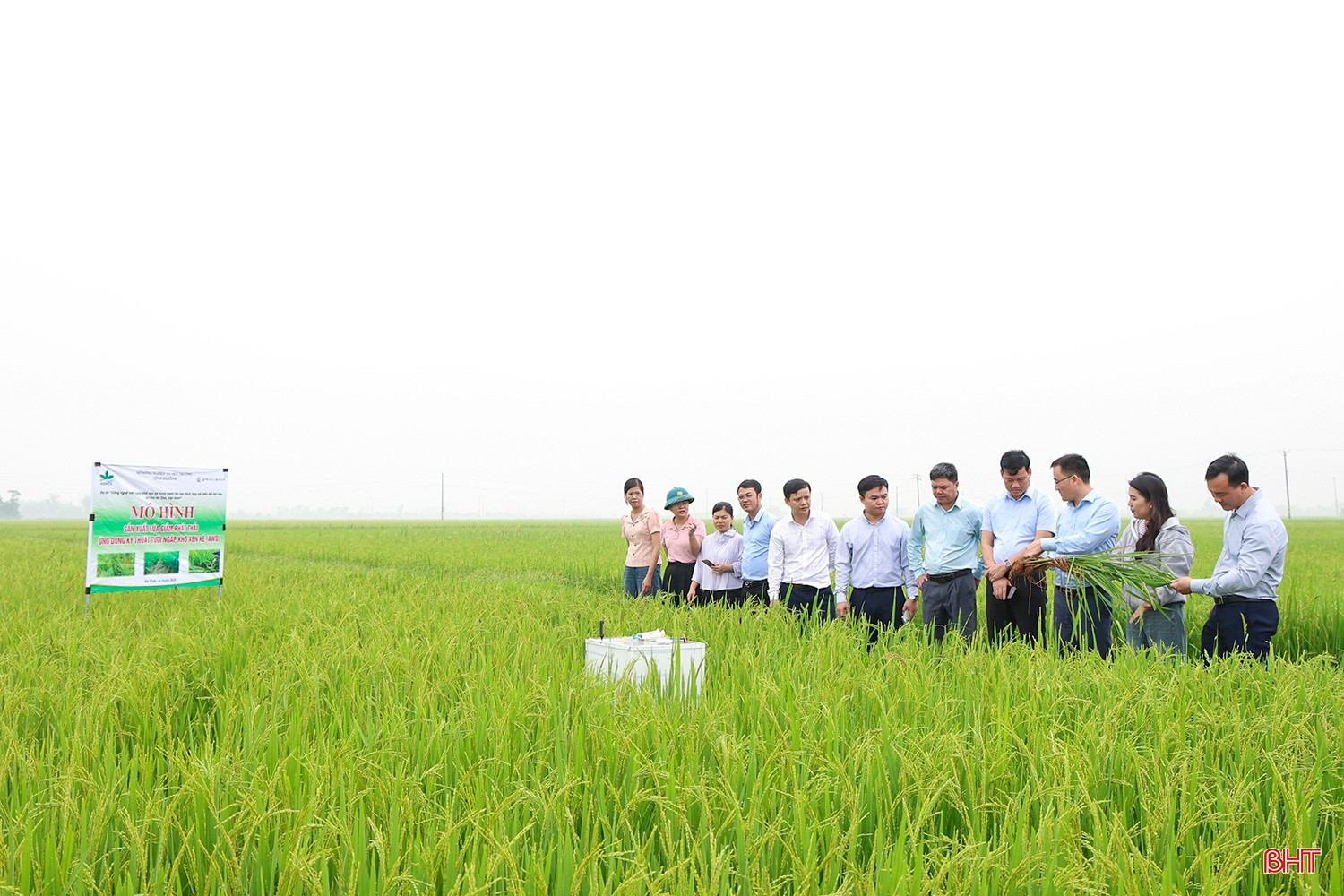
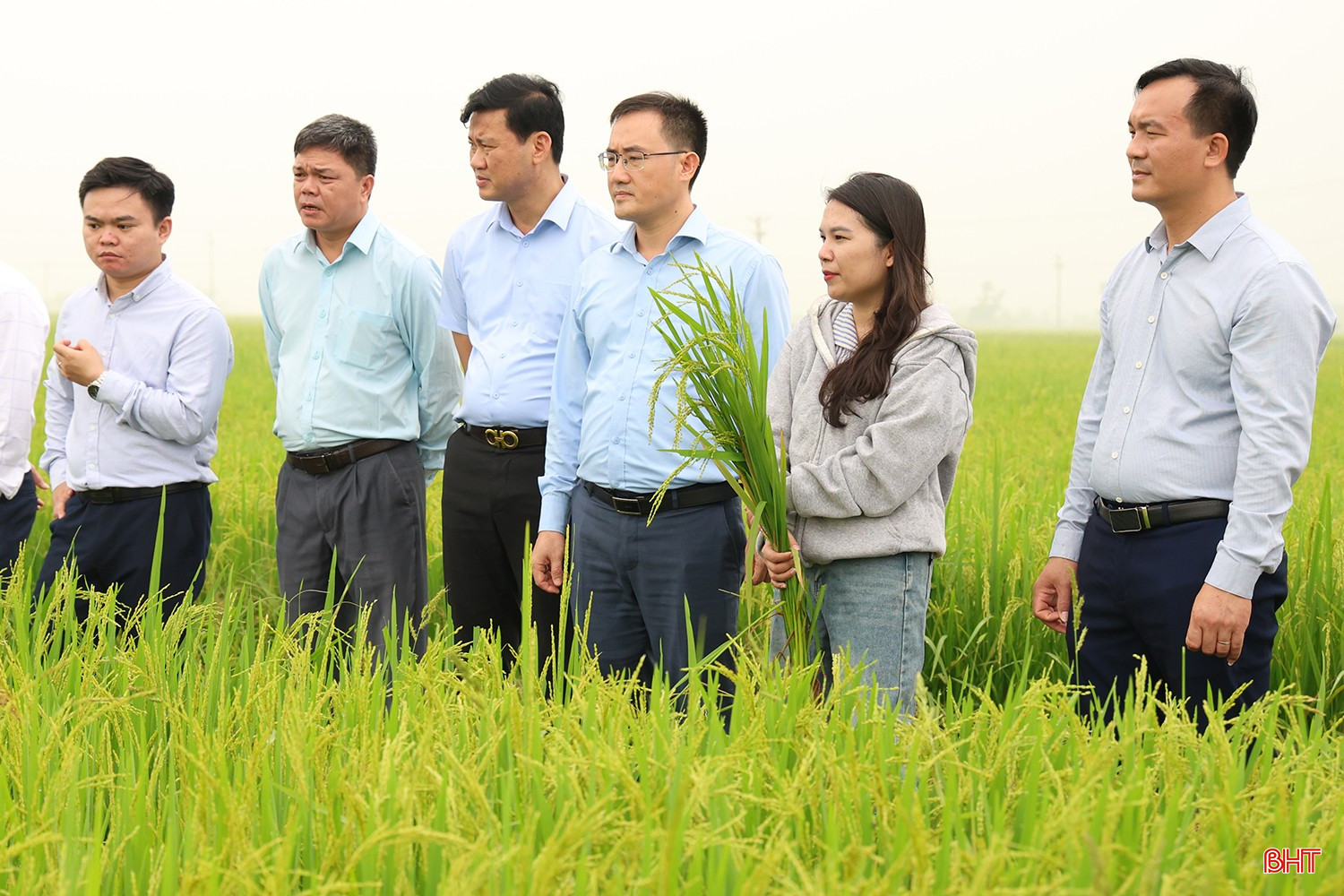
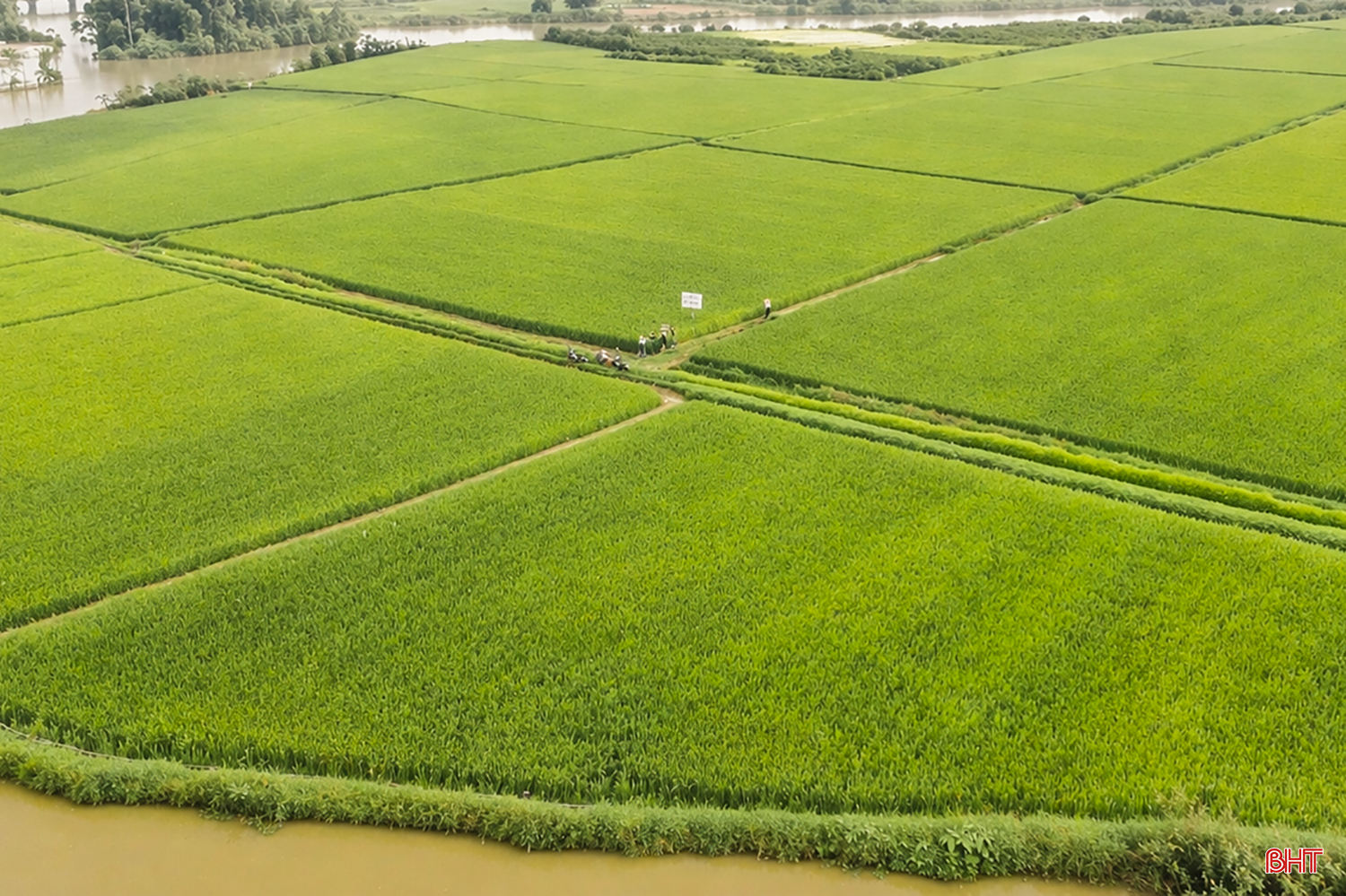
Not only in Gia Hanh, but also in the concentrated rice fields of Cam Due commune, the rice is entering its vigorous growth phase, covering the fields with a vibrant green color. As one of the province's key production areas, the entire commune has over 300 hectares of rice cultivated using the alternating wet-dry irrigation method, gradually moving towards creating carbon credits in farming. These are no longer unfamiliar concepts in the story of agricultural development, but have become a reality in the production of farmers with concrete and practical results.
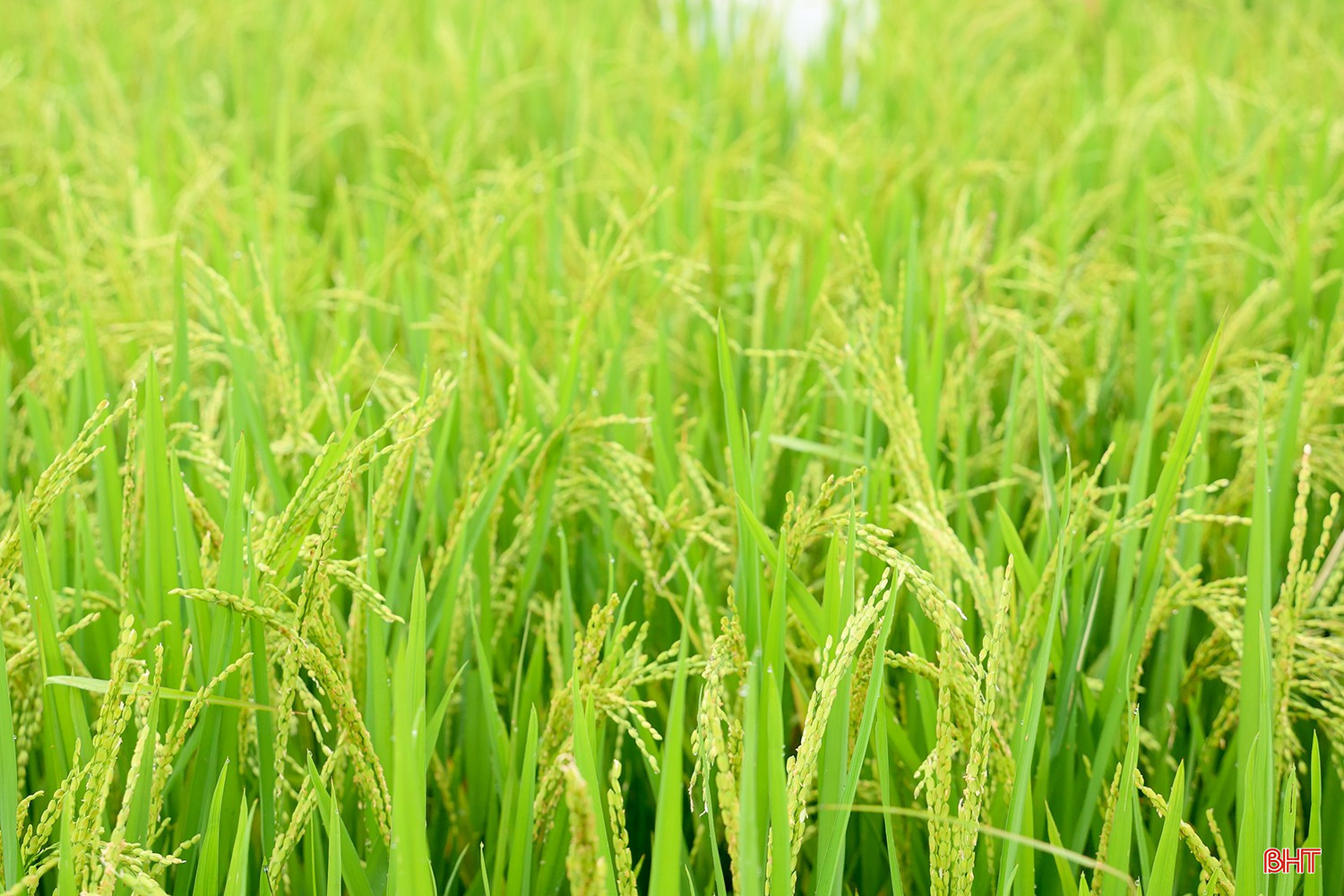
Mr. Doan Xuan Dan (Chu Trinh village, Cam Due commune) said: “Previously, we farmers mainly cultivated rice based on experience, so when we switched to the new farming method, we were initially quite hesitant. After receiving guidance and detailed explanations from commune officials, I found this method quite suitable. Since regulating water properly and letting the fields dry at different times twice per season, my family has reduced the amount of fertilizer by about 20%, and the number of times we spray pesticides has also decreased. Production costs have decreased, while the rice plants are healthier, with stronger roots and better tillering.”
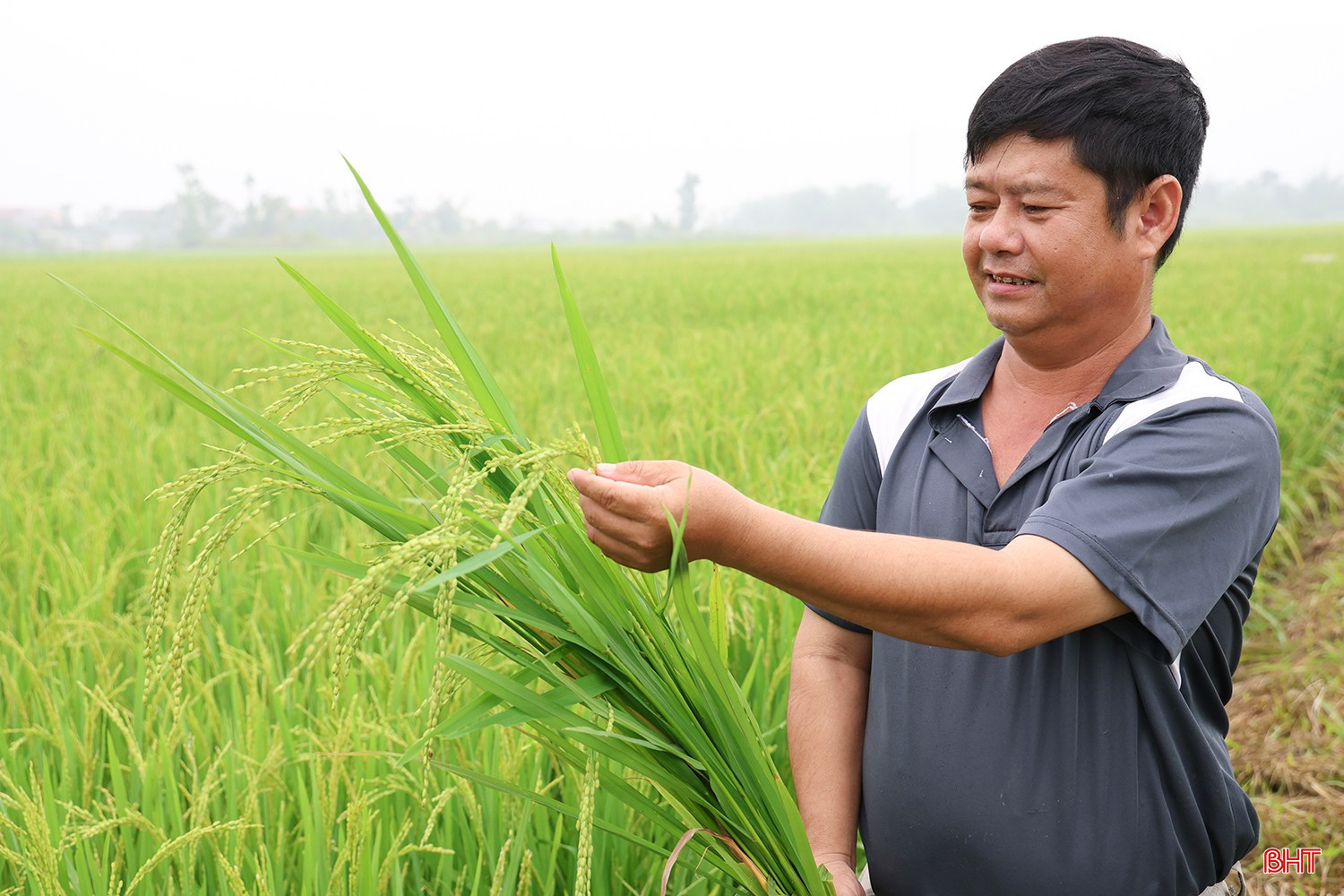
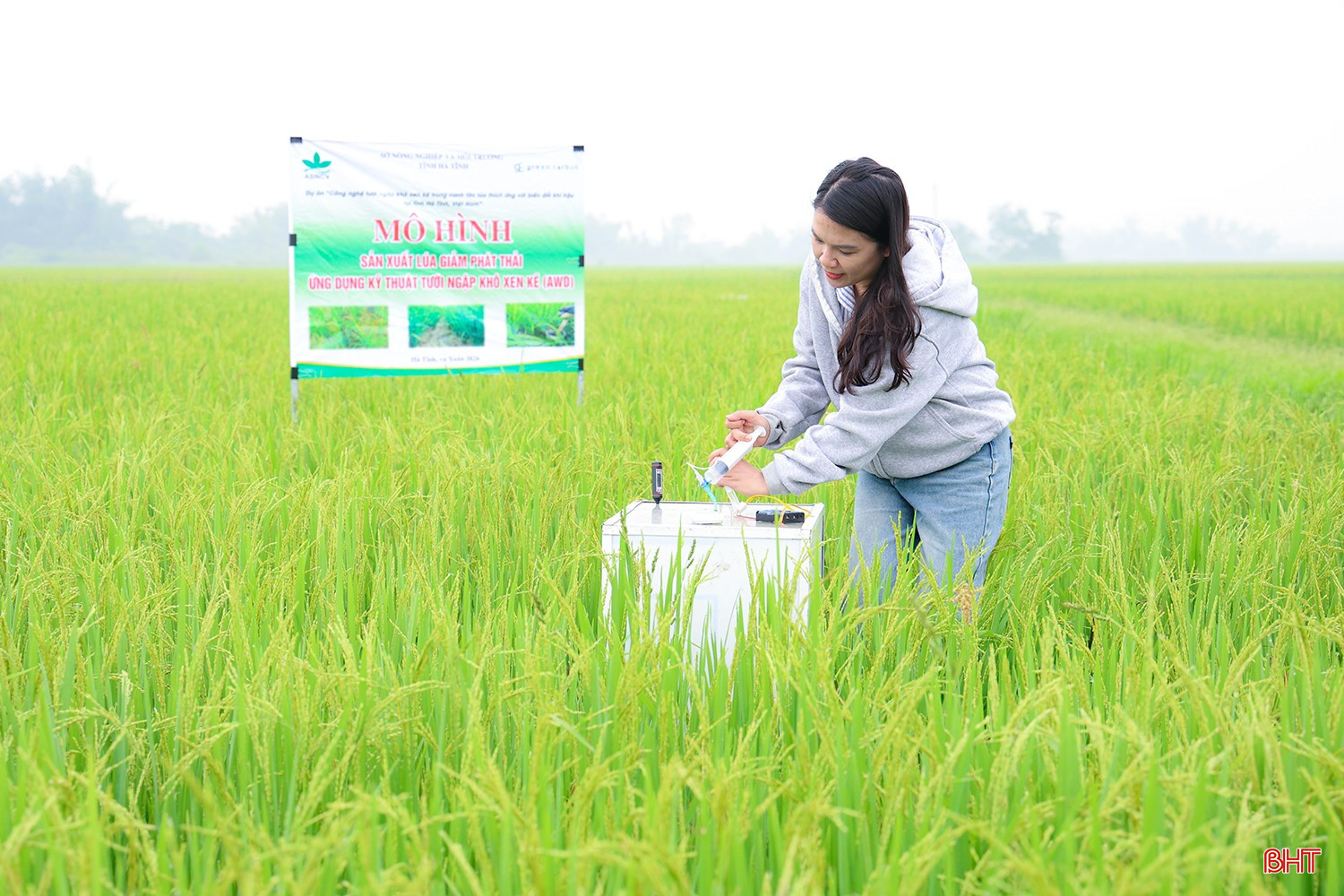
From these specific models, the picture of spring rice production in Ha Tinh is showing many positive developments. This year, Ha Tinh is producing rice on over 59,000 hectares, of which more than 4,000 hectares are applying alternating wet-dry irrigation (AWD) technology, and more than 150 hectares are piloting emission reduction production associated with the application of improved rice intensive farming techniques (SRI). At this time, the rice plants in the pilot production areas are growing healthily and uniformly.
Mr. Phan Van Huan, Head of the Crop Production Department, Ha Tinh Provincial Department of Agriculture and Rural Development (Department of Agriculture and Environment), said: “In recent years, climate change has significantly affected agricultural production in the locality. Unpredictable rainfall and sunshine, alternating droughts and floods, have caused many difficulties for rice farmers, increasing costs and risks. Therefore, applying alternating irrigation and drying technologies, improved rice intensive farming, etc., is not just a simple technical solution but also a shift in production thinking, as people begin to adopt water-saving farming methods, reduce input costs, reduce methane ( CH4 ) emissions, be more environmentally friendly, and better adapt to climate change.”
Along with changes in farming methods, the process of land consolidation and accumulation has also created a new look for many fields in Ha Tinh. This spring, more than 25 hectares of agricultural land in 5 villages of Son Tien commune were reorganized into 25 large plots, each about 1 hectare, completely eliminating the previous fragmented farming practices.
Mr. Le Dinh Tuat from Dong Ha village (Son Tien commune) said: “Contiguous fields make caring for crops, regulating water, and monitoring pests and diseases more proactive and unified, significantly reducing the time required. Working on large fields, we farmers can clearly see that production is gradually becoming more systematic and modern.”
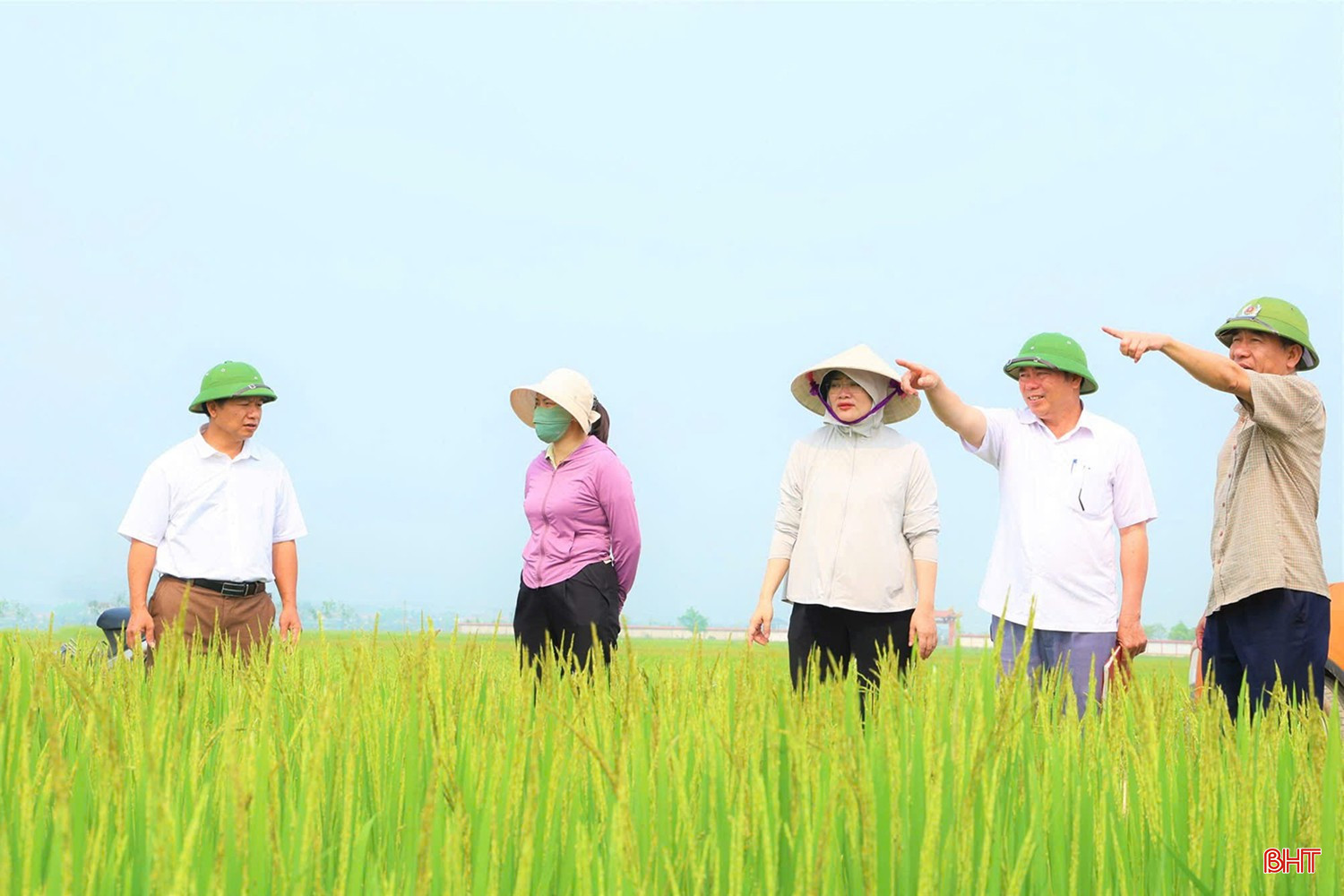
On a 30-hectare concentrated rice field, the spring rice crop of Phu Ha Agricultural Cooperative (Toan Luu commune) is growing well and entering the flowering stage. This is also the first season the cooperative has linked organic rice production in a closed-loop chain, from supplying materials to guaranteeing product sales. The entire area is fertilized with bio-fertilizer according to the process of Que Lam Group Joint Stock Company.
Mr. Ha Dang Dung, Deputy Director of Phu Ha Agricultural Cooperative, said: “The concentrated, uniformly planned rice fields have facilitated the cooperative in organizing production, applying the same technical process, and linking with businesses. Implementing the organic rice model along the value chain helps improve product quality and aims for stable and sustainable production.”
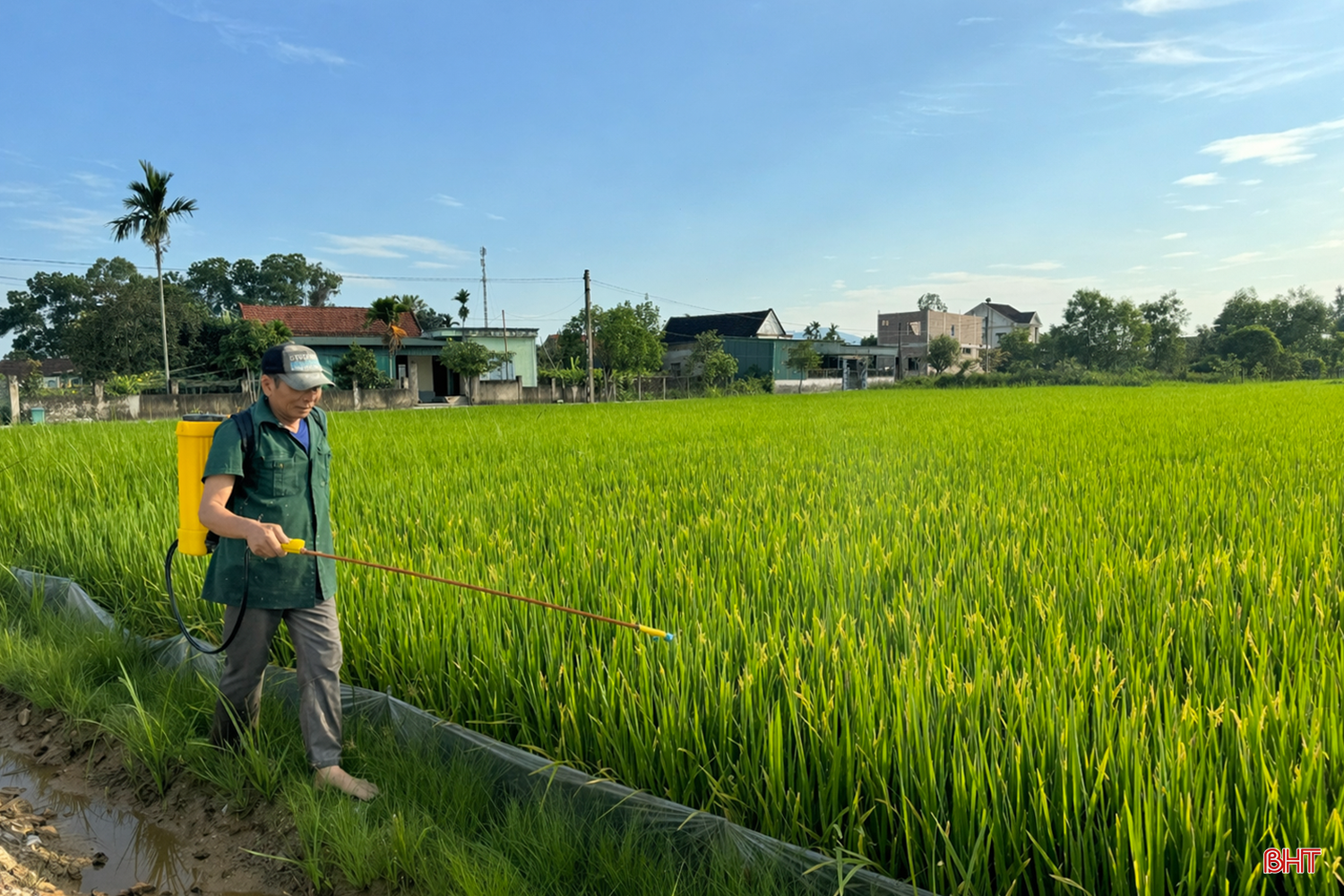
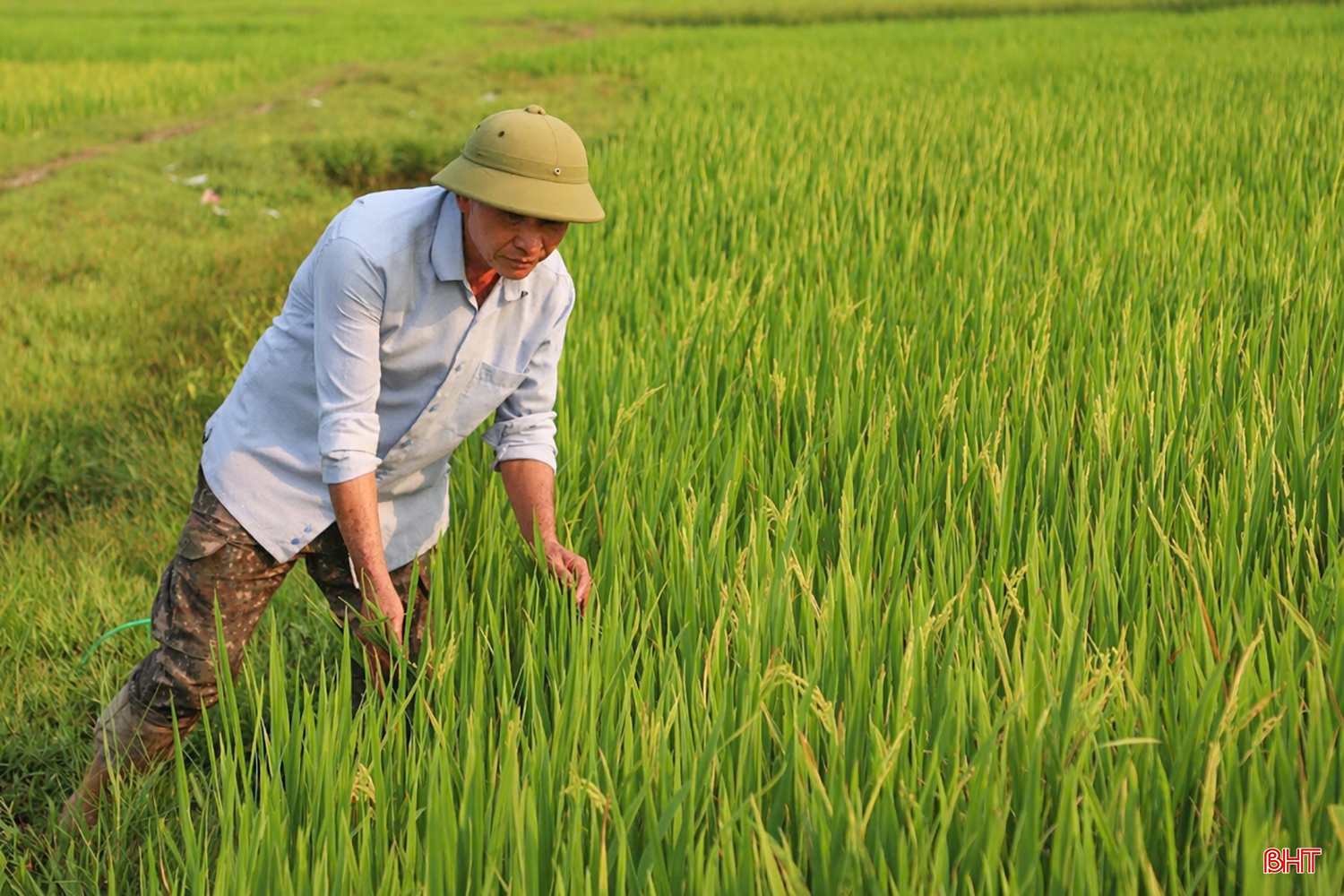
However, alongside the excitement of anticipating the harvest season, farmers still face constant worries about unpredictable weather patterns. The period when rice plants are flowering and developing milky grains is predicted to be characterized by alternating rain and sunshine, creating conditions for the emergence of many pests and diseases, especially rice blast. The Department of Agriculture and Environment has advised localities to strengthen investigation, detection, prediction, and forecasting; guide people to closely monitor the growth of rice plants, determine the flowering time of each rice crop, each field, and each variety to implement timely and effective control measures.
Across the fields, farmers diligently tend to each rice plant, nurturing it with love and entrusting their hopes for a bountiful harvest. From the changes evident in the "riverside rice paddies" today, a new direction for green, sustainable, and climate-resilient agricultural production in Ha Tinh is gradually taking shape.
Source: https://baohatinh.vn/gui-uoc-mong-theo-mua-lua-dom-bong-post309219.html

![[Photo] General Secretary and President visit the China-ASEAN AI Application Cooperation Center](https://vphoto.vietnam.vn/thumb/1200x675/vietnam/resource/IMAGE/2026/04/17/1776404277677_vna-potal-tong-bi-thu-chu-tich-nuoc-tham-trung-tam-hop-tac-ung-dung-ai-trung-quoc-asean-8706616-2286-jpg.webp)



















![[Photo] National Assembly Chairman Tran Thanh Man attends the policy seminar to promote Vietnam-Türkiye cooperation.](https://vphoto.vietnam.vn/thumb/1200x675/vietnam/resource/IMAGE/2026/04/16/1776351415367_vna-potal-chu-tich-quoc-hoi-tran-thanh-man-du-toa-dam-chinh-sach-thuc-day-hop-tac-viet-nam-tho-nhi-ky-8705791-jpg.webp)









































Comment (0)