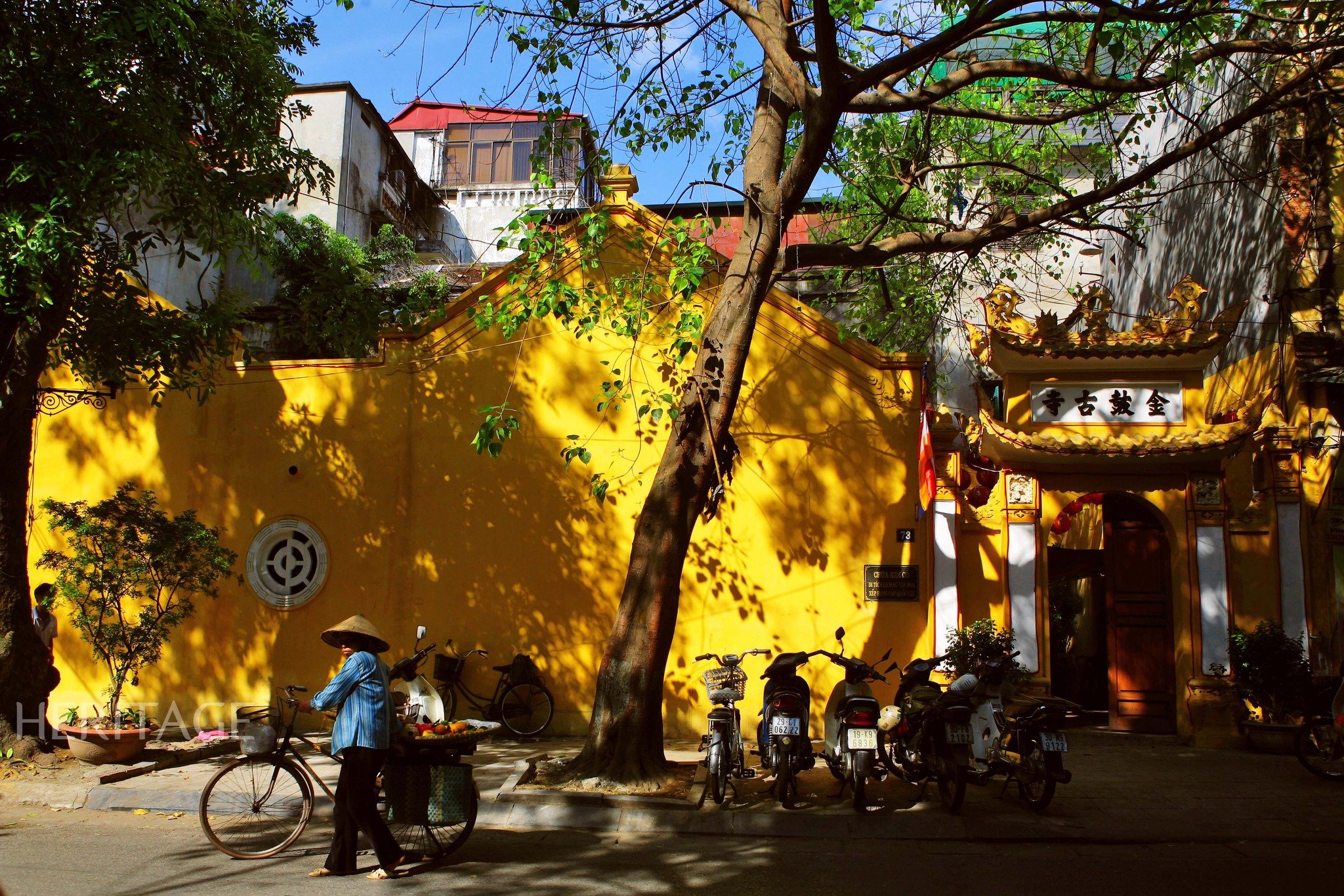
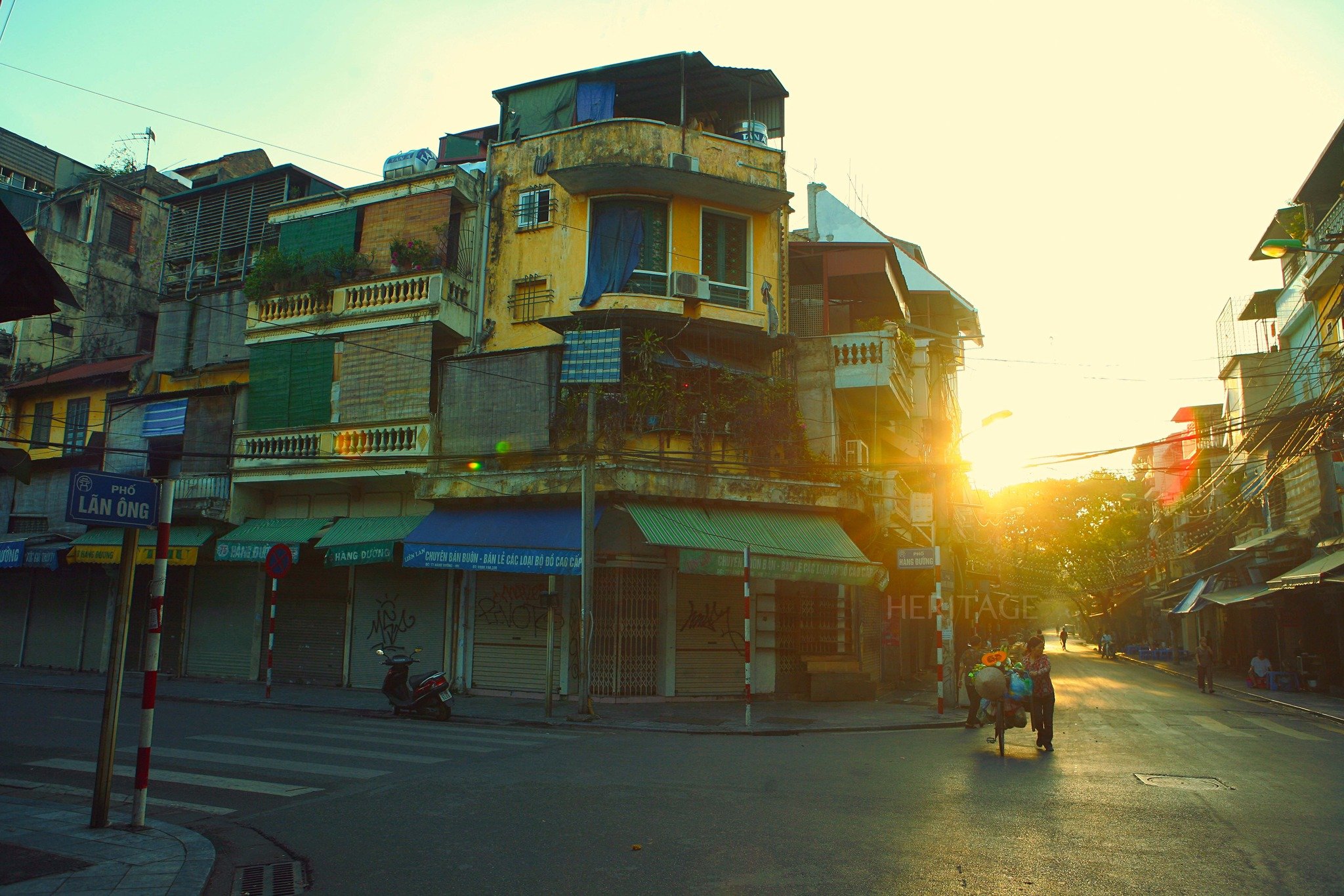
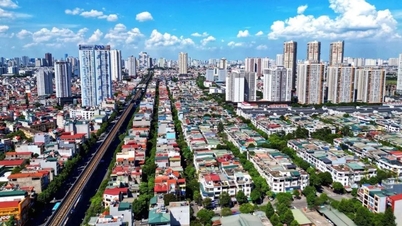
 Even after a thousand years, or even a thousand years from now, Hanoi's 36 streets and neighborhoods will remain intertwined with the historical development of this thousand-year-old capital city.
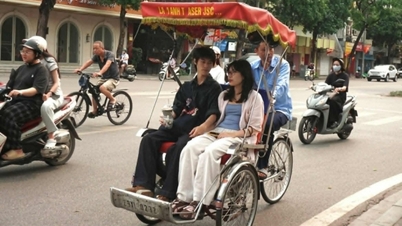
 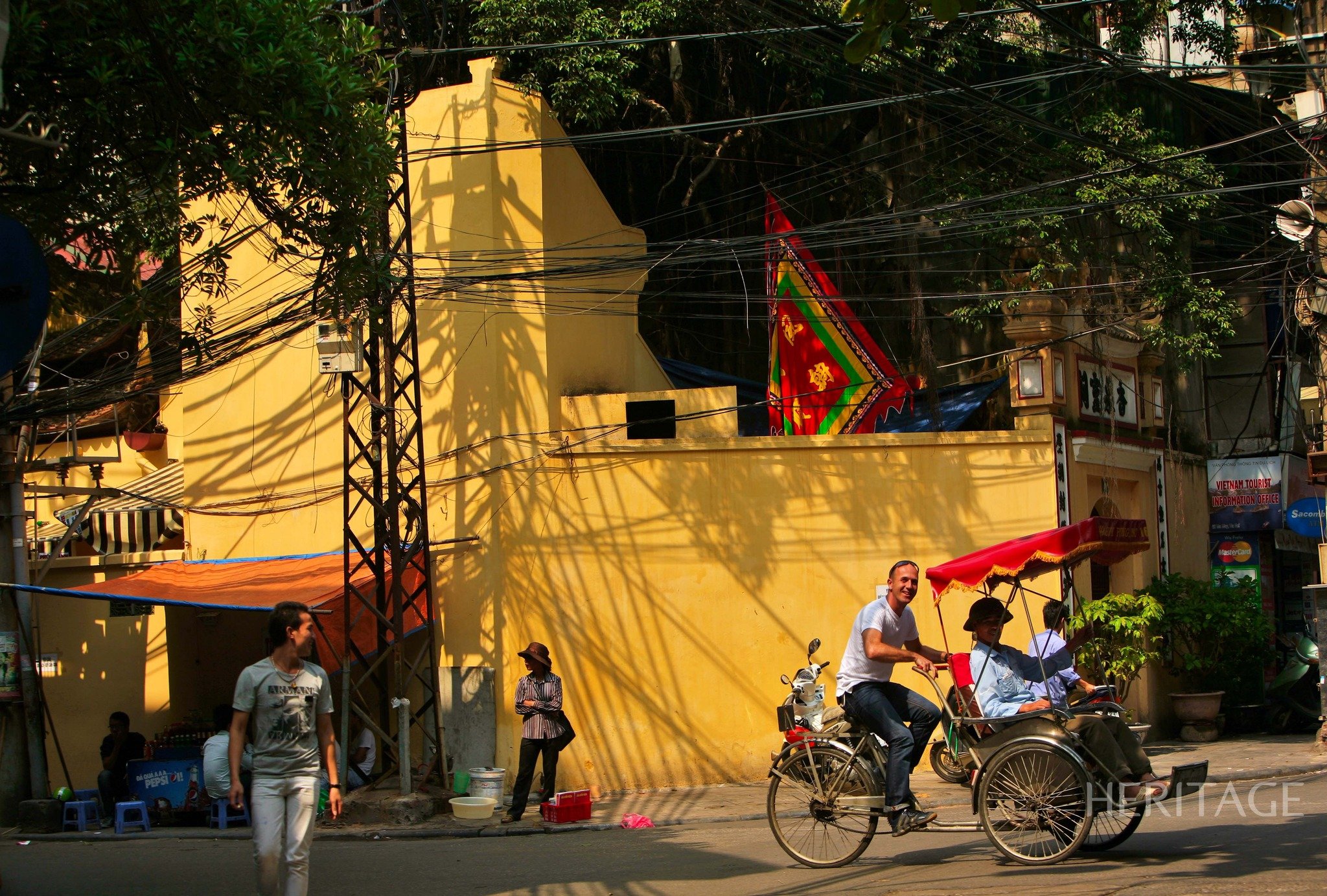 The bustling streets and marketplaces still remain, reflecting the meaning of their names from the old days.
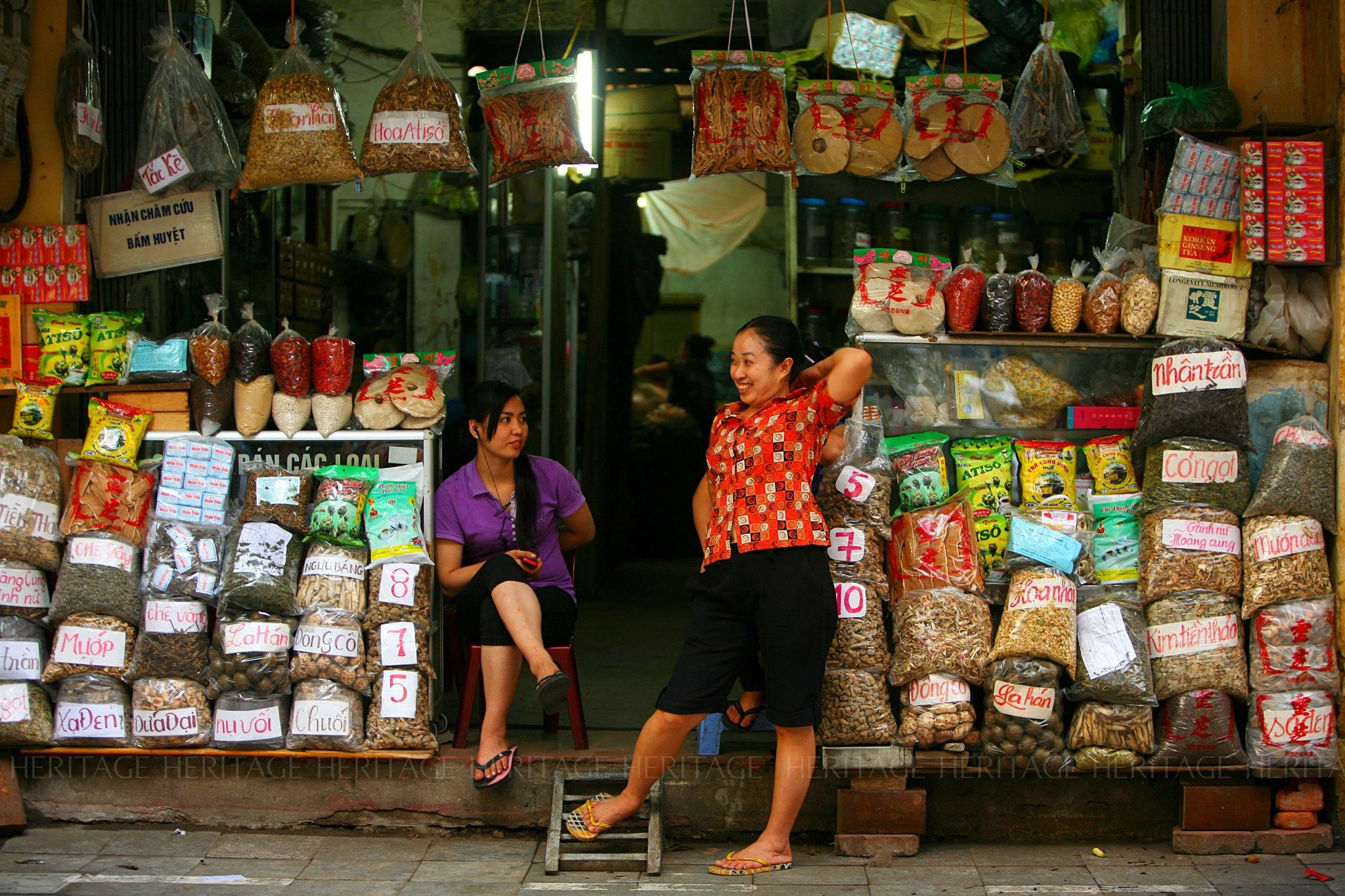
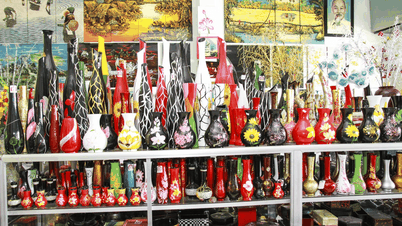
 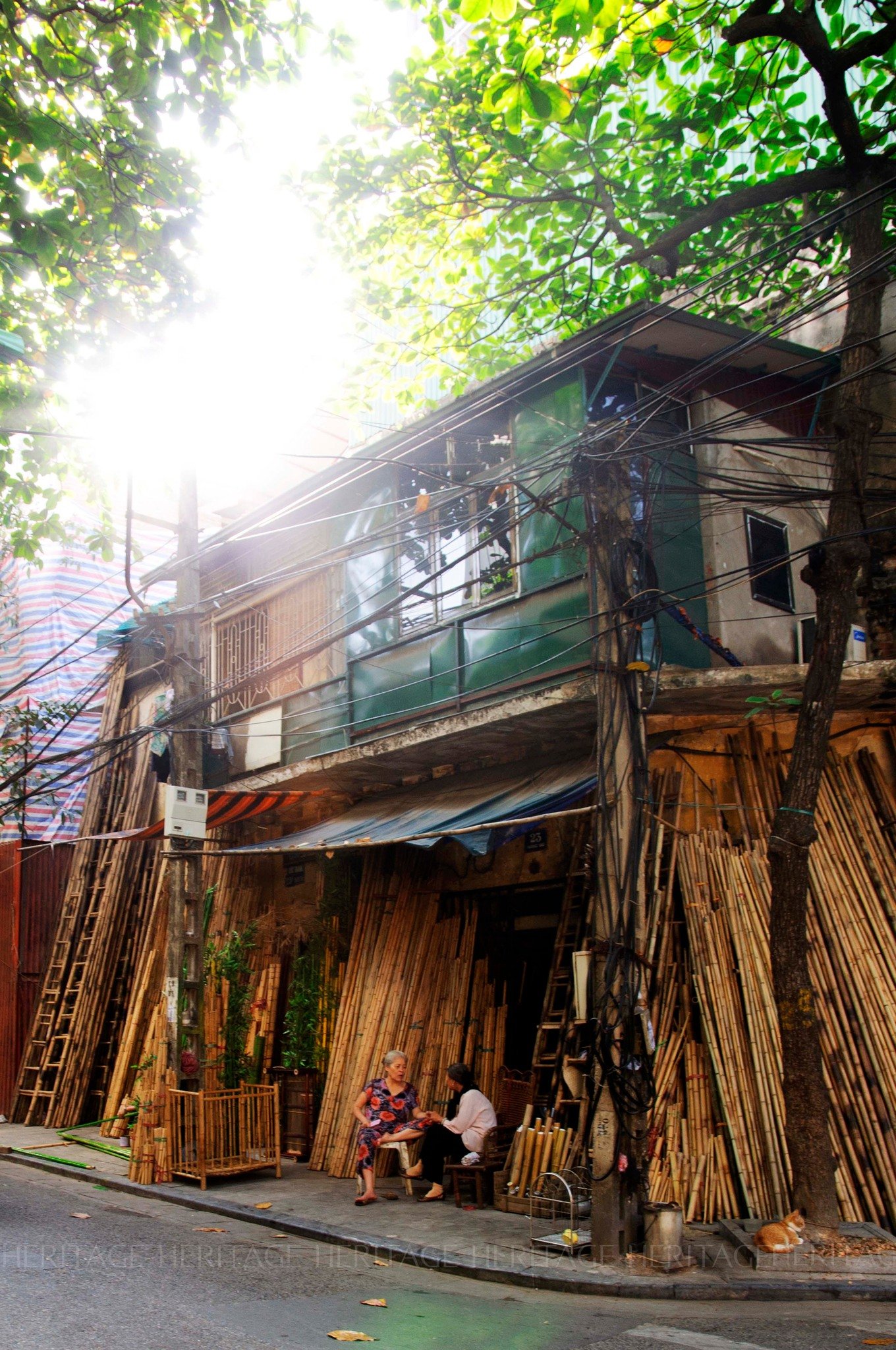 Hanoi has many street names that begin with the word "Hang". These are often followed by a word indicating a particular profession, such as Hang Tre (Bamboo Street), Hang Bac (Silver Street), Hang Thiec (Tin Street), Hang Ma (Paper Street), Hang Chieu (Mat Street), etc.
  Historical records show that when the Ly Dynasty moved the capital from Hoa Lu to Thang Long, Hanoi did not yet have streets. It was just a collection of villages, and the transformation from village to city was a very rapid one.
  During the first phase of urbanization, Hanoi became the capital. Therefore, many craft villages emerged around Thang Long, such as in Son Tay, Thuong Tin, Phu Xuyen, Trach Xa, Hung Yen , Hai Duong, etc.
 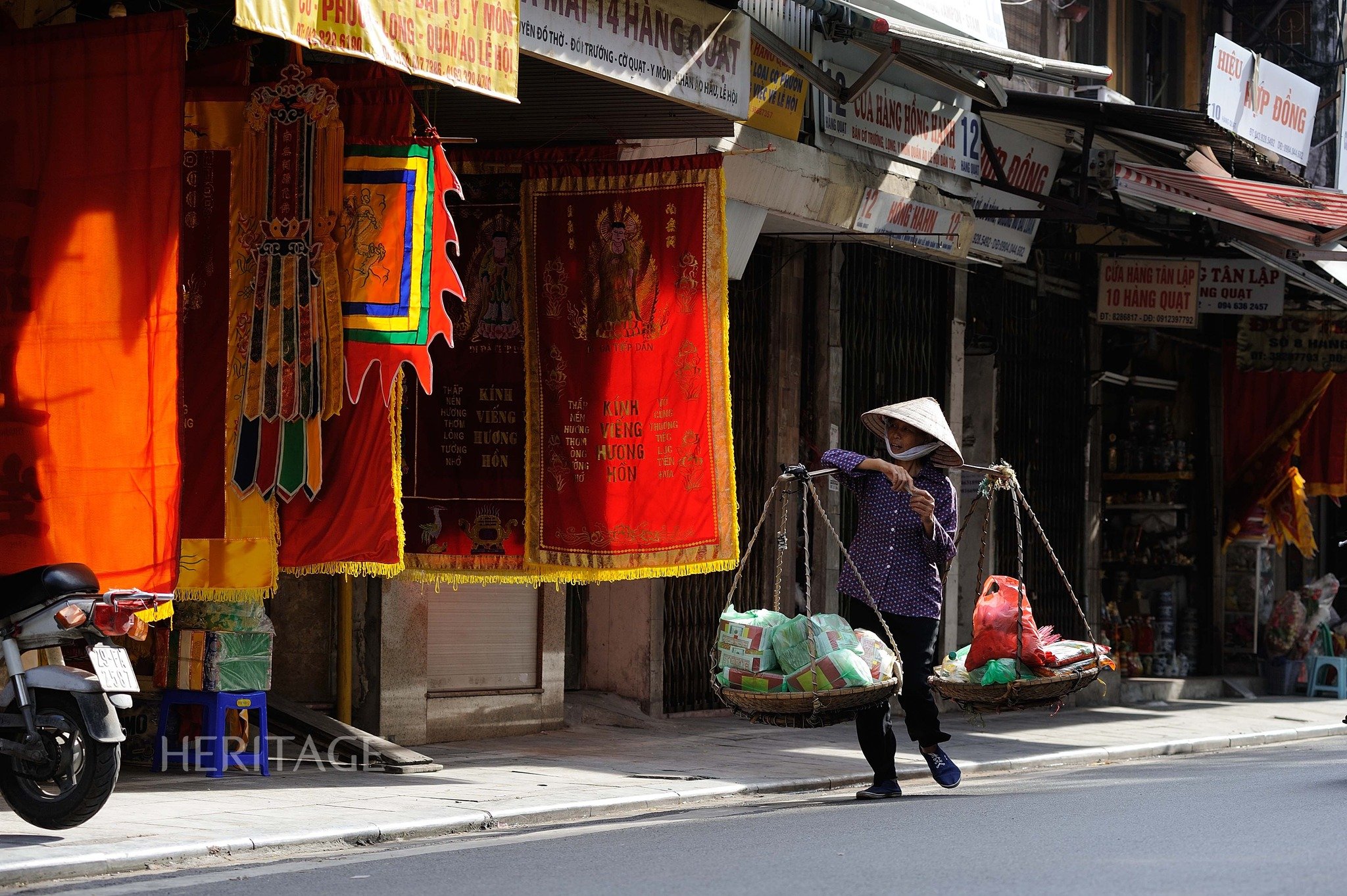 They were from the same village, the same family, and traded in different goods. On maps of old Hanoi from the 1770s, the 9th year of Gia Long's reign (1810), we can still see the Red River flowing into Ho Guom Lake.
  The lake is a dead-end branch of the river. Just like in the old days, the To Lich River flowed into the Red River, connecting to West Lake, then to Thien Phu River, and finally merging with the Nhue River. In the past, the Red River was still red with silt, while the To Lich River was clear and blue, with boats sailing up and down.
 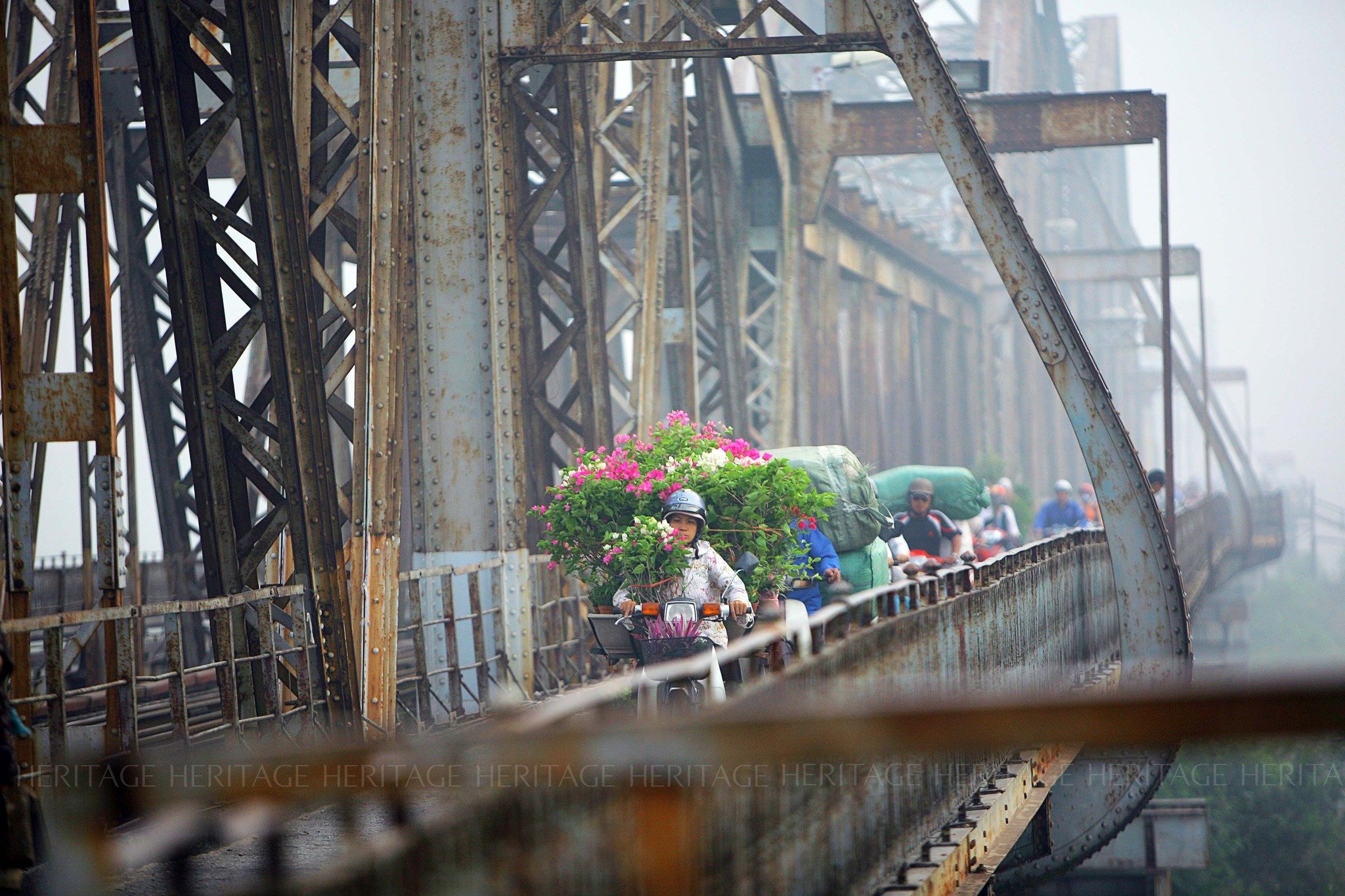 Merchant boats could enter the middle of the streets to trade, further developing the craft streets. For example, the ancient Ma May street consisted of two streets: Hang Ma street and Hang May street. The section of Hang May street bordered Hang Buom street, on the banks of the Nhi River, where boats from upstream gathered to transport forest products such as rattan, bamboo, and reeds.

 Heritage•15/10/2025
![[Image] "Journey of Hope" promotes the organ and tissue donation movement in Vietnam.](https://vphoto.vietnam.vn/thumb/1200x675/vietnam/resource/IMAGE/2026/05/20/1779294400833_1-8910-jpg.webp)
![[Photo] General Secretary and President To Lam works with the Party Committee of the Ministry of Health on the work of Vietnamese traditional medicine.](https://vphoto.vietnam.vn/thumb/1200x675/vietnam/resource/IMAGE/2026/05/20/1779294323718_a1-bnd-2978-3319-jpg.webp)









![[Photo] National Assembly Chairman Tran Thanh Man working with the Standing Committee of the National Assembly's Delegation Affairs Committee.](https://vphoto.vietnam.vn/thumb/402x226/vietnam/resource/IMAGE/2026/05/20/1779294340023_ndo_br_1-1691-jpg.webp)














































Comment (0)