

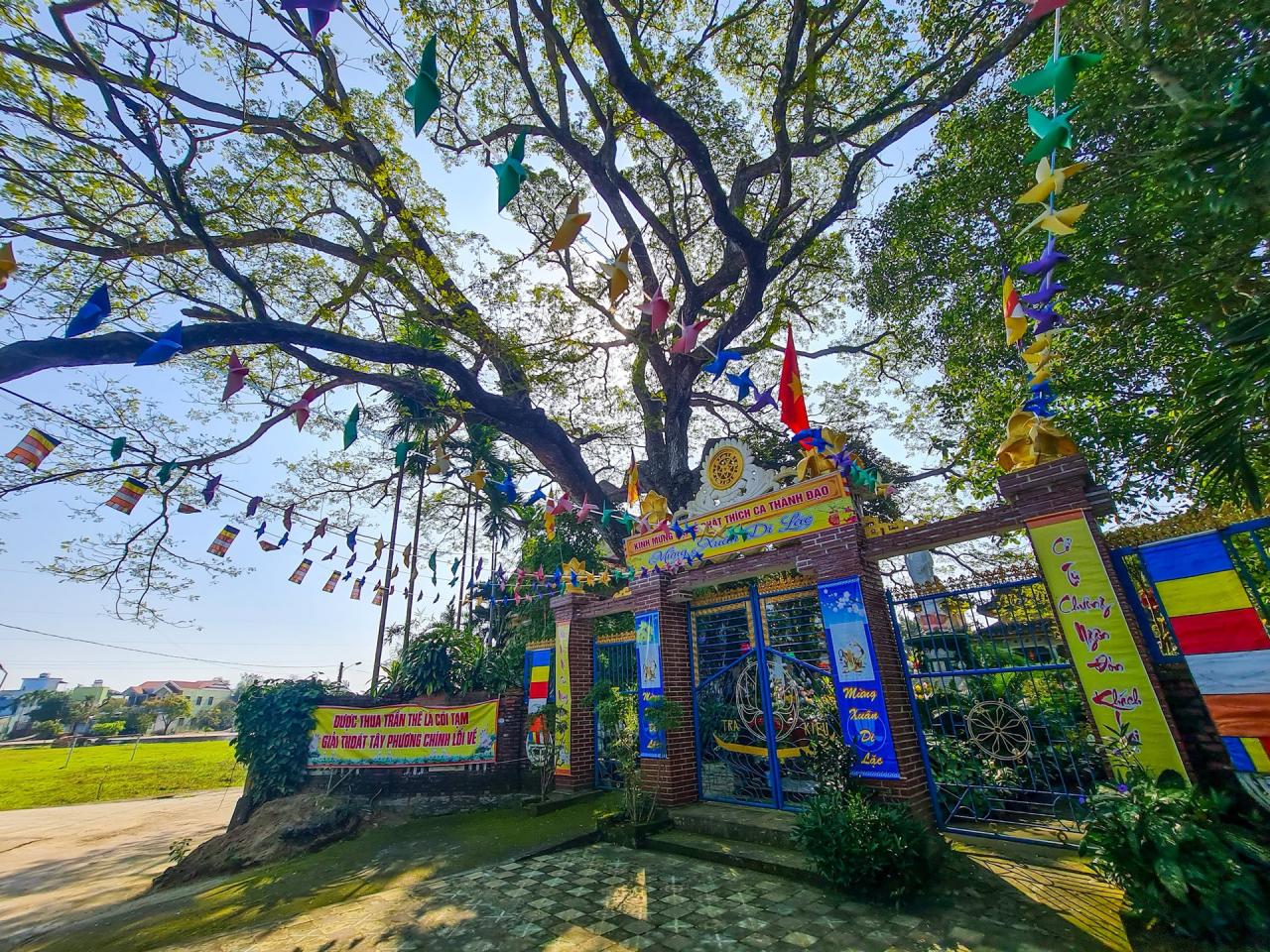
Spiritual tourism is increasingly developing and establishing its role, contributing to the overall development of the "non-polluting industry". In Quang Nam , the potential for this type of tourism is quite significant.
Potential
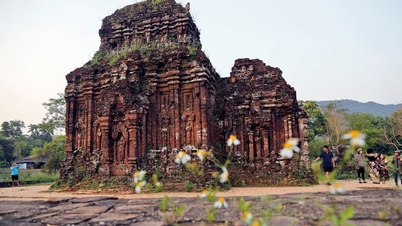
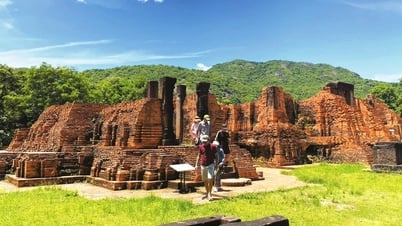
In Quang Nam province, a survey reveals numerous ancient architectural sites, offering opportunities for developing spiritual tourism through visits to famous temples. These include the Bridge Pagoda, Vien Giac Pagoda, Long Tuyen Pagoda, Chuc Thanh Pagoda, Ong Pagoda (dedicated to Quan Cong), Phuoc Lam Pagoda in Hoi An, Dong Duong Buddhist Monastery (Thang Binh district), and My Son Sanctuary (Duy Xuyen district)...
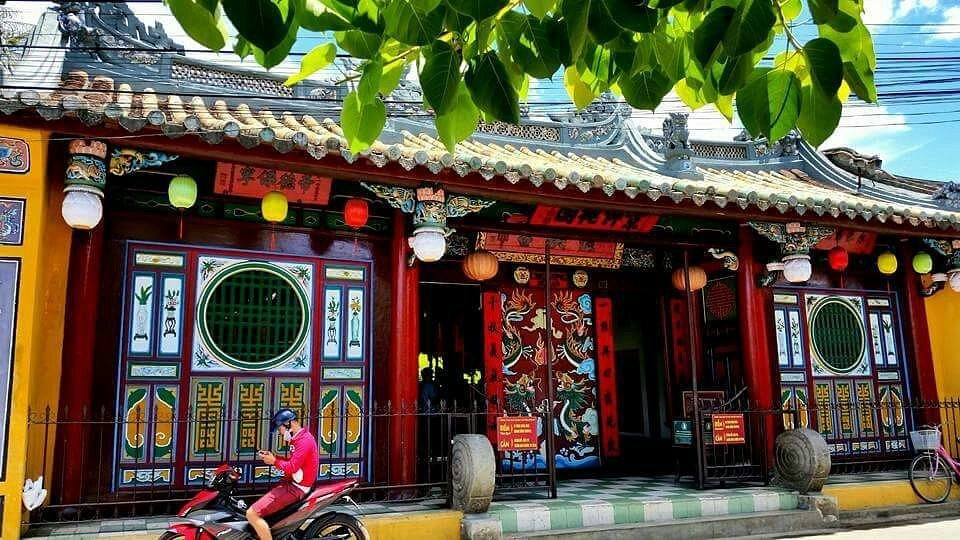
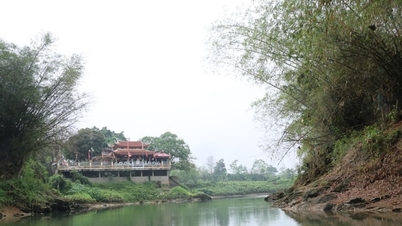
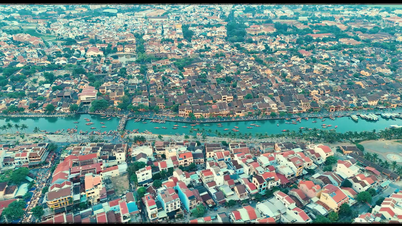
Hoi An alone – this ancient town that attracts both Western and Vietnamese tourists – boasts numerous spiritual sites worth visiting. Besides the familiar Japanese Bridge, Ong Pagoda, with its history spanning over 400 years and unique Chinese architecture, is a major draw for visitors. Stepping inside, a tranquil and nostalgic atmosphere unfolds. The pagoda features a spacious and airy grounds, most impressively adorned with an exquisite stone mural.
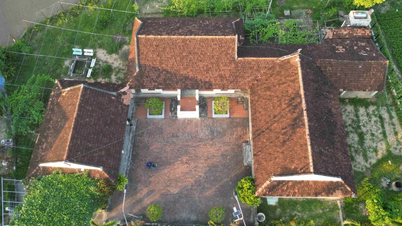
Meanwhile, Phuoc Lam Pagoda (Cam Ha ward), founded by Zen Master An Triem in the mid-18th century and rebuilt by Patriarch Minh Luong (one of the two first patriarchs to arrive in Hoi An) in the late 17th century to worship Buddha, is also a must-see destination on any spiritual tourism journey.
Phuoc Lam Pagoda was built in the ancient East Asian style, with a "Mon" shaped architectural structure consisting of a triple gate, courtyard, main hall, grand hall, and ancestral worship hall. The main hall has three bays and two wings, flanked by two bell towers in the shape of pagodas. The grand hall still preserves many valuable artifacts such as the alms bowls of Ancestor Minh Luong and wooden-carved Buddhist scriptures.
Researchers believe that Phuoc Lam Pagoda is a religious relic that contributes to enriching the types of Buddhist architecture and the process of spreading the influence of Buddhism in Hoi An.
Another destination is Chuc Thanh Pagoda, located in Cam Pho ward (Hoi An city), founded by Zen Master Minh Hai - Phap Bao around the end of the 17th century.
Chúc Thánh Pagoda is a famous ancient temple in Hoi An, recognized as a National Historical and Cultural Monument. Despite numerous renovations, it still preserves many artifacts, especially relics related to the founder of the Chúc Thánh Zen sect, thus holding a particularly important place in the hearts of Buddhists and those who love and want to learn about Buddhism.
In 2019, Dong Duong Buddhist Monastery (Thang Binh) was recognized as a Special National Monument. This was one of the Buddhist monasteries of the Champa kingdom, among the largest in Southeast Asia at that time. It is also a worthy destination to include in pilgrimage and spiritual tourism tours in Quang Nam province.
Why should we develop spiritual tourism?
Vietnam's potential for spiritual tourism development stems not only from its scenic beauty but also from its rich national culture and the people's desire to pursue lofty spiritual values, faith, beliefs, and religion.
The Deputy Secretary-General of the World Tourism Organization, Mr. Zoltan Somogyu, once stated that, in the development trend of world tourism, spiritual tourism continues to be emphasized. The number of tourists traveling for spiritual purposes is constantly increasing, and Vietnam stands out as a country with great potential for spiritual tourism.
A promising development picture for spiritual tourism in Quang Nam province, given its abundant resources.
Nun Huệ Liên (a member of the Information and Communication Committee of the Tiền Giang Provincial Buddhist Association), while participating in charitable activities in Quảng Nam, led a group to visit the Mỹ Sơn Sanctuary. She expressed that the sacredness of the place is what captivated visitors from afar like herself.
Where there is sacredness, there is a chance for people to return. They come to admire, reflect on the past, and bow their heads to find peace, "reviewing the past to understand the present," learning to let go, and living more virtuously.
That is another value, besides the material value, that spiritual tourism brings – a profound spiritual value that makes people come as a matter of course, as if they have just been guided by their ancestors from hundreds, even thousands of years ago…
Source




















































Comment (0)