|
The trend of laptops requiring a minimum of 16GB of RAM may be slowing down. Photo: PC Mag . |
For decades, the personal computer hardware market has evolved towards increasingly higher specifications and a continuously decreasing price-to-performance ratio.
However, Slash Gear suggests that things could reverse in 2026, when more expensive laptops with more limited specifications compared to their predecessors appear.
Consequences of the AI whirlwind
The final months of 2025 witnessed chaos in the personal computer market. RAM prices skyrocketed, especially DRAM, the type commonly found in consumer electronics. The direct cause of this phenomenon was the explosion of AI.
SSDs could be the next product to be caught in the price surge. The situation worsened by December 2025 when Micron shut down Crucial, its consumer-focused brand, to concentrate on selling storage solutions for the AI industry.
In 2026, the market may see expensive laptops with inferior specifications compared to the previous generation. With the supply of DRAM for consumer goods becoming increasingly scarce, laptop manufacturers will have to pay very high costs for memory.
Faced with the choice between reducing profit margins or increasing prices, forecasts suggest the company will lean towards the latter. Simultaneously, they are also reducing RAM capacity in new models.
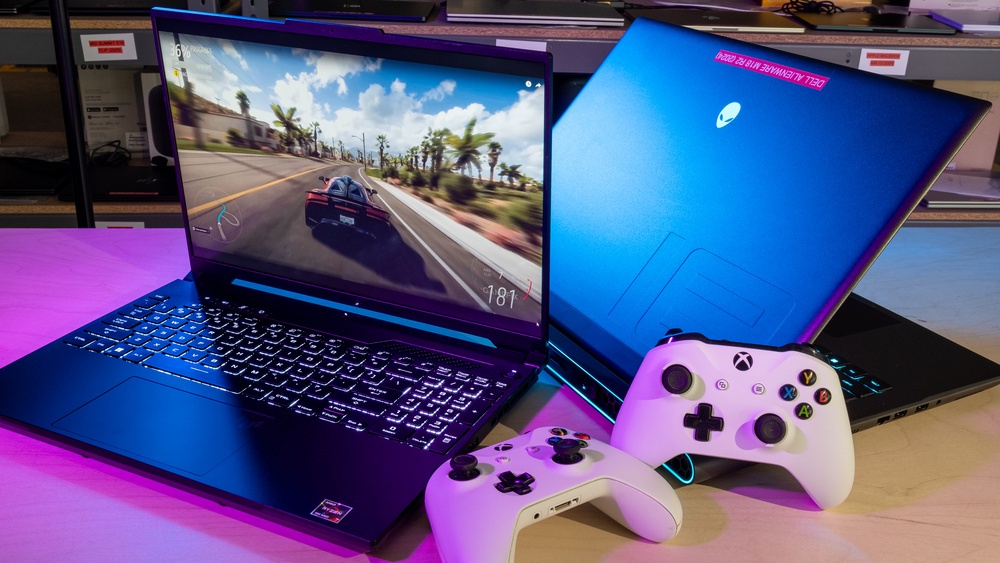 |
Laptops that require a lot of RAM will be severely impacted by the global RAM shortage. Photo: Rtings. |
Limited RAM supply combined with a surge in demand from the AI industry, which requires large amounts of memory for data centers, has put computer manufacturers in a difficult and reactive position.



Users are also hesitant to pay more for lower performance, especially when modern operating systems and applications require a lot of memory.
Companies, including Lenovo and HP, are seeking to stockpile RAM to delay configuration cuts while maintaining stable prices, but those reserves will eventually run out.
Retreating from the technology trend.
For many years, 16GB of RAM has gradually become the "basic configuration." Even Apple has made 16GB the minimum for the 2025 MacBook Air. However, given the scarcity and rapidly increasing price of DRAM memory, this trend may stall or even be reversed.
Apple has not confirmed whether the new MacBook models will have their RAM capacity reduced to 8 GB, but some predict that the higher-end models will likely see significant reductions.
TrendForce predicts that standard RAM on mid-range configurations will drop to 8 GB, while high-end models will fall to 16 GB. This is a major issue for gaming laptops, especially if the GPU also simultaneously reduces its VRAM capacity.
Many computer users are accustomed to choosing higher-spec versions when they need more powerful equipment. Now, that will be difficult due to the significantly increased prices. For example, according to leaked information, Dell's upcoming business laptop will cost an additional $230 for the 32GB RAM configuration.
Besides laptops and desktops, which are particularly vulnerable to RAM shocks, many other devices require some form of memory. All of them are manufactured from the same silicon source.
Smartphones were also severely affected. The impact spread to electric vehicles, gaming consoles, TVs, VR headsets, smartwatches, and many other products. Each company competed to grab the remaining RAM after the AI industry's lavish feast.
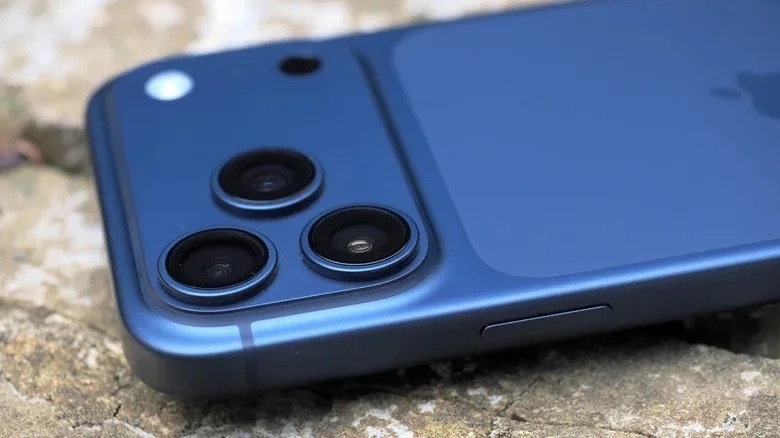 |
High-end smartphones may also reduce their RAM capacity. Photo: Slash Gear. |
In the smartphone world , TrendForce predicts that the market will experience a decline in RAM capacity by 2026. High-end phones and tablets, such as the Samsung Galaxy Z Fold7 and Apple iPhone 17 Pro, typically have 12-16 GB of RAM.
However, by 2026, the maximum capacity may be reduced to just 12 GB. Meanwhile, 12 GB of RAM is predicted to disappear from the mid-range segment. In the low-end segment, 8 GB of RAM has recently become the most common, but new models may have to revert to 4 GB.



This would limit the capabilities of inexpensive smartphones, especially when running local AI tools.
Unlike desktop and laptop computers using the x86 architecture, which typically have upgradeable RAM, smartphones, tablets, and other devices based on the ARM architecture have RAM integrated directly into the SoC module and cannot be upgraded.
Therefore, once users acquire devices with low RAM capacity during this period, they will "suffer" until they switch to a new device.
Source: https://znews.vn/het-thoi-laptop-gia-re-ram-nhieu-post1617292.html