|
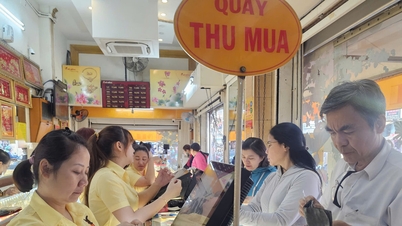
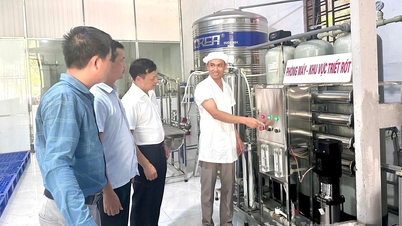
| The inter-agency food safety inspection team of the province conducted rapid testing of food samples at the Central Market in Ha Giang 1 ward. |
Alarm raised over poisoning due to natural toxins.
According to a report from the Food Safety Department of the Provincial Health Department, in the first six months of 2026, the province recorded 6 food poisoning incidents involving 29 people, 26 of whom required hospitalization, and 1 death.
Specifically, on March 12th, a microbial poisoning incident occurred in Thang Mo commune, affecting 12 people who required hospital treatment. On April 8th, in Khau Vai commune, an incident of poisoning of unknown cause affected 8 people, 5 of whom were hospitalized. Prior to that, on April 7th, 3 cases of poisoning due to natural toxins were recorded in Sa Phin commune. On May 12th, a blister beetle poisoning incident occurred in Yen Son commune, resulting in 2 hospitalizations, one of which was fatal. On May 27th, another poisoning incident with the same cause occurred in Ban May commune, affecting 2 people. On May 31st, in Trung Thinh commune, 22 people were hospitalized due to food poisoning related to natural toxins.
Notably, the poisoning incident in Yen Son commune is considered particularly serious. According to initial information, Mr. Tuong Van Th., residing in Dong Tro village, and Mr. Ban Van Q. caught blister beetles in the wild and roasted them for consumption. Approximately 30 minutes after eating, Mr. Th. experienced nausea and vomiting blood. After several hours, his condition did not improve, accompanied by chest pain, and he was taken to the hospital for emergency treatment.
At the Provincial General Hospital, doctors diagnosed the patient with blister beetle poisoning. After nearly two days of treatment, the patient fell into a coma and was transferred to Bach Mai Hospital. However, despite continued monitoring and intensive treatment, the patient died after nearly four hours. The cause of death was determined to be blister beetle poisoning leading to severe metabolic acidosis and multiple organ failure.



The series of incidents has raised alarm bells about the risk of poisoning from natural foods. Recently, Hoang Su Phi Regional General Hospital received a suspected case of poisoning from eating wild mushrooms in Ban May commune. Previously, on May 26th, Mr. Trang Van T. and his relatives ate stir-fried wild mushrooms for a meal. Afterwards, he experienced symptoms of abdominal pain, nausea, and fatigue but did not seek medical attention and continued to travel to Son La on May 28th and 29th.
Upon returning home, his health deteriorated with severe abdominal pain, vomiting, and diarrhea, leading to his hospitalization on June 2nd. Among those who ate with him, his grandson also experienced abdominal pain and nausea and has since recovered. The remaining individuals showed no unusual symptoms. Based on their dietary history and clinical manifestations, authorities believe this is a suspected case of food poisoning from wild mushrooms. Currently, the patients' health is stable.
People need to be more vigilant.
Not only wild mushrooms or insects, but the risk of poisoning from other natural foods is also a worrying issue. In many remote and mountainous areas, people still maintain the habit of using wild fruits, roots, and tubers to prepare dishes or make alcoholic beverages, but lack the knowledge to identify toxicity. Meanwhile, many natural foods contain dangerous toxins, and if not properly prepared or used in the wrong dosage, they can cause acute poisoning, even death.
Mr. Ngoc Thanh Dung, Head of the Food Safety Department of the Department of Health, advises: People should absolutely not consume mushrooms, insects, or forest plants without clearly identifying their origin and toxicity; and should not rely on folk remedies to distinguish poisonous food. If symptoms such as abdominal pain, vomiting, dizziness, or diarrhea occur after eating, the patient should be quickly taken to the nearest medical facility for timely emergency treatment. Furthermore, it is necessary to cook food thoroughly and boil water; ensure hygiene in food preparation and processing; and avoid consuming spoiled, expired, or unidentifiable food.
According to monitoring data on poisoning and epidemiological factors from the health sector, poisoning incidents frequently occur in spring and summer due to people consuming foods containing natural toxins (poisonous mushrooms, wild fruits, wild plants, etc.). Some cases have resulted in death or severe long-term consequences for those poisoned, despite timely treatment.
To proactively implement preventive measures, ensure early detection and timely treatment, prevent large-scale food poisoning incidents, and minimize severe complications and deaths from food poisoning, functional agencies in localities have issued directives to relevant agencies and authorities at all levels to strengthen information and communication efforts on food poisoning prevention through diverse and rich forms, such as communication through market fairs, billboards, posters, leaflets, and communication in ethnic languages to discourage people from consuming contaminated food that does not meet food safety and hygiene standards, as well as from harvesting or processing dishes from wild mushrooms in the forest, especially poisonous mushrooms, moldy corn flour, and wild vegetables and fruits, aiming to raise awareness and change people's behavior within the community.



The recent series of poisoning incidents shows that the risk from natural toxins remains, requiring even greater caution in people's eating habits, especially in ethnic minority areas. To protect their own health and that of their families, each person needs to raise awareness, proactively learn about and follow the guidelines and recommendations from the health sector. Being careful with each meal and each food item harvested from nature not only helps prevent risks but also contributes to protecting the health of oneself and one's family.
Text and photos: Minh Hoa
Source: https://baotuyenquang.com.vn/xa-hoi/y-te/202606/hiem-hoa-tu-bua-an-hai-luom-2613b1f/