

Coal-fired power plants face difficulties in securing loans.
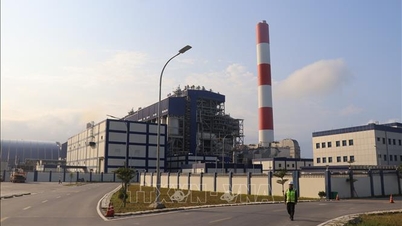
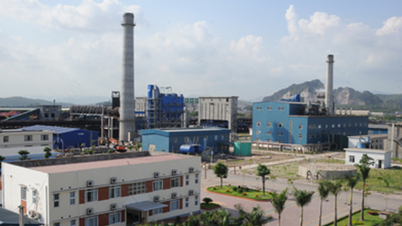
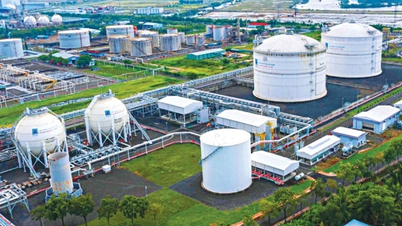
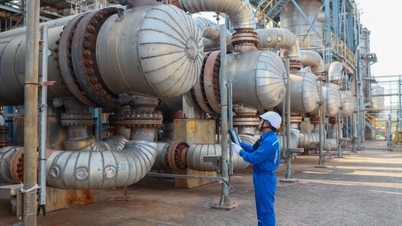
The People's Committee of Thanh Hoa province has just reported to Deputy Prime Minister Tran Hong Ha, requesting consideration and approval for the conversion of coal fuel to LNG for the Cong Thanh Thermal Power Plant in the Nghi Son Economic Zone, and for updating it into the implementation plan of the Power Development Plan VIII.

This project was initially granted an Investment Registration Certificate in 2010 by the Management Board of Nghi Son Economic Zone and Industrial Parks of Thanh Hoa Province, with a second amendment in mid-2018.
However, accessing funding for the project is extremely difficult, making it unlikely to be feasible, as coal-fired power plants are no longer an area encouraged for investment by credit institutions.
Therefore, the People's Committee of Thanh Hoa province requests Deputy Prime Minister Tran Hong Ha to consider and approve the conversion of the Cong Thanh thermal power project from coal to imported LNG with a capacity of 1,500MW and to update the project in the Implementation Plan of the Power Development Plan VIII.
According to the investor's representative, the project has completed land compensation and site leveling for the main factory area, and has invested 80% in infrastructure for the factory port area.
In addition, many important procedures related to the coal-fired power project have been completed, such as local authorities agreeing to lease the land; the environmental impact assessment report and basic design have been appraised by relevant ministries; and the power purchase agreement with EVN for the previously allocated coal-fired power portion has been finalized...
It is expected that, if converted, the Cong Thanh Thermal Power Plant will use imported LNG, consuming 1.2-1.5 million tons per year; the plant's capacity will increase to 1,500 MW. Average annual electricity output to the grid will increase from 3.9 billion kWh to 9 billion kWh. The total investment for the project will increase from 1.2 billion USD to 2 billion USD.
The investor of the Cong Thanh thermal power plant project stated that LNG is a global trend, therefore, the financing arrangements for converting the coal-fired plant to LNG have been completed, with deposits made with a consortium of investors including BP Group (supplying gas for the project), GE Group (supplying equipment), and Actis Investment Fund (arranging financing).
According to the People's Committee of Thanh Hoa province, the Cong Thanh thermal power project has many favorable conditions for investment implementation and completion, and should be put into operation before 2030 (expected in 2028) if it switches to LNG fuel.
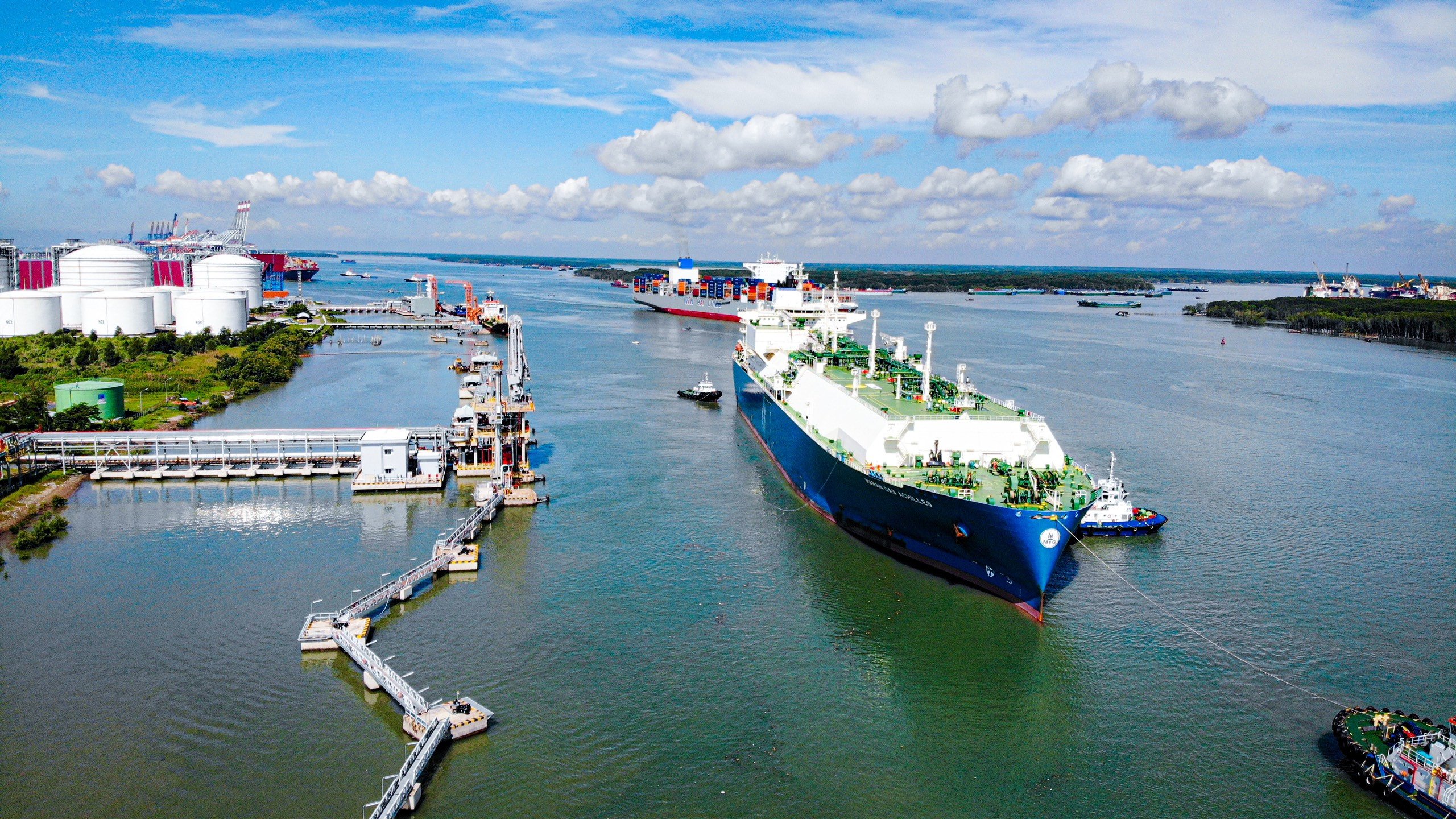
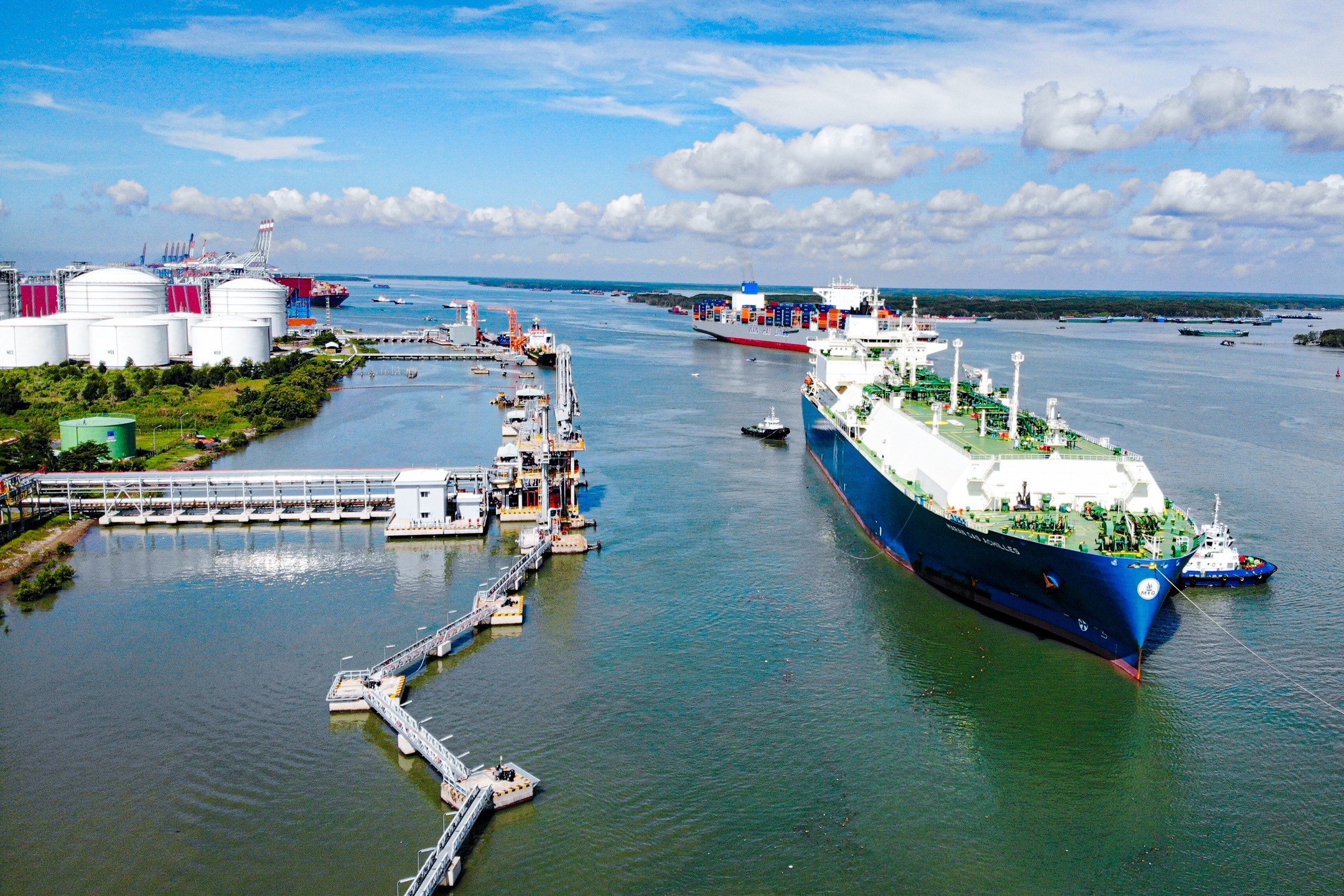
Electricity generated from natural gas is prioritized, while electricity from coal is reduced.
The Power Development Plan VIII, approved by the Prime Minister in May 2023, stipulates that by 2030, the structure of domestic gas-fired and LNG thermal power sources will reach 37,330 MW, equivalent to 25.7% of the total power generation capacity, accounting for the largest proportion in the power source structure. Of this, domestic gas-fired thermal power will be 14,930 MW, accounting for 9.9%, and LNG thermal power will be 22,400 MW, accounting for 14.9%.
This power plan also includes a roadmap for a significant reduction in coal-fired power, aiming to completely eliminate coal-fired power within 20 years (from 2030 to 2050) and replace it with clean energy sources, especially wind and gas power.
Not only Cong Thanh, but currently, many localities and project investors are also preparing to request the conversion of coal-fired power projects to gas-fired power projects, such as the Quang Trach 2 project of EVN.
Dr. Ngo Duc Lam, former Deputy Director of the Institute of Energy, believes that the shift from coal-fired to LNG power projects is a logical trend. Regarding this particular project, Dr. Lam emphasized that its location is also logical due to its proximity to the North – an area currently experiencing electricity shortages – and the ease of transmission.
"Typically, coal-fired and gas-fired power plants are located in the South and Central regions, but high electricity consumption is in the North, leading to the problem of 'transferring electricity to the North' – meaning investment in transmission infrastructure is required, and this is the most pressing issue currently," Mr. Lam said.
A report by the Vietnam Oil and Gas Group (PVN) assesses that the advantages of LNG power plants are high availability, independence from weather conditions, large capacity with a wide adjustment range, fast response time, and reduced greenhouse gas emissions and pollution compared to coal and oil-fired power plants.
"The introduction of LNG into use is also consistent with the Government's commitment at COP26 and the trend of using fuels with reduced emissions," PVN emphasized.
At a meeting with 10 provinces with gas-fired power projects in June 2023, the Minister of Industry and Trade assessed that the progress of construction and operation of LNG power plants is crucial to national energy security until 2030. Therefore, if any project is at risk of delays, the Ministry of Industry and Trade will report to the Government and the Prime Minister to postpone the project's progress and expedite contingency projects/or consider alternative options to ensure electricity supply security. The Minister instructed the Department of Electricity and Renewable Energy to urgently guide, support, and assist localities and investors in the implementation process. In particular, they were instructed to promptly conduct project dossier appraisal according to regulations immediately after receiving complete dossiers submitted by the investors. |
Source

![[Photo] General Secretary and President To Lam meets with National Assembly delegates from ethnic minorities.](https://vphoto.vietnam.vn/thumb/1200x675/vietnam/resource/IMAGE/2026/04/20/1776696701056_a1-bnd-8331-3342-jpg.webp)
![[Image] National Assembly discusses the implementation of the socio-economic development plan.](https://vphoto.vietnam.vn/thumb/1200x675/vietnam/resource/IMAGE/2026/04/20/1776696707422_ndo_br_img-20260420-185419-jpg.webp)








































































Comment (0)