


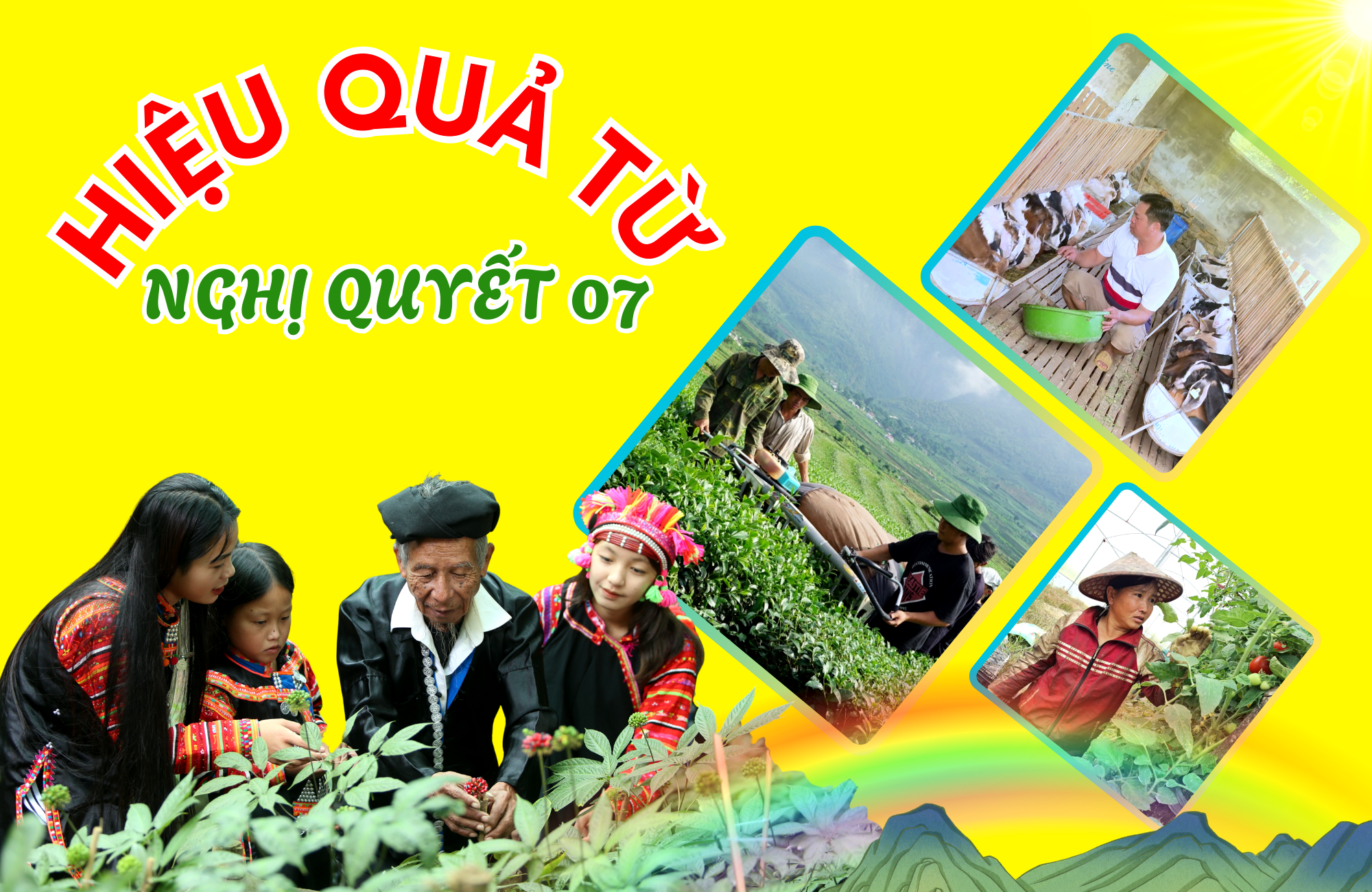
Previously, the province's agricultural development faced many difficulties, with small-scale and outdated production; the crop structure mainly consisted of rice, corn, tea, and low-yield cash crops, and no commercial production zones had been established. Agricultural production was also heavily impacted by unpredictable weather patterns and extreme climate events, significantly affecting production and people's lives. To ensure the sustainable development of the province's agriculture, maintain and expand the area of concentrated commercial agricultural production with many economically valuable crops, and successfully build raw material zones, Lai Chau focuses on innovation and improving the quality of agricultural products. Particularly noteworthy is Resolution 07/NQ-HĐND of the Provincial People's Council, which stipulates policies on the development of concentrated commercial agriculture for the period 2021-2025.

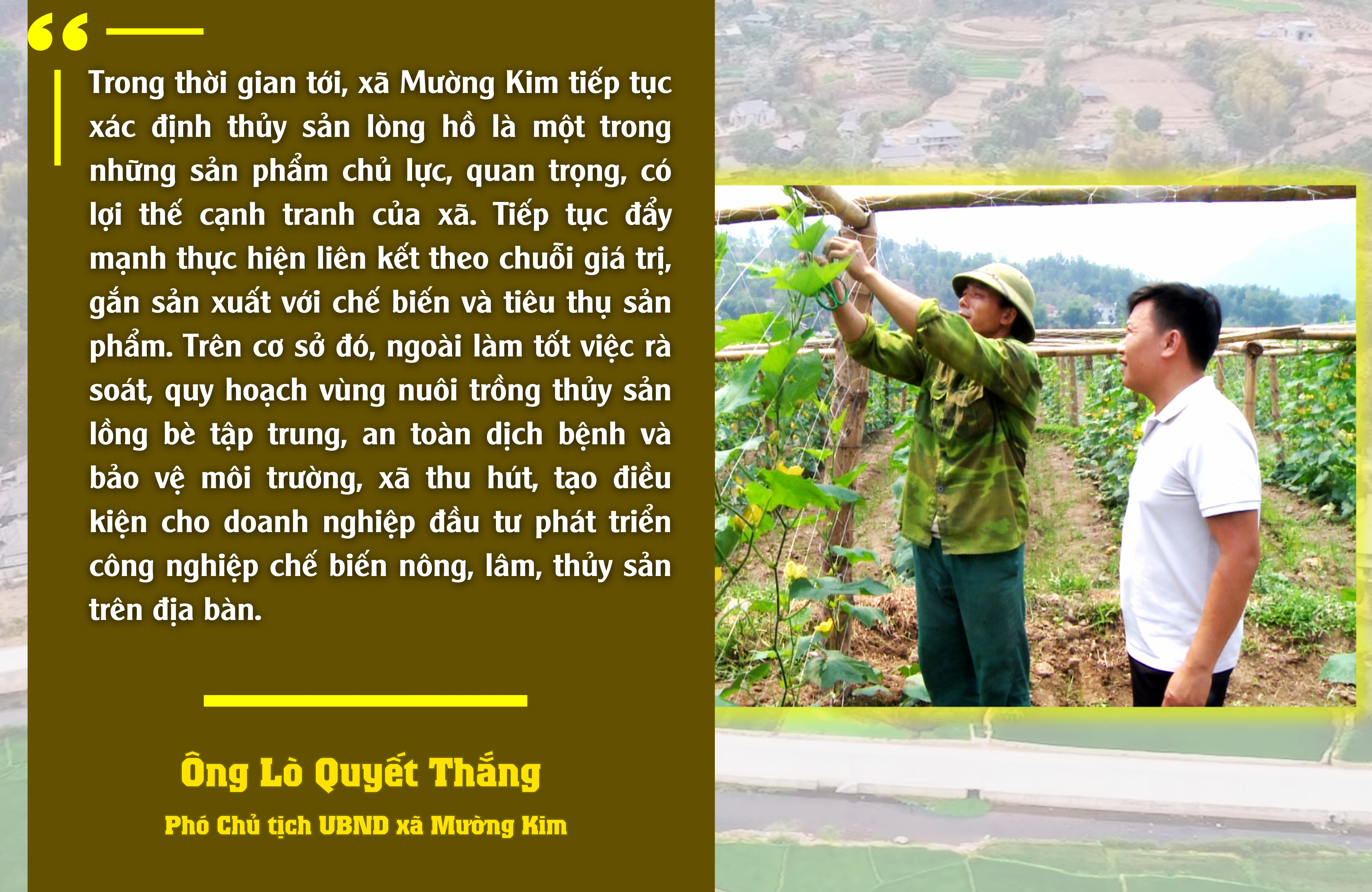
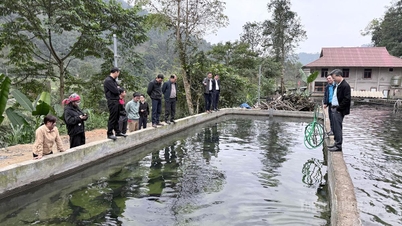
Immediately after Resolution 07 was issued, Muong Kim commune identified its main objective as forming a concentrated production area, improving the productivity, quality, and added value of agricultural products, and gradually building a brand associated with the OCOP program. In particular, 48 organizations and individuals developed cage fish farming combined with tourism in the reservoir area, with 498 aquaculture cages and a production of over 300 tons. Along with leveraging the advantages of the reservoir area for cage fish farming and tourism development, local households boldly formed aquaculture and tourism cooperatives to participate in concentrated farming, sharing experiences and techniques to improve quality and productivity, and finding markets for their products. The commune created favorable mechanisms for traders to purchase and guarantee the sale of cage fish products.

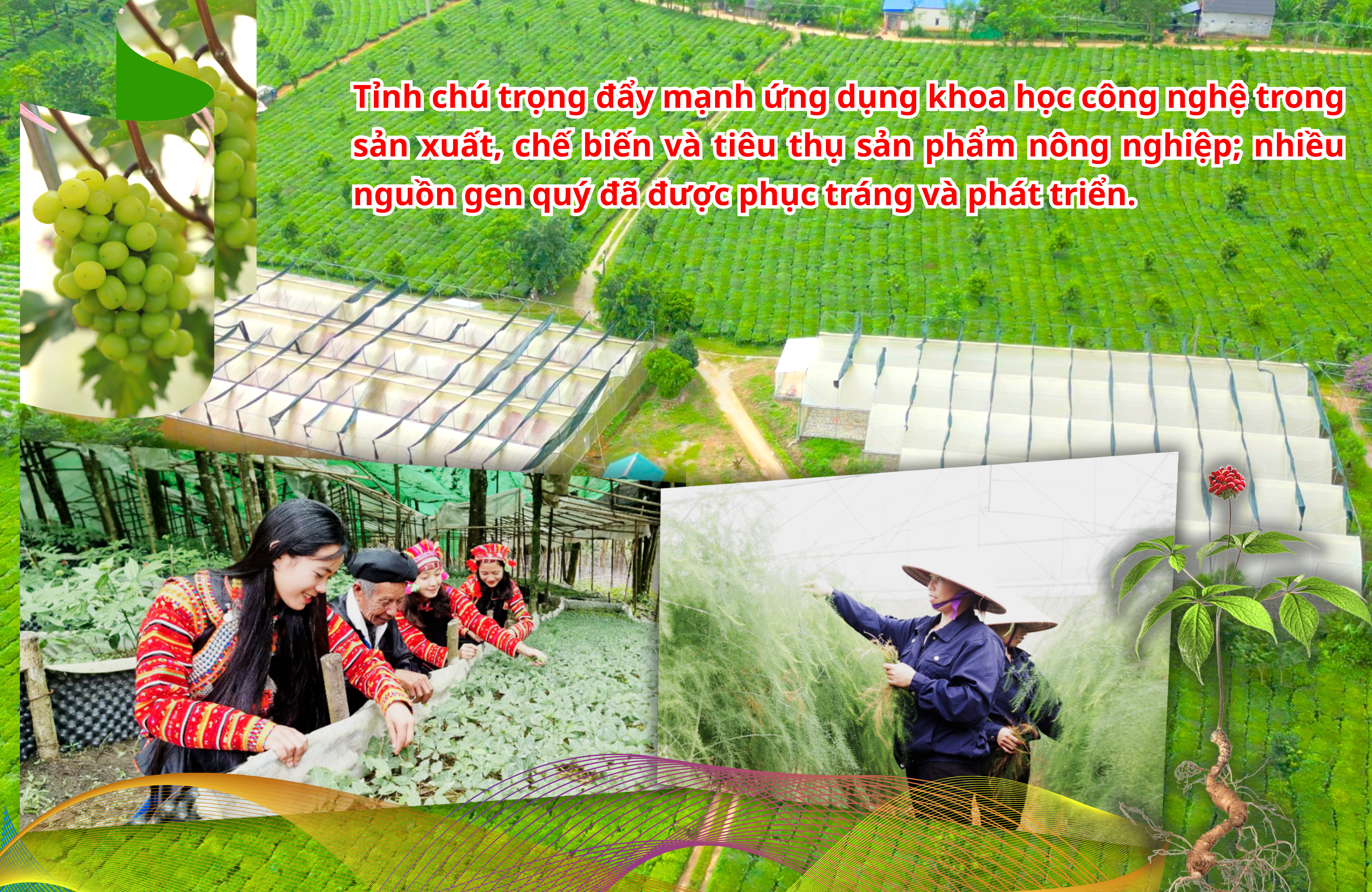
Policies supporting agricultural production have been issued promptly and implemented effectively; attention has been paid to training and improving the quality of human resources in agriculture , contributing to raising the level and production capacity of the people. Essential infrastructure in concentrated agricultural production areas has received investment; processing industrial zones have been planned and developed according to regulations. Attention has been paid to allocating support funds from the state budget, mobilizing social resources, and effectively implementing investment resources for key areas and key products, while promoting the application of science and technology in the production, processing, and consumption of agricultural products; many valuable genetic resources have been restored and developed.
Digital transformation in agriculture has been initially implemented with positive results. Value chain linkages in agriculture have increased in both quantity and quality; the number of businesses and organizations investing in agricultural production development has increased rapidly over the years; forms of production organization and management in agriculture and rural areas have been innovated and improved in efficiency; businesses, cooperatives, and cooperative groups operating in the agricultural sector have developed strongly and are expanding, with 42 businesses, 216 cooperatives, 181 cooperative groups, and 25 farms.

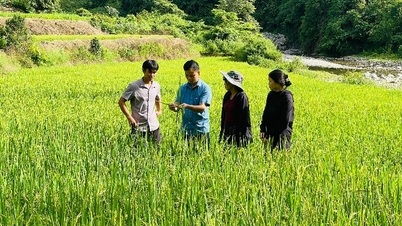
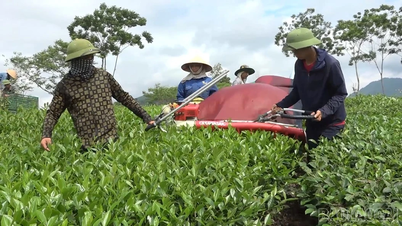
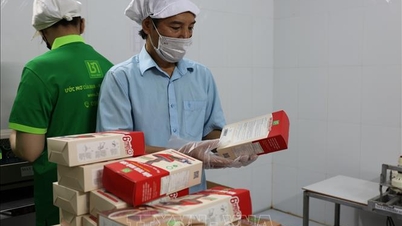
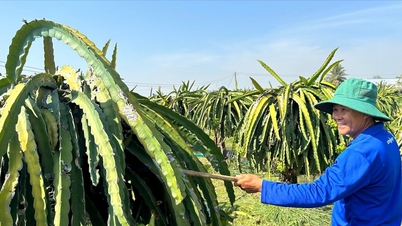
11 out of 18 targets set in the Resolution have been achieved or exceeded, such as: the area of newly planted tea plantations reached 108%, the area of commercial rice reached 122%, and the area of specialty rice reached 102%. In addition, the area of newly planted fruit trees reached 125%, and the development of orchid cultivation reached 113%. The development of large livestock farming facilities reached 683.3%, the development of concentrated pig farming facilities reached 100%, the development of concentrated beekeeping reached 411%, aquaculture in hydropower reservoirs reached 393.5%, and the development of agricultural, forestry, and aquatic product processing facilities and factories reached 293%... The structure of crop and livestock varieties has been positively transformed towards productivity and quality, with 2,272 hectares of low-yield rice land converted to planting high-value economic crops. This has led to the formation of concentrated commodity production areas, such as: commercial rice, tea growing areas of nearly 11,000 hectares, cinnamon growing areas of nearly 13,000 hectares, macadamia nut growing areas of over 7,400 hectares, fruit tree growing areas of over 7,400 hectares, etc.

Contributing to job creation, local budget revenue, promoting economic restructuring, shifting mindsets from agricultural production to agricultural economics, and increasing value and income for farmers. Large-scale, concentrated livestock farming, including farms and family farms, has developed strongly, gradually changing the mindset and production methods from small-scale to concentrated farming. The One Commune One Product (OCOP) program continues to develop in both scale and quality with 280 products, some of which have been recognized as regional and national products; many local specialty brands have expanded their markets both domestically and internationally. These results have created a clear transformation in the province's agricultural production development, making a significant contribution to achieving the targets, goals, and tasks for agricultural development set out in the Resolution of the 14th Provincial Party Congress, term 2020-2025.

Based on the significant achievements during the 2021-2025 period, the province's agriculture has made positive progress towards commodity production; effectively exploiting the potential advantages of land, climate, and soil, concentrated commodity production areas have been formed, contributing to promoting economic restructuring, shifting the mindset from agricultural production to agricultural economics, increasing income, and improving the lives of the people. Several key agricultural products of the province have established their brands in the market, creating an important foundation for sustainable agricultural development in the future.
Source: https://baolaichau.vn/kinh-te/hieu-qua-tu-nghi-quyet-07-1004579
![[Photo] General Secretary To Lam presides over a meeting with the Editorial Teams to summarize 100 years of the Party's leadership of the Vietnamese revolution and 40 years of implementing the National Construction Program.](https://vphoto.vietnam.vn/thumb/1200x675/vietnam/resource/IMAGE/2026/03/04/1772601288977_a1-bnd-8134-7576-jpg.webp)






















































Comment (0)