

From an outbreak of rabies, five people were bitten consecutively by dogs.
In late May 2026, an outbreak of rabies in animals was recorded in Ke Trang village, Mau Thach commune. A free-roaming, unvaccinated dog belonging to Mrs. QTD's family showed signs of poor appetite, lethargy, and had bitten five people consecutively.
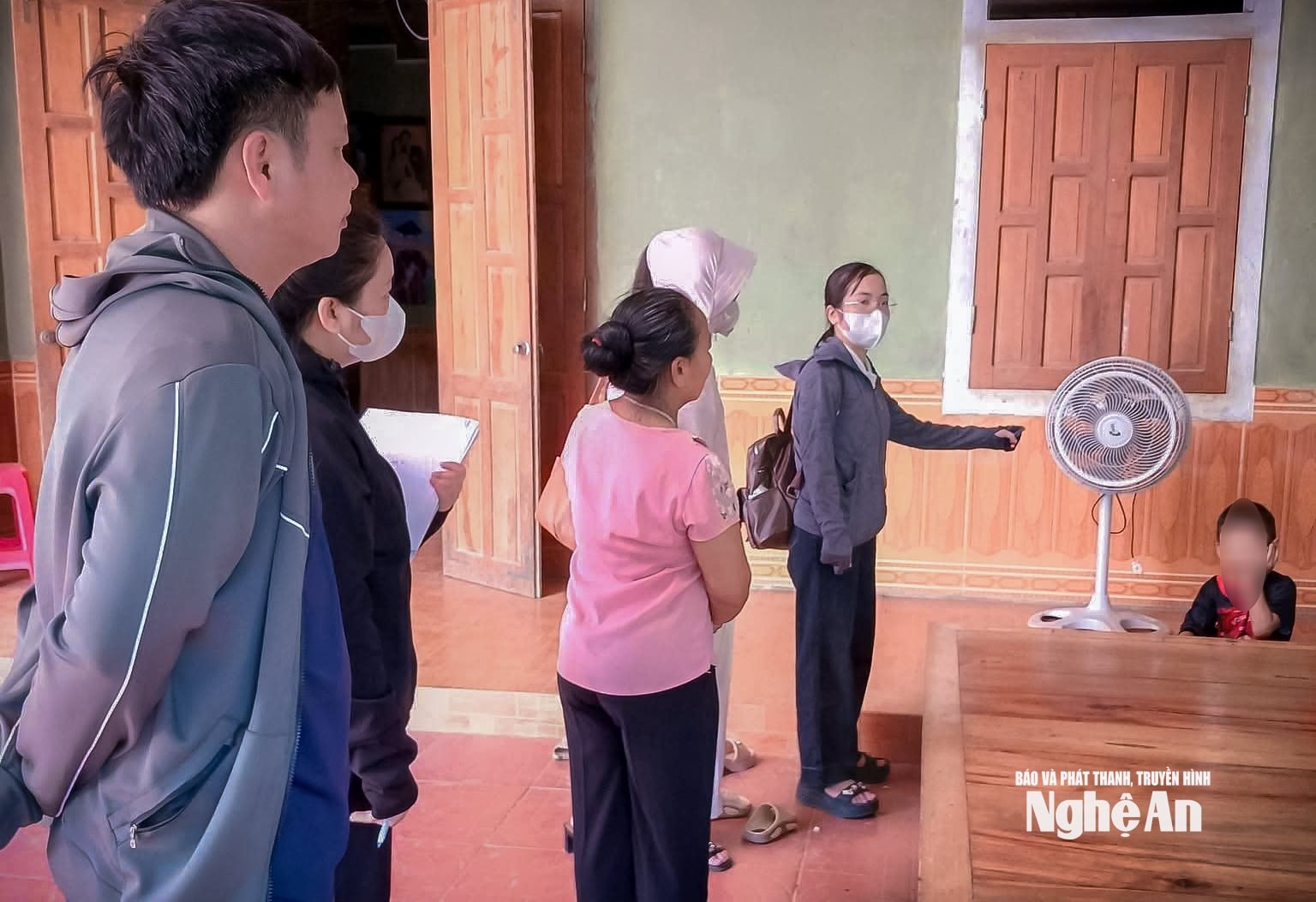
Authorities collected samples from the dog and sent them for testing. The test results from the Central Veterinary Diagnostic Center I on June 2, 2026, confirmed that the sample from the dog owned by Ms. QTD's family tested positive for rabies virus.
Fortunately, immediately after being bitten, all five villagers in Ke Trang were contacted by the health authorities and instructed to receive timely rabies vaccinations. Thanks to this proactive measure, the risk of death was effectively prevented.
In contrast to the fortunate situation in Mau Thach commune, a recent death suspected to be due to rabies in Bach Ha commune serves as a painful warning about self-treatment. The deceased was Mr. NVV (born in 1957), who was bitten by his pet dog about 5 months ago.

Reportedly, the dog died five days after biting the man. However, Mr. V. did not go to a medical facility for rabies vaccination. Instead, he bought traditional medicine from a folk healer in Van Kieu commune and brewed it himself, hoping to "cleanse" himself of the rabies toxins. By early June 2026, Mr. V. exhibited typical symptoms of rabies such as vomiting, fear of water, and agitation, and he died on the morning of June 3, 2026.
The tragic death of Mr. NVV has left a costly lesson about self-treatment using methods not recognized by the Ministry of Health . His passing serves as a stark warning that, against rabies, there is no "miracle cure" other than vaccines and medical serums.
These "gaps" allow the pain to continue.
Information from the Nghe An Health Department: In recent years, rabies has been causing many deaths. In 2024, the province recorded 12 deaths due to rabies; in 2025, this number is expected to be 8. And since the beginning of this year, there has been one death due to rabies... The recurring question is: Why does the suffering caused by rabies persist for so long?
Based on the preliminary report from the People's Committee of Mau Thach commune and the actual developments in Nghe An, it is clear that there are "gaps" in disease prevention and control efforts, leaving rabies a constant threat.


Firstly, Mau Thach commune currently has a total of 3,471 dogs and cats, but only a mere 400 have been vaccinated against rabies. This extremely low vaccination rate is insufficient to create herd immunity, turning the livestock population into an ideal environment for the rabies virus to reside and wait for an opportunity to spread.
Secondly, outdated animal husbandry practices are contributing to the widespread spread of rabies. The practice of letting dogs roam freely, without leashes or muzzles, remains common in rural and mountainous areas. When an animal develops rabies, its aggressive and agitated nature allows it to easily move through multiple villages, attacking many people and other animals in a short period. The case of the dog in Ke Trang village that bit five people consecutively is a prime example of this risk.
Thirdly, awareness among some people about the dangerous nature of rabies remains very limited. More worryingly, the habit of trusting traditional healers and self-treating with herbal remedies instead of seeking medical attention persists. The tragedy of Mr. NVV in Bach Ha commune serves as a belated warning about this lack of understanding and complacency.
Finally, the intense heat and humidity of summer are contributing factors that make it easier for the rabies virus to spread rapidly. High temperatures not only affect the health of animals but also make them more agitated and aggressive, thereby increasing the frequency of attacks on humans.
The aforementioned factors, when combined, create an uncontrollable disease cycle, requiring more decisive action not only from the health sector but also from the awareness of each pet owner. To prevent the risk of rabies spreading to humans, the Nghe An Provincial Center for Disease Control (CDC) and other health agencies have issued the following urgent recommendations:
FOR PEOPLE WHO ARE BITTEN BY DOGS, CATS, OR OTHER ANIMALS:
The wound should be washed immediately with soap or readily available antiseptics under running water for 10-15 minutes, then disinfected with 70% alcohol or iodine alcohol.
Do not bandage the wound tightly or crush the tissue.
Absolutely do not use traditional medicine or any methods not recognized by the Ministry of Health for treatment.
Go to the nearest medical facility immediately for advice, vaccination, and anti-rabies serum according to the schedule and dosage.
FOR LOCAL ADMINISTRATION AND HEALTHCARE:

Inter-sectoral coordination : Strengthen close cooperation between the health and veterinary sectors in monitoring and sharing information on animal outbreaks to ensure timely response in humans.
Identifying exposed individuals: Conduct epidemiological investigations, compile a list, and encourage all individuals with a history of being bitten by suspected rabid dogs or cats to get vaccinated, ensuring no one is missed.
Strengthen communication: Widely disseminate information about the dangerous nature of rabies and the importance of vaccinating livestock.
Dog management: Pet owners are required to have their dogs and cats vaccinated against rabies regularly and must absolutely not allow pets to roam freely without muzzles.
There is no cure for rabies once the disease has developed, but it is entirely possible to control one's life through proper understanding and action from the outset.
Source: https://baonghean.vn/hoi-chuong-bao-dong-tu-benh-dai-10339459.html

































































![[Video] Sunset at Lap An Lagoon – Where the sun sets over the fishing nets](https://vphoto.vietnam.vn/thumb/1200x675/vietnam/resource/IMAGE/2026/05/31/1780192137701_beach-landscape-sea-water-nature-grass-745871-pxhere-com.jpeg)



































Comment (0)