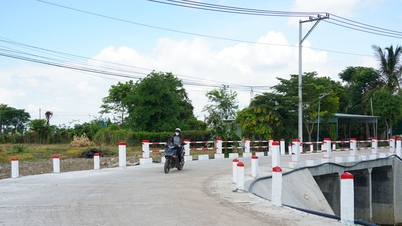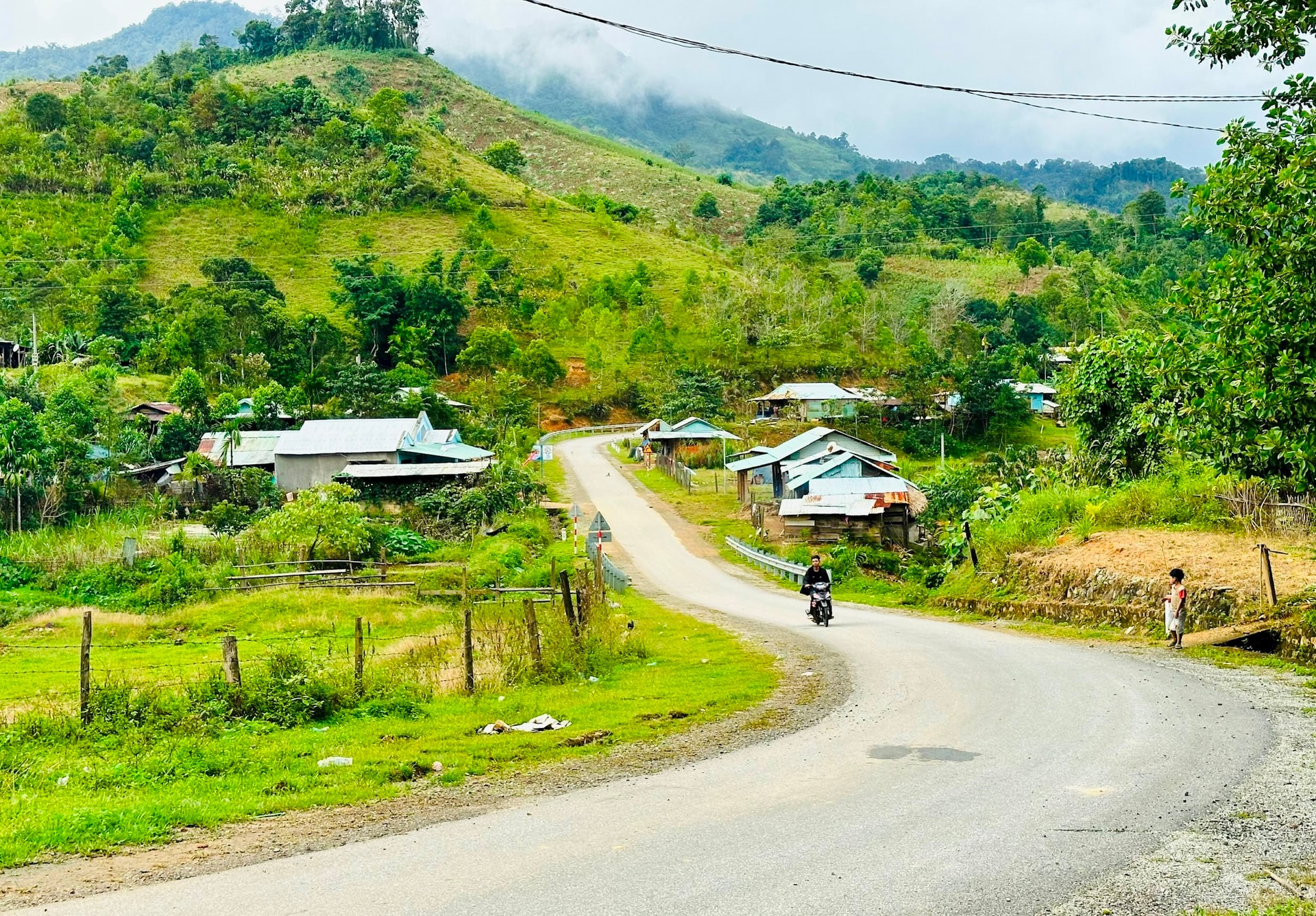
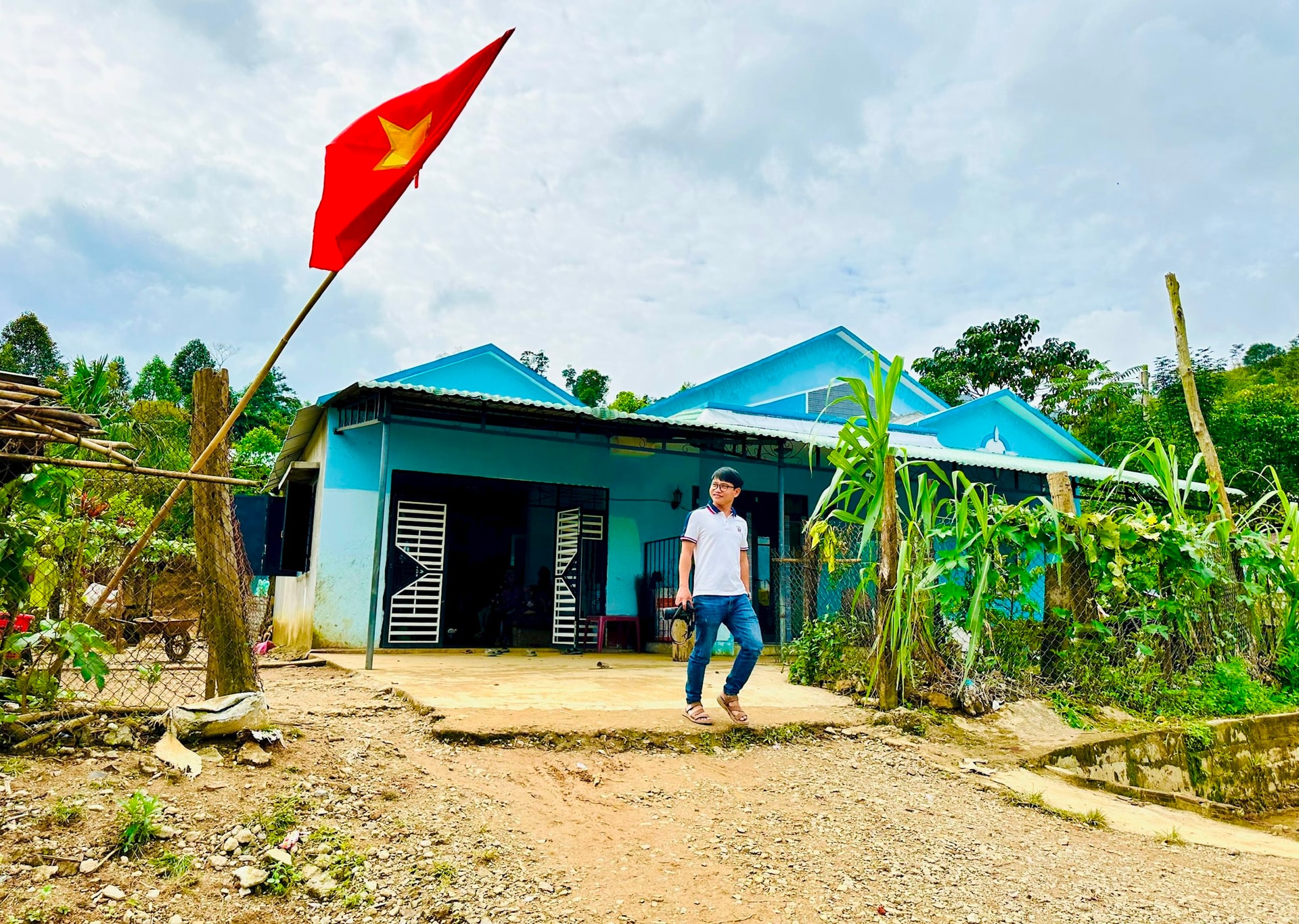
Right at the crossroads, near Khe Chu alley, a newly paved road cuts across the mountains. We had to ask the locals for directions to the village. Much has changed in Khe Chu. Even the house of the elderly Nguyen Thanh Luan – former Party Secretary of Tra Van commune, which once served as a lodging place for visitors – is now located deep within a small "alley"…
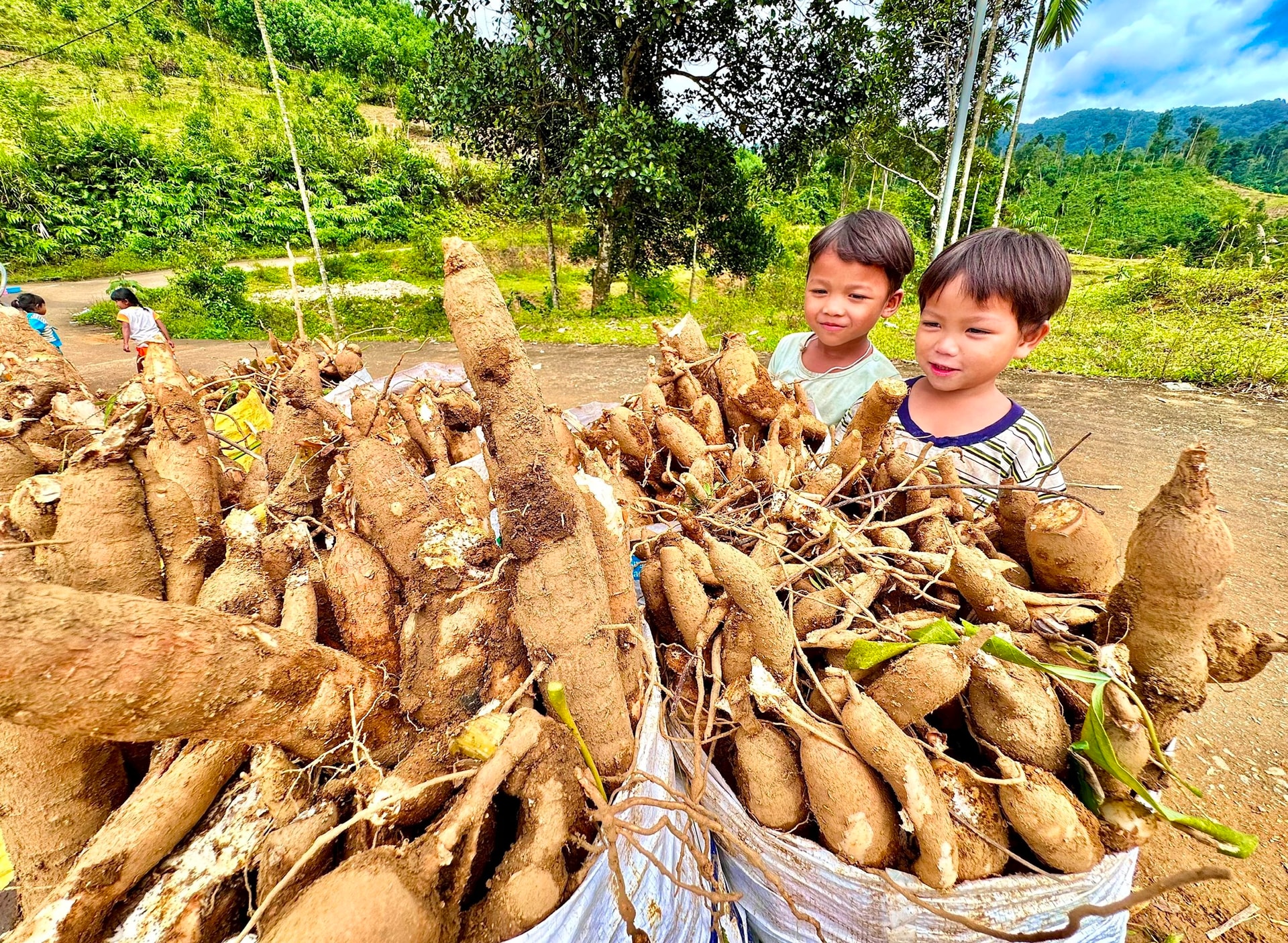
1. The newly opened road, crossing Khe Chu, seems to embrace the Ca Dong village nestled in the mountain valley. This place is like a model residential area, complete with electricity, roads, schools, and medical facilities. Sturdy houses stand scattered among the open spaces. Above the mountain range in front are fields planted with cassava. The fresh cassava harvests in recent years have helped many households in Khe Chu escape poverty and rebuild their lives from the ashes of the past.
At midday, a large truck pulled up right in front of a house near the village. Soon, villagers from Khe Chu streamed in, carrying sacks of fresh cassava to sell to traders. Elder Nguyen Thanh Luan said that the cassava fields were like a "lifesaver" for the people of Khe Chu village.
After months of relocating to the new land, when relief supplies ran out, dozens of families could only cling to the small gardens in their old village. However, they suffered crop failures for several consecutive years. The local government encouraged the people to change their production methods, reclaiming hillside land to grow cassava.
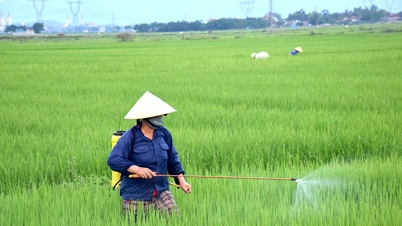
The first cassava fields were planted, creating a lush green landscape across the forest. This short-term crop became an effective source of livelihood. "Now, almost every household has a cassava hill. Some have a few plots, others several hectares, all meticulously cared for. Besides rice farming and other agricultural activities, cassava cultivation is seen as a new direction that helps people earn additional seasonal income and stabilize their lives," shared Mr. Luan.
The conversation was interrupted by the footsteps of young men from the village. They had just returned from their trip up the mountain, carrying sacks of cassava on their backs to the collection point, passing by the house of old man Luan. Old man Luan calculated that in Khe Chu, many households earned 50-70 million dong per year from the cassava harvest. In particular, a few years ago, one household earned nearly 100 million dong, contributing to their livelihood in the mountains.
“Besides cassava cultivation, people still practice slash-and-burn agriculture, but the number is very small. The upland fields are now being used to grow medicinal herbs and food crops, especially cassava and bananas. Since cassava is harvested once a year, almost every household has 1-2 hectares, which is considered a form of financial security after moving to the new village,” old man Luan confided.
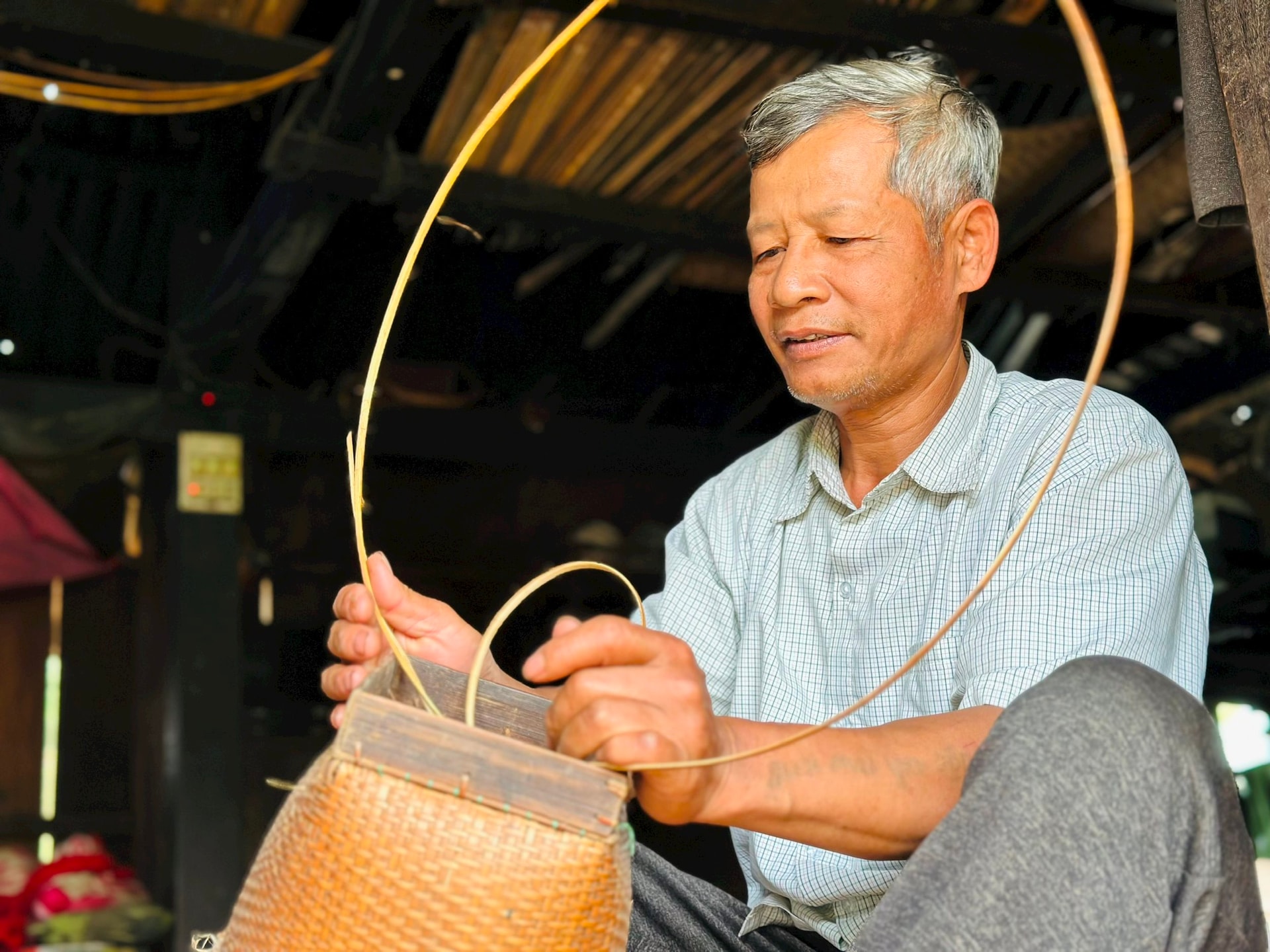

2. In Khe Chu, old man Luan is like a pioneer in changing the village's way of life. A few years ago, after retiring, he committed to the local government to take on a new "task": reclaiming land for cassava cultivation. While waiting for the first harvest, he worked in the fields, planted cinnamon, and wove traditional baskets... to set an example for the community. The Ca Dong people, who are accustomed to "following" when someone "pioneers," quickly switched from simple farming to cassava cultivation. Dozens of hectares of cassava were planted, covering the hills with greenery.
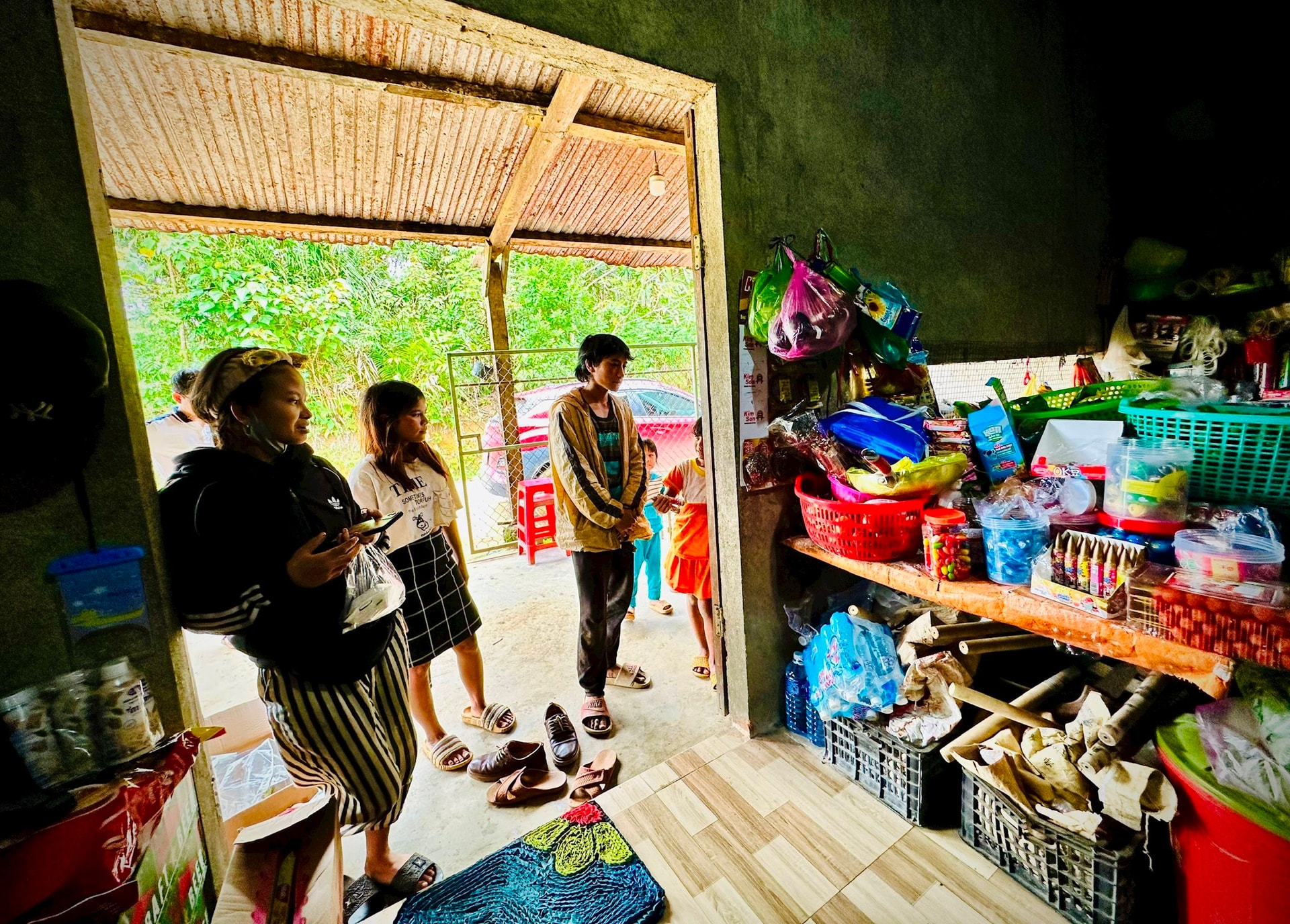
A year later, having gathered all the initial income from the cassava farming model, old man Luan connected with traders from the lowlands to import essential goods, then set up a small general store for his wife to run, serving the shopping needs of the Khe Chu community. Thanks to this, their lives gradually improved...
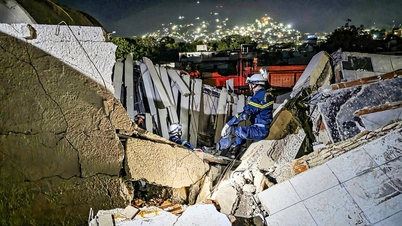
At the time of the landslide at Mr. Tuan's house (Hamlet 2, Tra Van Commune), Mr. Luan was then serving as the Party Secretary of the commune. After a meeting with the villagers, he and a few other commune officials patiently persuaded, explained, and supported the people in relocating to a safer location in Khe Chu. Mr. Luan's family went first, followed by the other villagers. This unprecedented historical relocation was implemented immediately after the landslide struck.
“At first, the people didn't want to leave because they thought they wouldn't be able to live in the new place. But after hearing our explanation, coupled with the anxiety about the repeated landslides, not only in Ong Tuan hamlet, but also in Ong Duong and Ong Trung hamlets, the people followed the migration to Khe Chu. Not wanting to dwell on the painful past, after a meeting with the local authorities, the people proposed naming the new village Khe Chu, hoping that life would change for the better in the future,” recalled old man Luan.
Village head Nguyen Thanh Som said that compared to the old situation, Khe Chu has undergone many noticeable changes. Not only does it have advantages in terms of roads and a concentrated residential area, but in Khe Chu, people have opportunities to do business and learn from each other in developing their household economies.
However, when they first moved to Khe Chu, a few households considered leaving the village because they had not yet adapted to the new way of life and livelihood. Knowing this, the village authorities, in coordination with respected community leaders, persuaded them to stay. During the 2020 rainy season, Khe Chu recorded its first landslide since the relocation. Thanks to the proactive efforts of the villagers and local authorities, the landslide did not cause serious damage. This further strengthened the confidence of the Ca Dong community in their new home.
“After that incident, the people of Khe Chu immediately set about building a new life. Although there were some difficulties with housing and clean water at that time, everything gradually stabilized after almost a year. Dozens of houses were built with support, and the people worked together to plant cassava, bananas, and reclaim land for rice cultivation… From a land that initially had nothing, Khe Chu now has shops, schools, and convenient roads connecting trade and commerce. Many households started small grocery stores, gradually escaping poverty through their own efforts and the community's support,” Mr. Som said.
3. The day I went up the mountain to Khe Chu was the last day of school for the students and teachers at the school. Teacher Ho Thi Phe, also from Khe Chu village, was teaching. At the time of the landslide at Ong Tuan peak, Ms. Phe was in her third year of teacher training at Quang Nam University. The village was affected, but because communication was lost, Phe was unaware of it at the time. Later, she learned about it from the press, but only returned home during the Tet holiday.

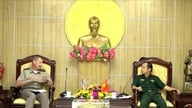
“I vividly remember, when I went back to my hometown for Tet (Lunar New Year), everything had changed. The old village was gone, and dilapidated houses had been temporarily erected in the Khe Chu fields. At that time, I couldn't find my house, so I had to ask villagers to guide me. It was heartbreaking… But, the past is over. Now Khe Chu has truly been revived,” Ms. Phe confided.
According to Nguyen Thanh Phuong, Chairman of the People's Committee of Tra Van commune, although certain difficulties still remain, the results after more than 8 years of relocating to the new settlement area show many encouraging improvements in the pace of life in Khe Chu. Most basic infrastructure, including the national power grid, schools, and local roads, has been invested in.
In recent years, Khe Chu has received additional attention and support in housing arrangements, contributing to the revitalization of this once disaster-stricken area. "The people no longer worry about the constant threat of landslides. A new life is changing every day, and that's what the people of Khe Chu are striving for," Mr. Phuong emphasized.
Source: https://baoquangnam.vn/hoi-sinh-khe-chu-3157806.html