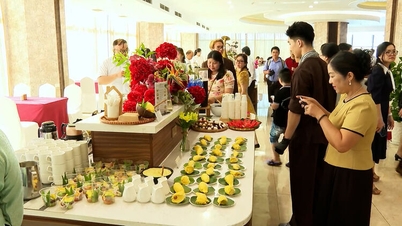
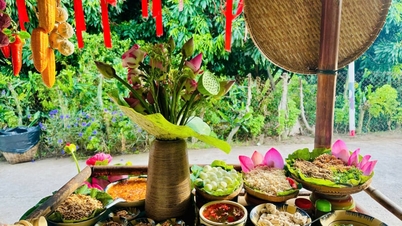
For centuries , food has occupied a significant portion of daily life. People enjoy delicious food not only because they are hungry, but also for its spiritual benefits. For the people of Hue, eating and drinking is considered an art and a pleasure in life.
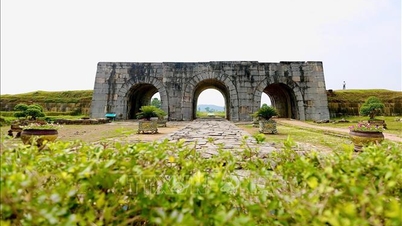
For centuries, Hue was the center of the Southern region under the Nguyen lords. In the 19th century, it became a prosperous and bustling imperial city, serving as the capital of Vietnam for nearly a century and a half, a gathering place for a royal court with countless officials and scholars. Therefore, besides the royal court, it was also a hub for the aristocracy, upper class, intellectuals, and a large number of poets and writers. This demanded that the people of Hue not only excel at preparing extremely refined dishes reserved for the royal court, but also, today, while no longer a leading economic and political center of the country, Hue still preserves the remnants of a bygone era with all the lifestyles of its golden age. And naturally, among Hue's long-standing cultural characteristics, its culinary culture plays a significant role in shaping the culture and lifestyle of its people.
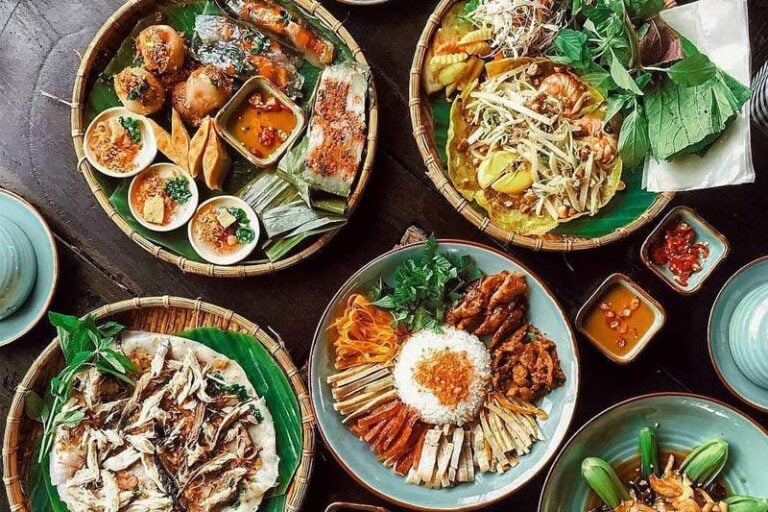
Hue is a relatively undeveloped region, largely populated by people from all over who followed the Nguyen lords south to settle. Therefore, its cuisine is diverse, incorporating the best elements from other regions and transforming them into unique local dishes.
Hue cuisine offers both sophisticated and exquisite dishes, as well as simple ones, but thanks to skillful preparation and expert seasoning, they all become delightful culinary experiences.
The Nguyễn dynasty specifically permitted aristocratic dishes in the book "Khâm định Đại Nam hội điển sự lệ," which stipulated regulations for each type of banquet: banquets for receiving diplomatic delegations with three types of ancient dishes: the first type with one tray containing 50 dishes, the second type with 7 trays containing 40 dishes, the third type with 25 trays containing 30 dishes… These dishes were served in 1080 precious bowls and plates, reserved only for use in the royal palace.
Nowadays, although we no longer have to search far and wide for rare delicacies to cook "royal dishes" for emperors and kings—such as peacock spring rolls, phoenix patties, monkey skin, bear paws, deer liver, orangutan lips, elephant leg meat, etc.—housewives can now cook up to 300 dishes, both rustic and luxurious, using local seasonal specialties.
The most rustic and unforgettable dish is clam rice. It's a simple dish, imbued with the flavors of the countryside, made from a product found in the poetic rivers of Hue. Clam rice is delicious thanks to the skillful blend of many ingredients and spices: herbs, banana blossom, finely chopped mint stems, chili sauce, fish sauce, salt, sesame seeds, finely ground peanuts, garlic fish sauce, pork cracklings, and cooled white rice. Especially noteworthy is the addition of fresh shrimp paste; the sweet and savory taste of clam rice comes from this shrimp paste.
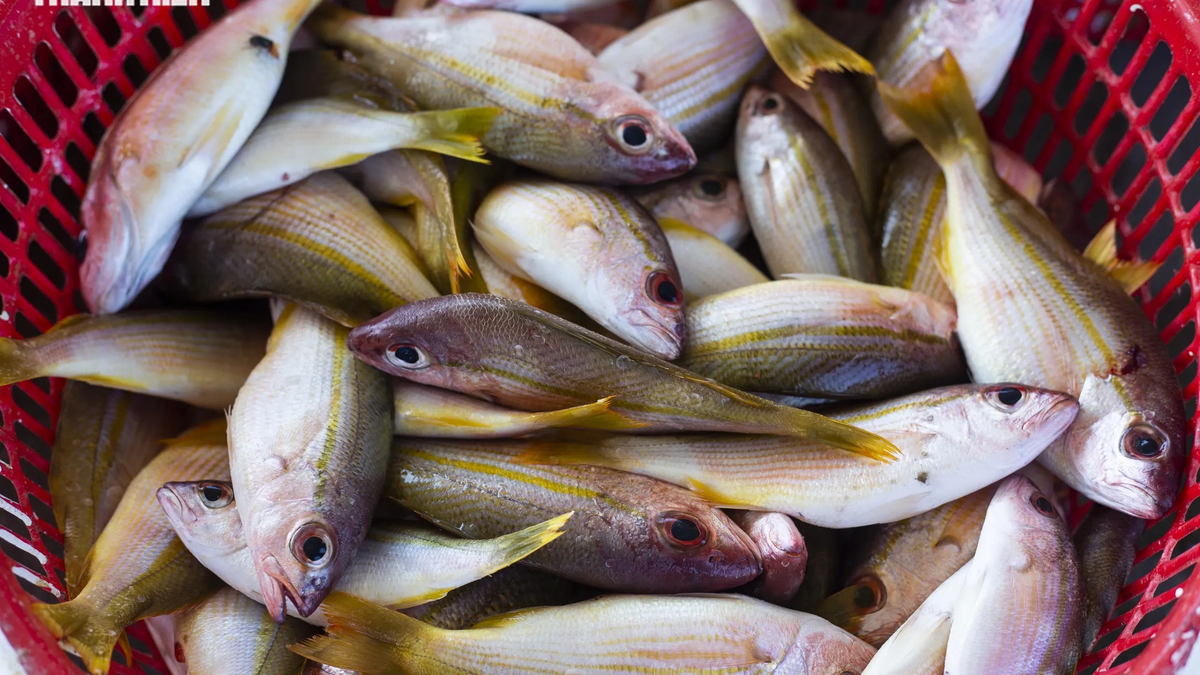
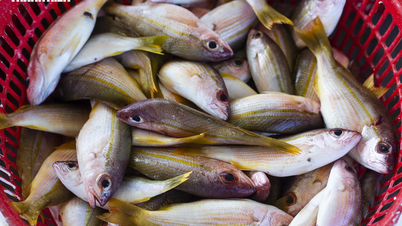
Hue cuisine is simple yet rich, carrying the mellow flavors and aromas of produce from the fields, lagoons, mountains, and rivers of the former imperial capital. From just lemongrass and salt, housewives add a little minced shrimp and meat along with other spices like garlic, sugar, shrimp paste, and pepper, and through the gentle and skillful hands of the housewives, they can create a lemongrass salt dish that, when eaten with rice in the winter in the North, you'll likely never forget. A meal in Hue is usually just a few simple dishes, such as braised goby fish with coriander and coconut milk, a soup of mixed greens readily available in every garden, with a few sweet potato leaves, jute leaves, prickly pear shoots, pumpkin flower buds, and bamboo shoots… A slightly more elaborate version might be cooked with shrimp and meat, or simply boneless long-tail fish, a little good fish sauce, a little shrimp paste, and some pepper sautéed onions in lard, resulting in a sweet and savory mixed greens soup. Every meal in Hue includes a plate of raw vegetables and a bowl of fish sauce that complements the dish. Some believe that the plate of raw vegetables in Hue is a miniature universe, with red tomatoes arranged around the edge symbolizing the sun, star-shaped slices of starfruit representing the stars, crescent-shaped slices of fig with a pale purple hue, round slices of unripe banana dotted with seeds representing the vast earth, a little green herbs and a few strands of water spinach, and fresh chili peppers twisted together on top like fluffy blue and pink clouds against a sky of shades of blue, red, purple, and yellow…
Besides the simple yet refined dishes found in the countryside, many delicious dishes, initially reserved for the nobility in royal palaces, gradually made their way to wealthier families during holidays, festivals, ancestral worship ceremonies, or when entertaining friends. People may be familiar with An Cựu fermented pork sausage, Thành Hân pork sausage, and many other dishes.
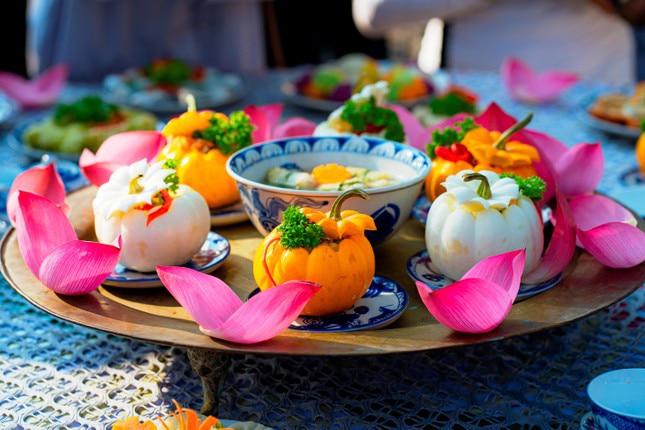
It would be a great oversight to talk extensively about Hue cuisine without mentioning vegetarian dishes. Hue has a long history, dating back to the Nguyen Dynasty when Buddhism was the state religion. A significant portion of the aristocracy practiced vegetarianism, resulting in a rich variety of vegetarian dishes in Hue (around 125 different types). These vegetarian dishes are meticulously prepared and just as delicious as their non-vegetarian counterparts. For Buddhist families in Hue, inviting friends to a vegetarian meal is a way of showing great affection and respect for their guests.
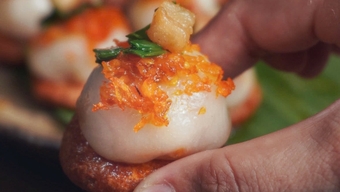
Along with dishes found in family meals, Hue also boasts specialty dishes such as beef noodle soup and pork knuckle, the most famous of which are Gia Hoi and Tuan Market noodle soups. There are also dozens of savory and sweet cakes that, once tasted, will surely never forget – a unique gift from the former imperial capital. These are famous cakes associated with specific locations: Dong Ba fried rice cakes, Ngu Binh steamed rice cakes, Nam Pho rice noodle soup, Kim Long grilled pork rice rolls…
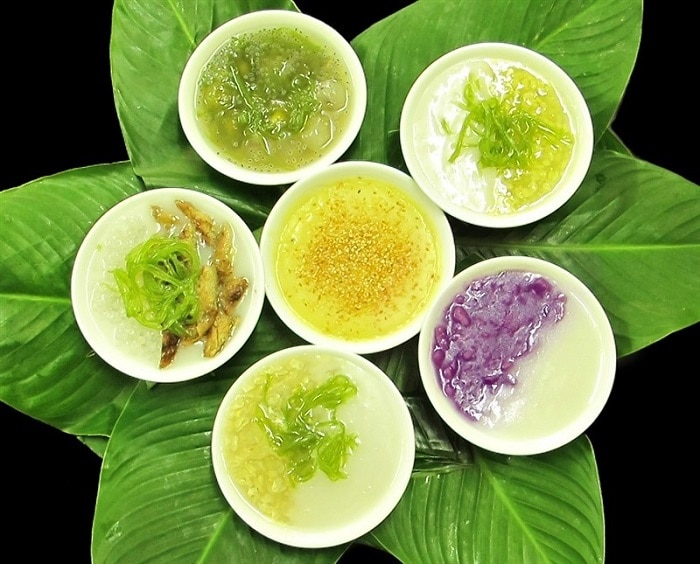
Hue's sweet soups are just as diverse as its other pastries and snacks. There are 36 different types of sweet soups, enough to entice you on a hot summer evening stroll along the Perfume River: sweet soup with tapioca pearls wrapped in roasted pork, sweet soup with lotus seeds wrapped in longan, sweet soup with broad beans, sweet soup with mashed mung beans, sweet soup with royal beans, sweet soup with blood beans… each offering a unique delight. Hue's fruit selection includes many varieties from all three regions of Vietnam, and notably, local specialties such as Huong Can tangerines and Nguyet Bieu green tea.