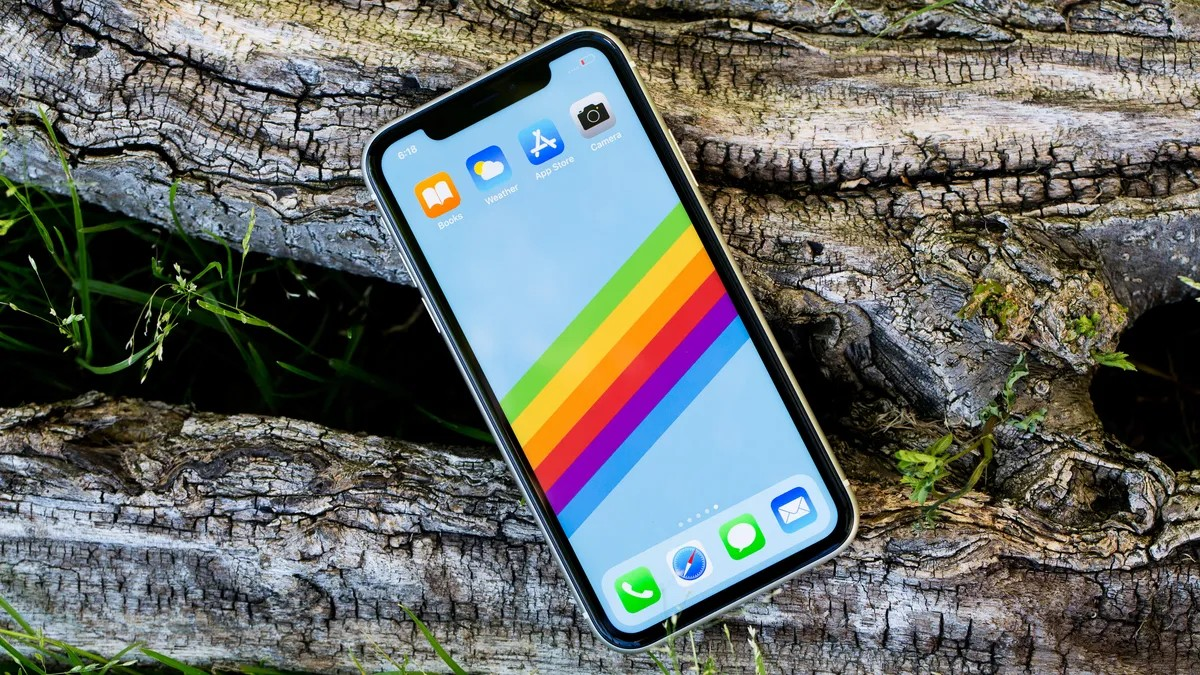
Apple's iOS 27 operating system, announced at the WWDC 2026 event, will be updated for older phone models such as the iPhone 11 series launched in 2019, extending software support to up to eight years – an unprecedented achievement.
Although the iPhone 11 is unlikely to support any new features related to Apple Intelligence, having an extra year of software support comes between two crucial moments in the tech industry.
The most obvious reason is the overall increase in the cost of electronics, attributed to factors such as the ongoing RAM shortage and concerns about rising tariffs over the past few years.
The market has seen some companies push up phone prices by as much as $200 between 2025 and 2026 models. In some cases, the price has even exceeded the launch price.
But perhaps less noticed is the used market, where older iPhone models are still readily available. A 256GB iPhone 11 is currently priced at $209 on Amazon at the time of writing.
In a recent poll by tech news site CNET of 2,600 adults, more than 48% said they had considered buying a refurbished device because it was cheaper, while new electronics were too expensive.
Both of the above factors point to a trend: users want to keep their phones longer than ever before and are willing to use devices that aren't the newest or most advanced, but still fully meet their needs.
Although Apple hasn't released official figures on the current number of iPhone 11 users, other evidence suggests that consumers are still sticking with older iPhones and may be able to take advantage of this additional software support.
Why Apple takes care of customers who use older iPhones.
iPhones consistently top the list of best-selling smartphones worldwide , so it's no surprise that the company is also one of the biggest players in the refurbished phone market.



According to a report from Counterpoint Research in October 2025, the iPhone 12, iPhone 13, and iPhone 14 all drove growth in refurbished product sales in Africa, India, and Southeast Asia.
In markets similar to the US, the refurbished equipment segment is expected to experience flat growth between 2024 and 2025.
The report indicates that longer replacement cycles and increased costs are causing customers to delay upgrades.
With fewer people upgrading their devices, Apple may be carefully considering how to ensure that customers who are still using older devices are not left behind.
In January, iPhone models running iOS 12 and later received a minor update to ensure iMessage and FaceTime still work on devices as far back as 2013, such as the iPhone 5S.
Even if Apple stops updating iOS, following precedent, the company will still provide several more years of security updates.
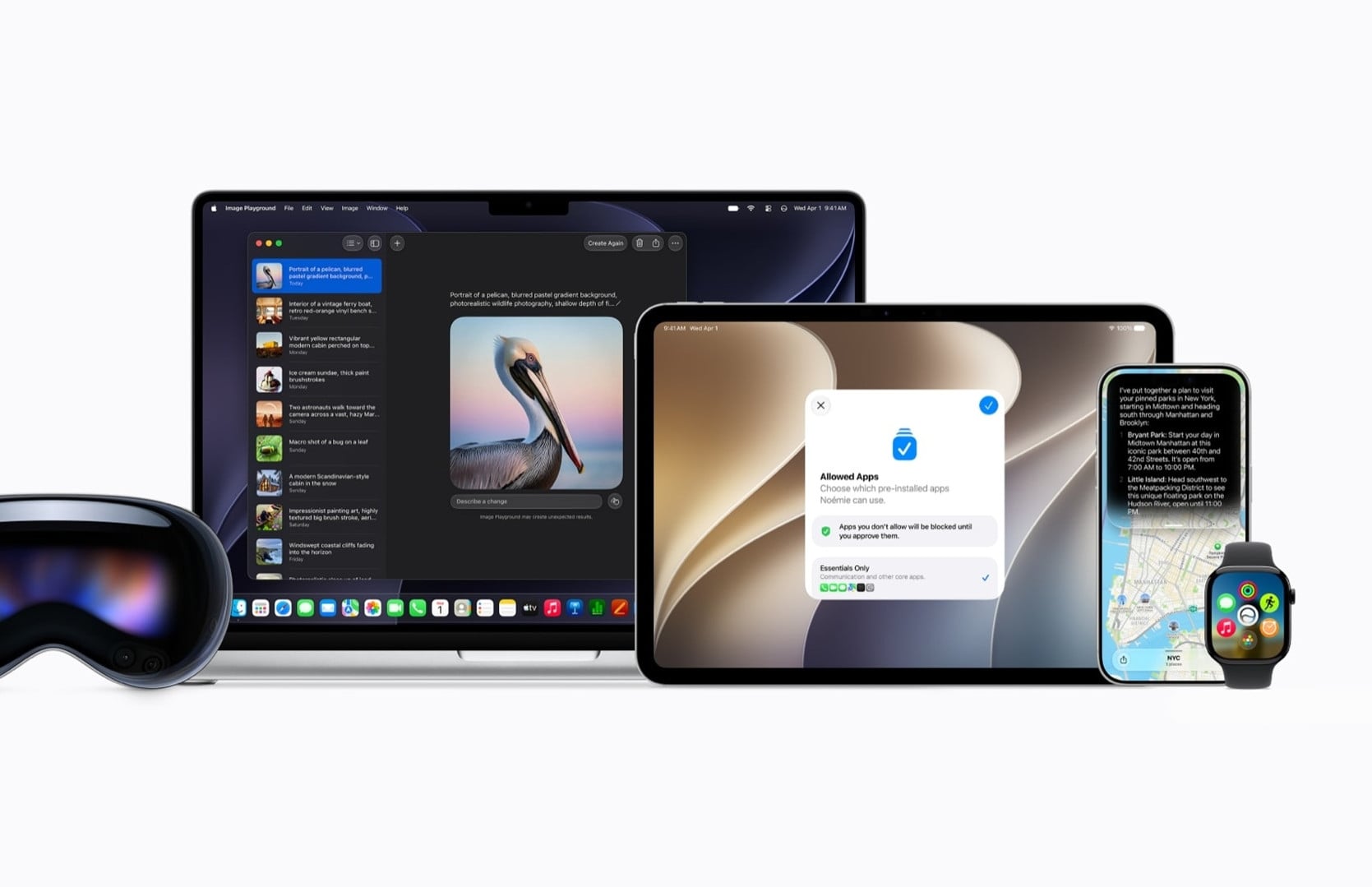
Prevent users from switching to Android.
With phone prices rising, Apple's continued support for older iPhone models could be a defensive strategy.
While Samsung, Motorola, and Google have countless new Android models priced under $500, Apple's starting price for a new phone is currently $600 (the iPhone 17e model launched earlier this year).
Making the iPhone 11 from 2019 feel fresher with iOS 27 will further strengthen user loyalty to the Apple ecosystem.
They won't need to consider switching to the Android operating system – where they can buy a phone with a larger battery or a newer camera for less money than a brand-new iPhone.



This becomes even more important as Apple is under pressure to support open technologies, putting iPhones and Android phones on a more level playing field.
It includes the RCS messaging standard, which allows many iMessage-like features to work cross-platform between iPhone and Android, along with eSIM features that make transferring phone numbers from iPhone to Android easier.
Apple's provision of 8 years of software support – currently the industry leader – for the iPhone 11 is a plus point that helps the company surpass Android, until rivals like Samsung, Google, and Motorola make similar commitments.
(According to Cnet)

Source: https://vietnamnet.vn/iphone-11-van-duoc-ho-tro-ios-27-vi-sao-2526256.html


![[Photo] A phone-free summer afternoon at the village library](https://vphoto.vietnam.vn/thumb/1200x675/vietnam/resource/IMAGE/2026/06/27/1782551770949_anh-1-jpg.webp)
![[Photo] "Hanoi Lotus Festival" honors the lotus flower that has been associated with Vietnam for thousands of years.](https://vphoto.vietnam.vn/thumb/1200x675/vietnam/resource/IMAGE/2026/06/27/1782516943048_sen-ha-noi-2026-minh-duy-1-jpg.webp)